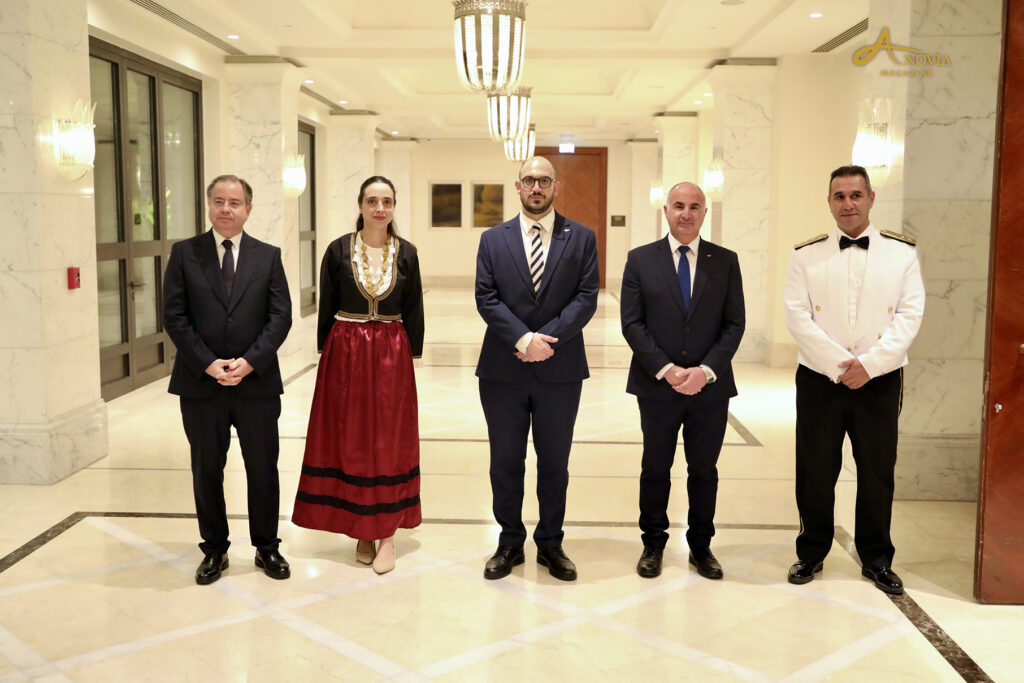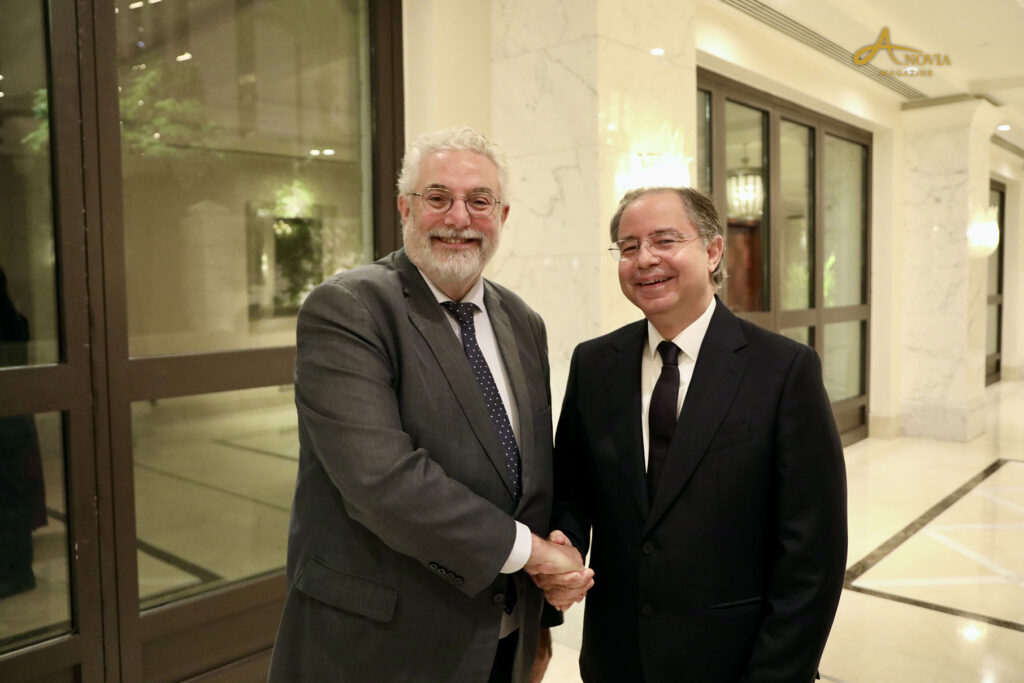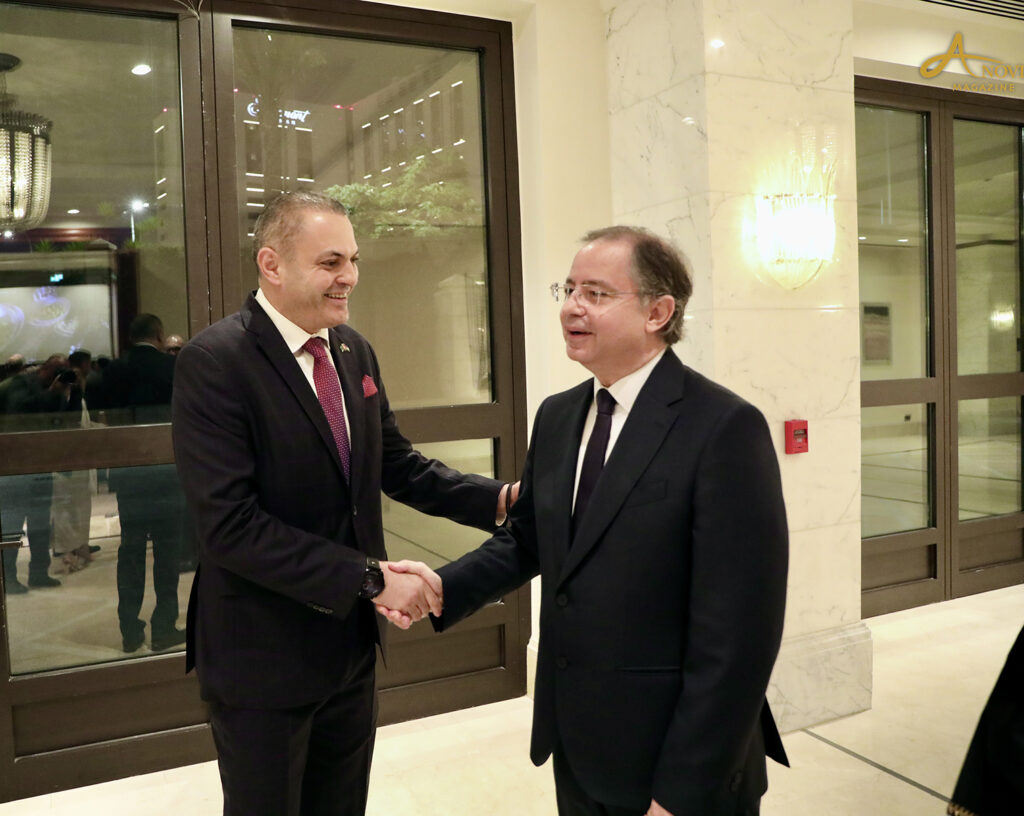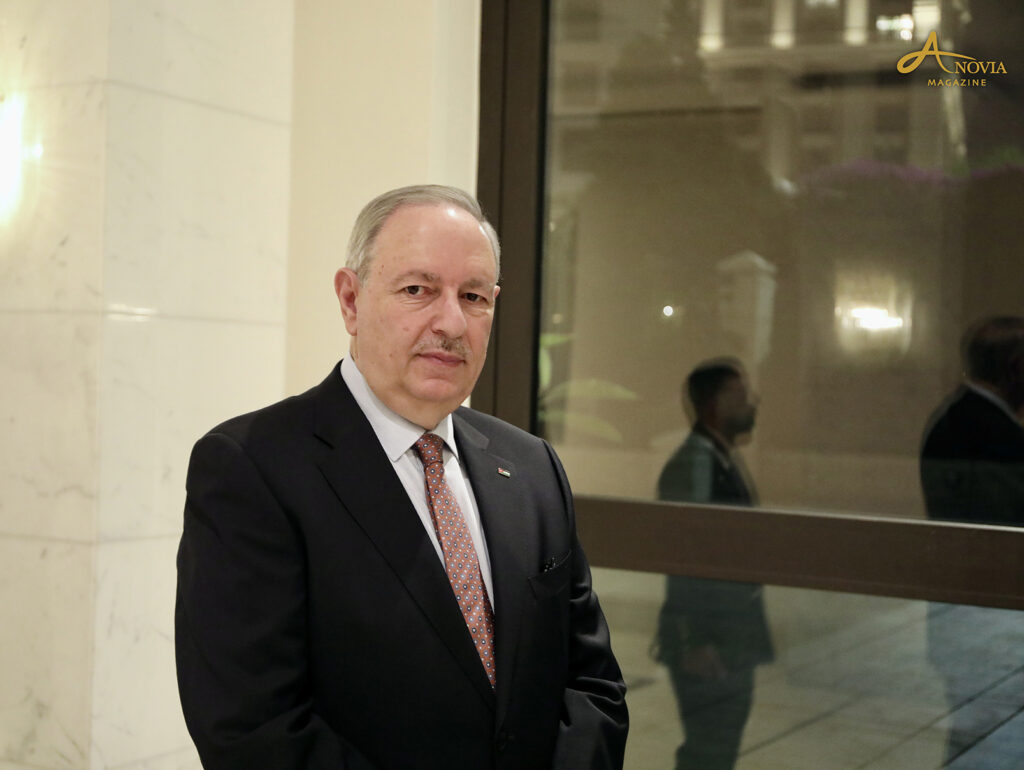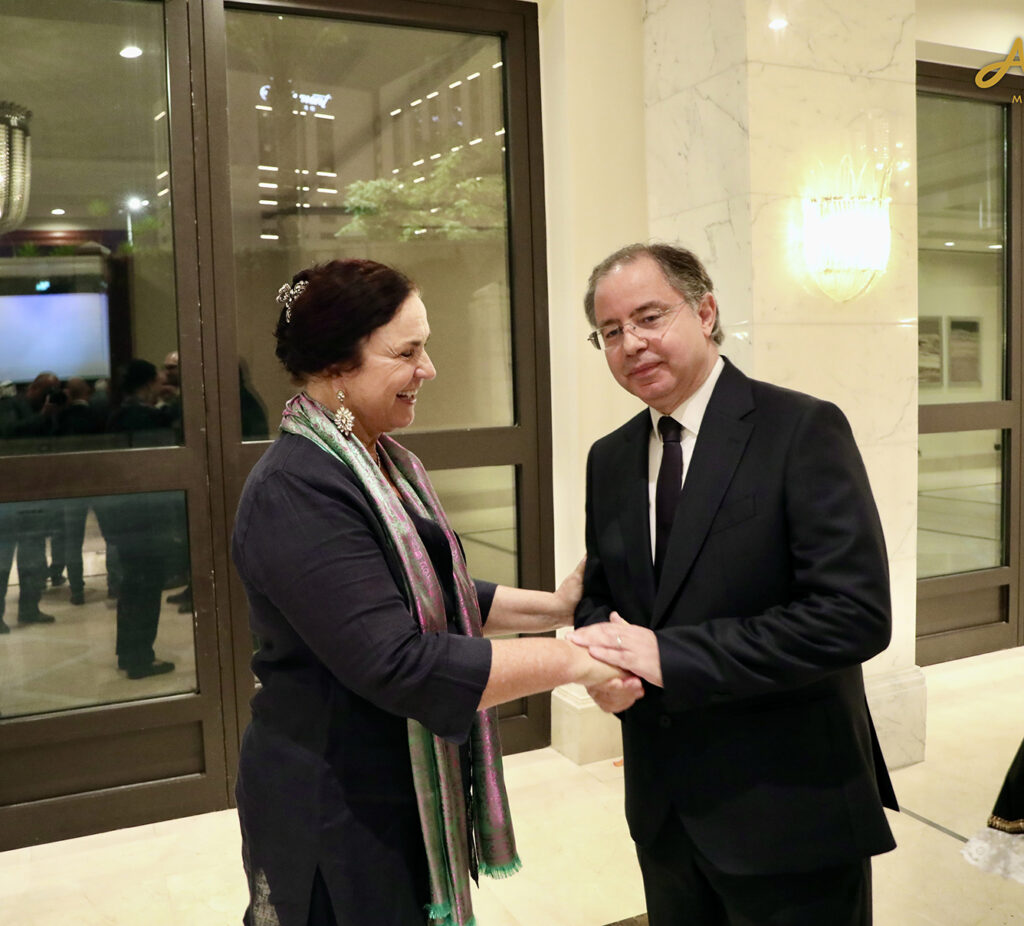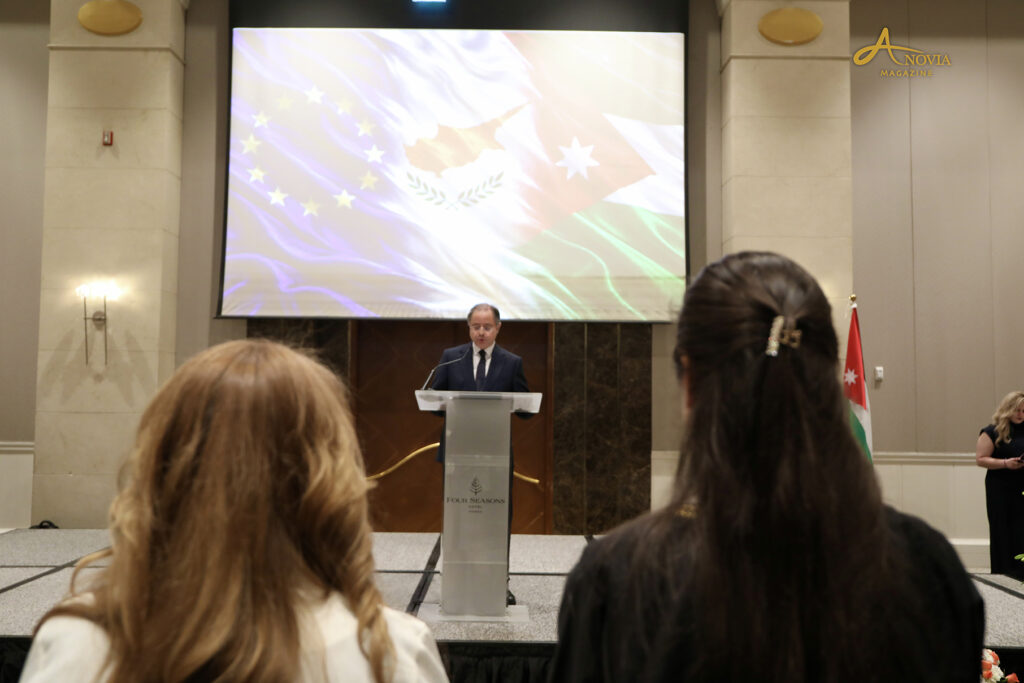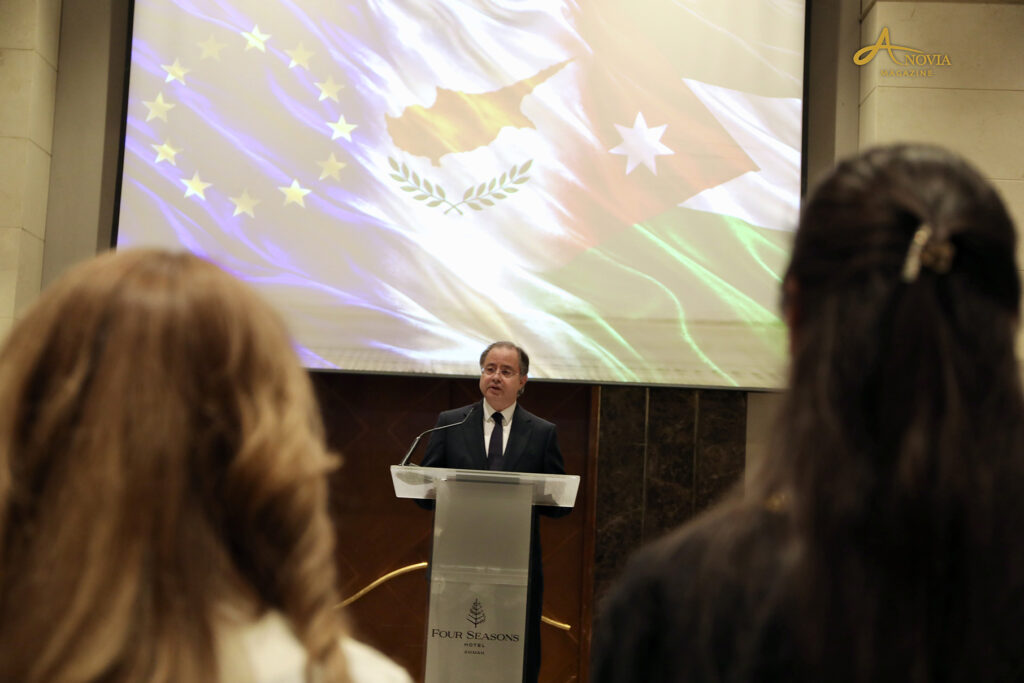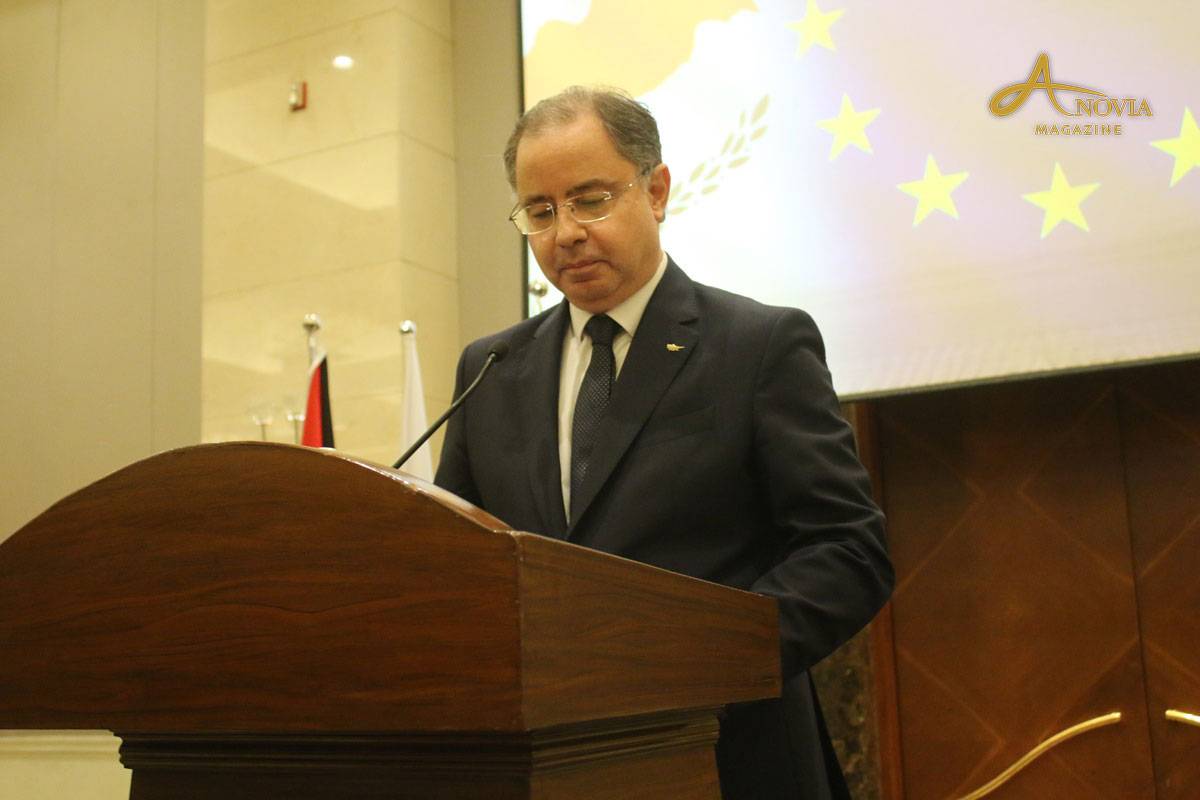

Anovia—The Ambassador of the Republic of Cyprus to Jordan, Sevag Avedissian, called for a consistent and impartial application of international law, warning against selective responses to aggression and the growing reliance on military force in addressing international disputes.
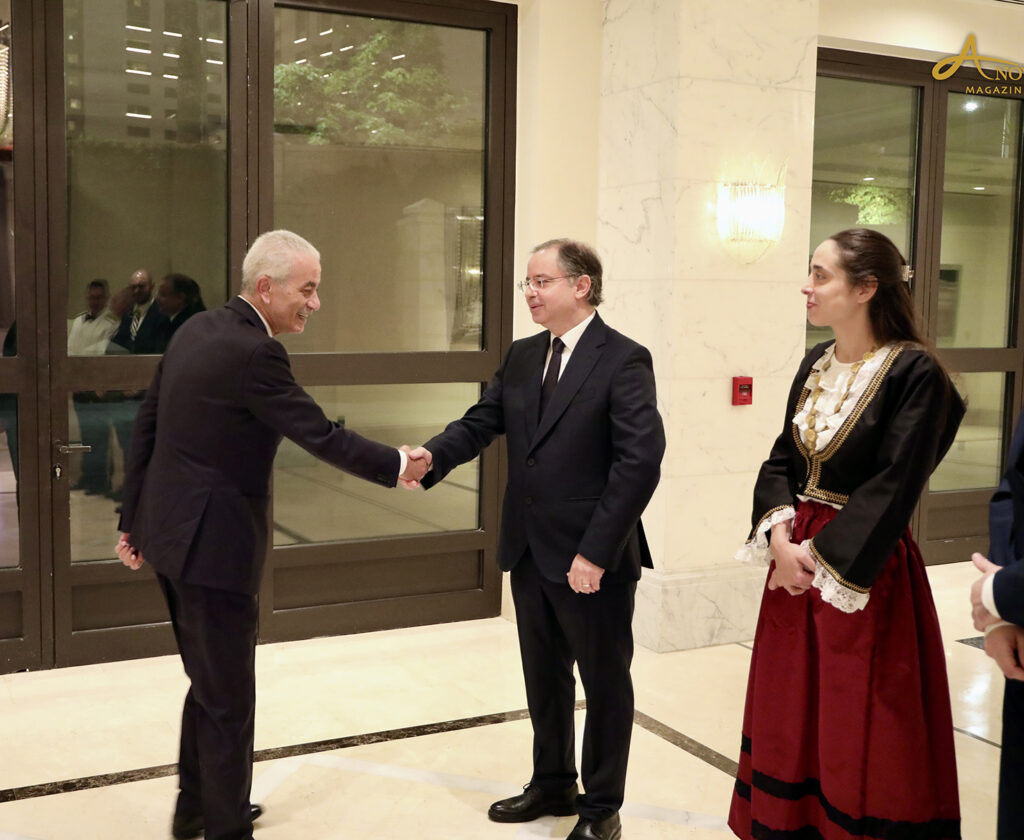
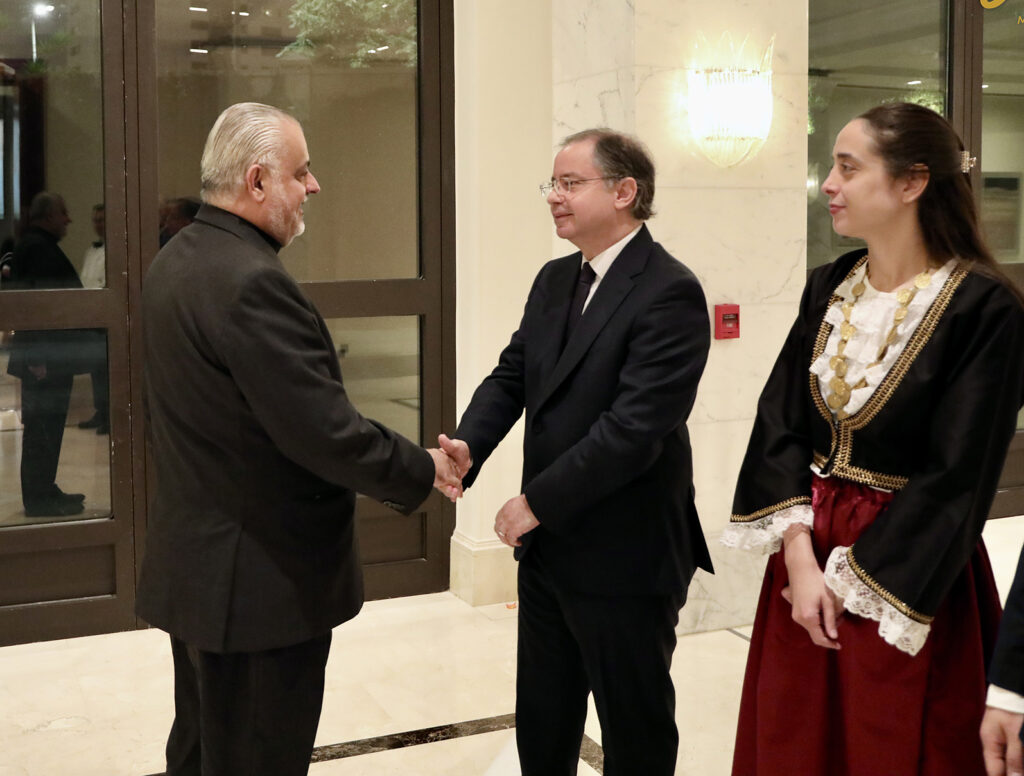
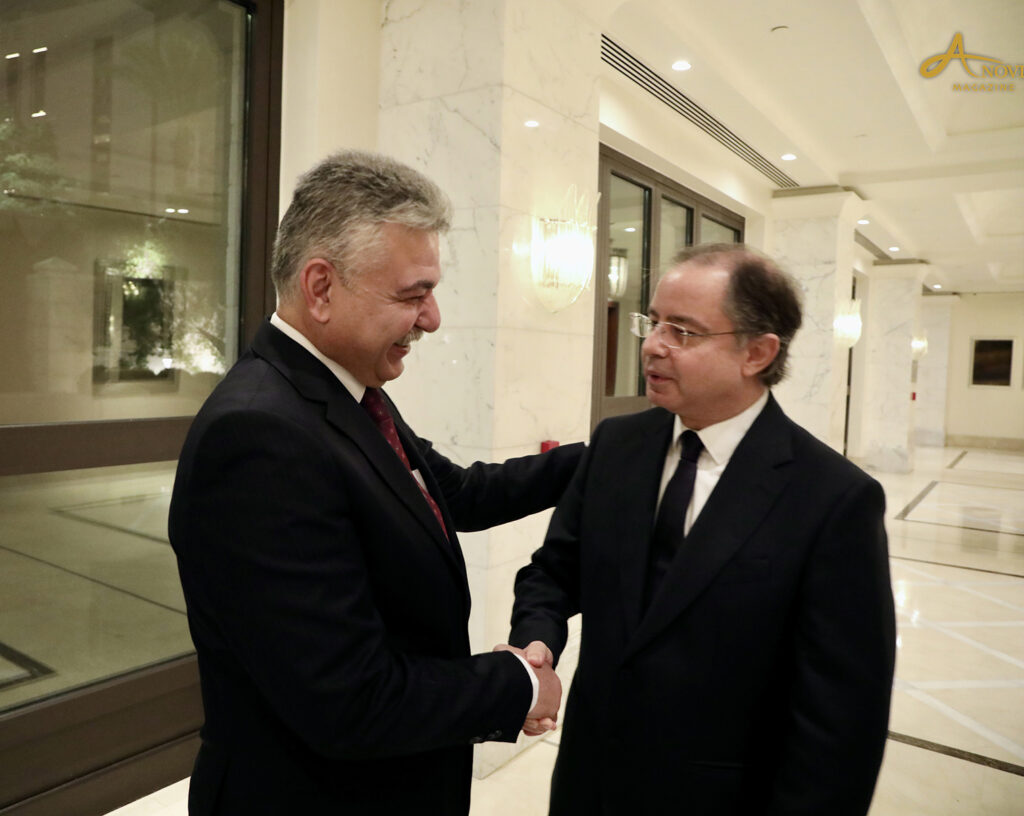
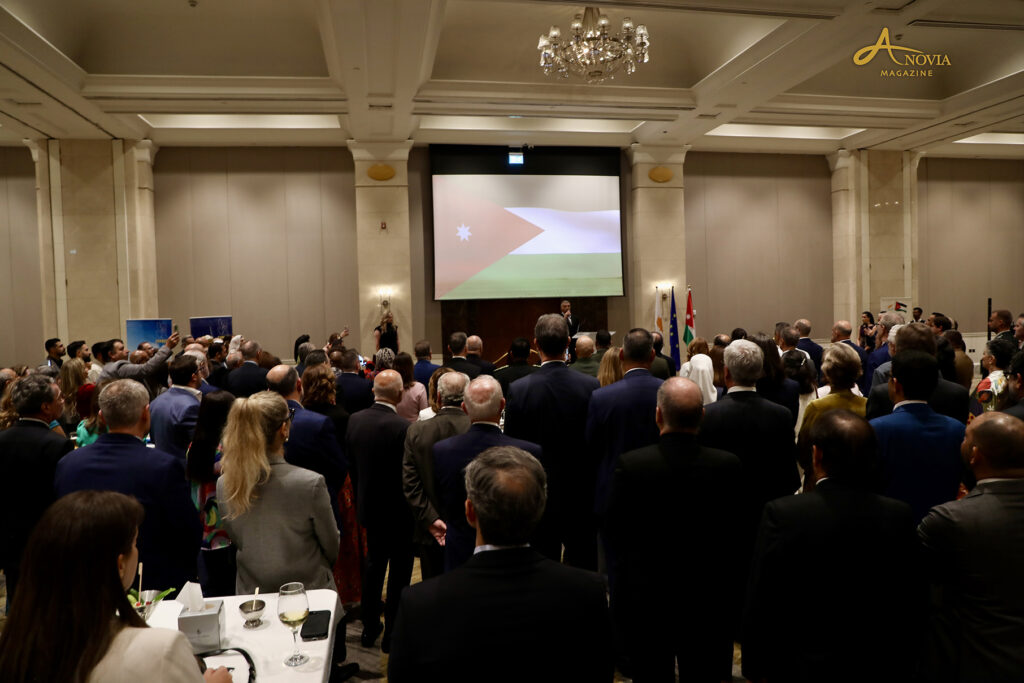
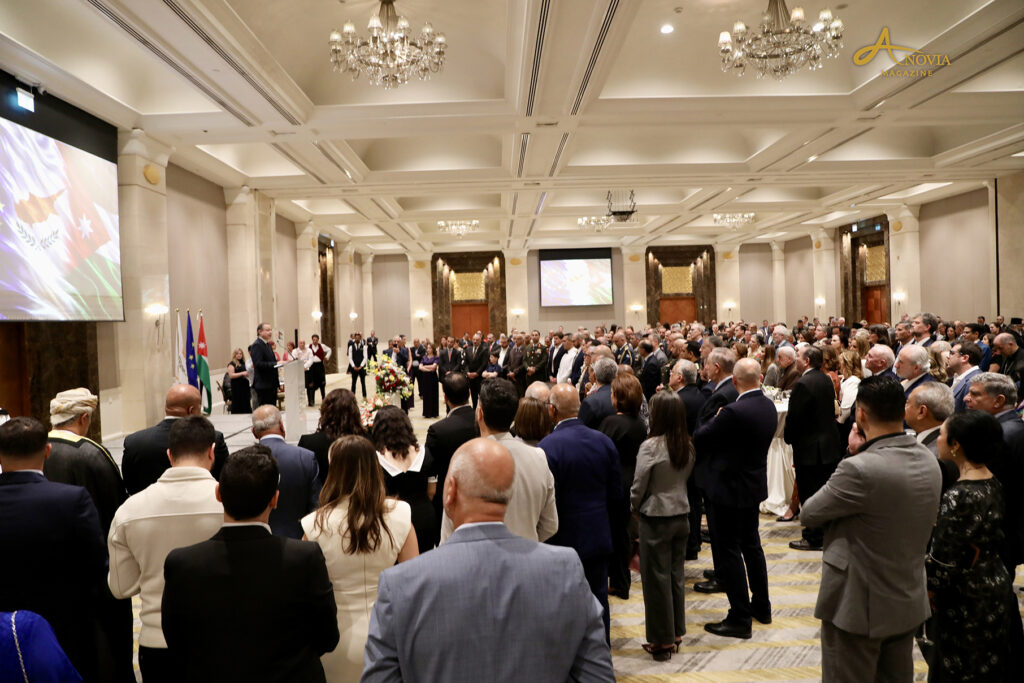
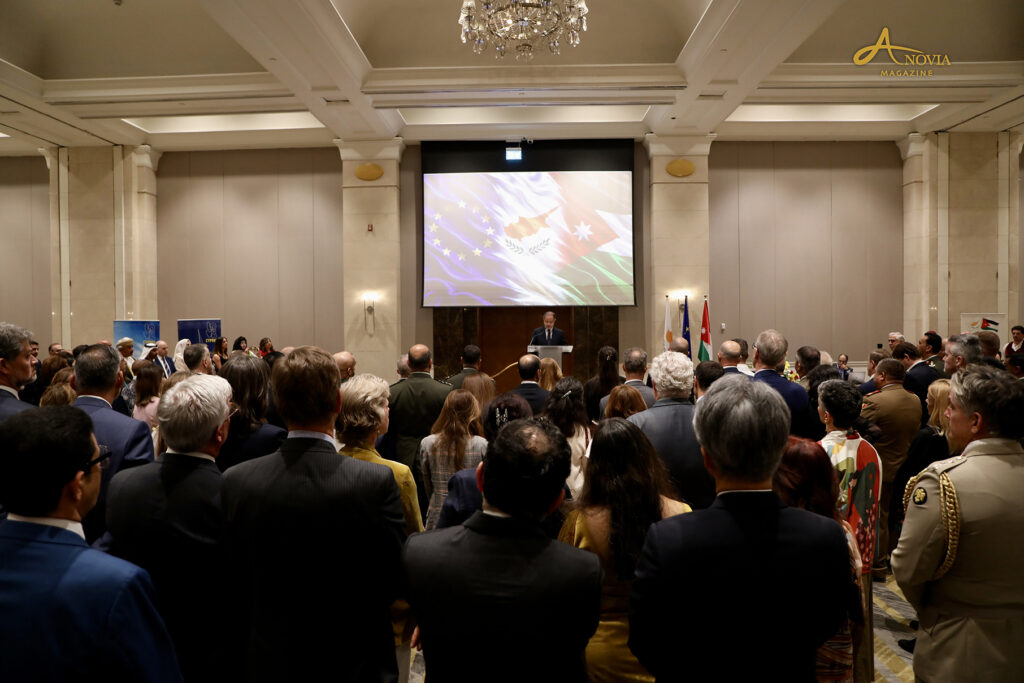
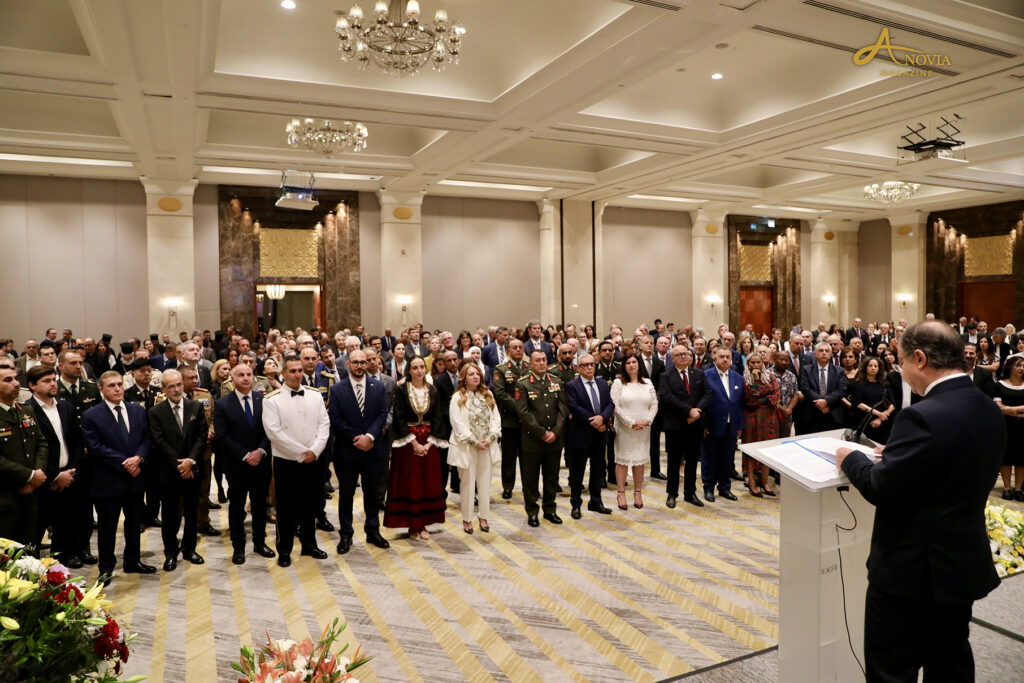
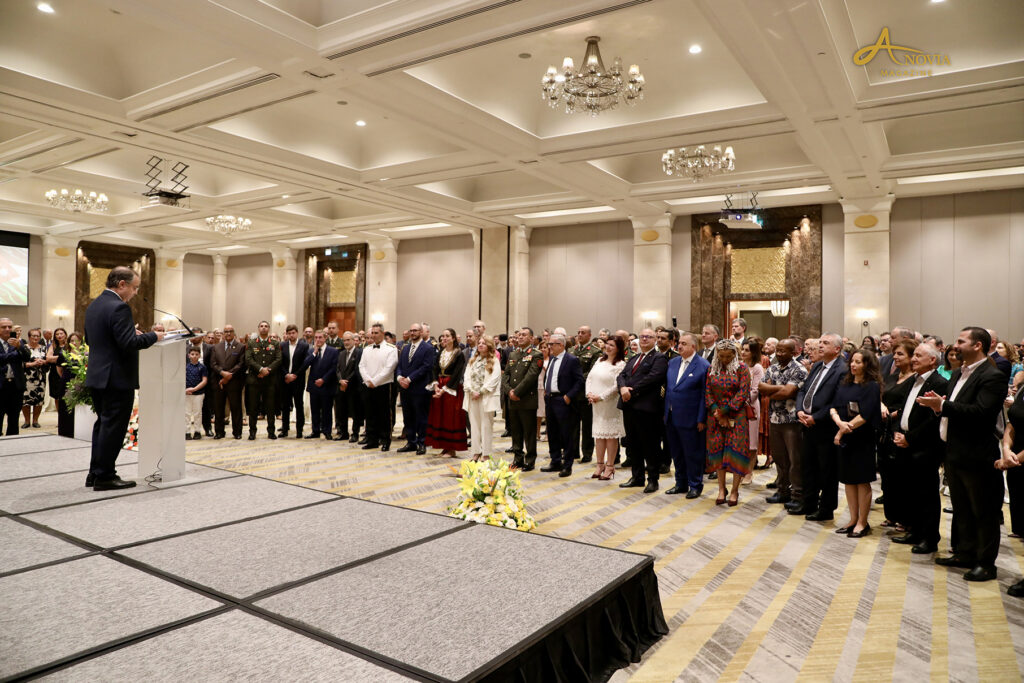
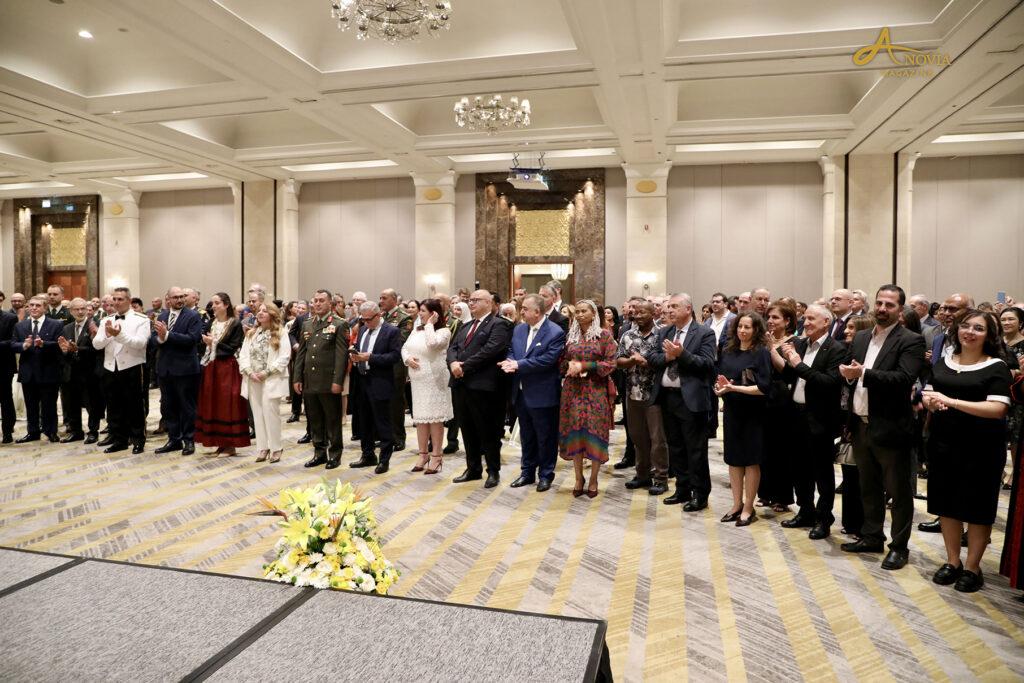
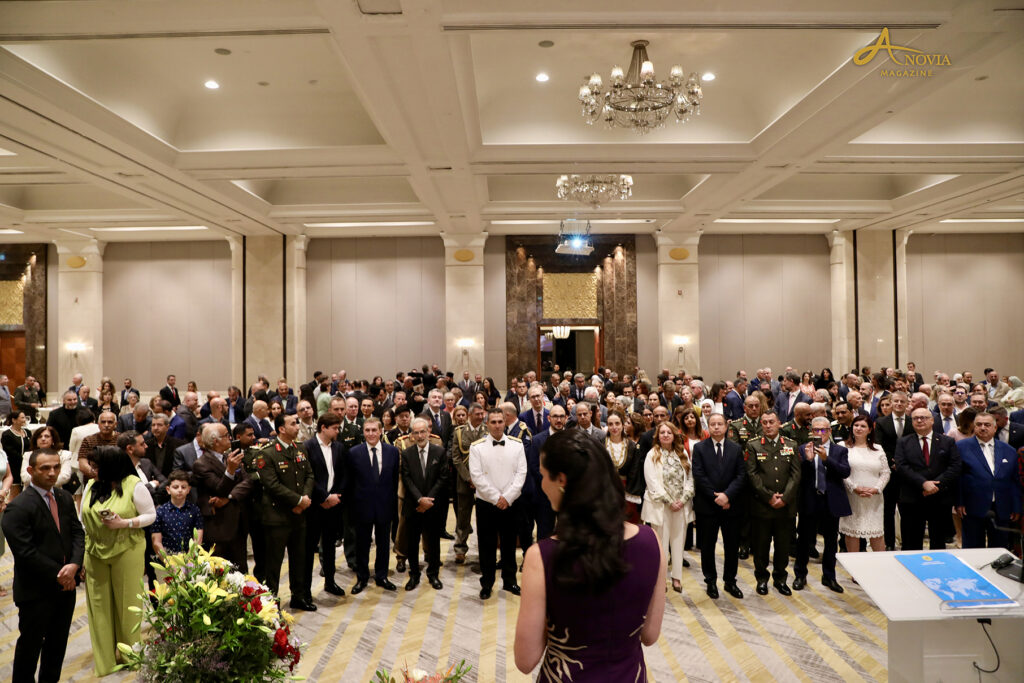
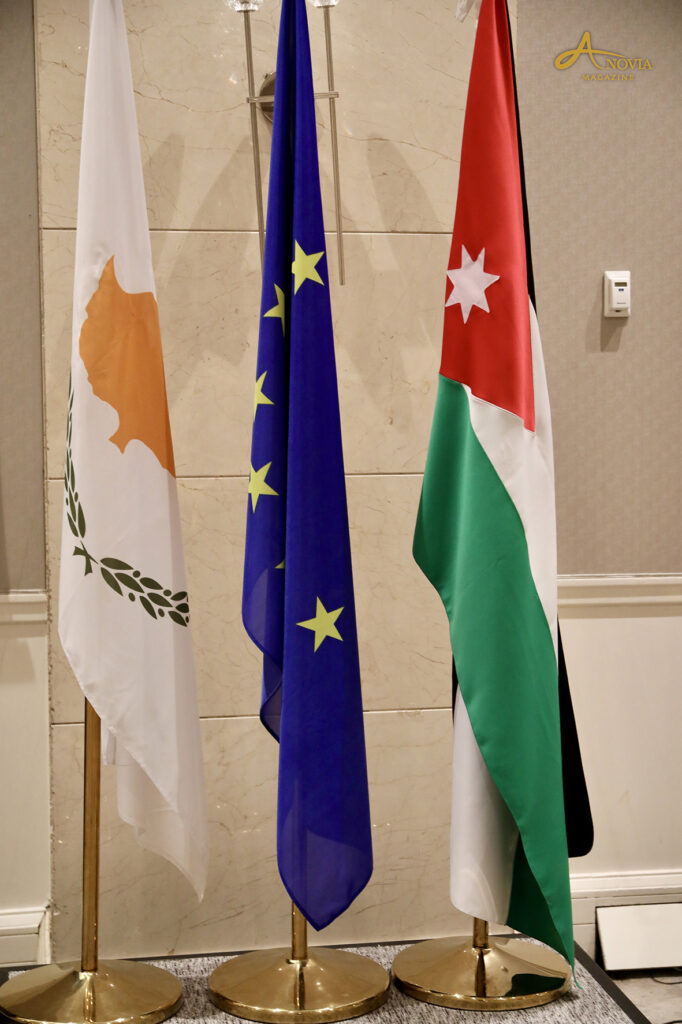
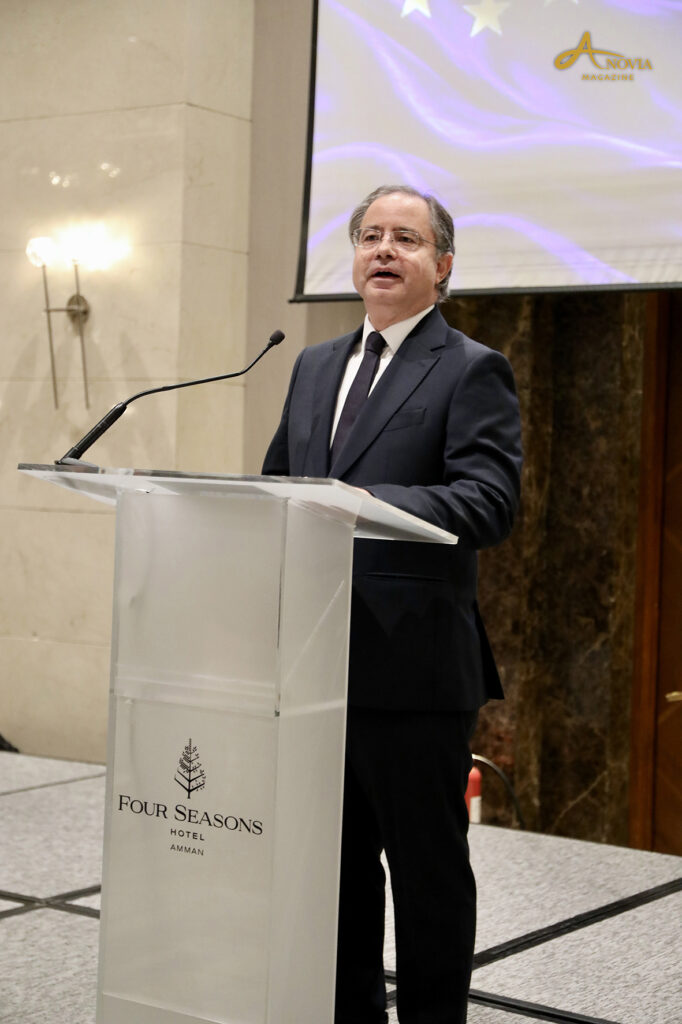
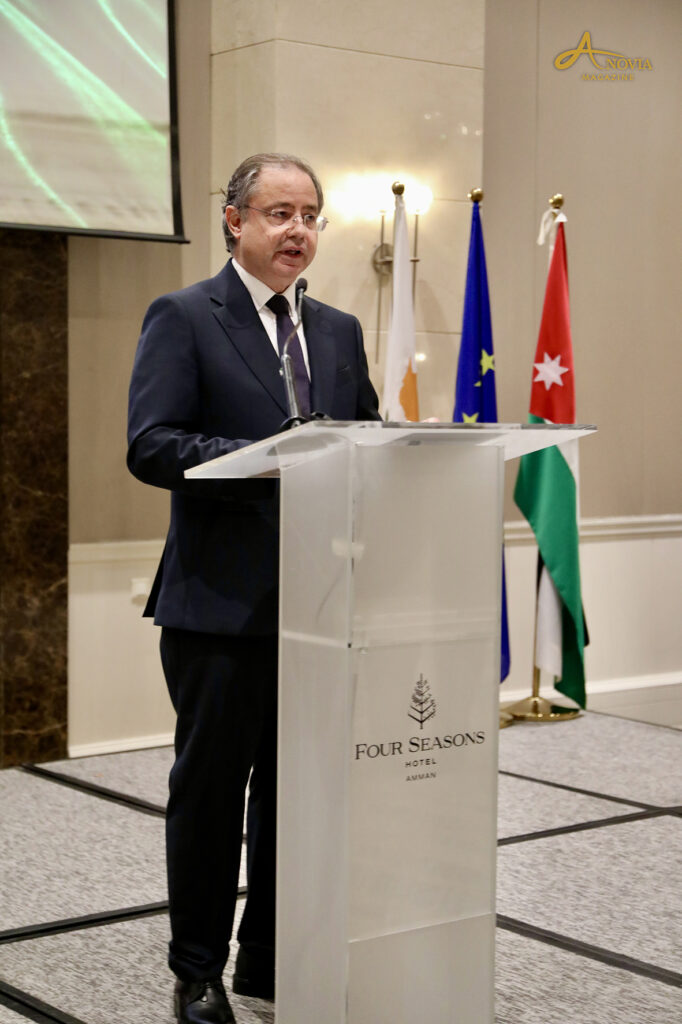
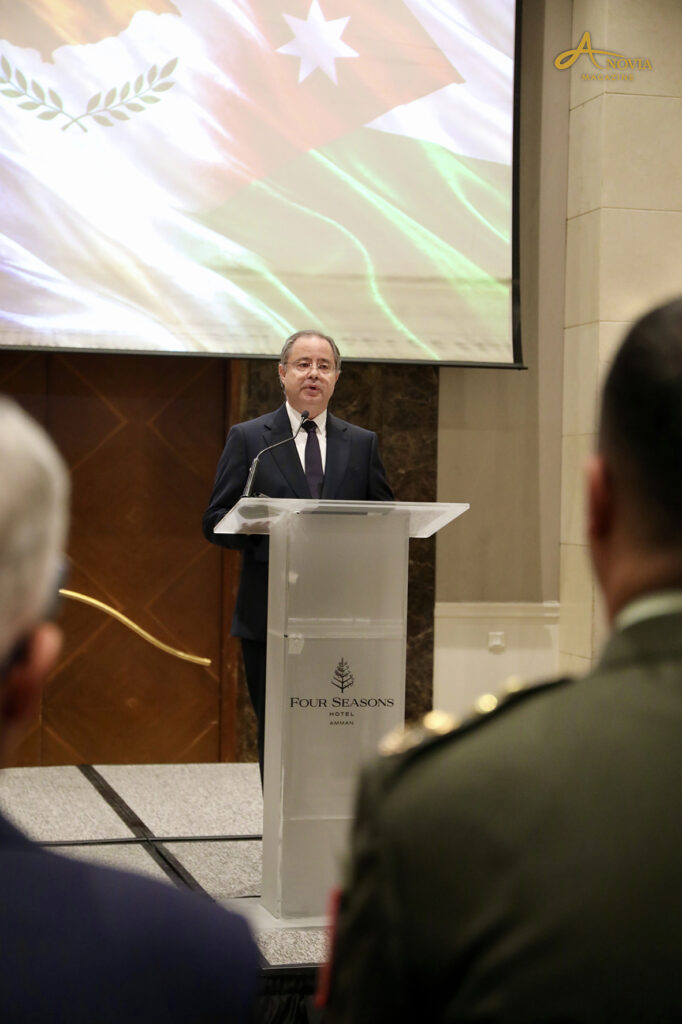
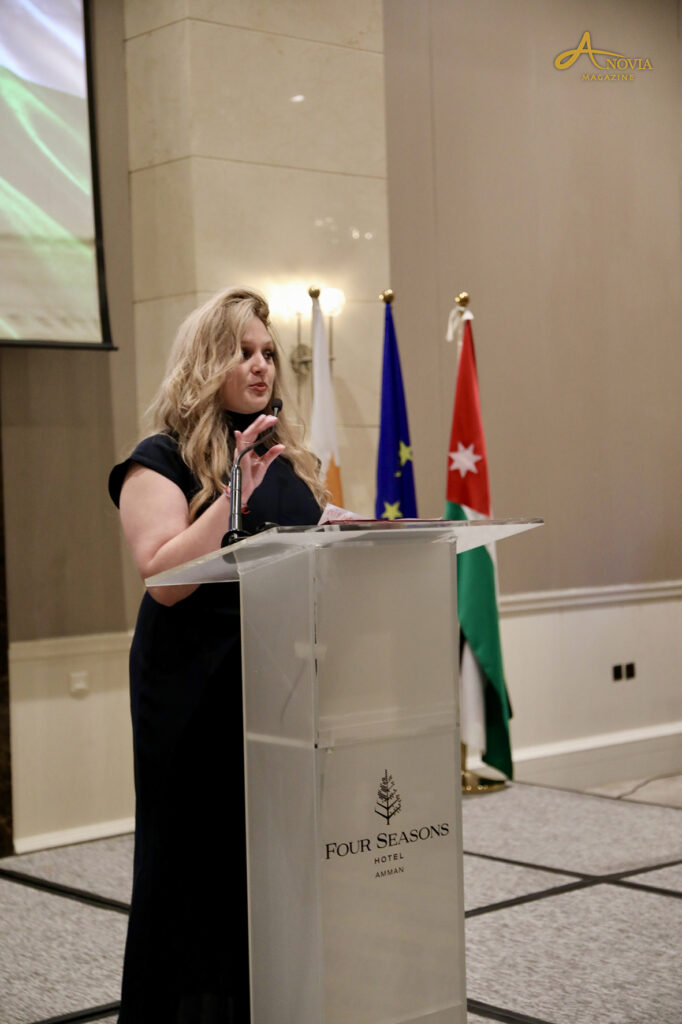
Speaking at a reception hosted by the Embassy of Cyprus in Amman on Tuesday evening to mark the 66th anniversary of the Republic of Cyprus’s independence, Avedissian reflected on the deteriorating international climate, the continuing division of Cyprus, the Palestinian question and the importance of maintaining principled international engagement.
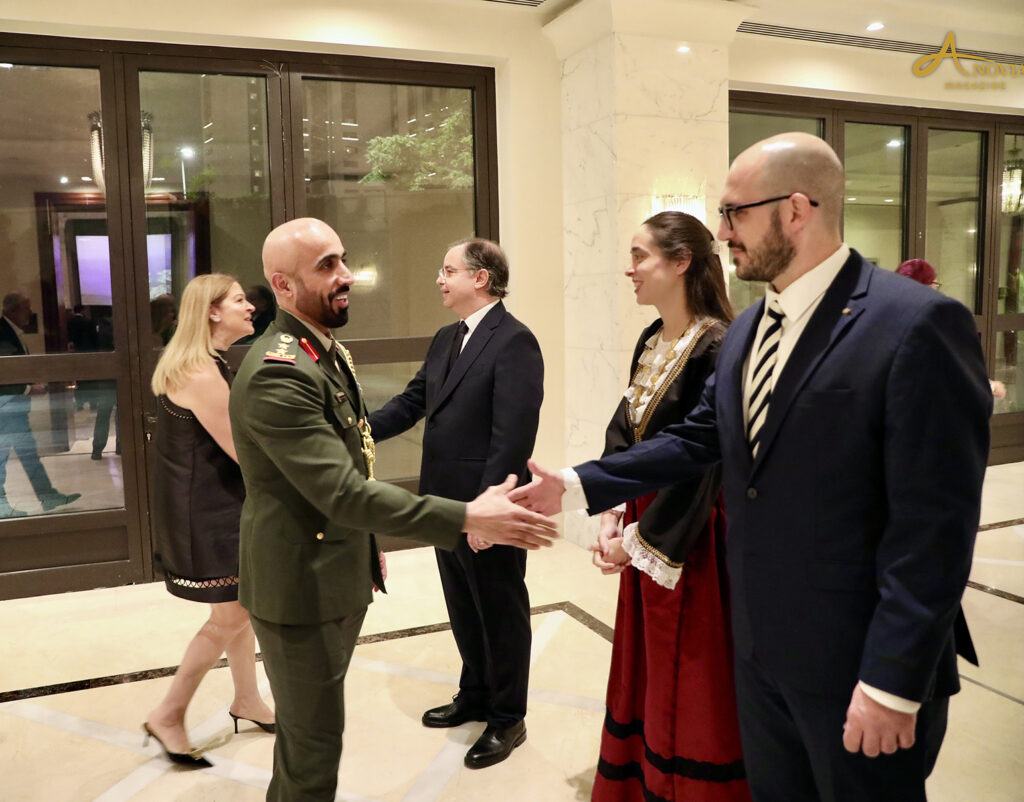
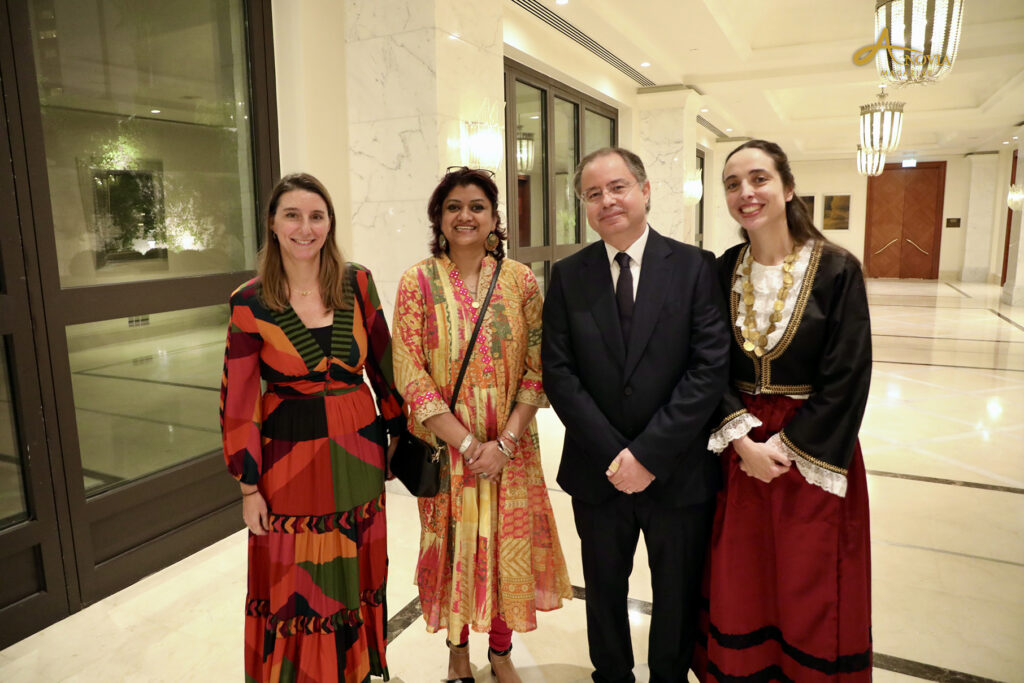
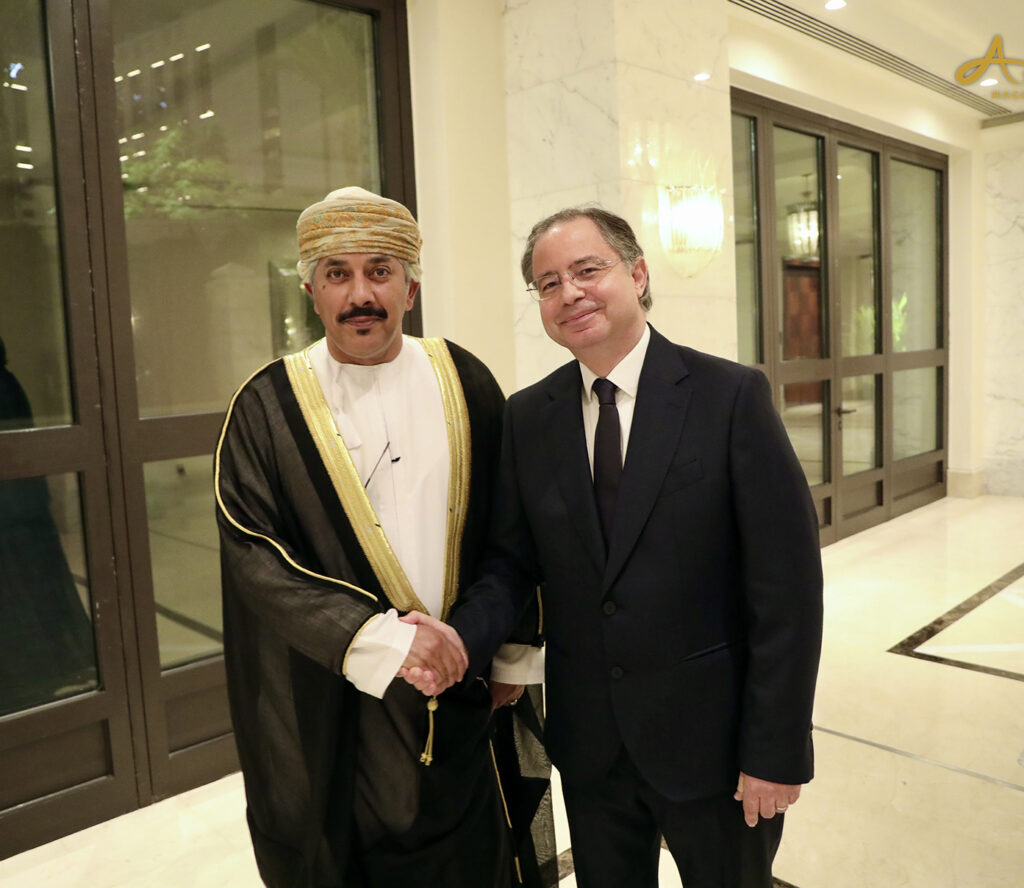
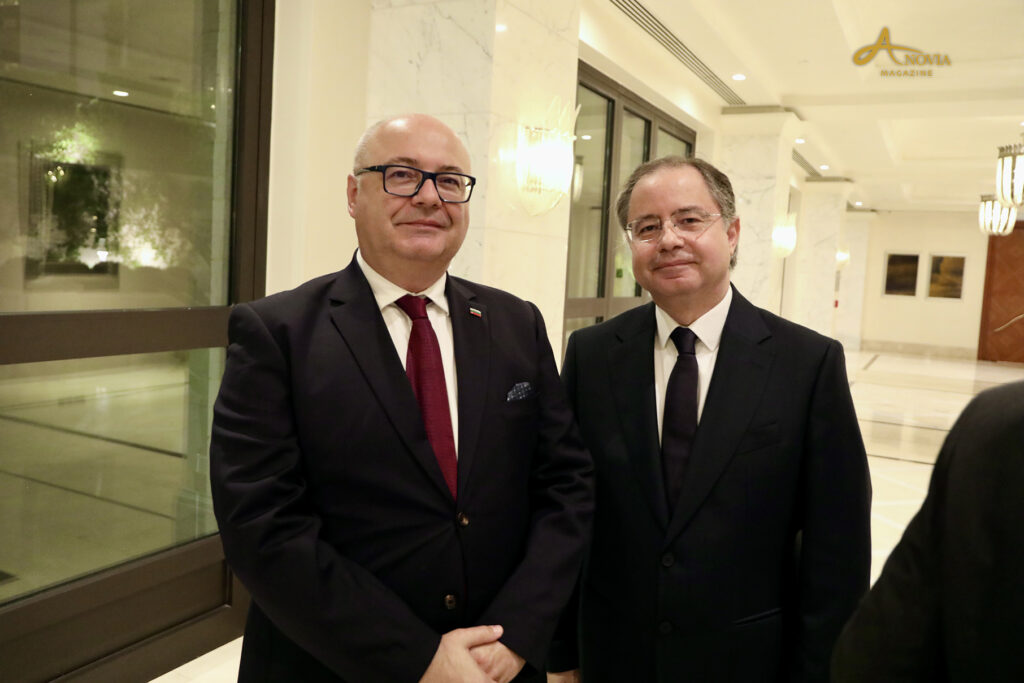
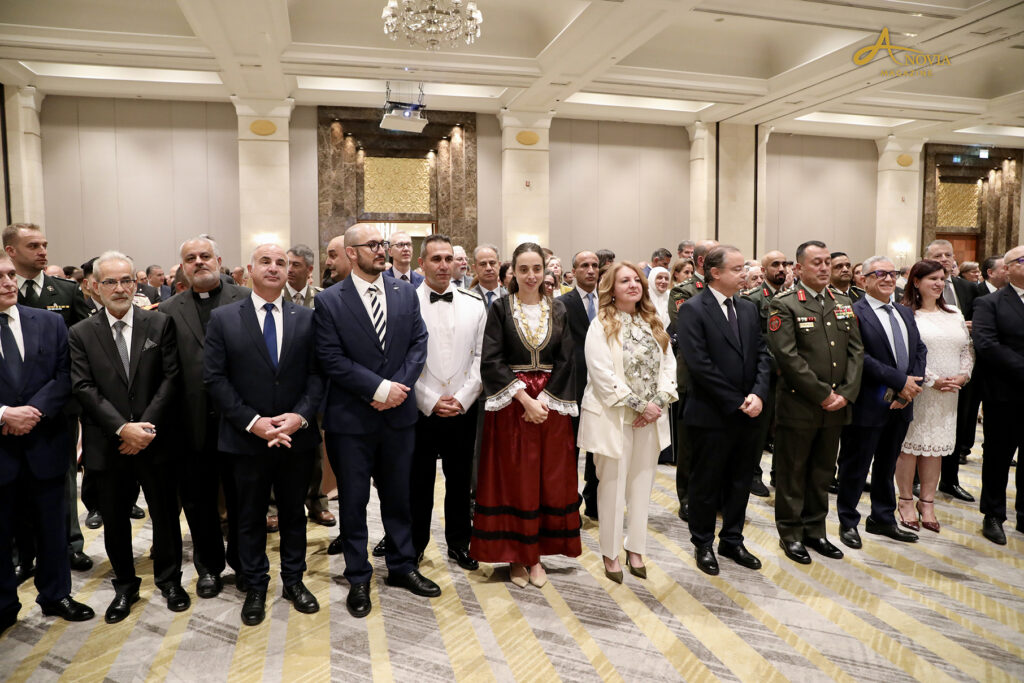
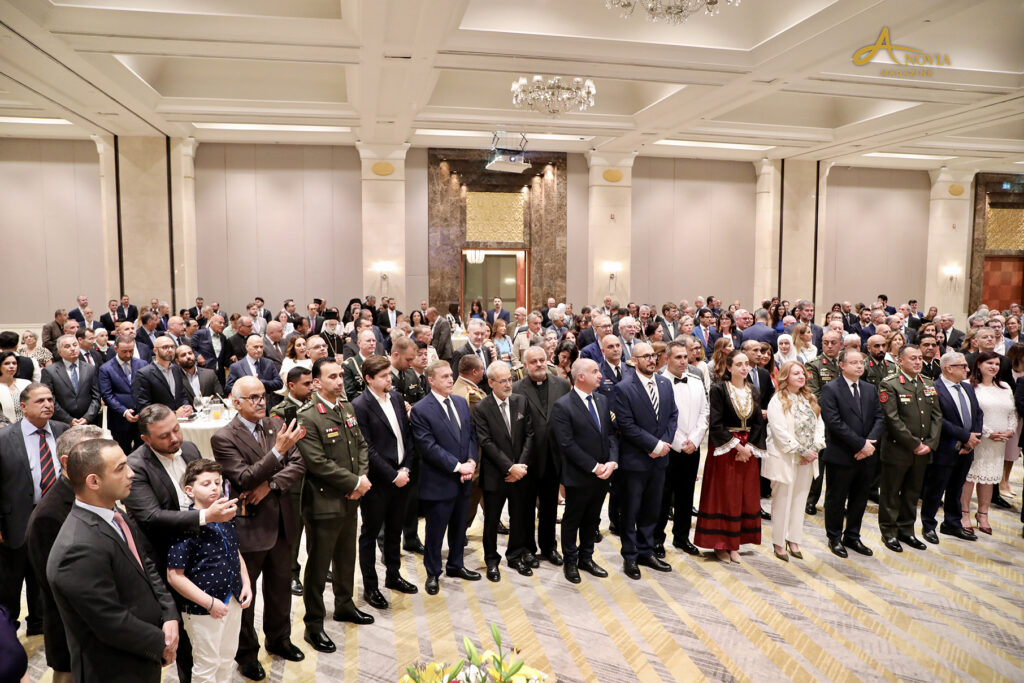
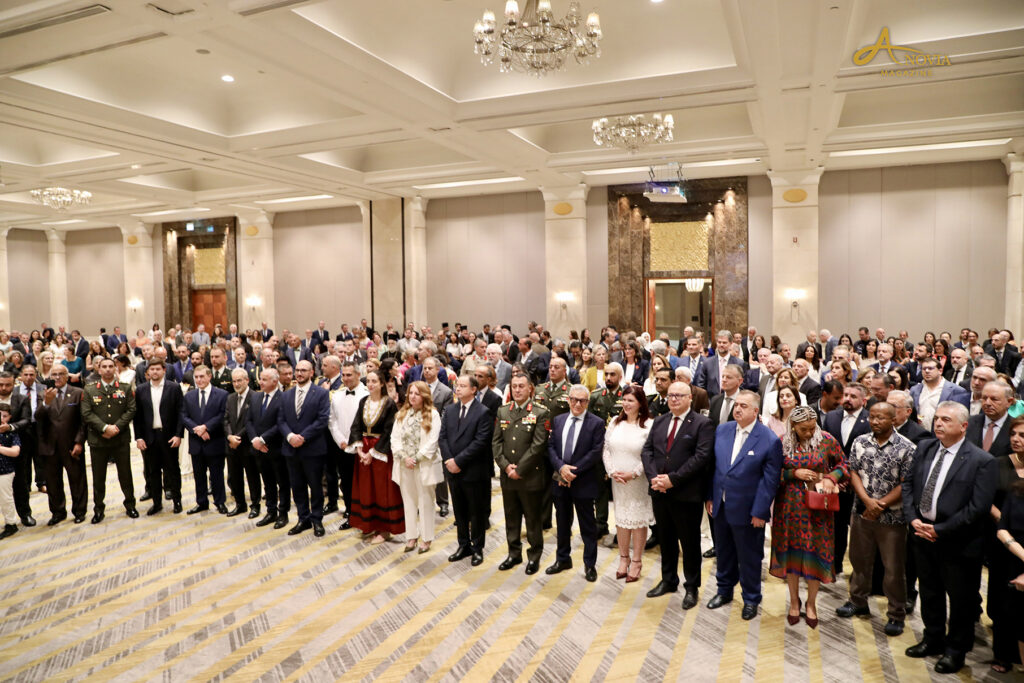
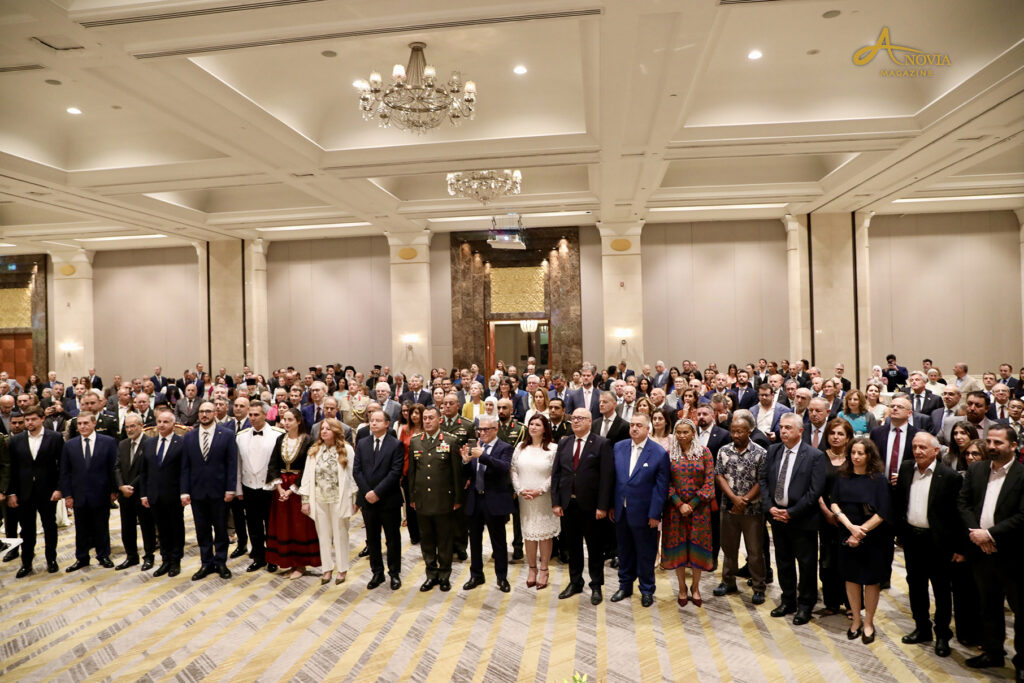
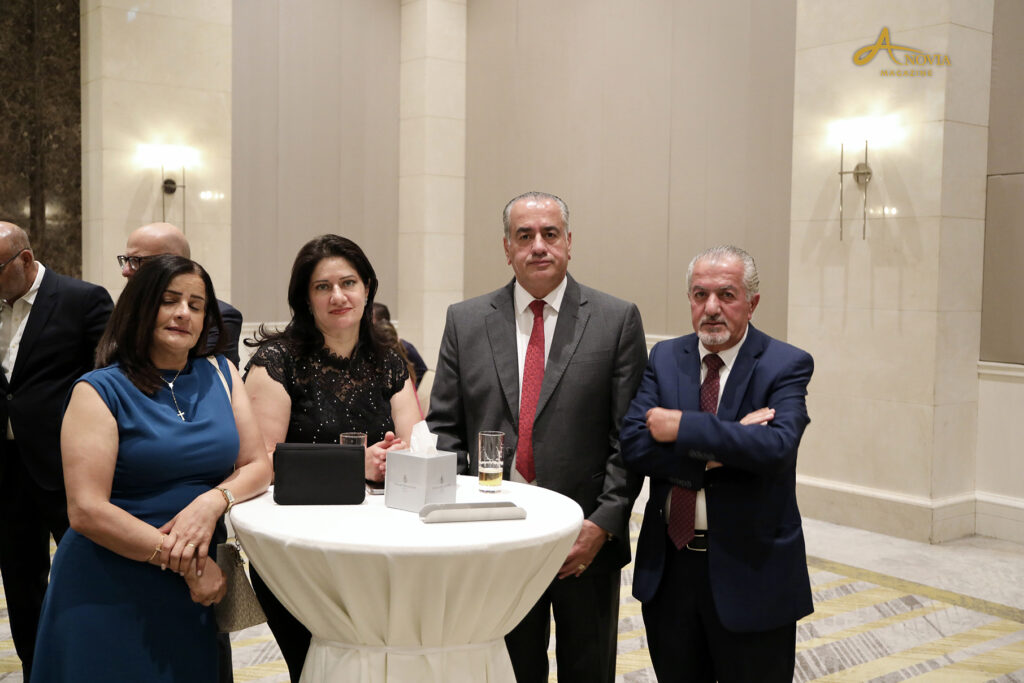
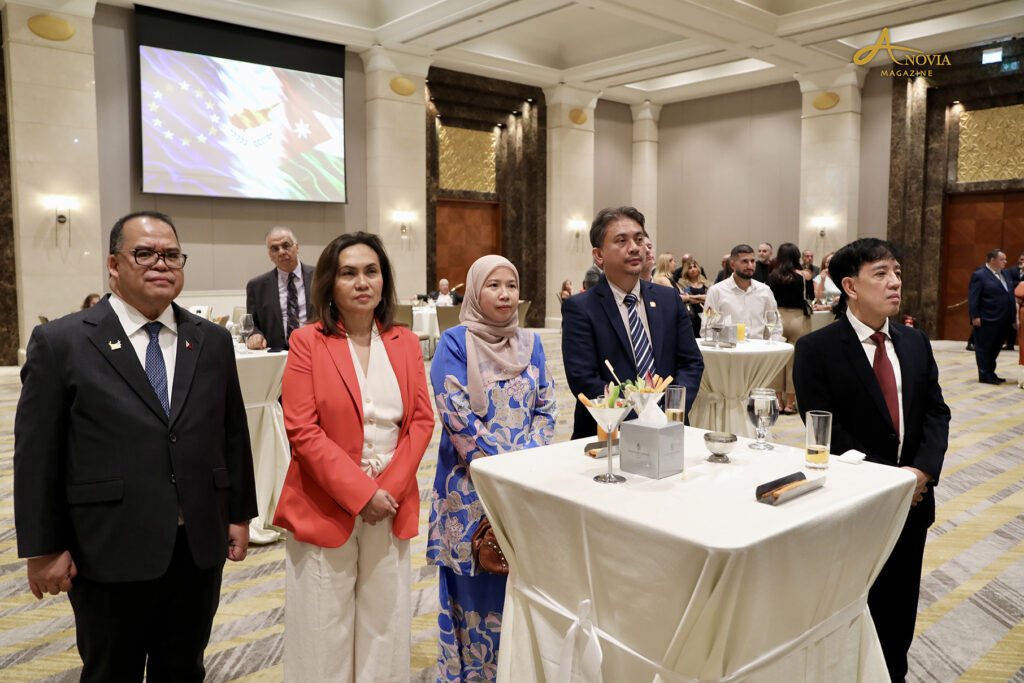
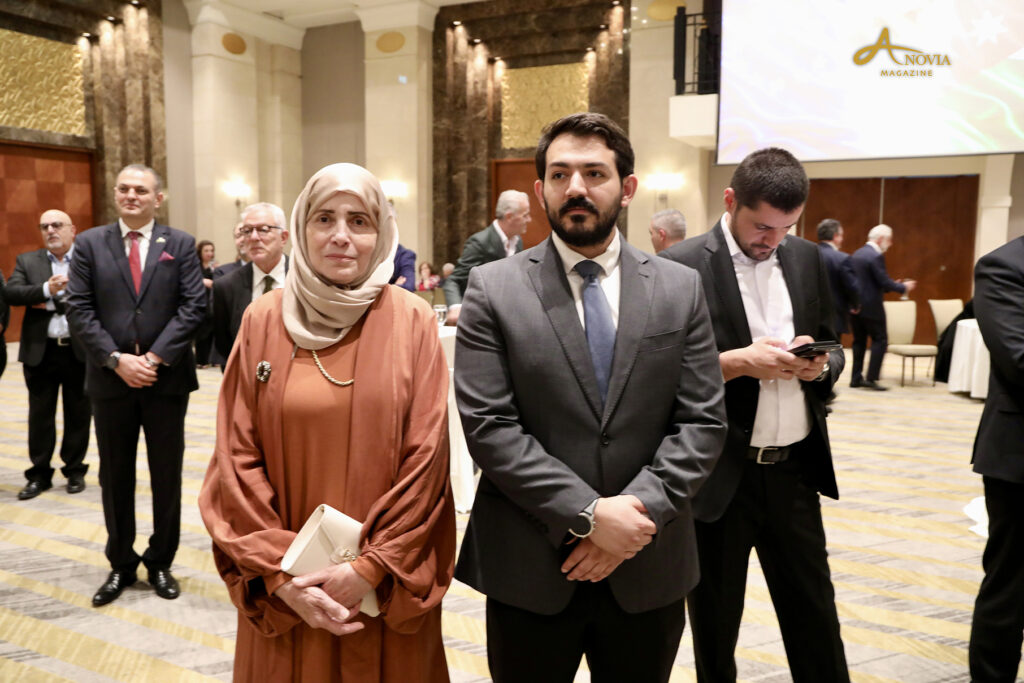
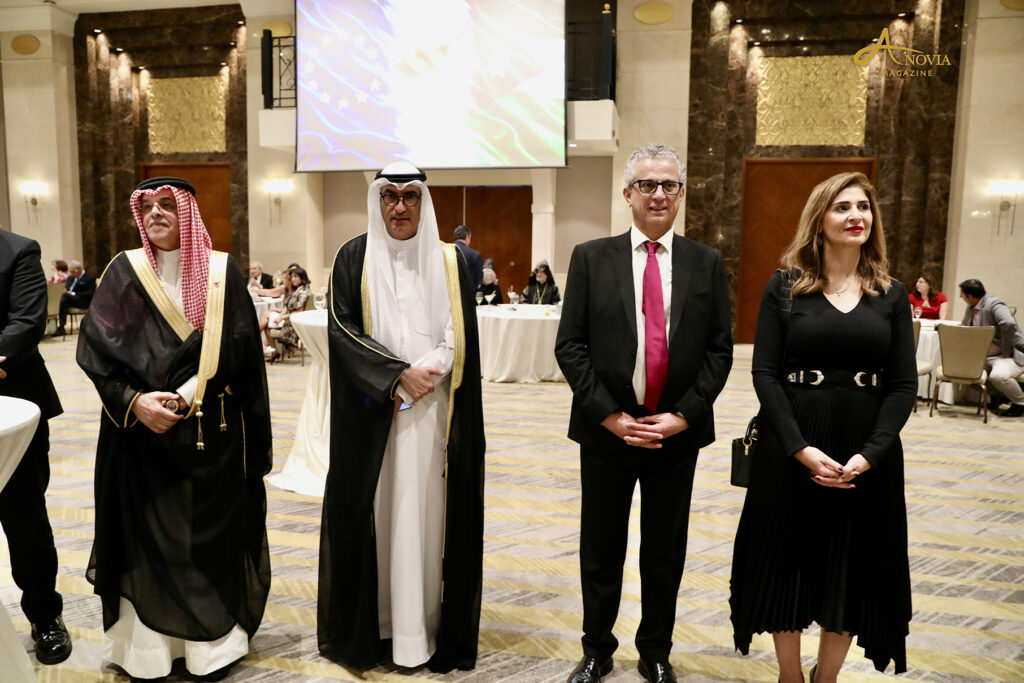
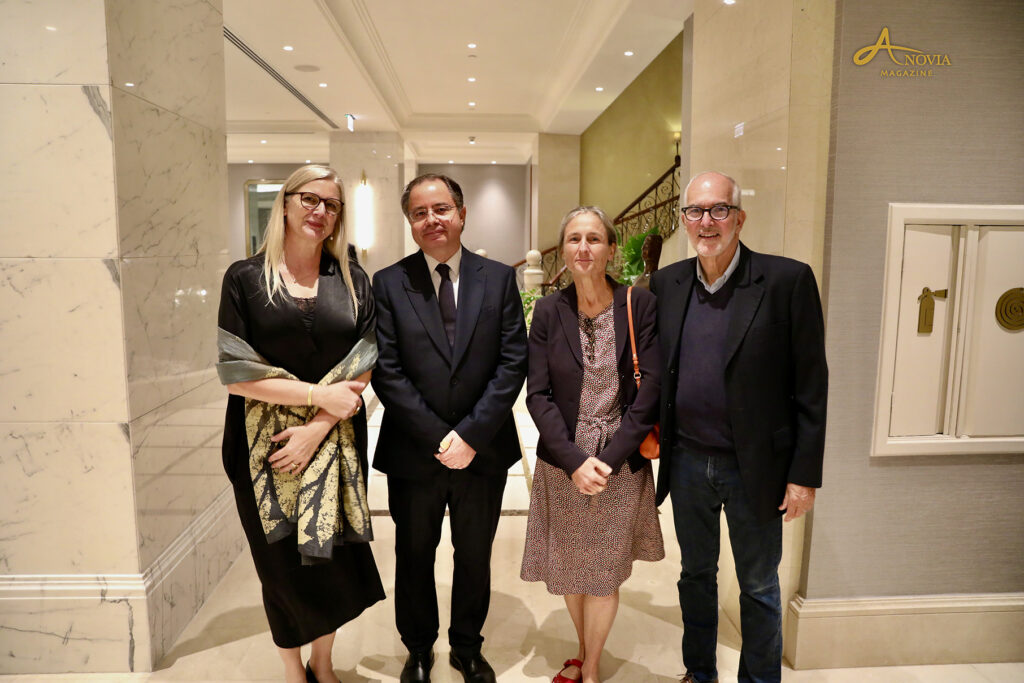
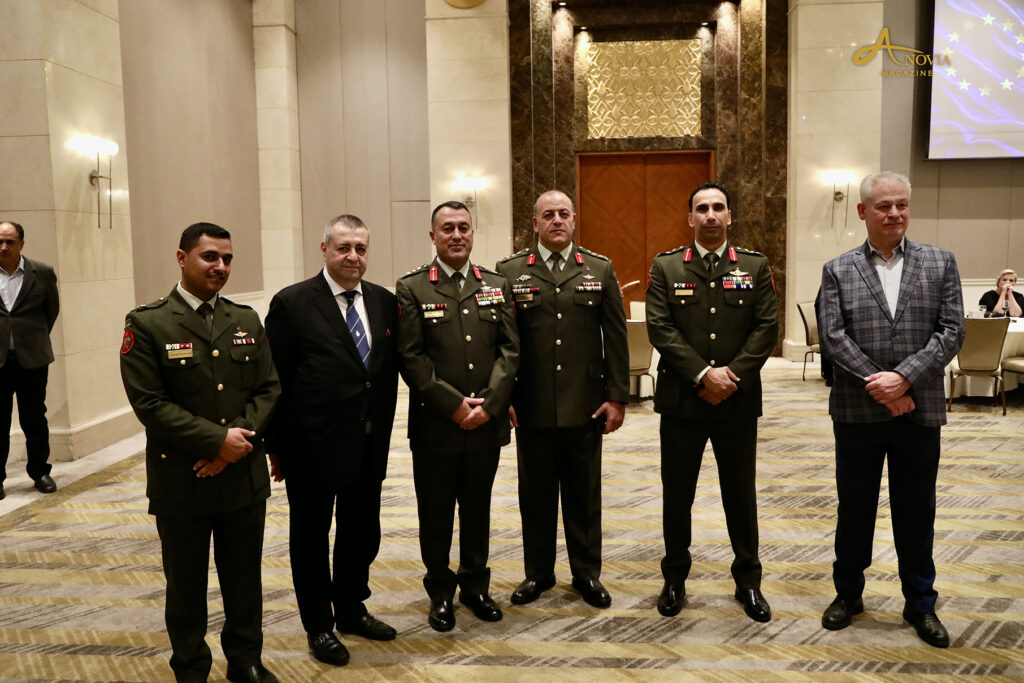
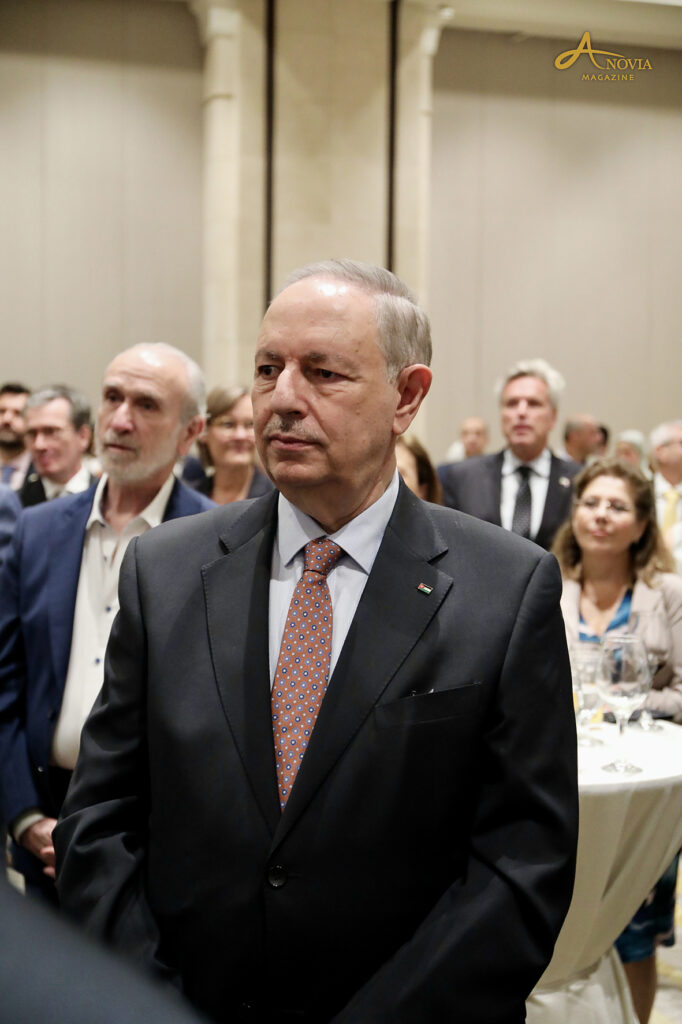
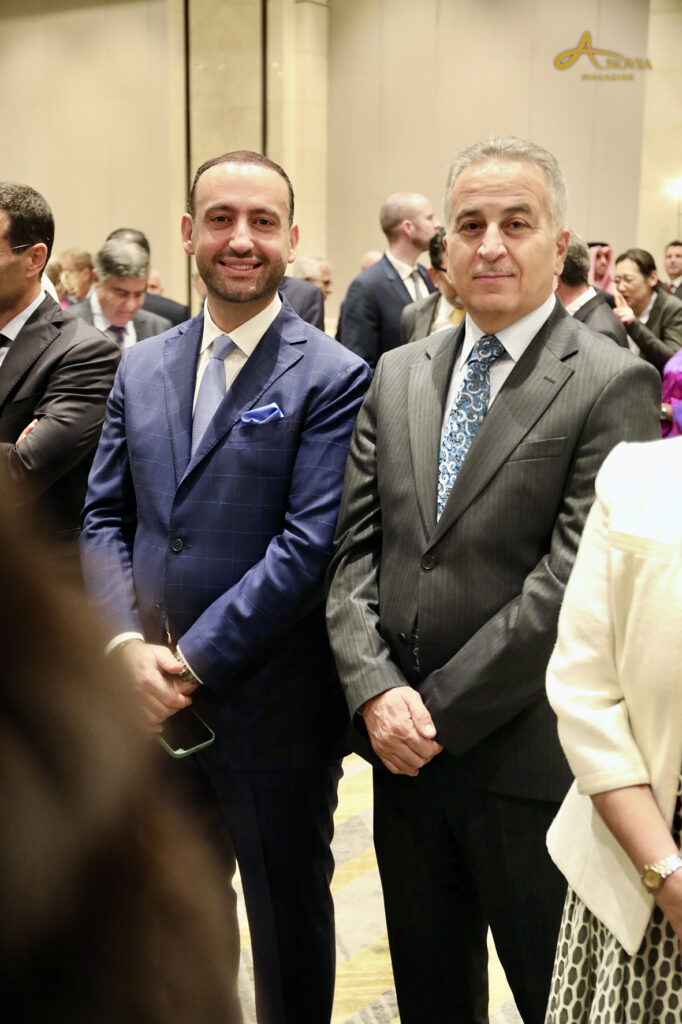
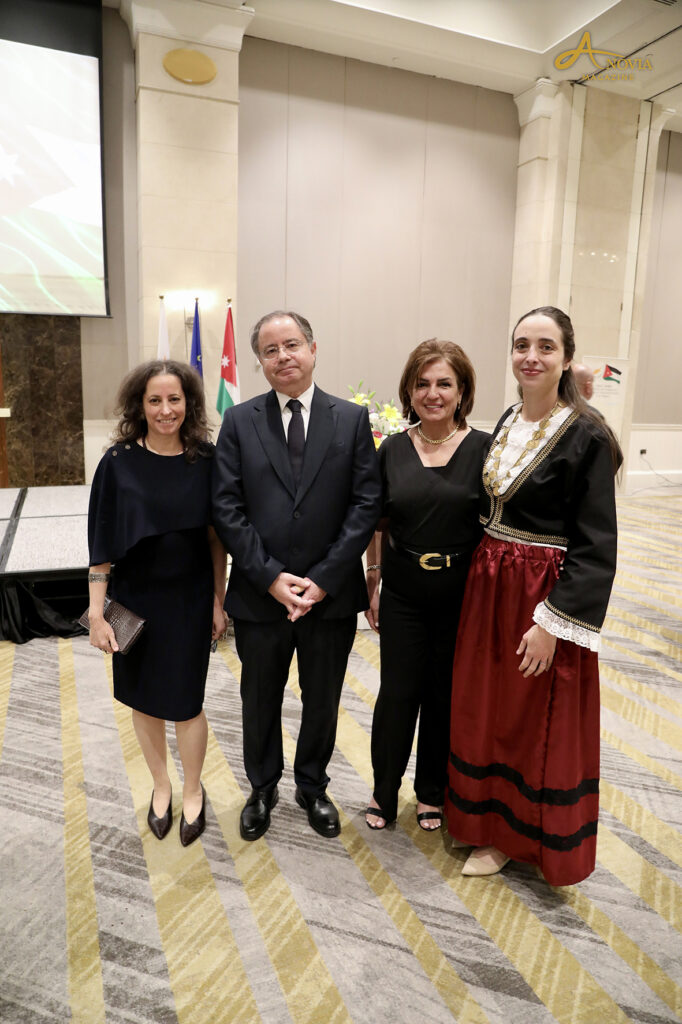
The celebration was attended by Minister of State for Foreign Affairs Nancy Namrouqa, ambassadors, members of the diplomatic corps and invited guests.
Addressing the prevailing geopolitical tensions, Avedissian expressed concern that regional and international conditions had worsened over the past year, with military power increasingly overshadowing the principles enshrined in the United Nations Charter.
“The international community’s response to these violations must be the same; it cannot be selective. We cannot condemn one case of aggression and turn a blind eye to another,” he stressed.
The ambassador drew particular attention to His Majesty King Abdullah II’s recent address to the 81st United Nations General Assembly, highlighting the King’s messages concerning Gaza, the West Bank, justice and the limitations of military force, and emphasising that these principles carry universal relevance and should guide international responses to conflicts worldwide.
Reflecting on his country’s history, Avedissian recalled that Cyprus has remained divided since 1974, with the consequences of the conflict continuing to affect displaced families, missing persons, cultural heritage and property rights.
He reaffirmed Cyprus’s commitment to a viable settlement based on relevant UN Security Council resolutions, leading to the reunification of the island and an end to foreign military occupation.
Drawing a connection between the experiences of Cypriots and Palestinians, he said that “Cypriots are in a position to truly understand the plight of the Palestinian people. We too know and feel the intense pain of loss.”
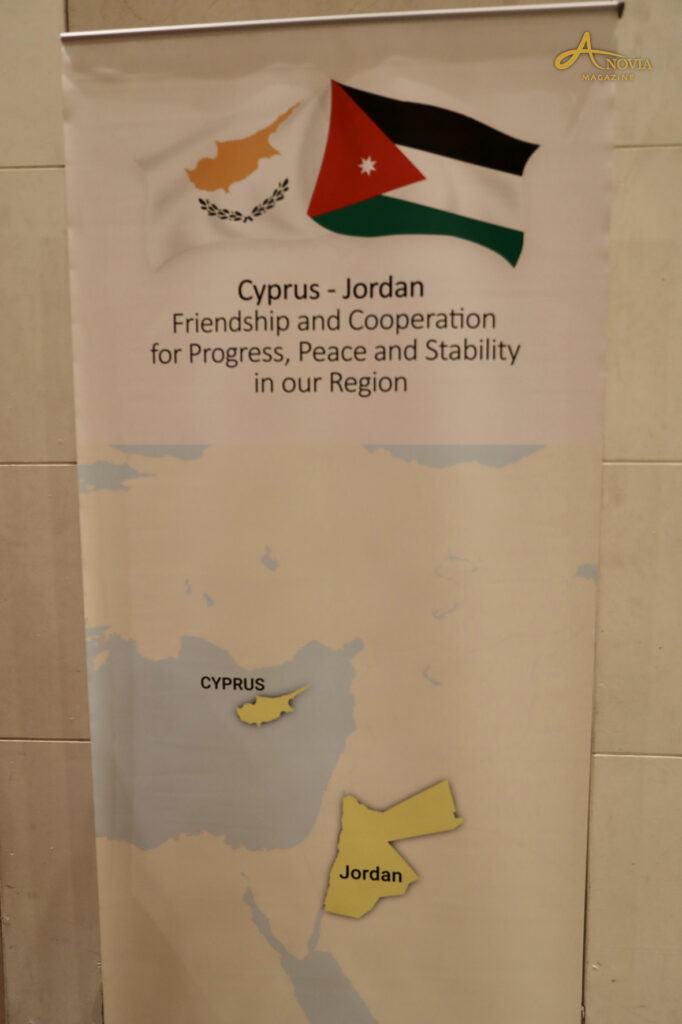
Despite these challenges, Avedissian emphasised the significance of celebrating Cyprus’s independence in Amman, acknowledging the excellent relations between Cyprus and Jordan across various sectors.
He also addressed the growing influence of artificial intelligence, recognising its potential to advance human progress while cautioning that its associated risks require effective oversight and regulation.
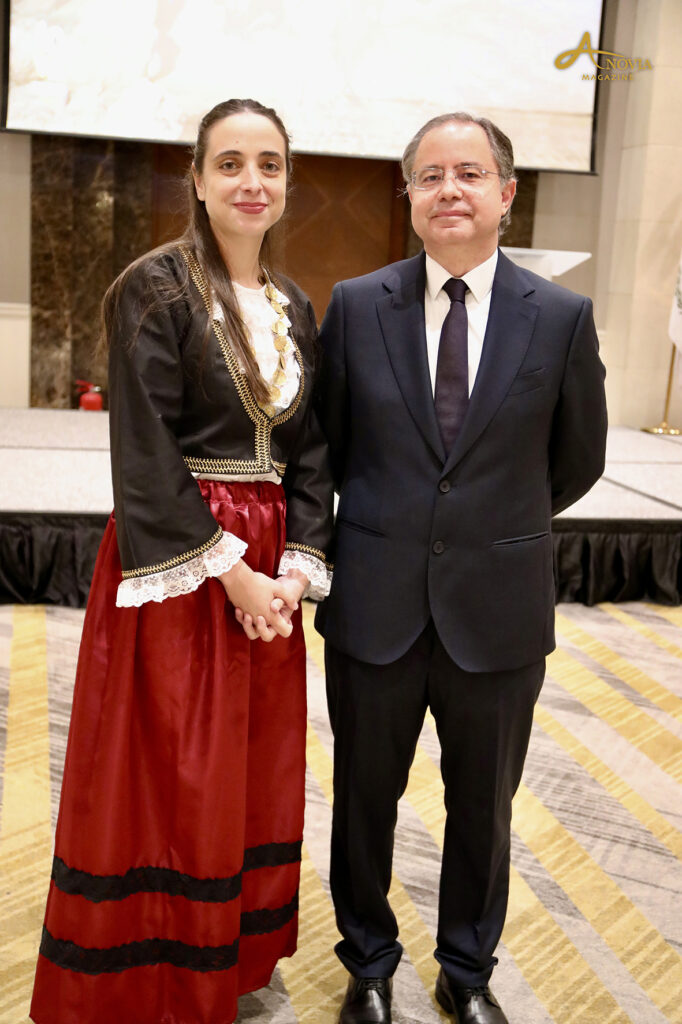
The evening concluded with a cultural programme celebrating Cypriot heritage and hospitality, reflecting the friendship and longstanding ties between the two countries.