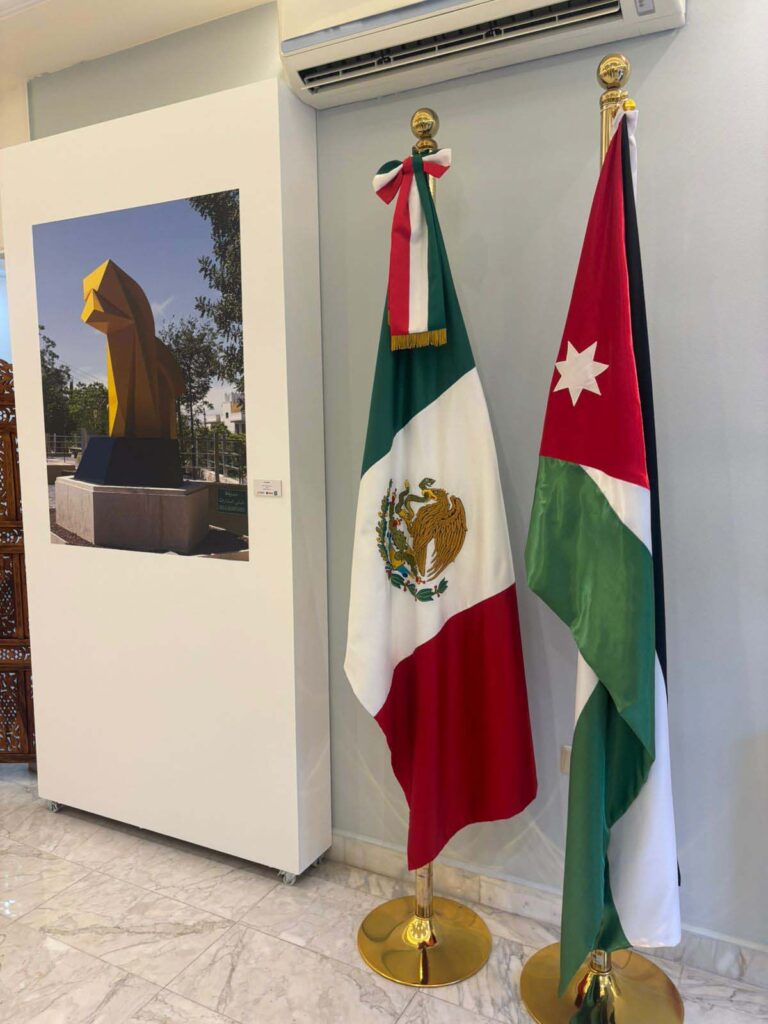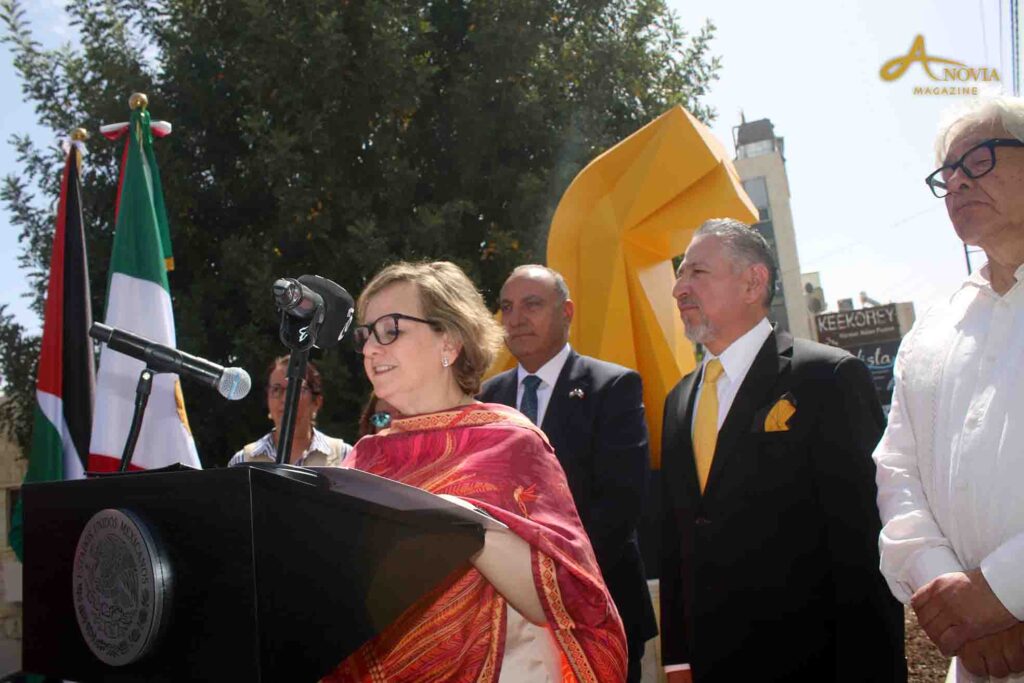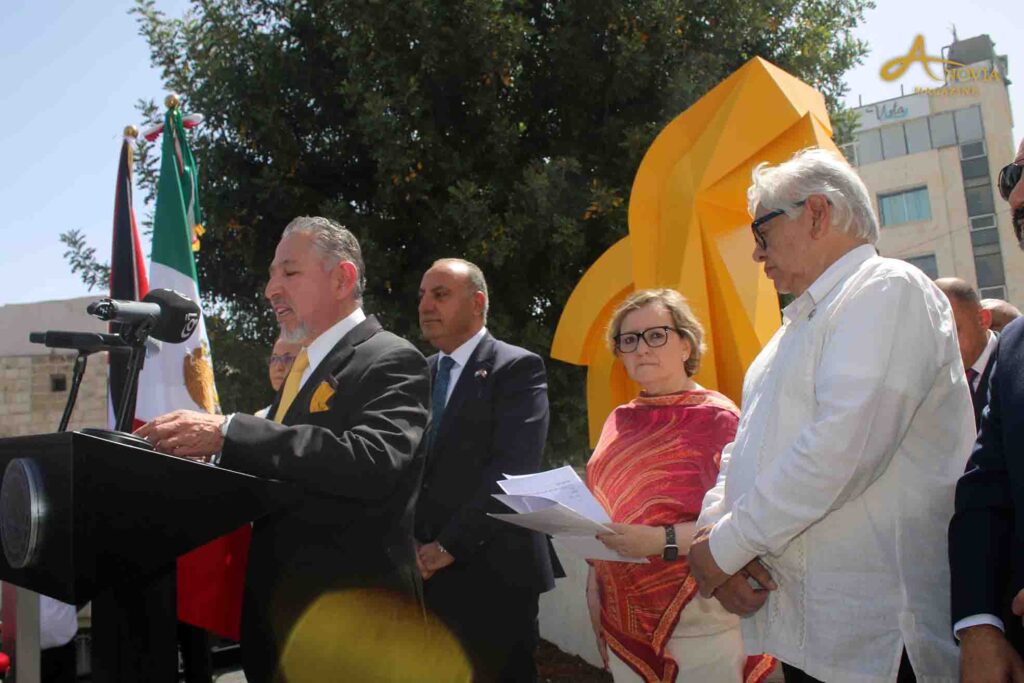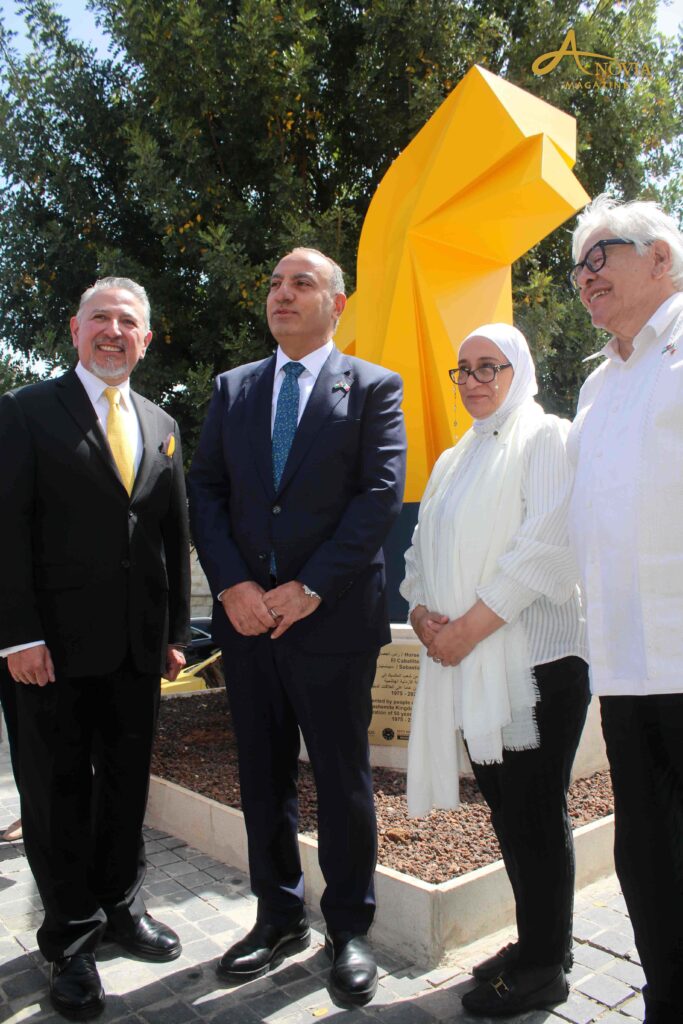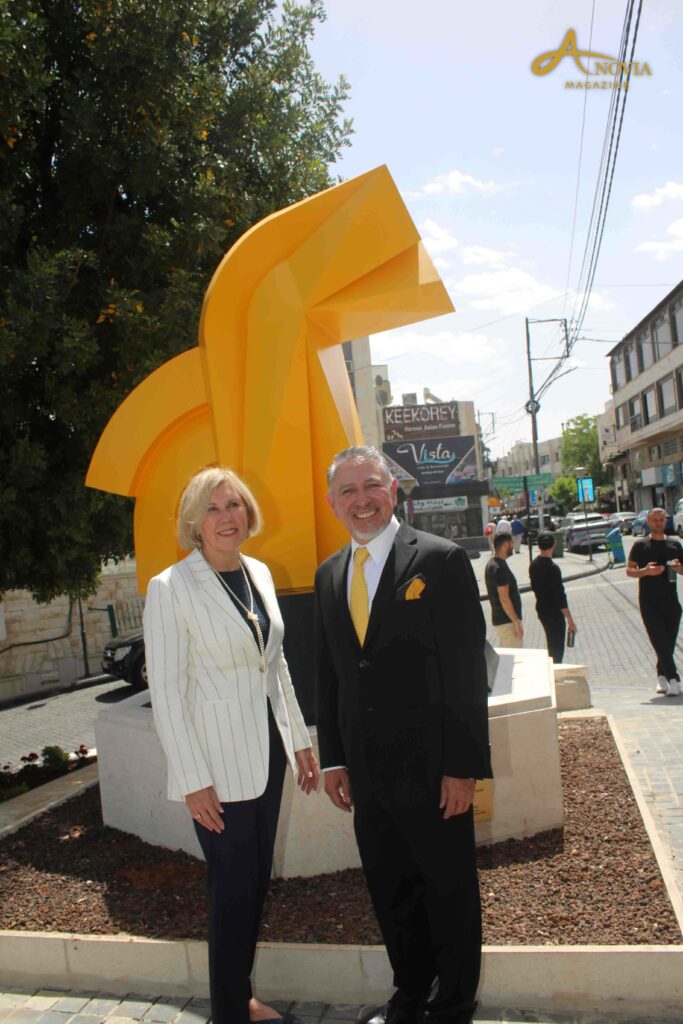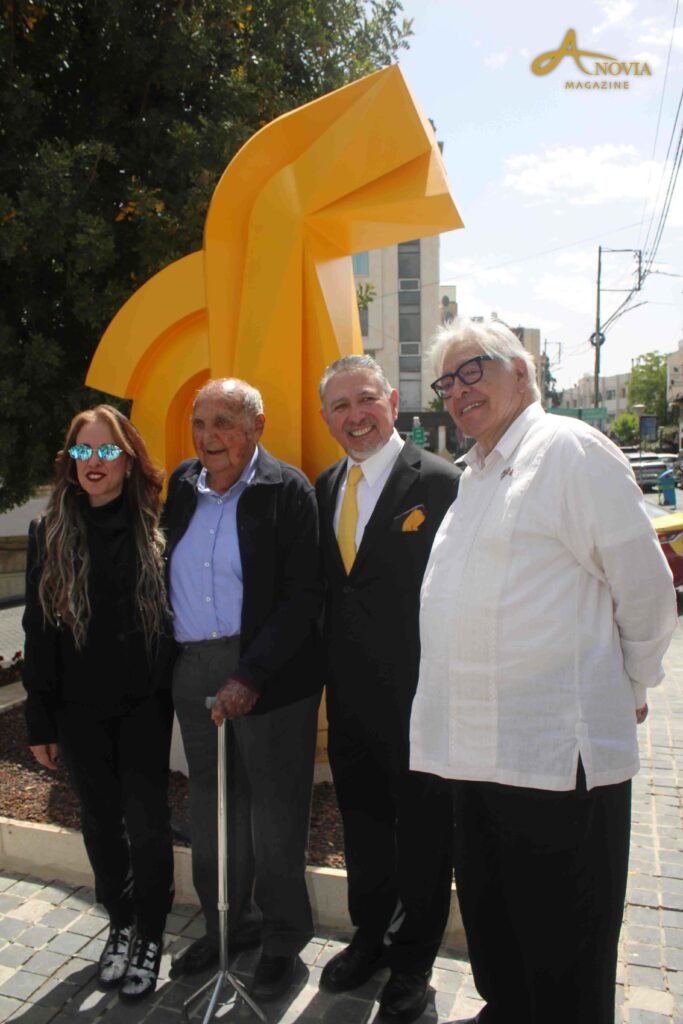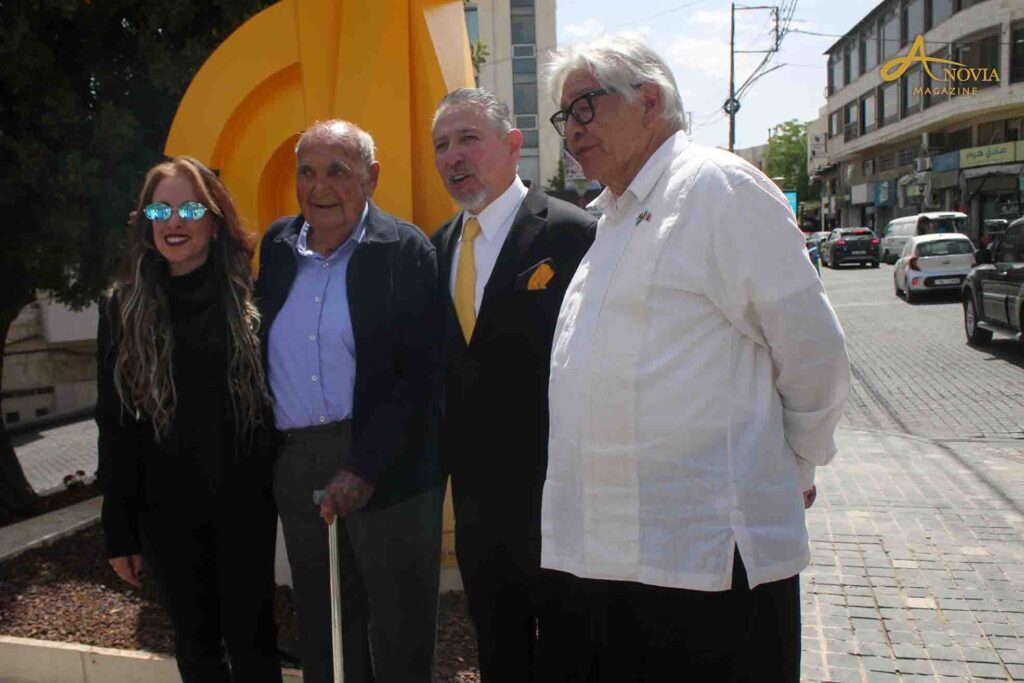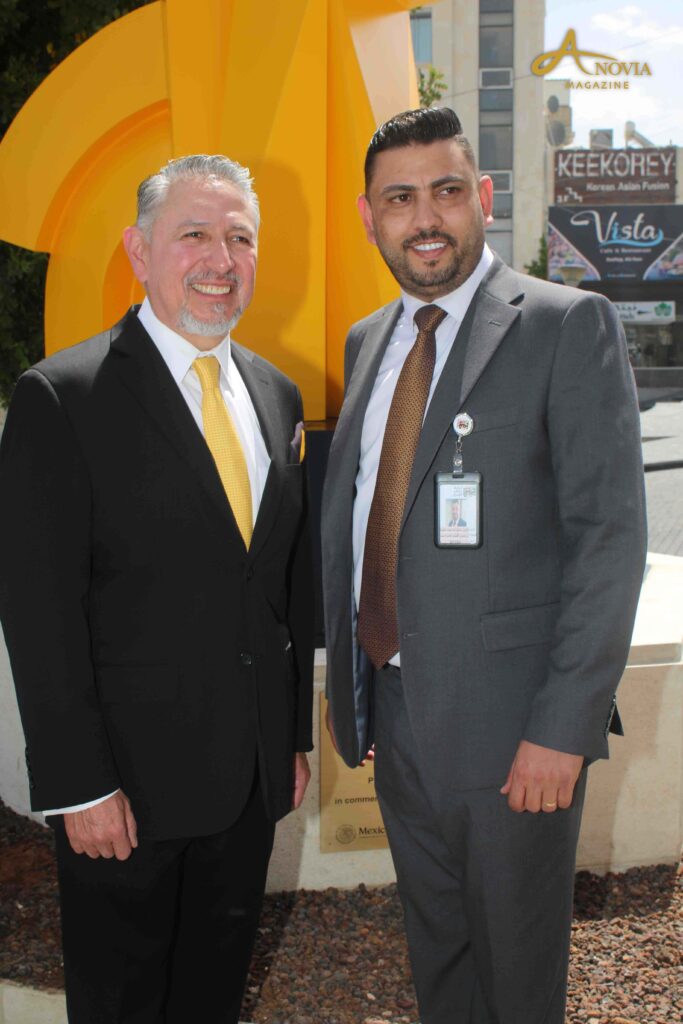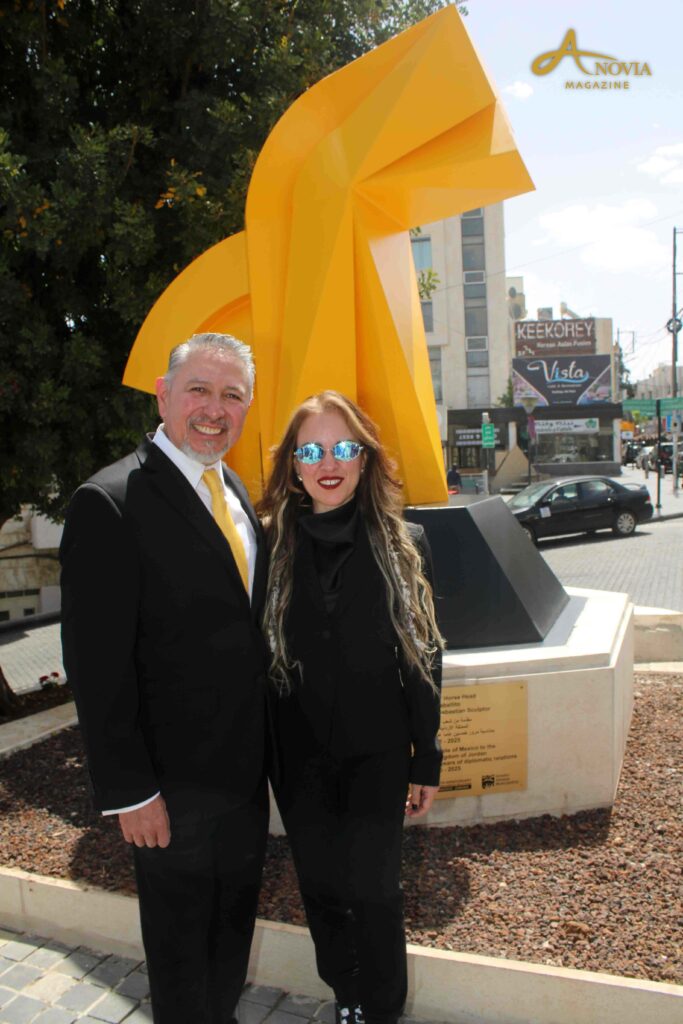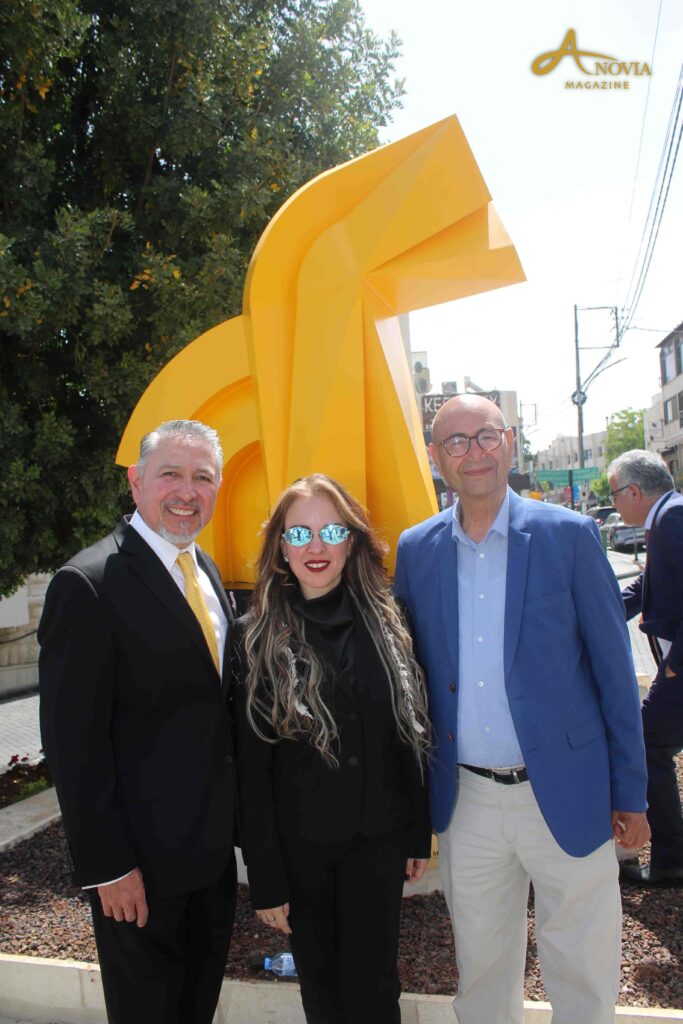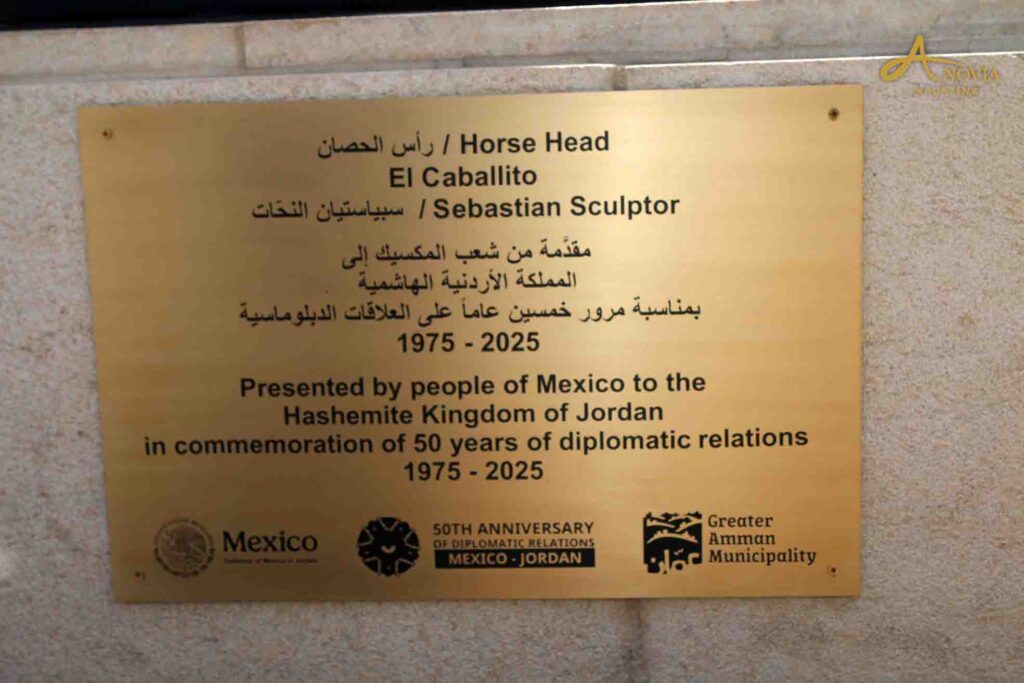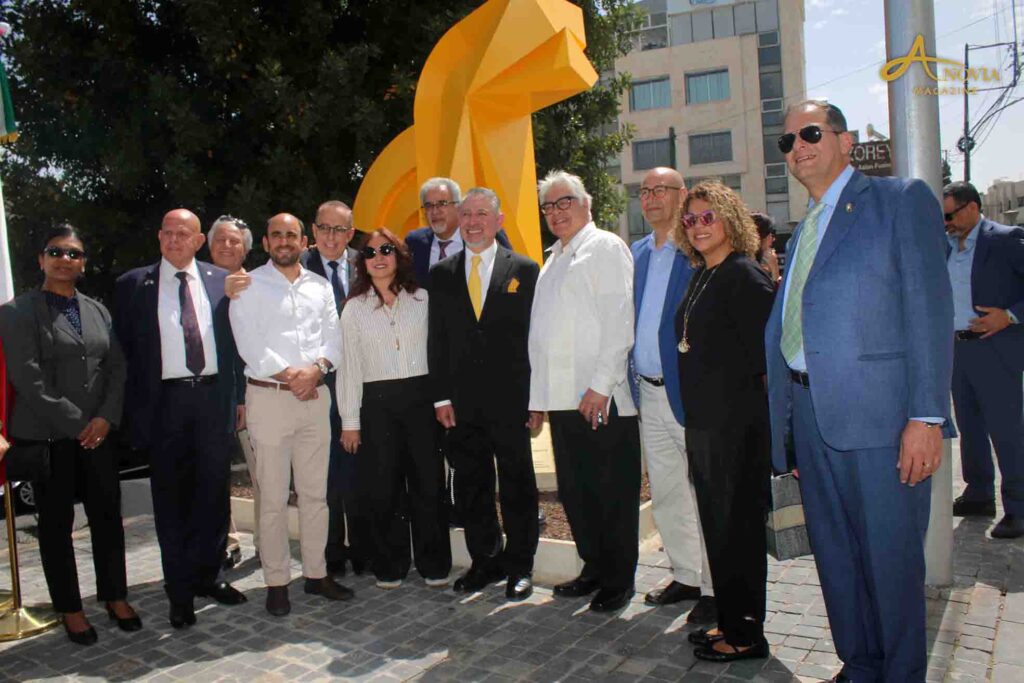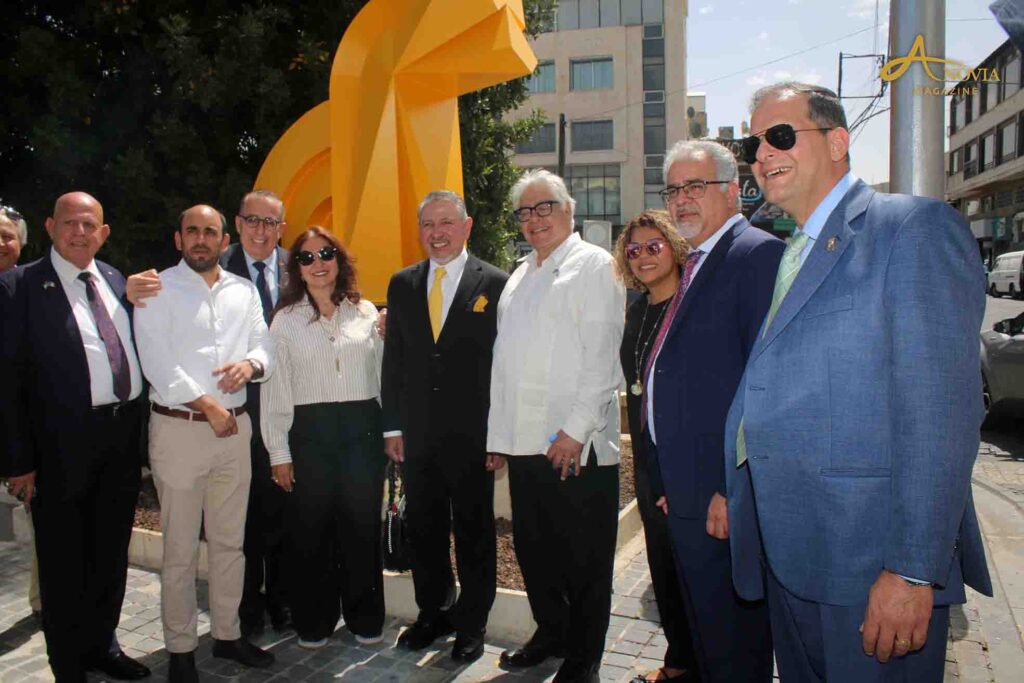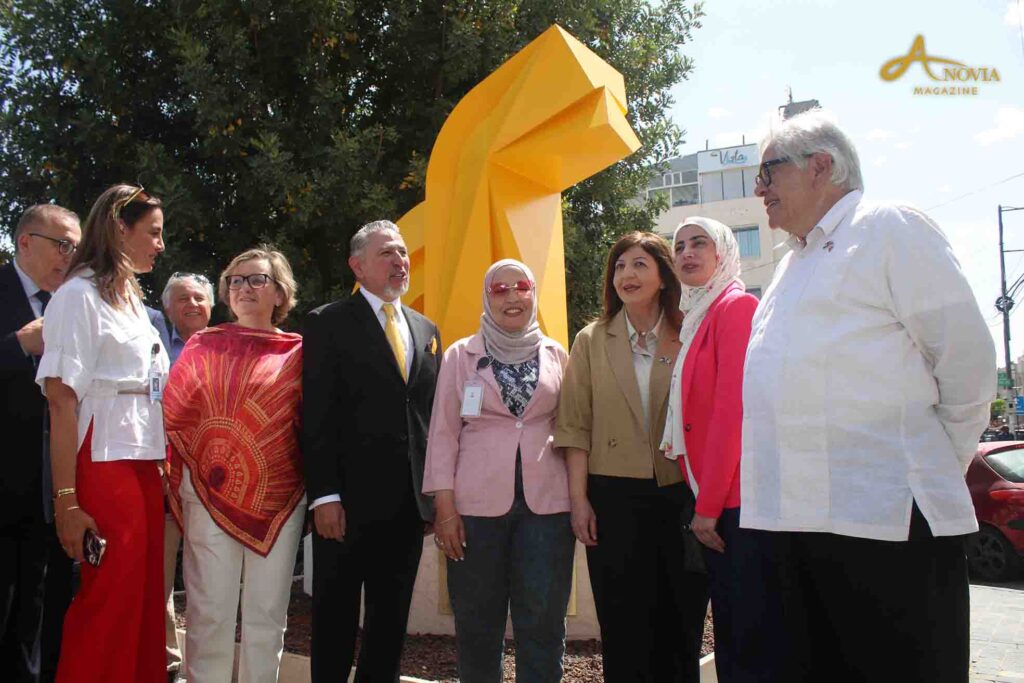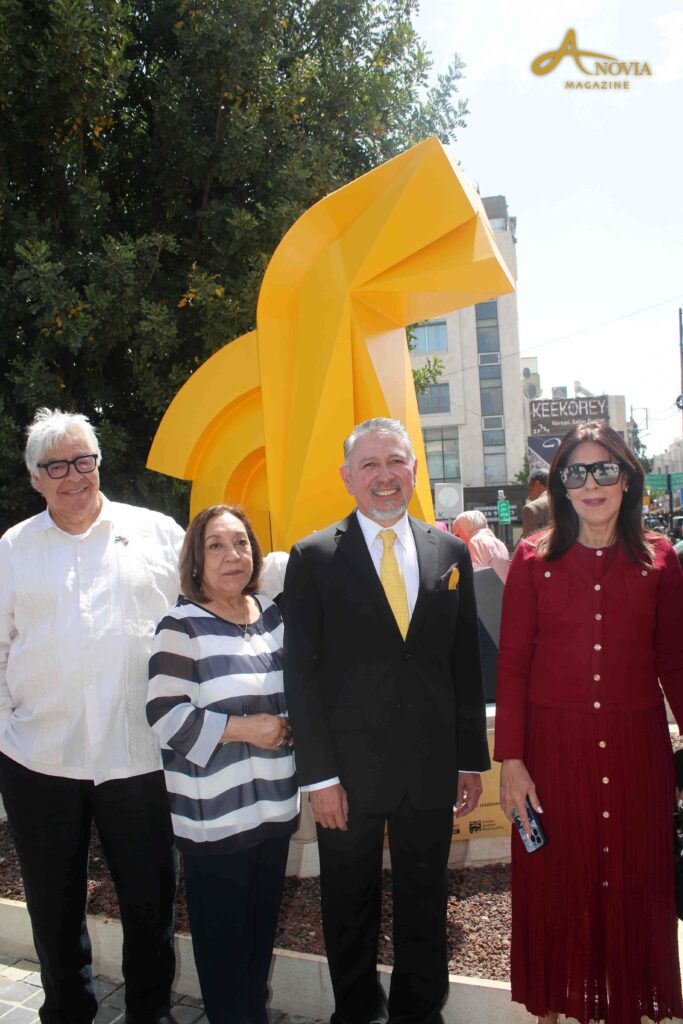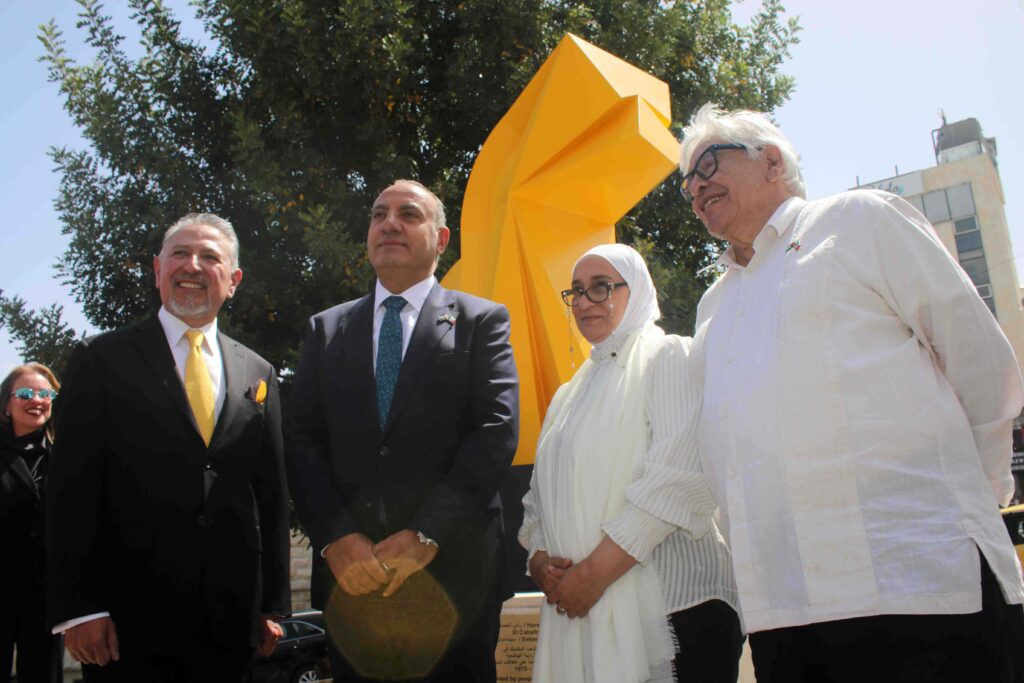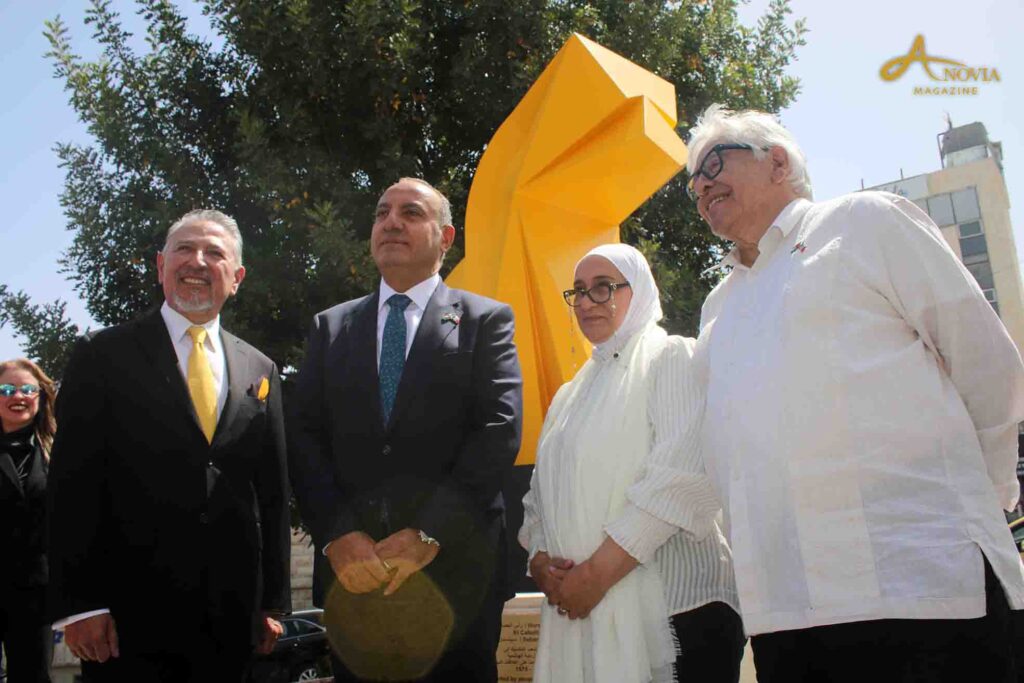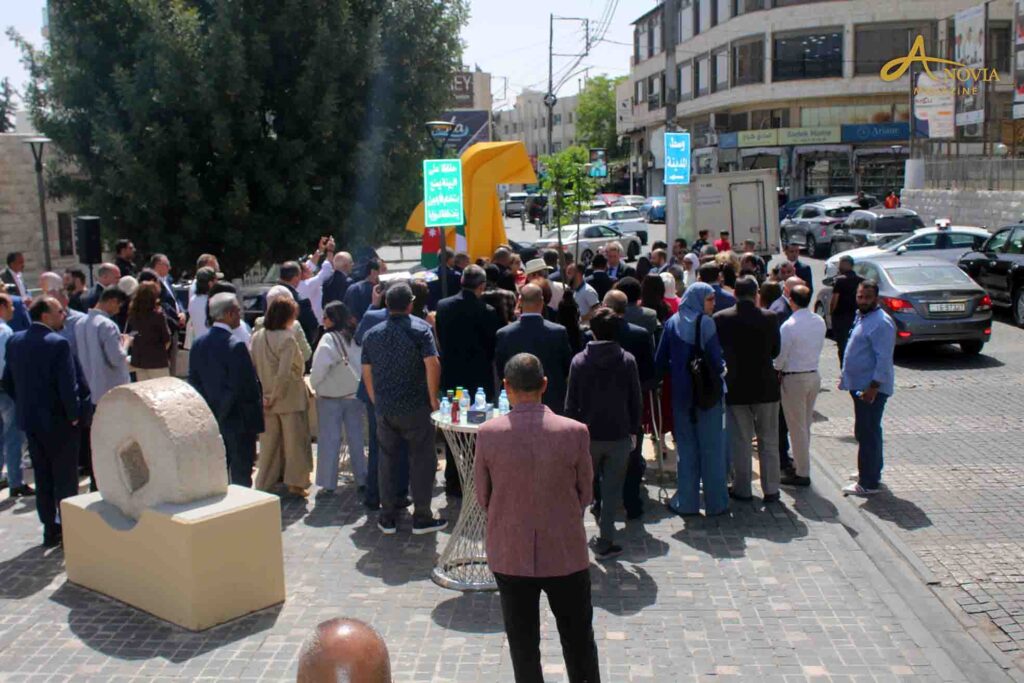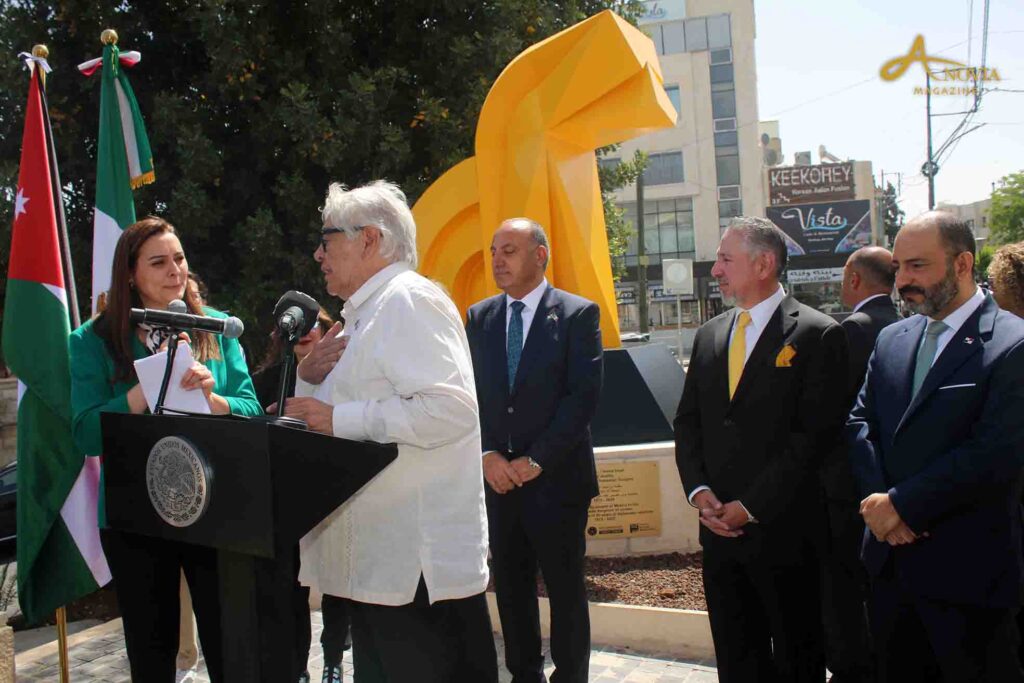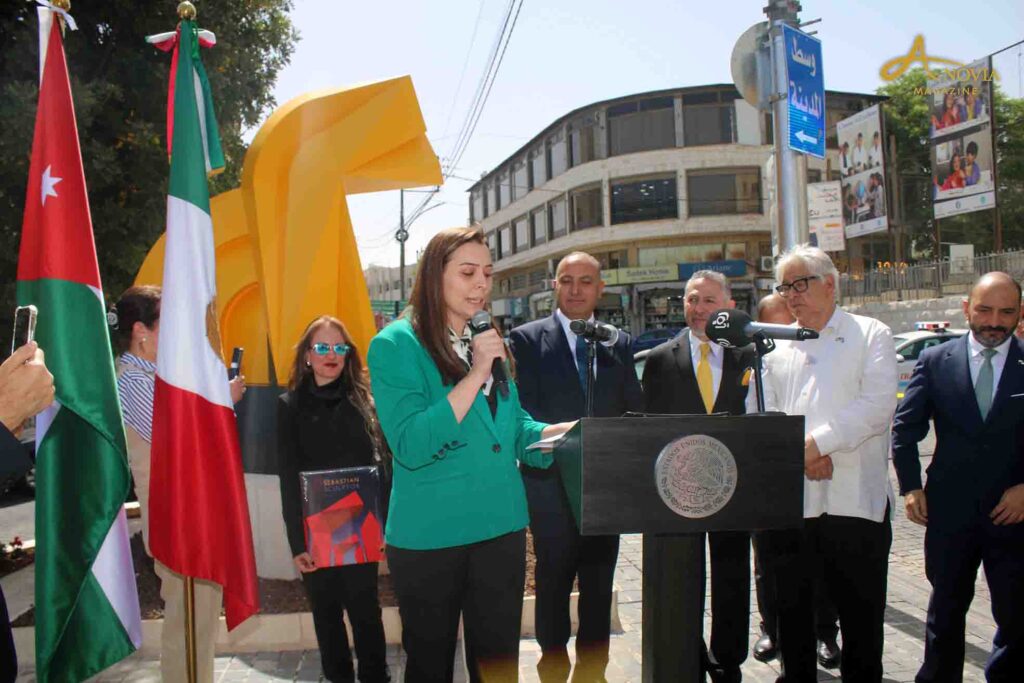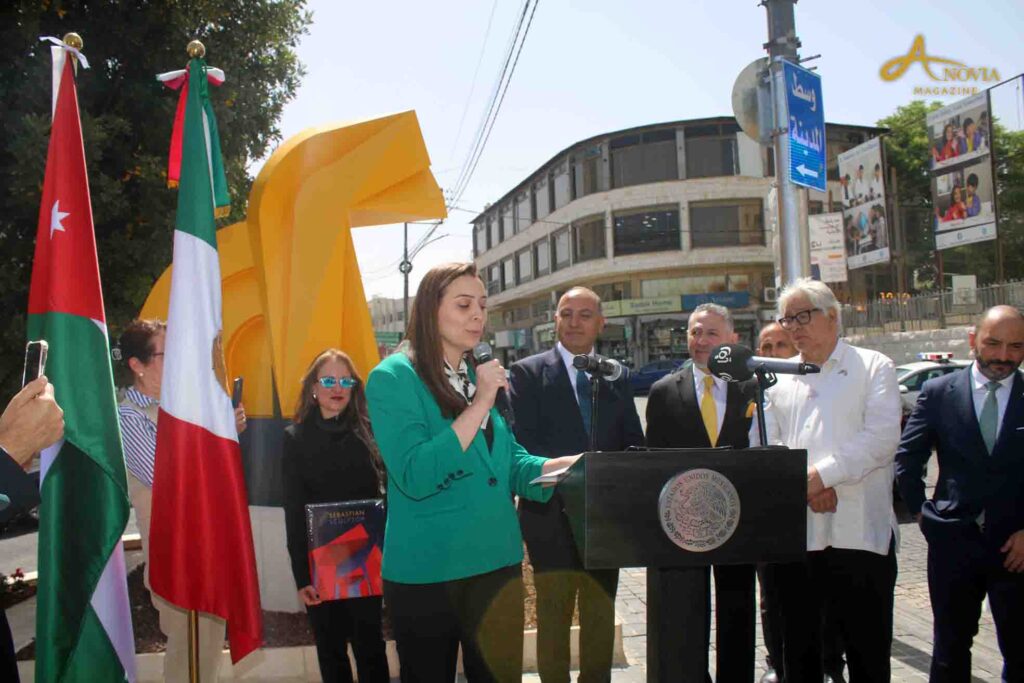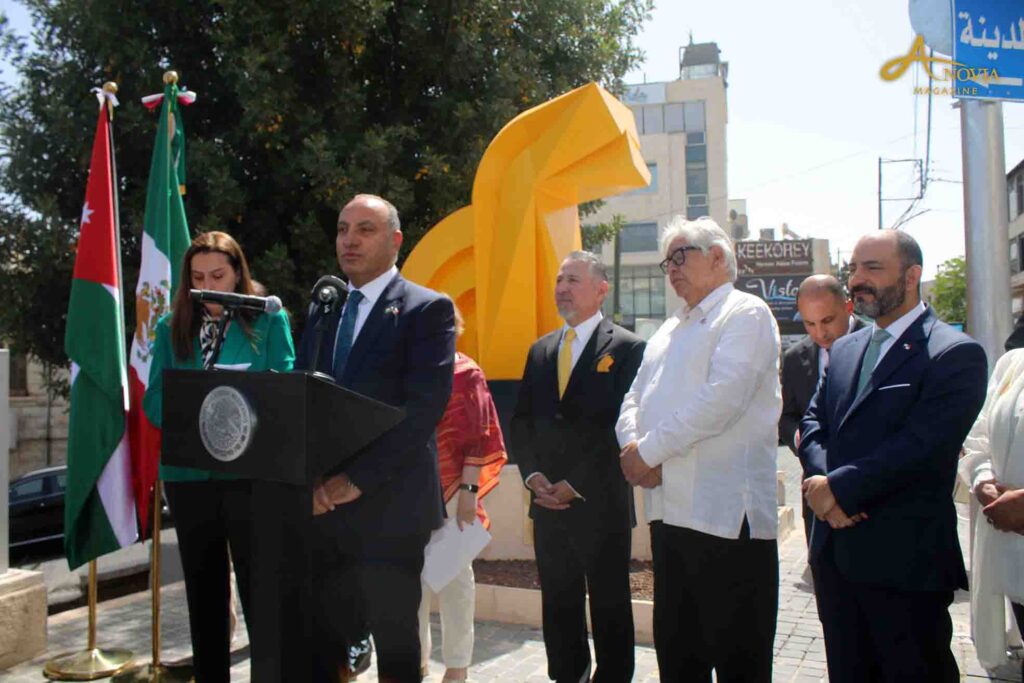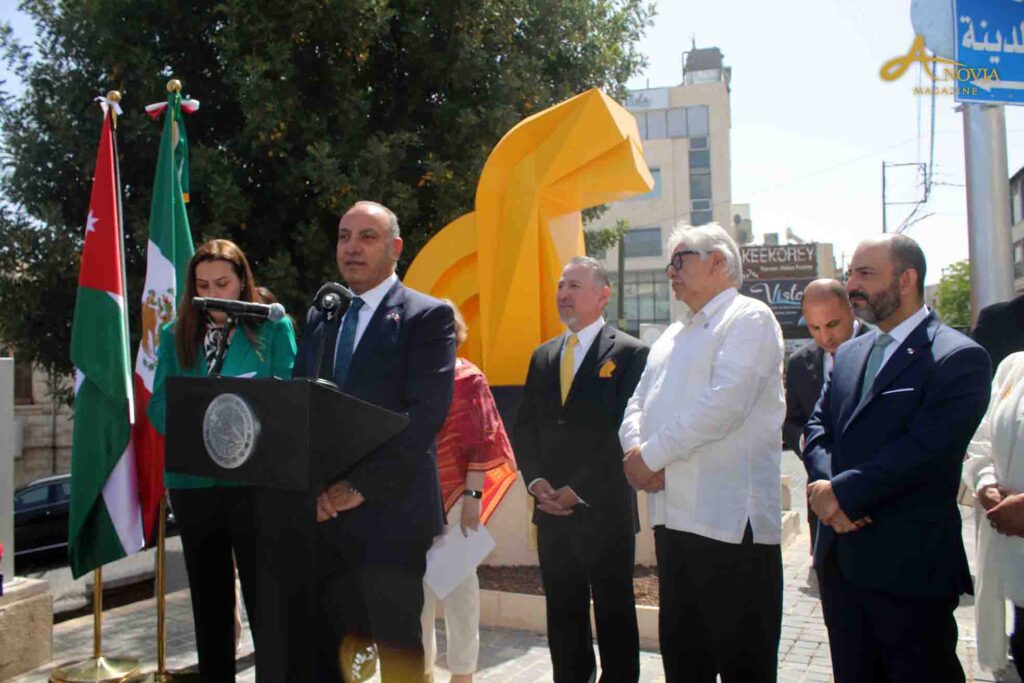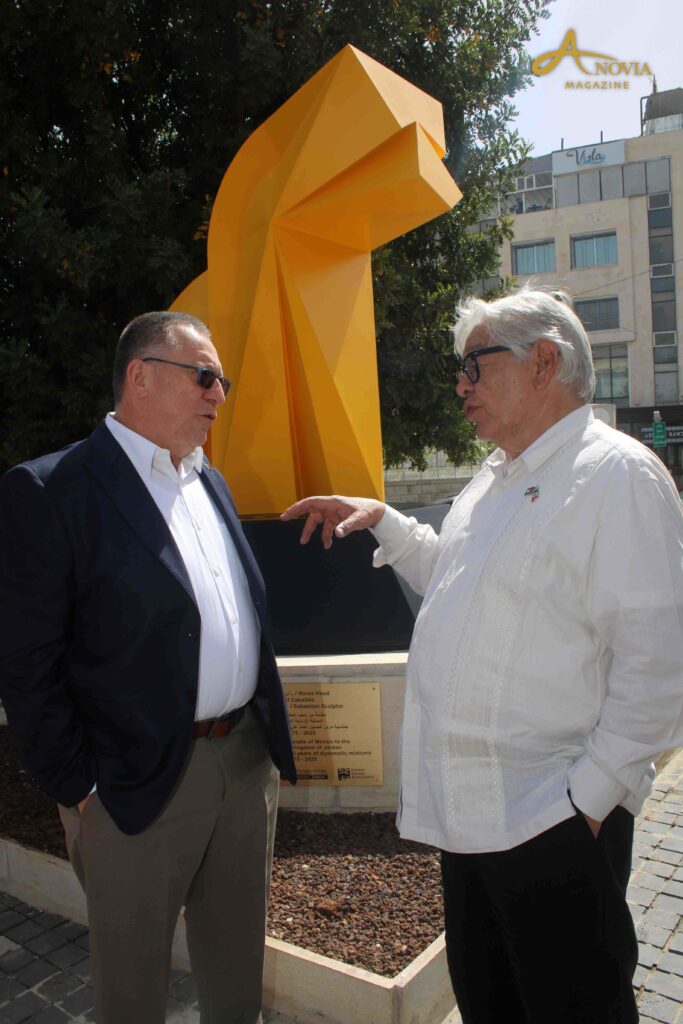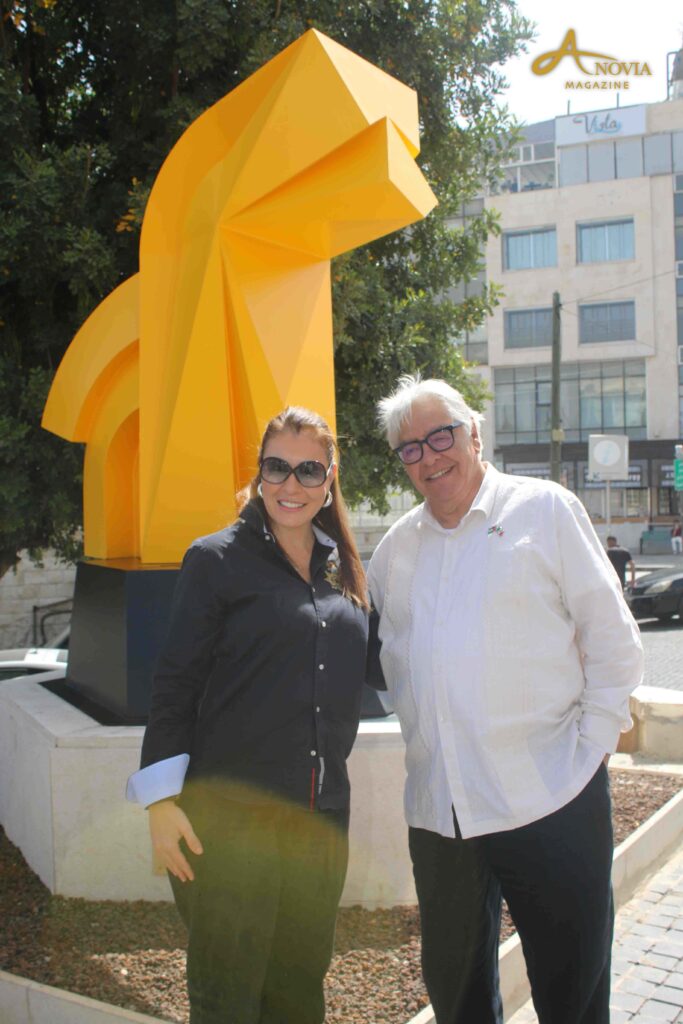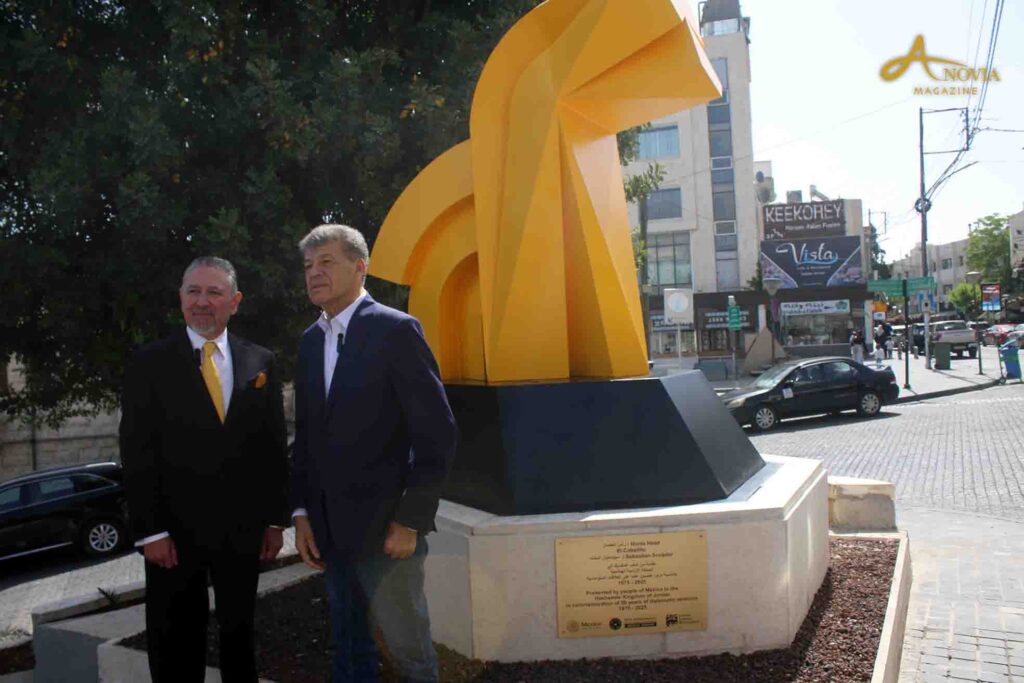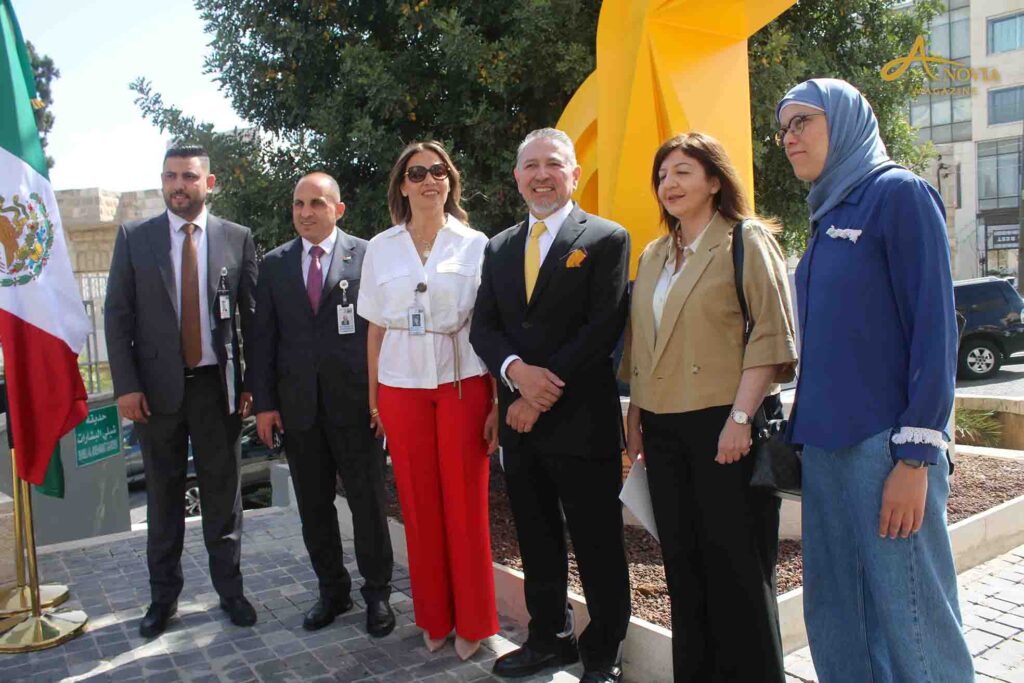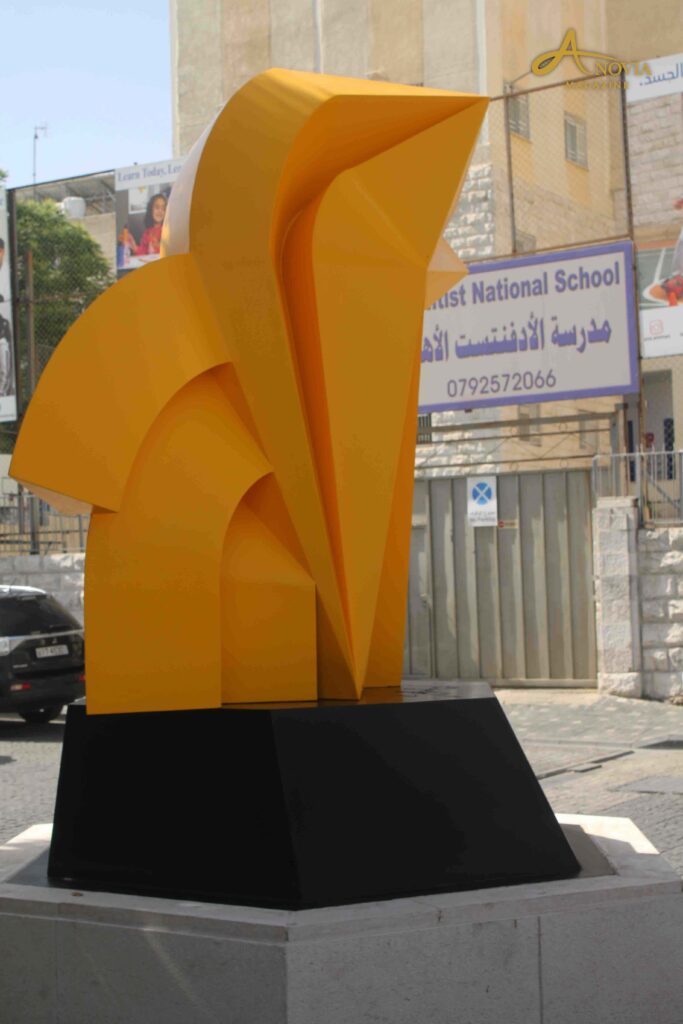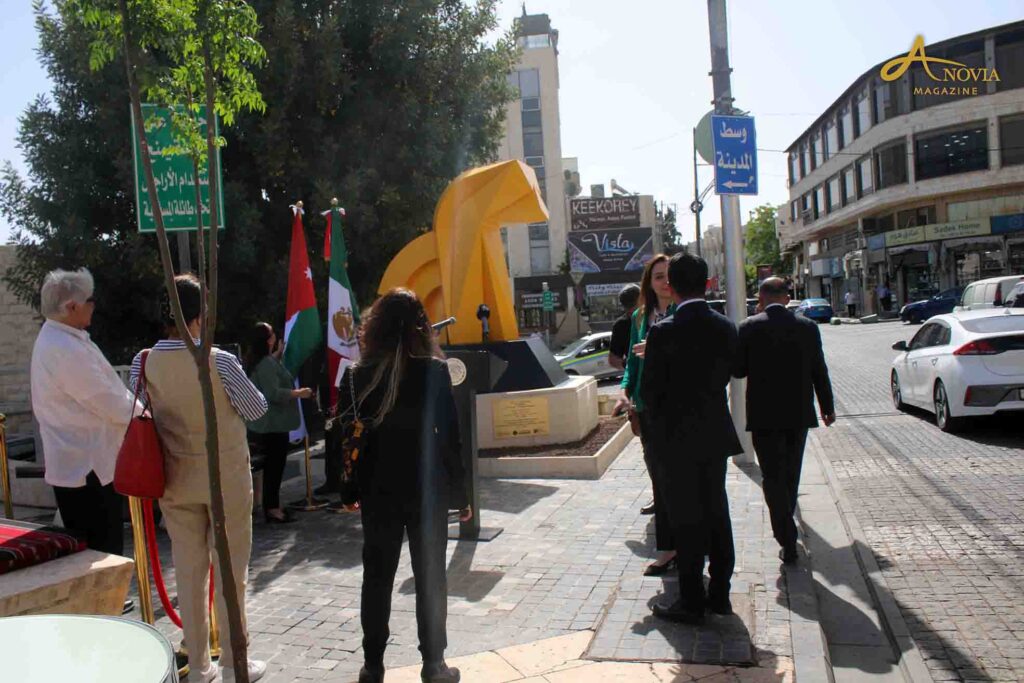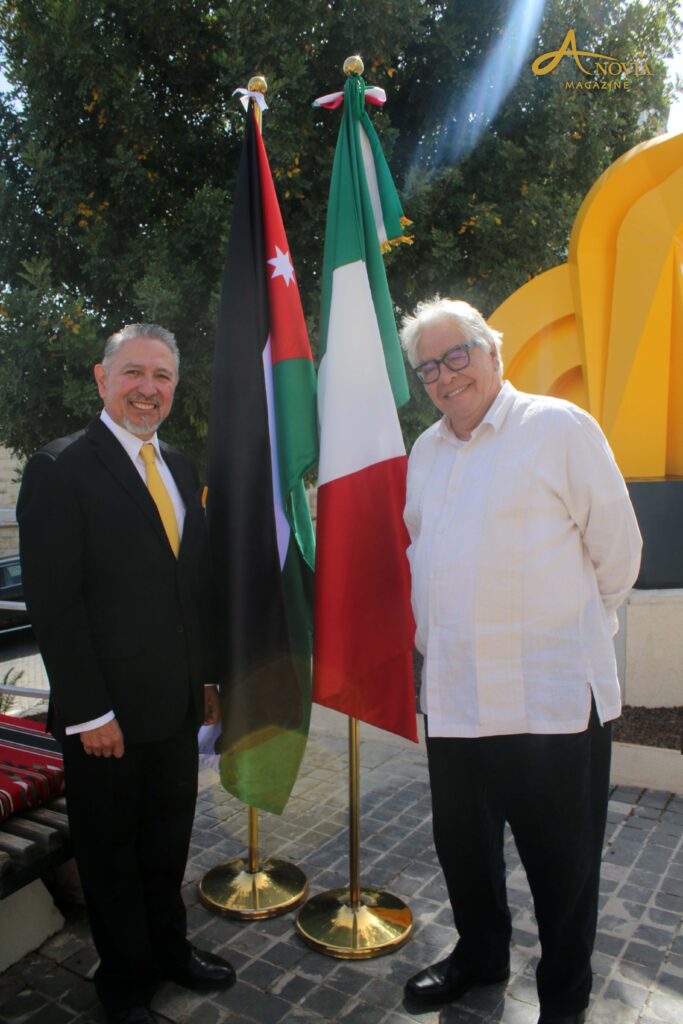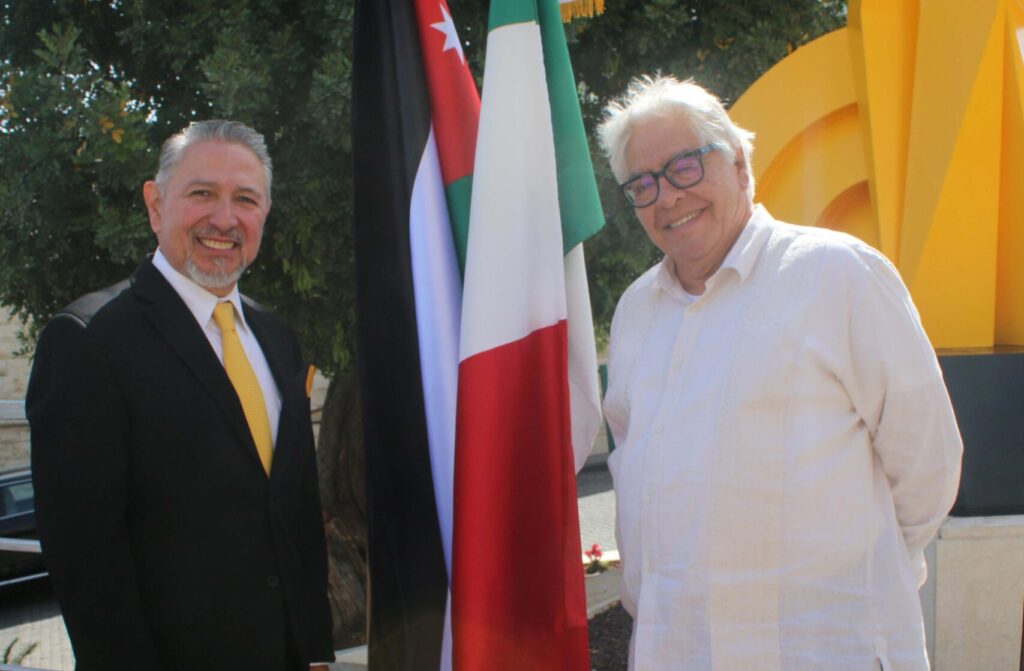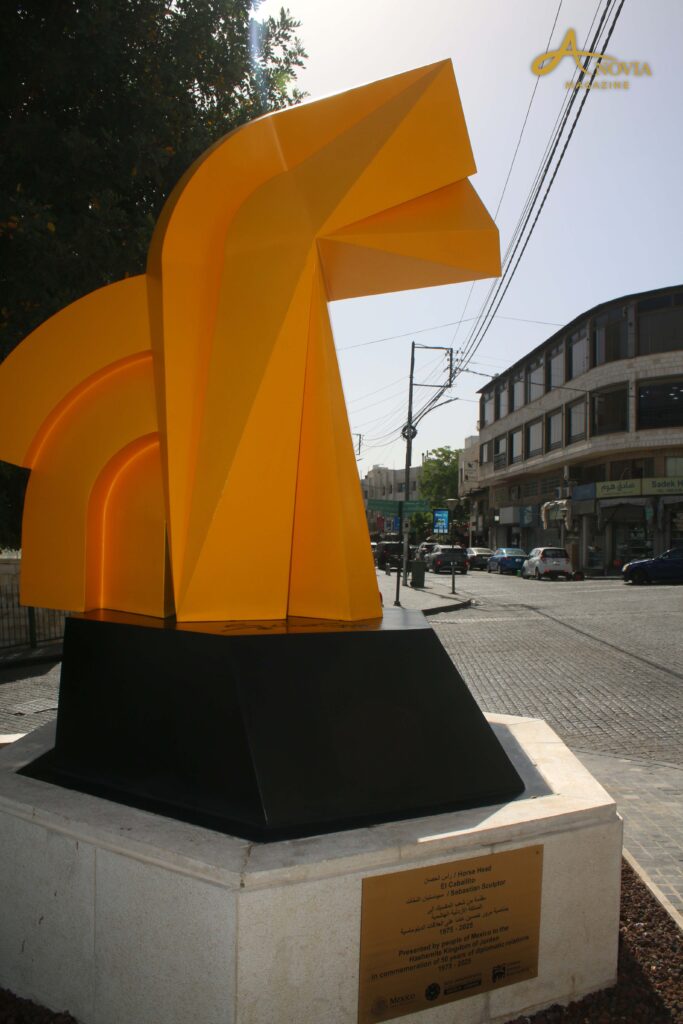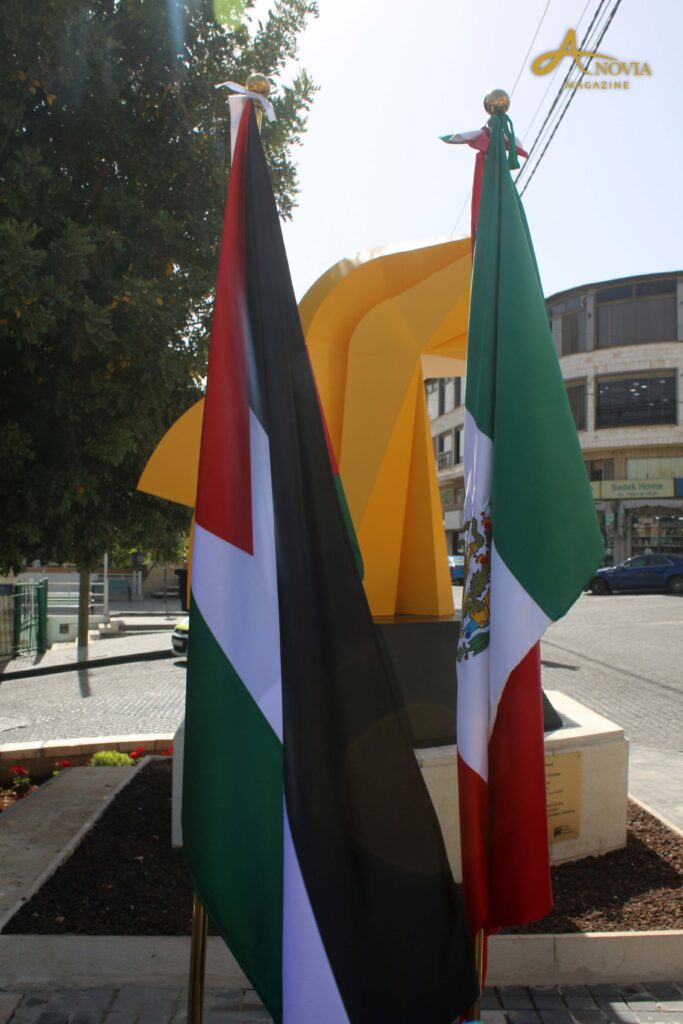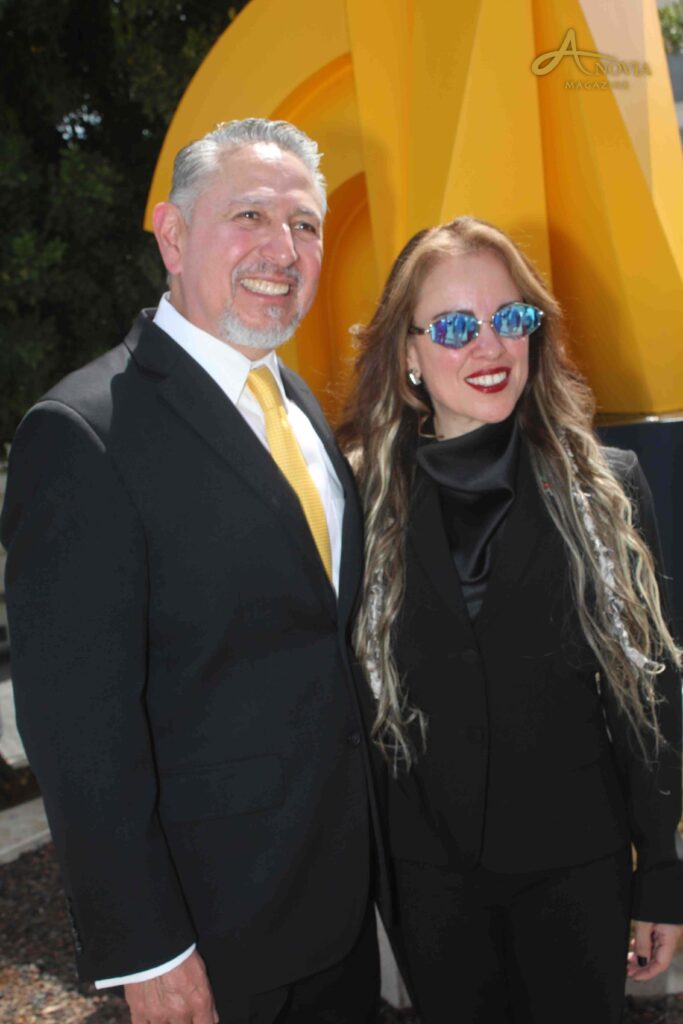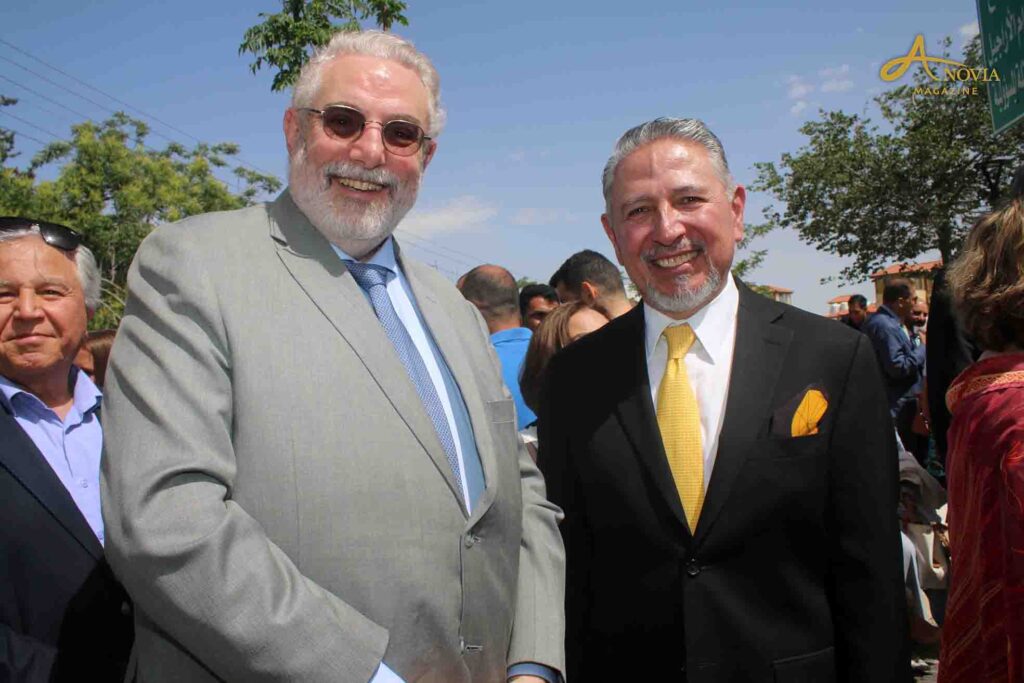
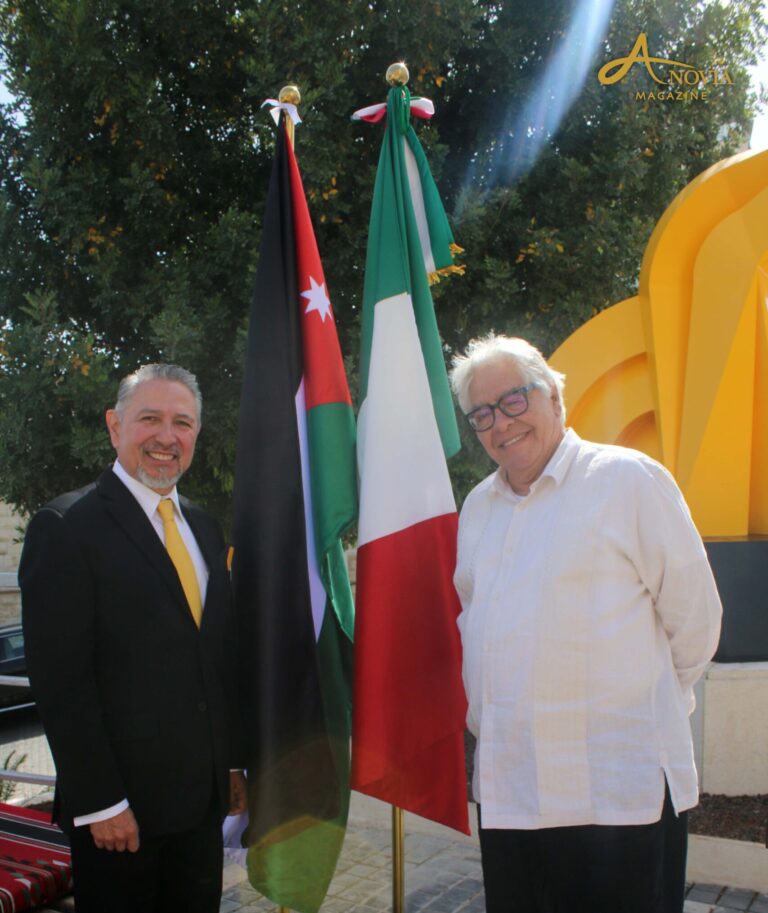
Anovia, Amman — Under the spring sky of the Jordanian capital, and along the historic cultural corridor of Rainbow Street, art emerged as a language of diplomacy as Jordan and Mexico celebrated the 50th anniversary of diplomatic relations through the unveiling of “El Caballito,” the iconic sculpture by internationally renowned Mexican artist Sebastián.
Over the past five decades, Jordan and Mexico have cultivated relations rooted in mutual respect, political cooperation, cultural openness, and people-to-people dialogue. While separated geographically, both countries share rich civilizational histories where heritage, identity, and storytelling remain deeply embedded within national consciousness. Increasingly, culture itself has become part of the diplomatic bridge linking the two nations.
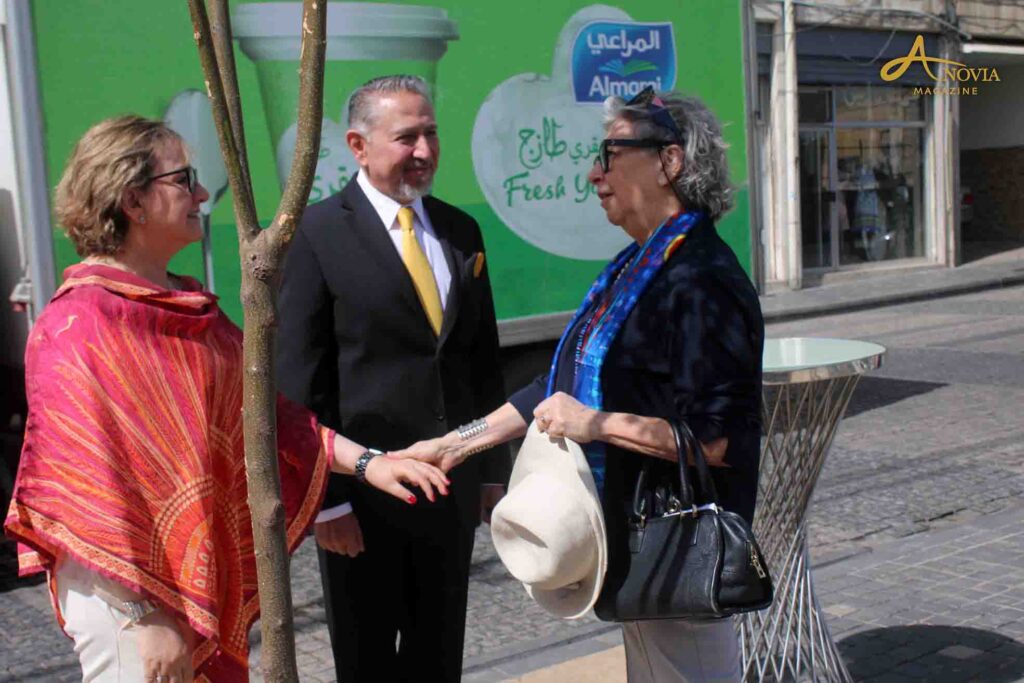
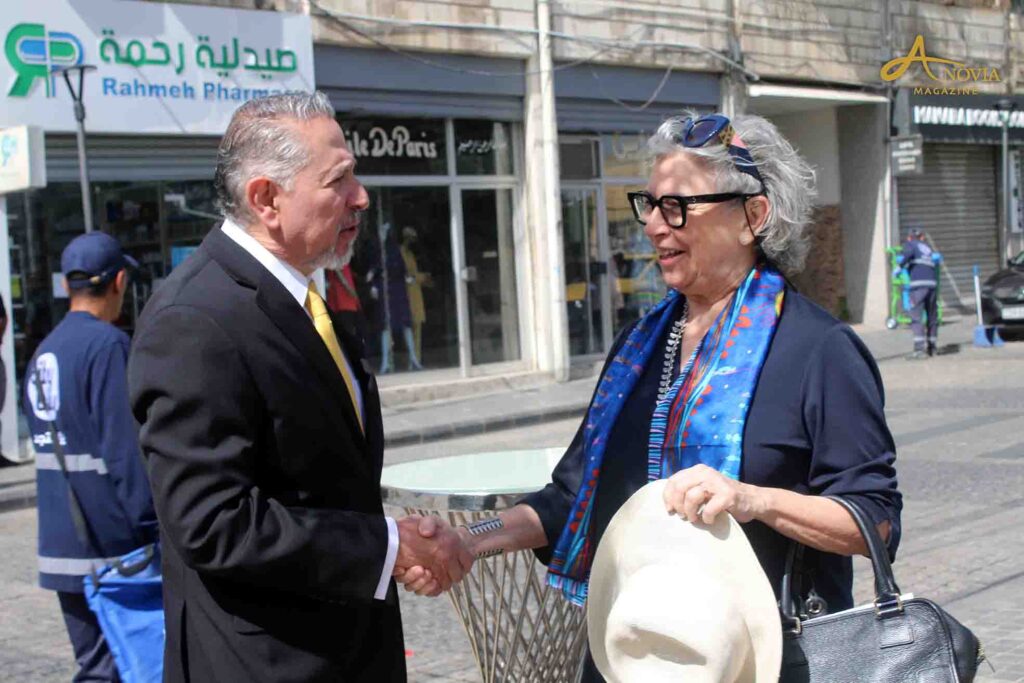
The ceremony, organized by the Embassy of Mexico in cooperation with the Greater Amman Municipality transformed the evening into more than a cultural event; it became a symbolic encounter between two civilizations connected through history, creativity, and shared human expression.
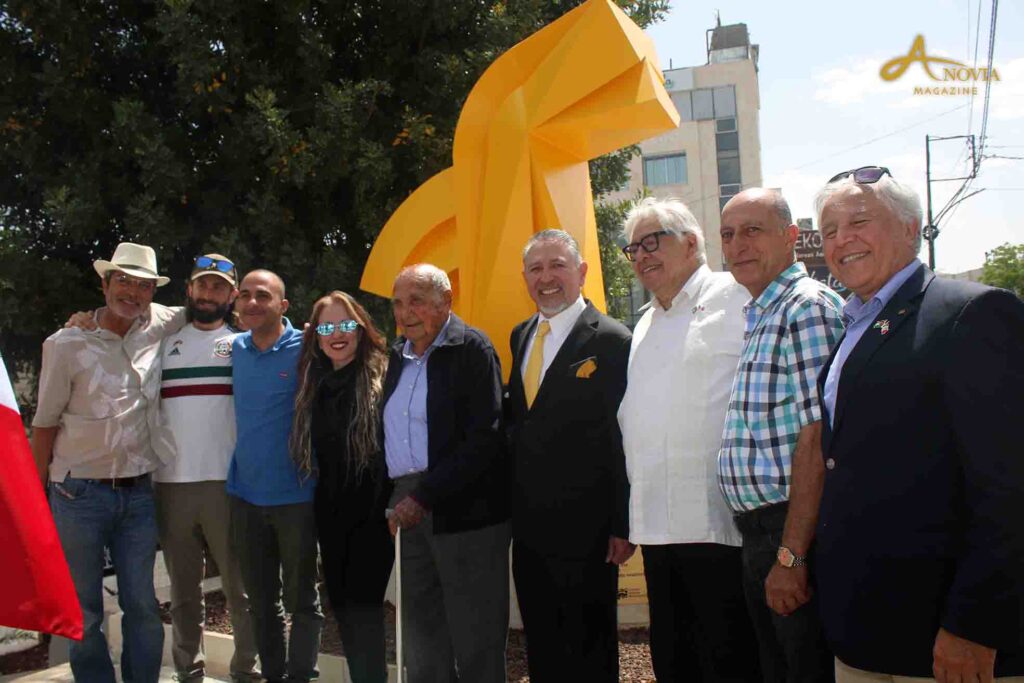
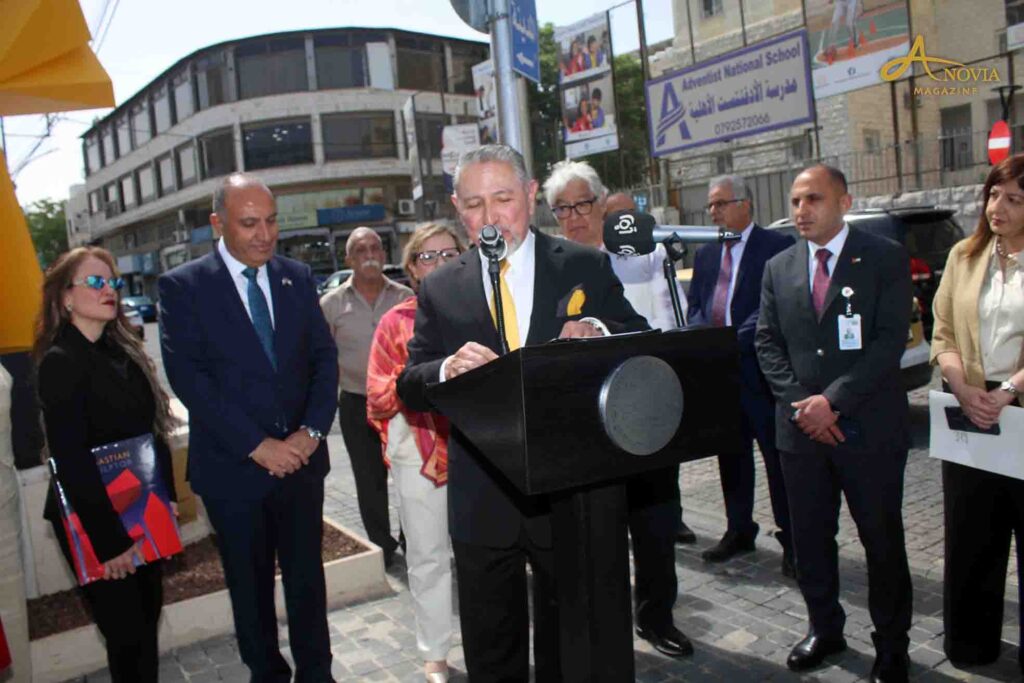
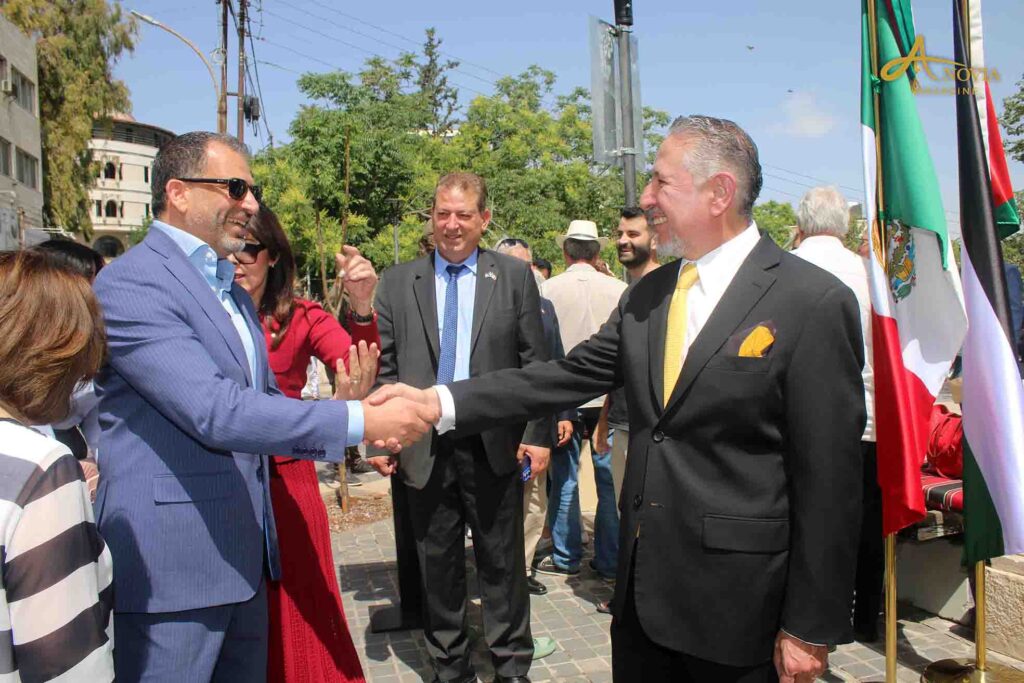
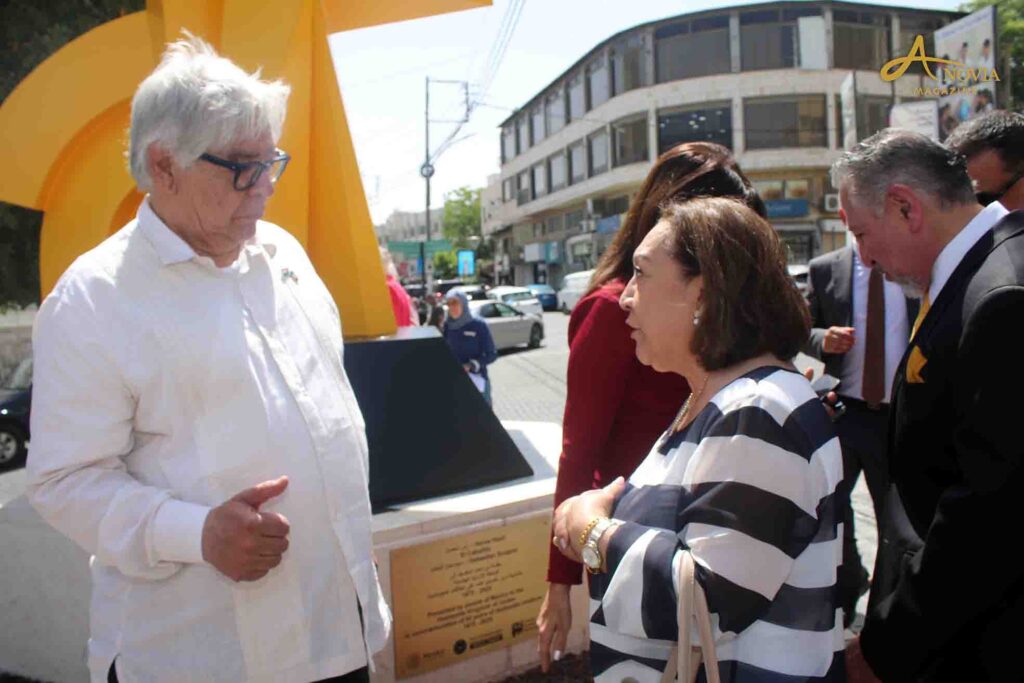
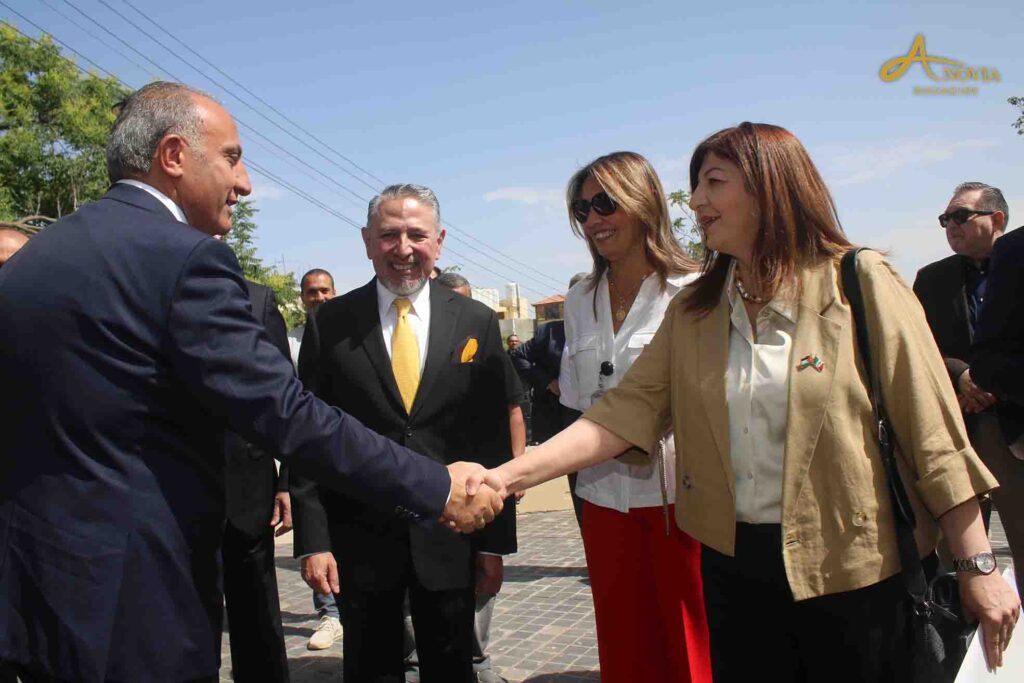
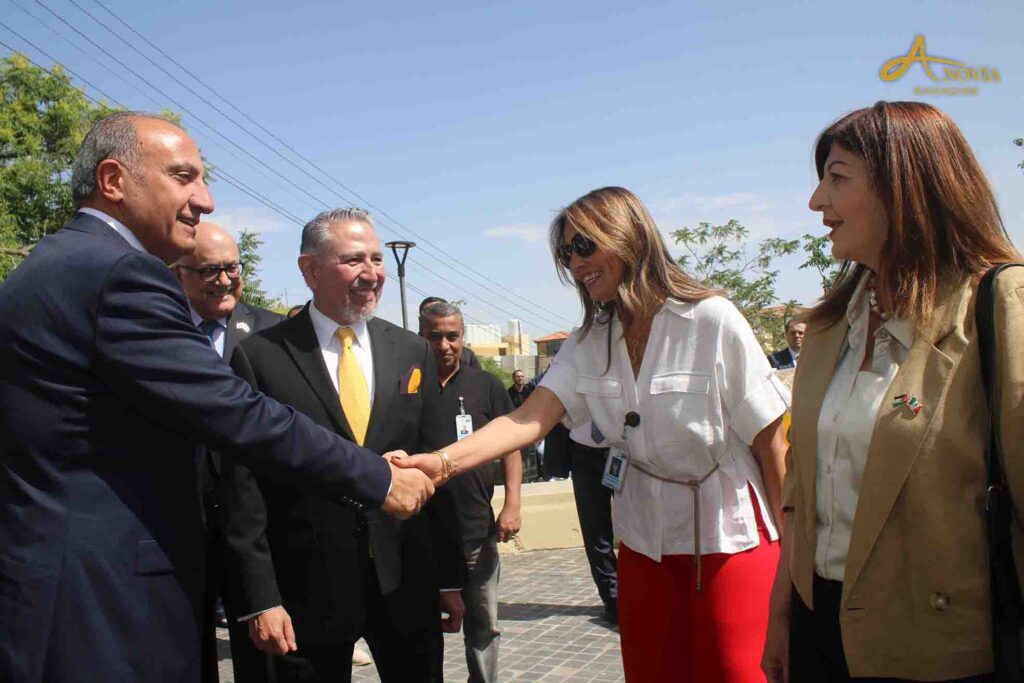
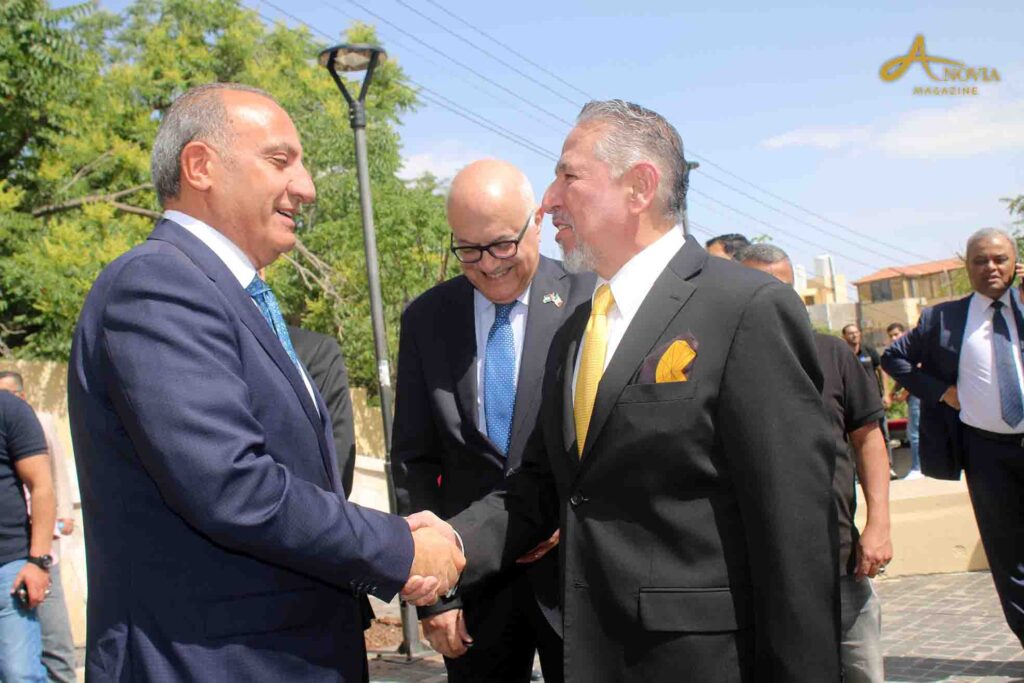
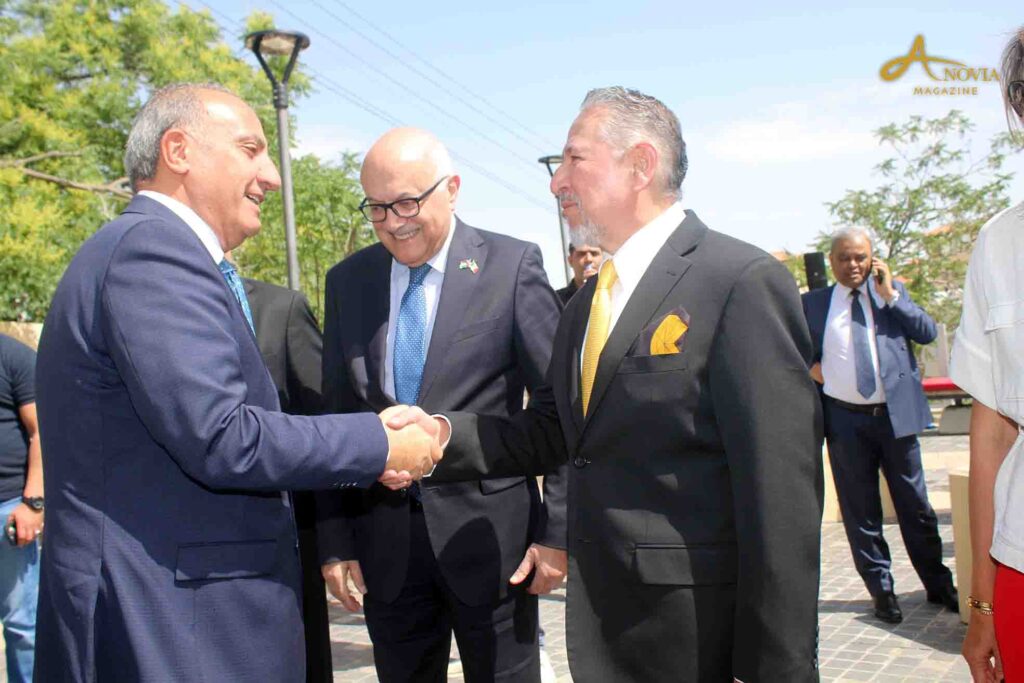
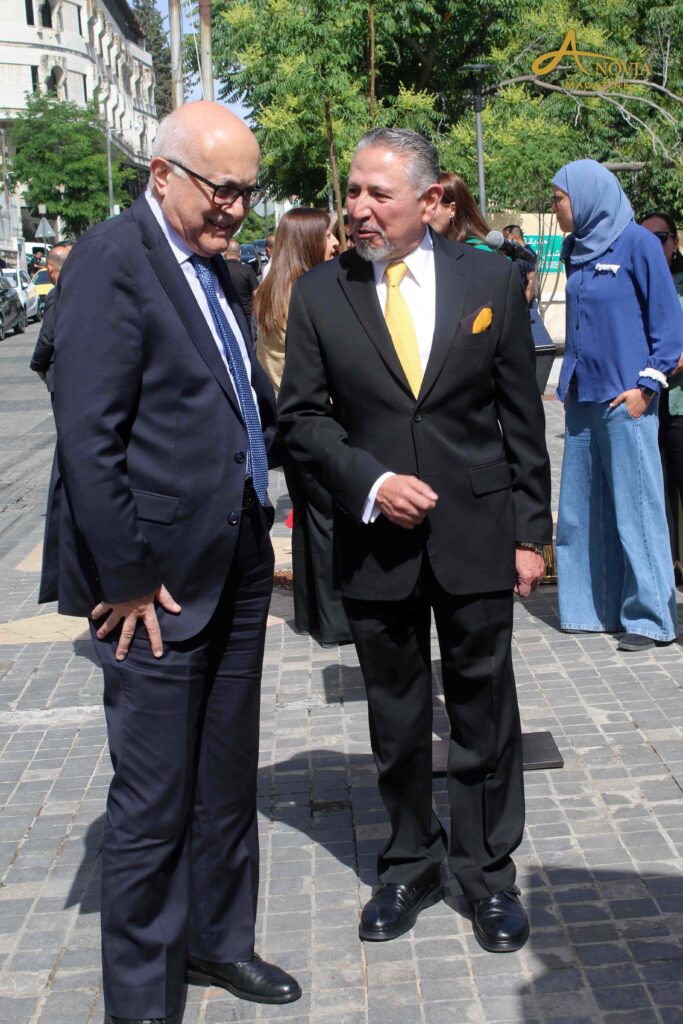
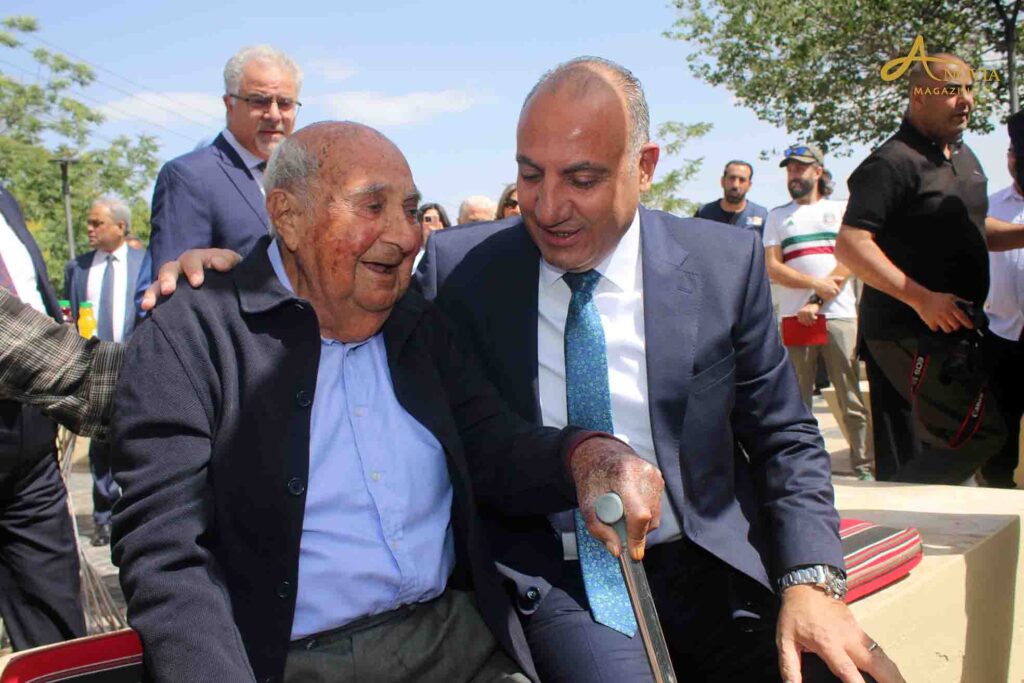
Presented as a gift from the people of Mexico to the people of Jordan, the sculpture was officially received by the Mayor of Amman, Yousef Al-Shawarbeh, in a gesture symbolizing friendship and the strengthening cultural ties between Amman and Mexico City.
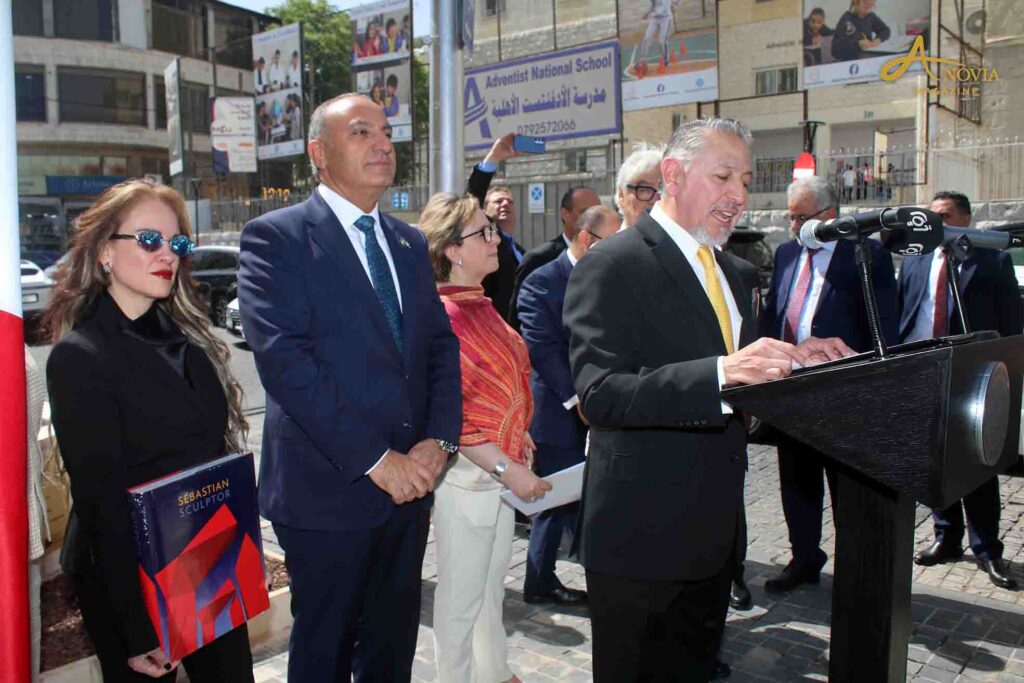
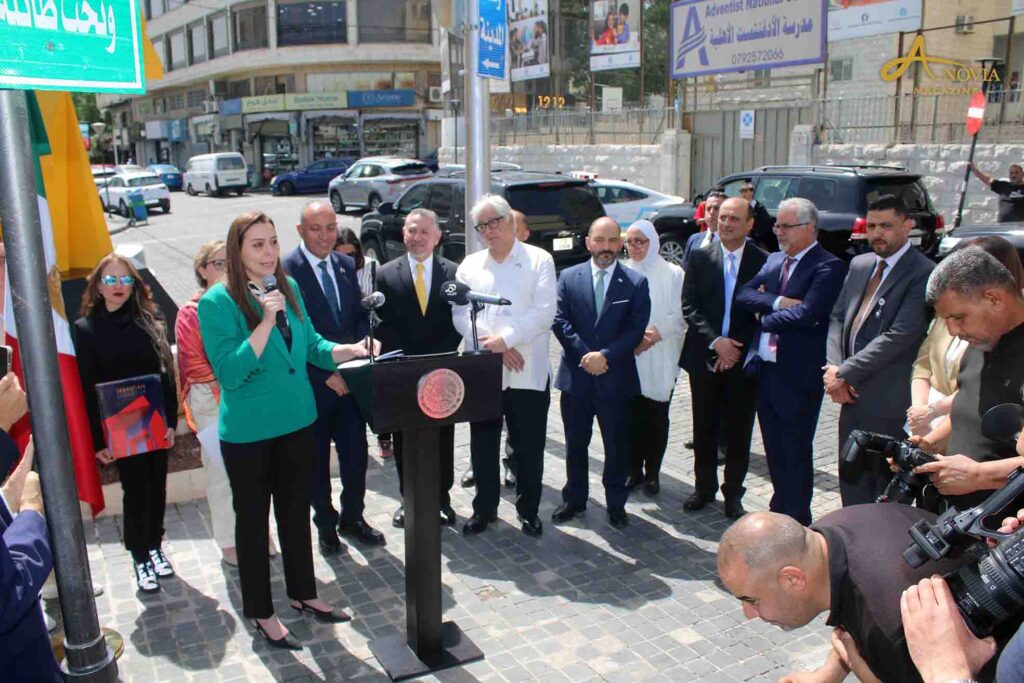
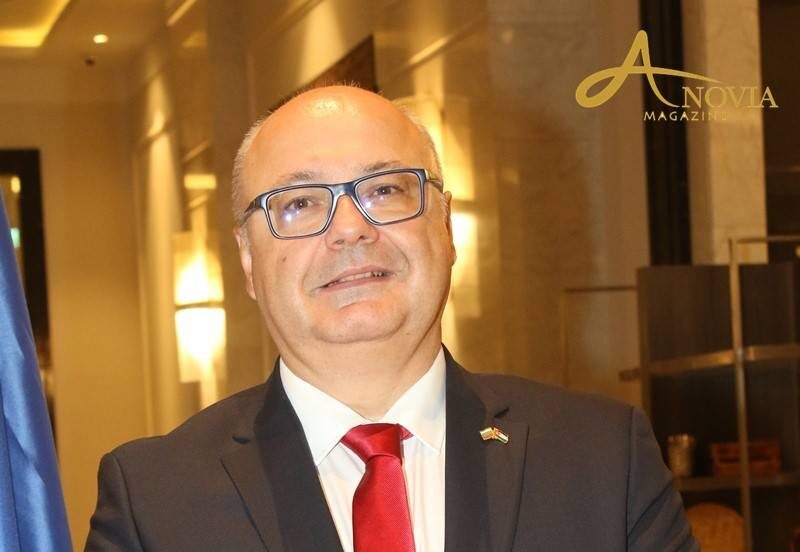
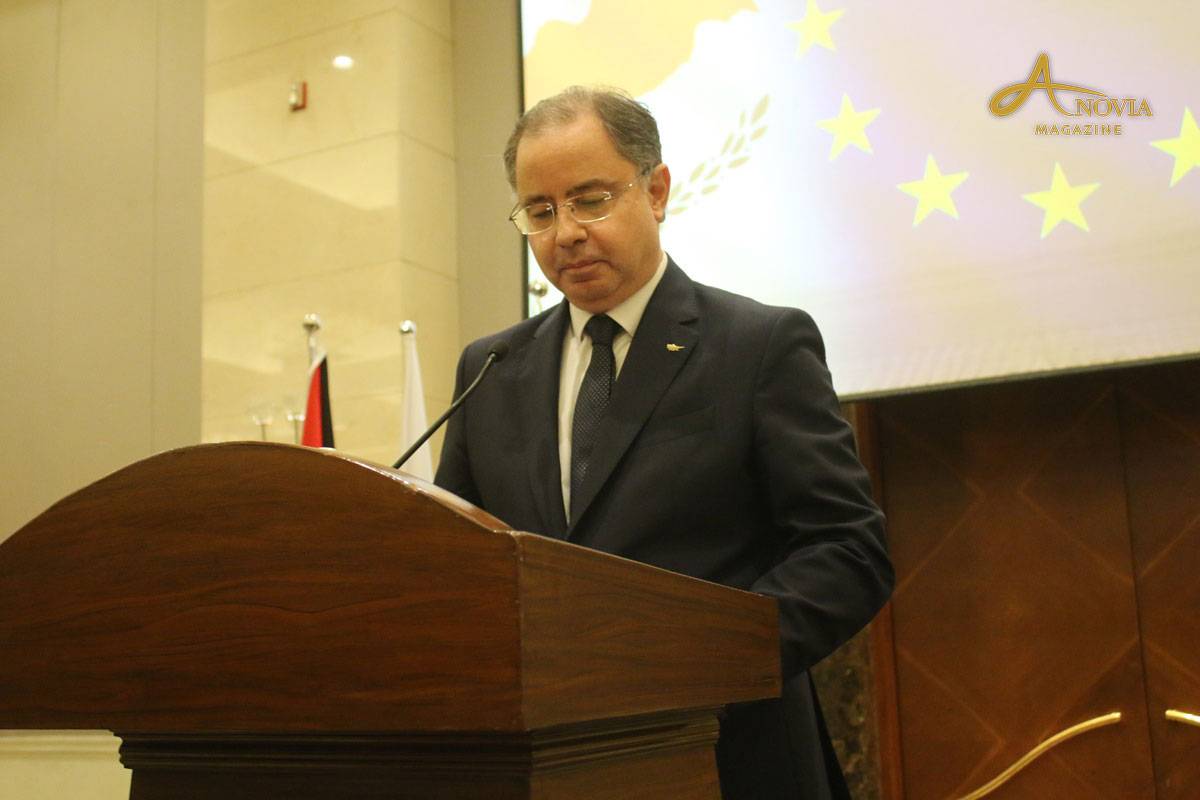
Speaking during the ceremony, Mexican Ambassador Jacob Prado reflected on the evolution of bilateral relations since diplomatic ties were established, emphasizing the sincere friendship and expanding cooperation that continue to define the relationship between the two countries.
He noted that “El Caballito,” one of the most recognizable artistic symbols in Mexico City, now carries additional meaning through its presence in Amman, symbolically creating a sisterly cultural connection between the two capitals.
He told Anovia Magazine that the sculpture has been shipped from Mexico “demonstrating the commitment to advancing the project and facilitating its realization in collaboration with the Greater Amman Municipality.”
Prado added that “the installation of the sculpture in this prominent public space (Rainbow Street) would contribute to the urban landscape of Amman while serving as a lasting symbol of friendship, cultural dialogue, and cooperation between Mexico and Jordan.”
From her part the Consul and Cultural attaché Guadalupe Trad-Brambila told Avoia Magazine that seeing El Caballito in Jordan mean “having a part of our cultural legacy present in the country where we reside.”
“The sculpture is not only one of the most emblematic works of contemporary Mexican art,” she said, “ but also a symbol of identity, collective memory, and national pride.”
Trad-Brambila added that the presence of the sculpture in Amman strengthens the cultural ties between Mexico and Jordan, allowing Jordanians to experience an important expression of Mexico’s artistic and cultural heritage, “while reflecting the power of art to build bridges between peoples and cultures.”
For his part, Mayor Al-Shawarbeh welcomed the installation of the sculpture in one of Amman’s most vibrant artistic and cultural districts, describing it as a meaningful addition to the city’s evolving public art scene and urban identity.
He highlighted the international stature of Sebastián, whose monumental sculptures have transformed public spaces around the world into places of interaction, reflection, and visual dialogue.
The mayor also emphasized Amman’s continued commitment to integrating art into everyday urban life and encouraging cultural expression within public spaces.
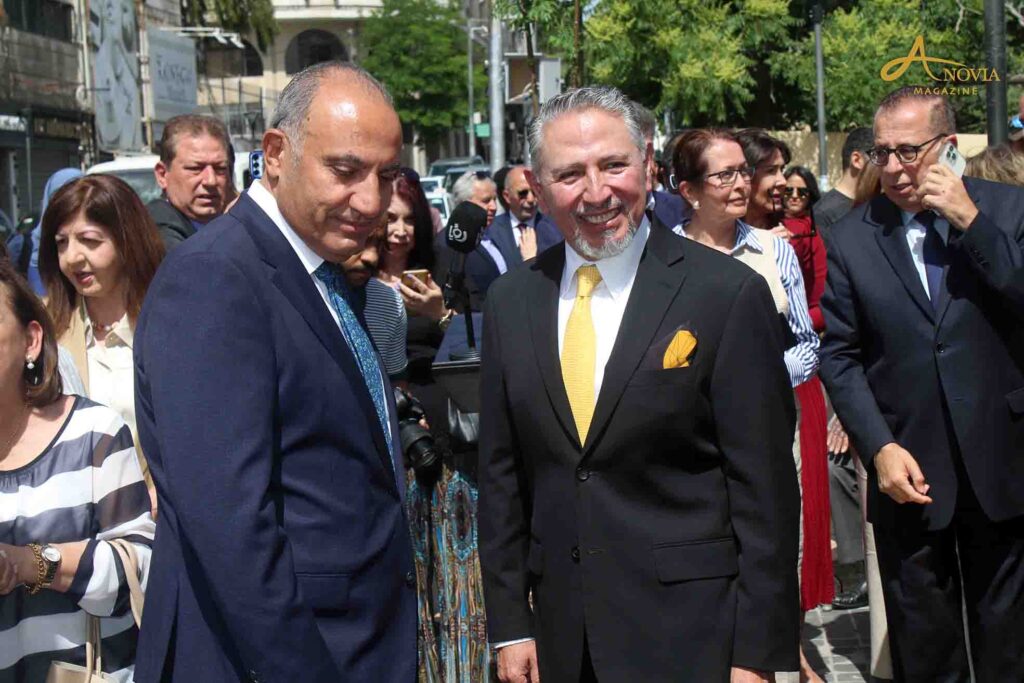
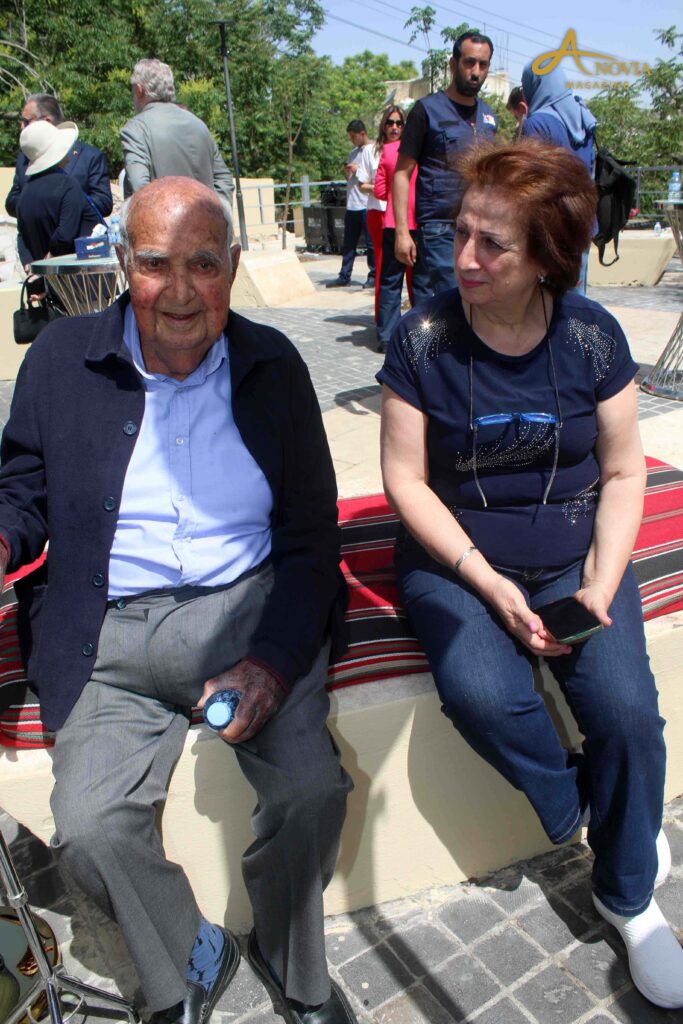
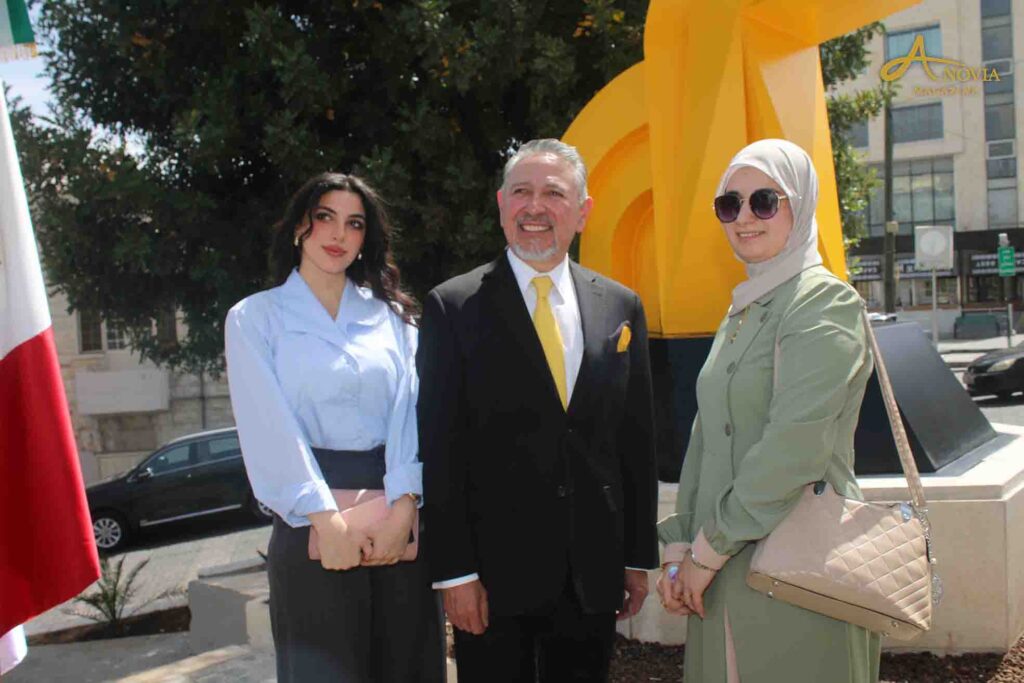
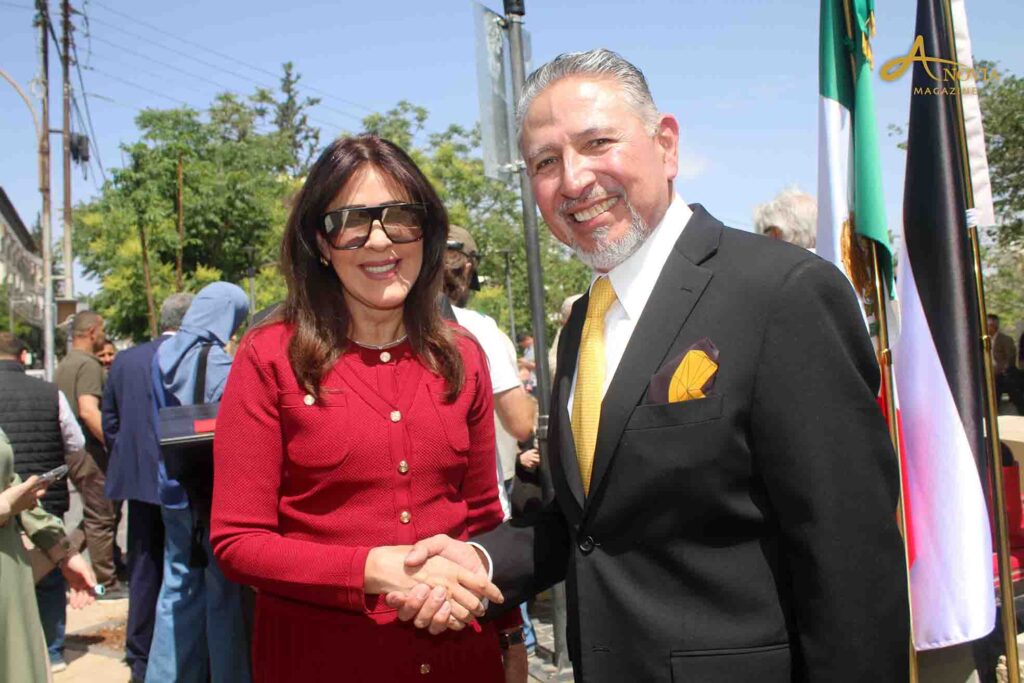
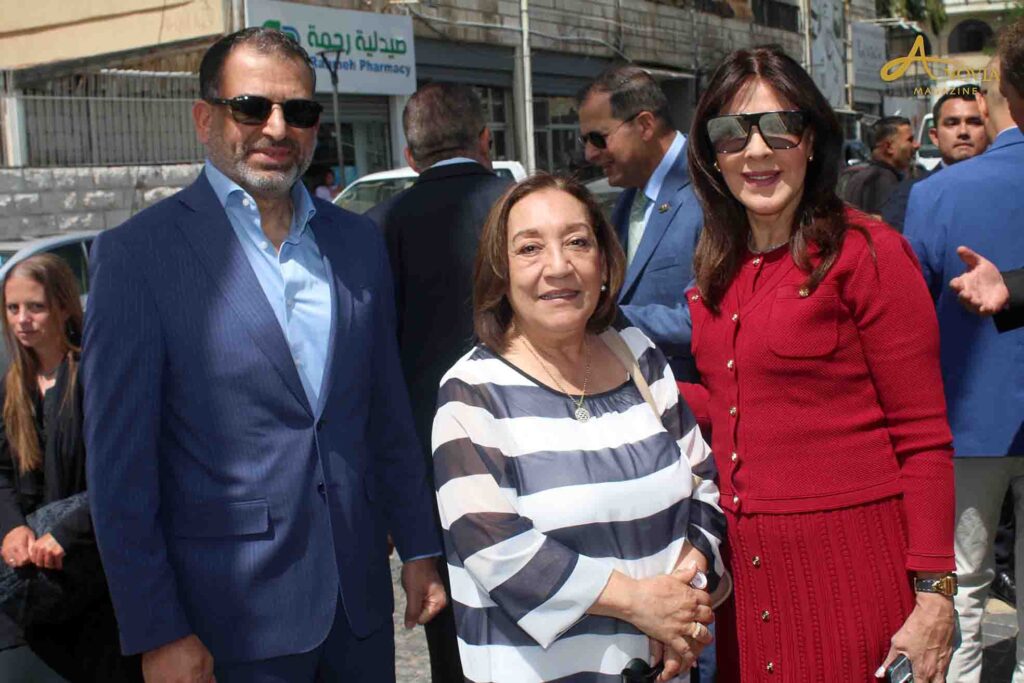
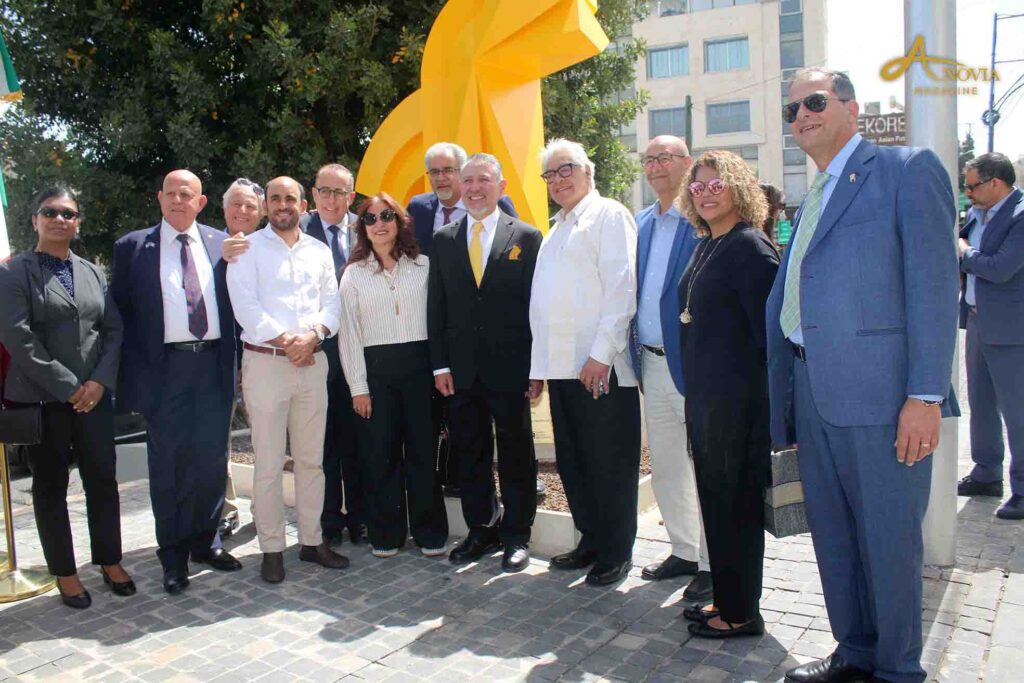
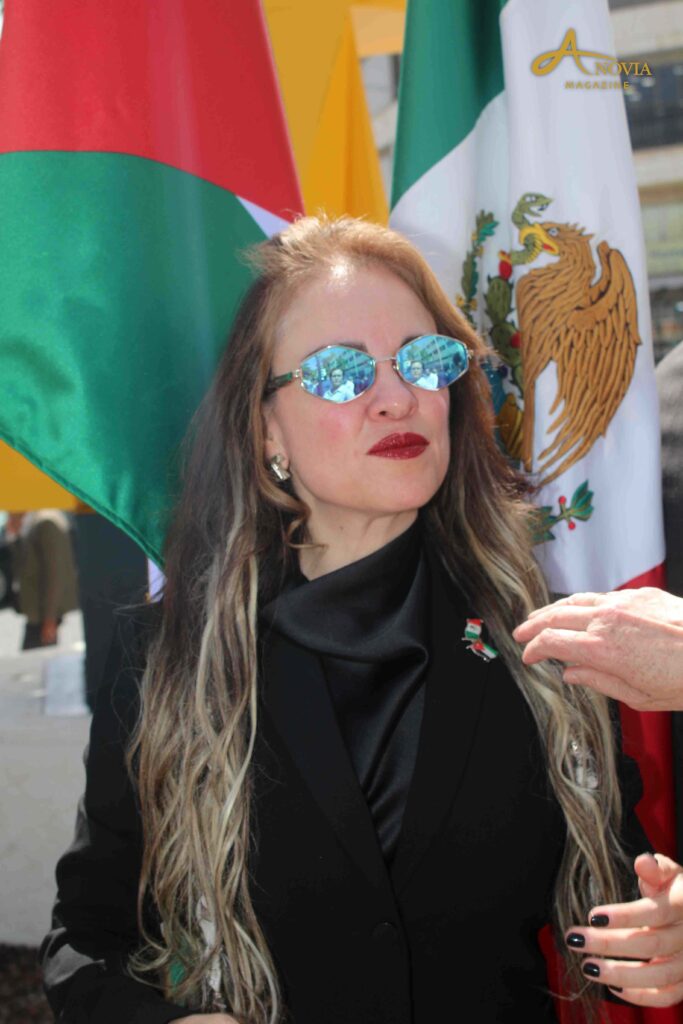
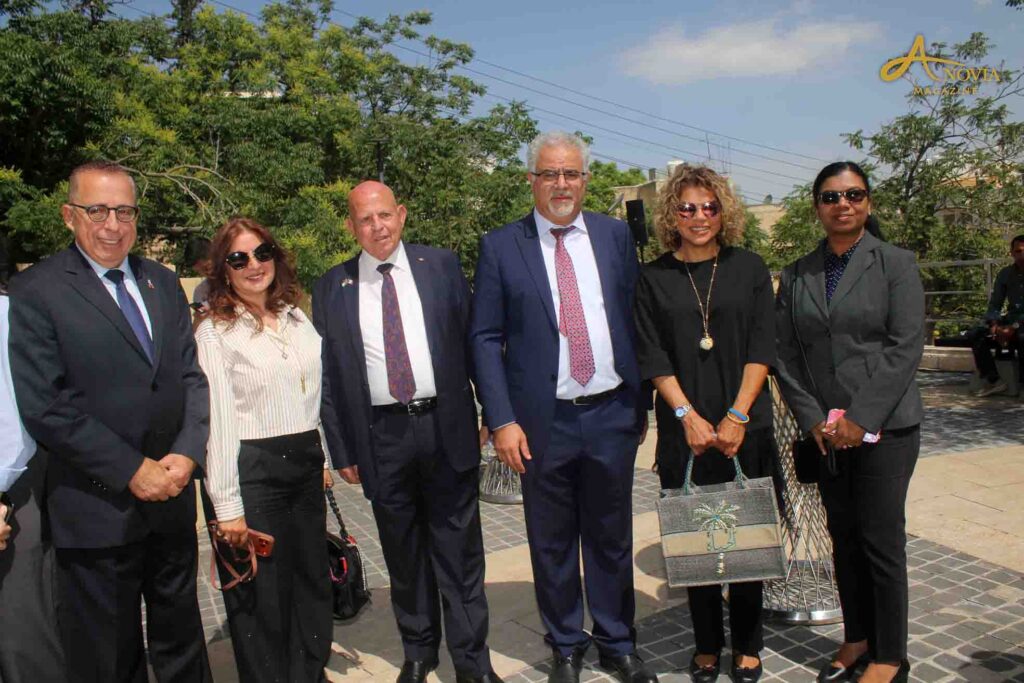
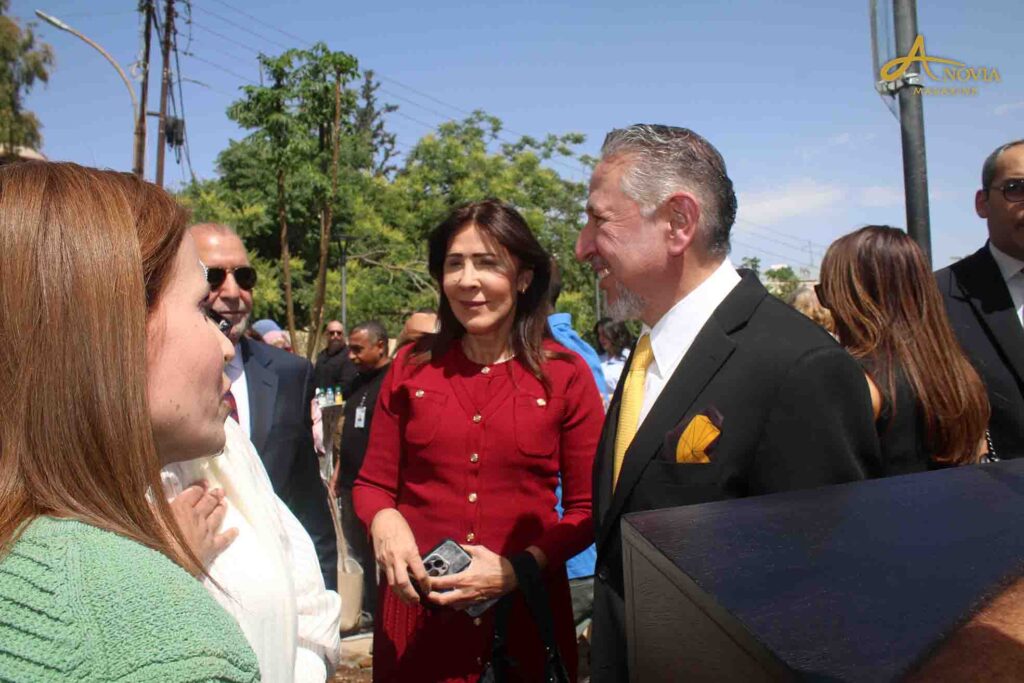
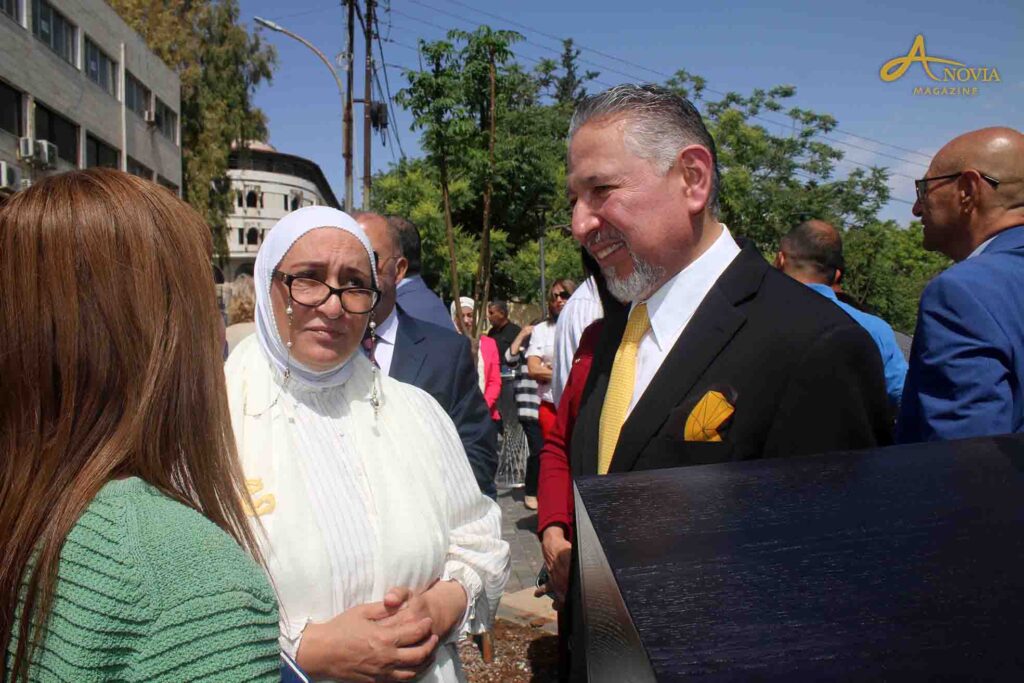
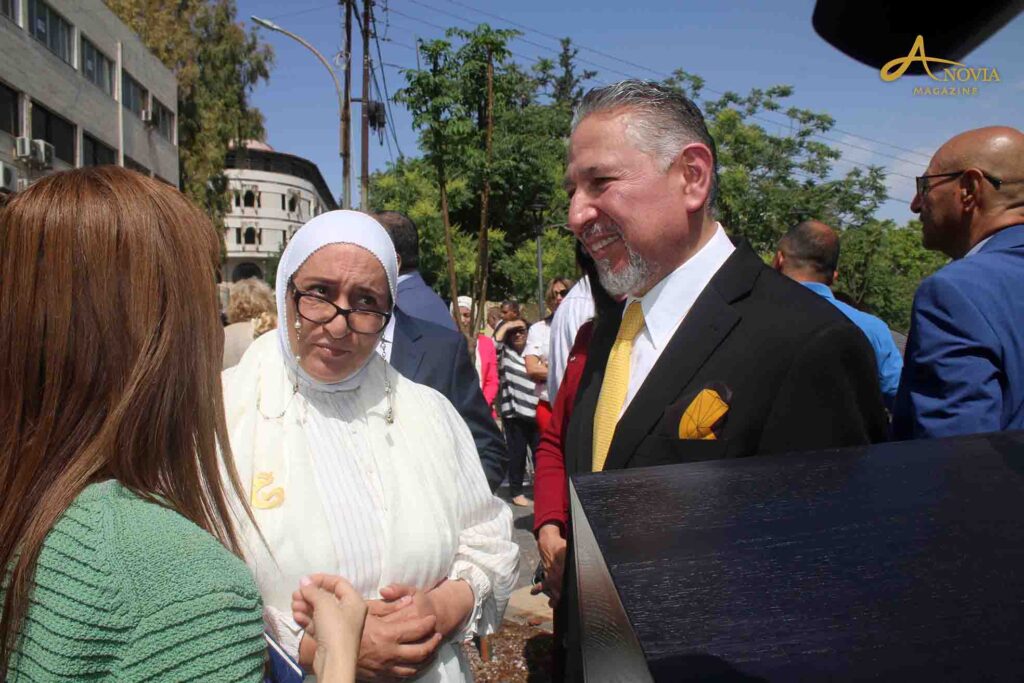
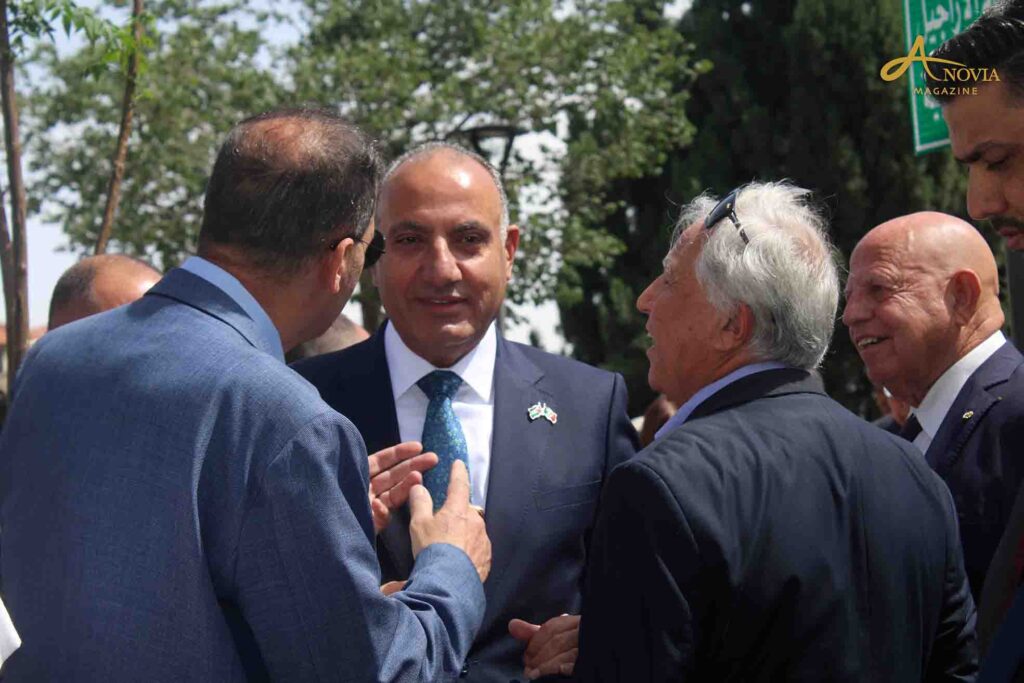
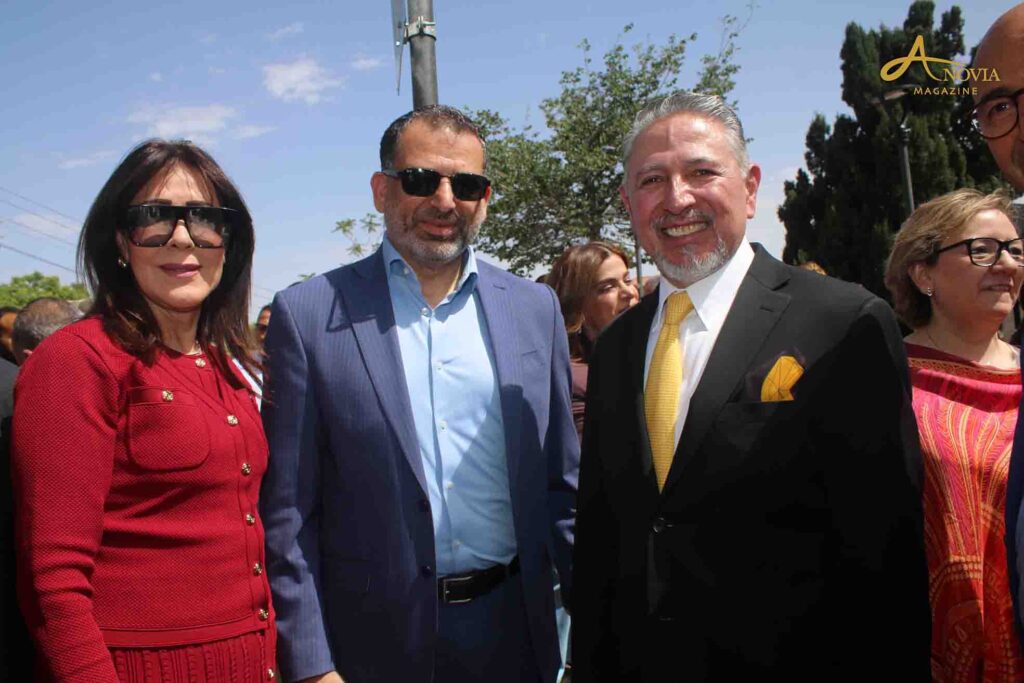
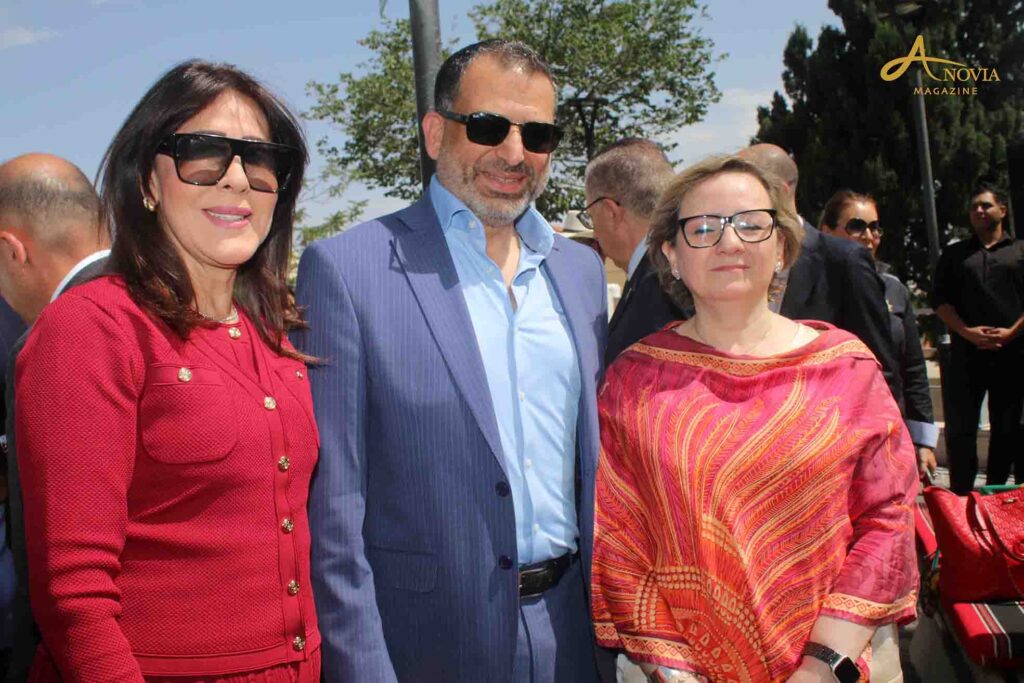
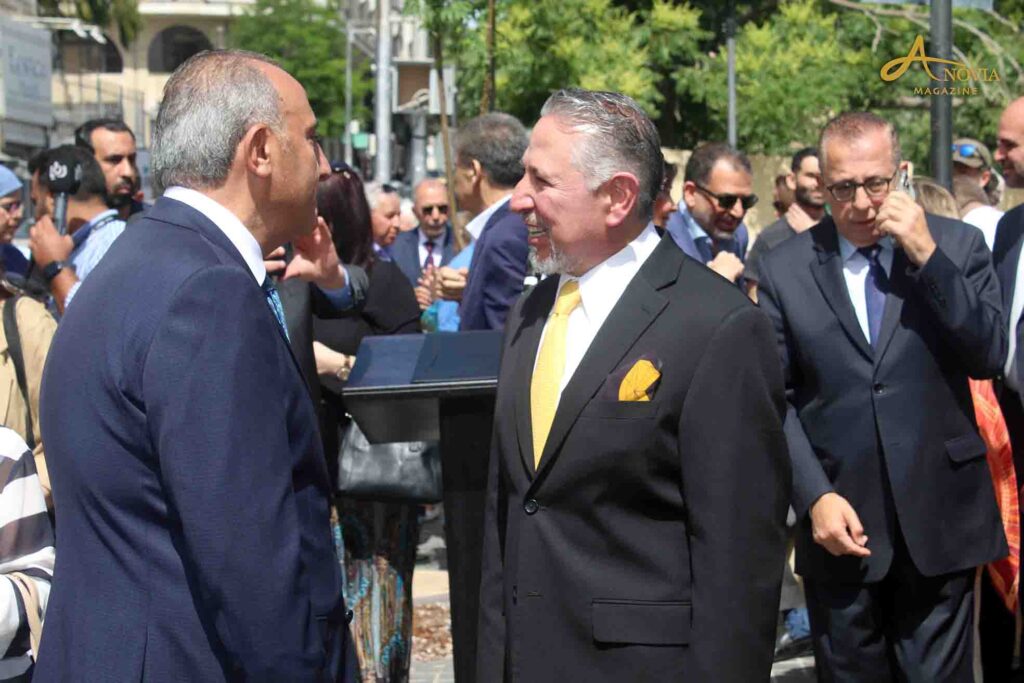
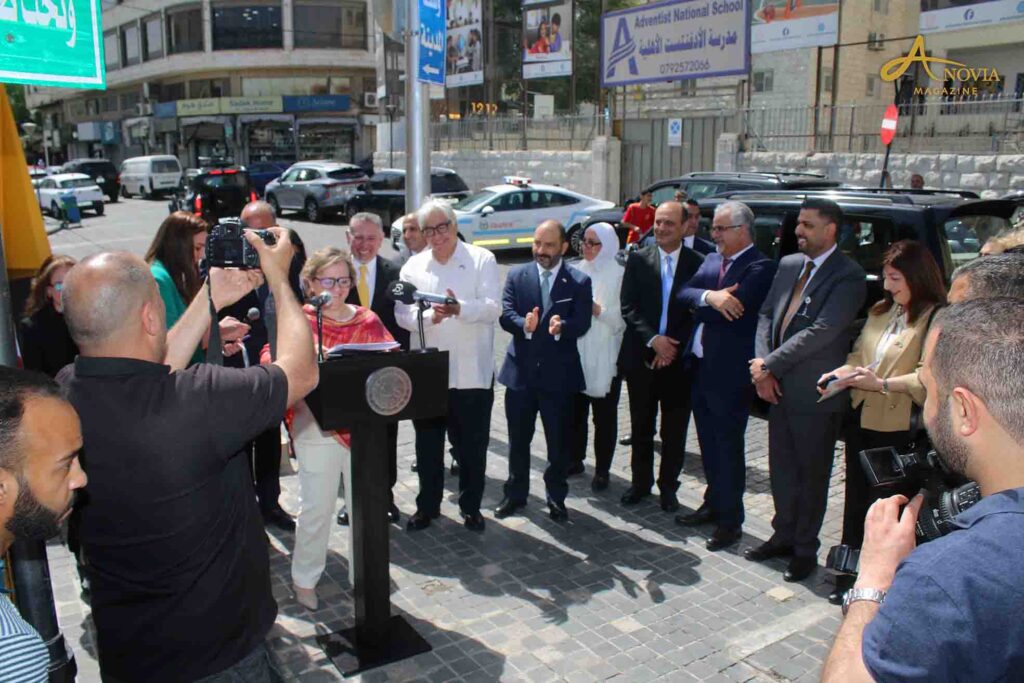
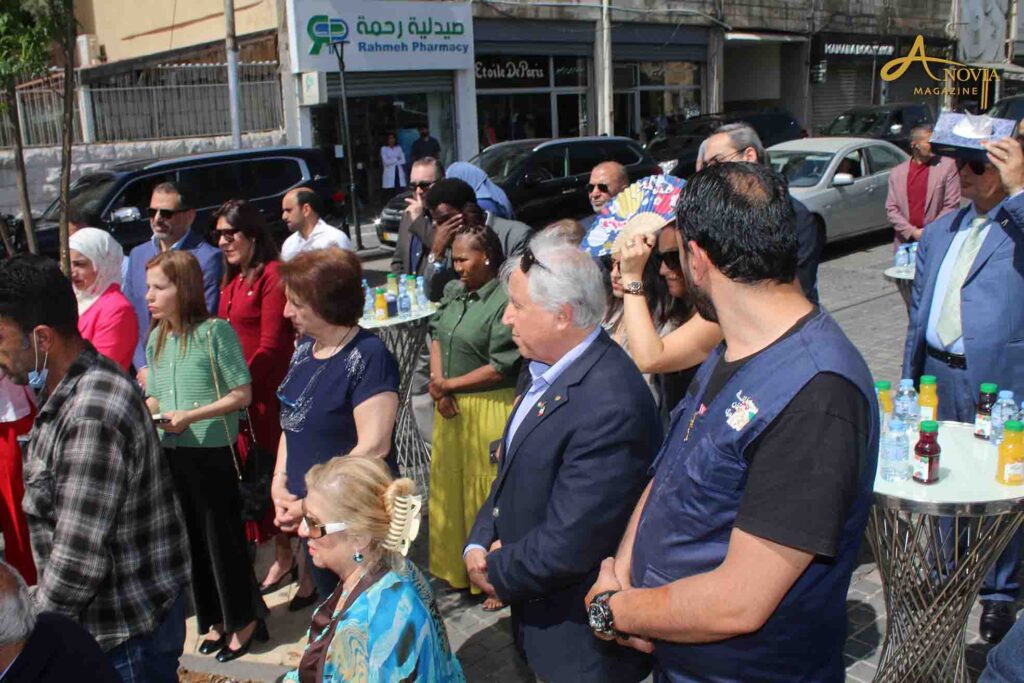
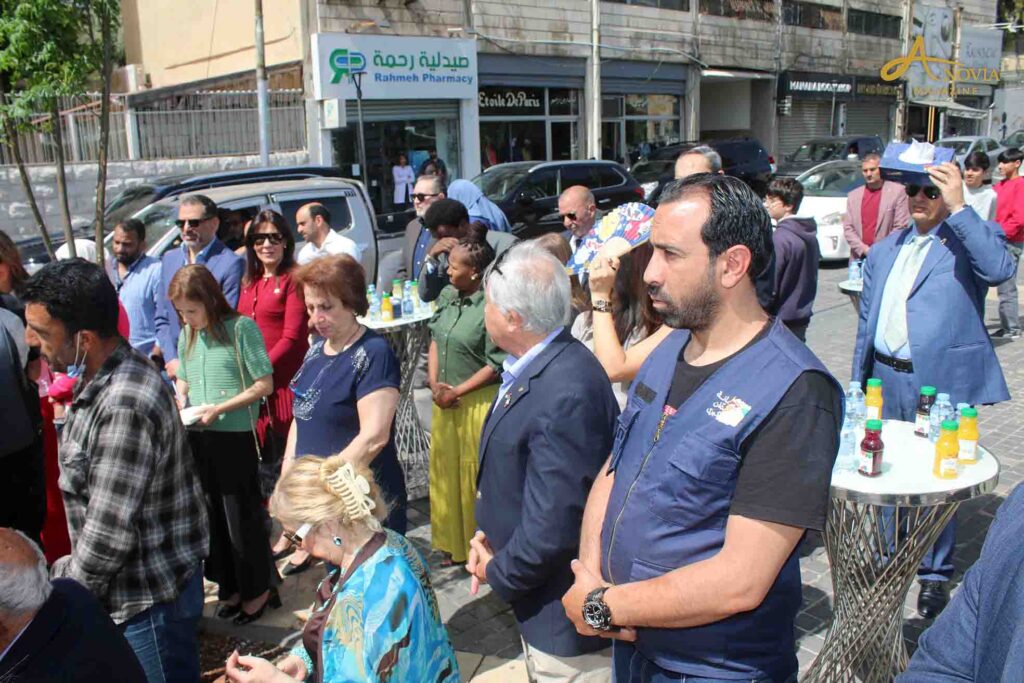
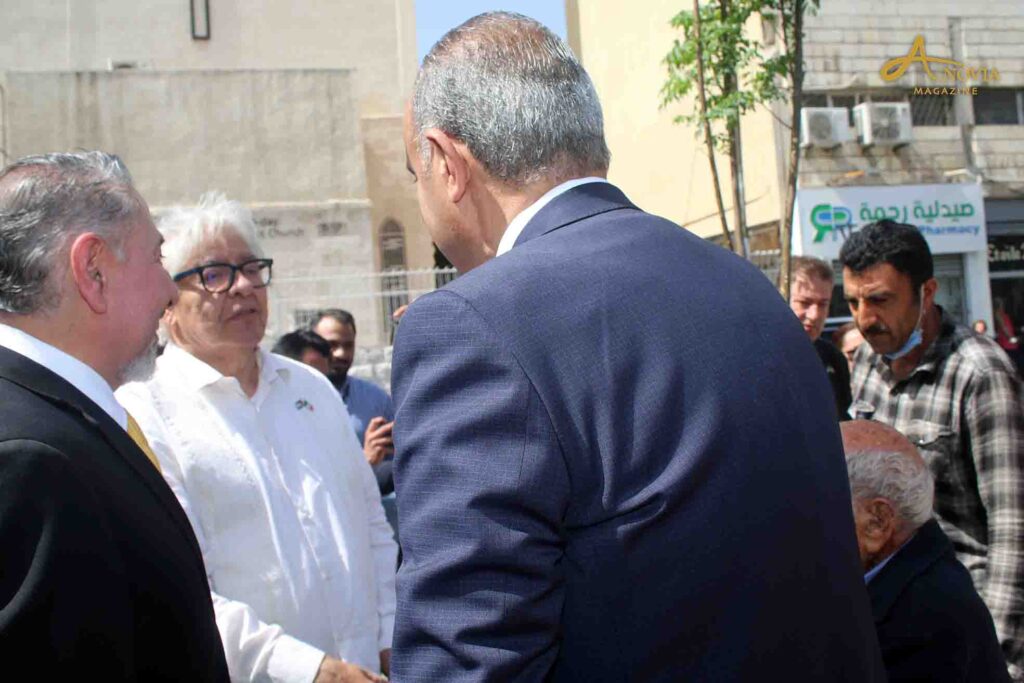
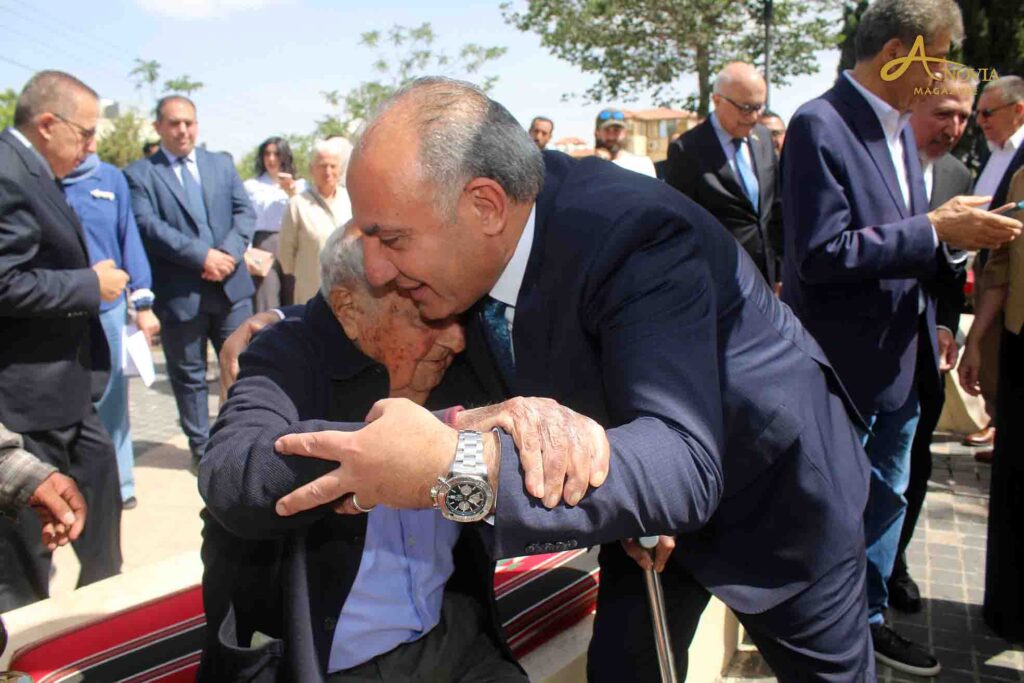
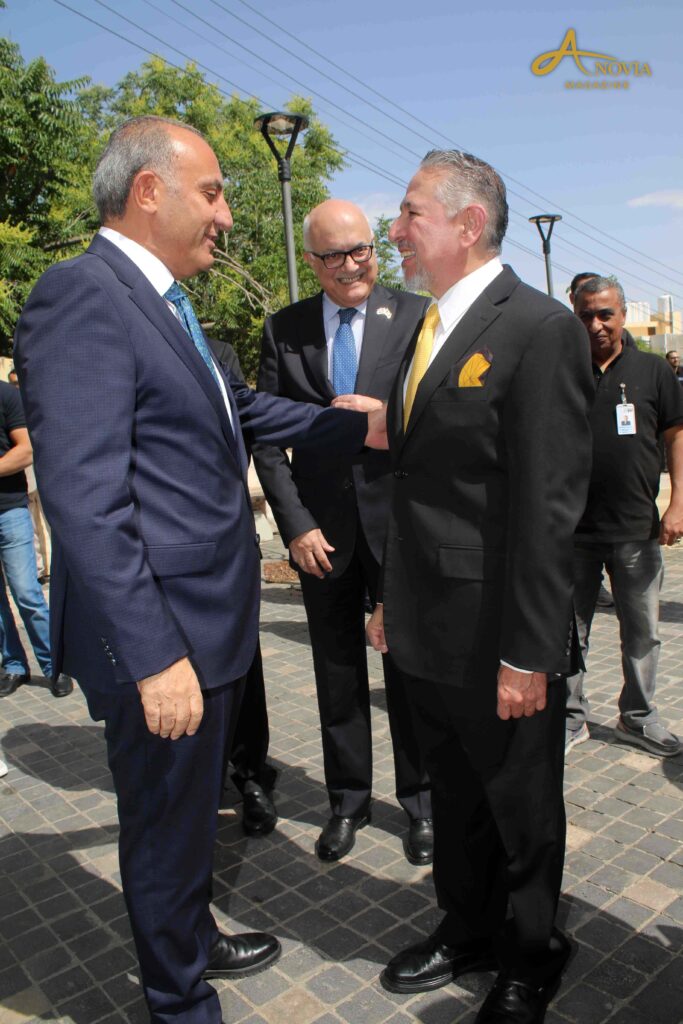
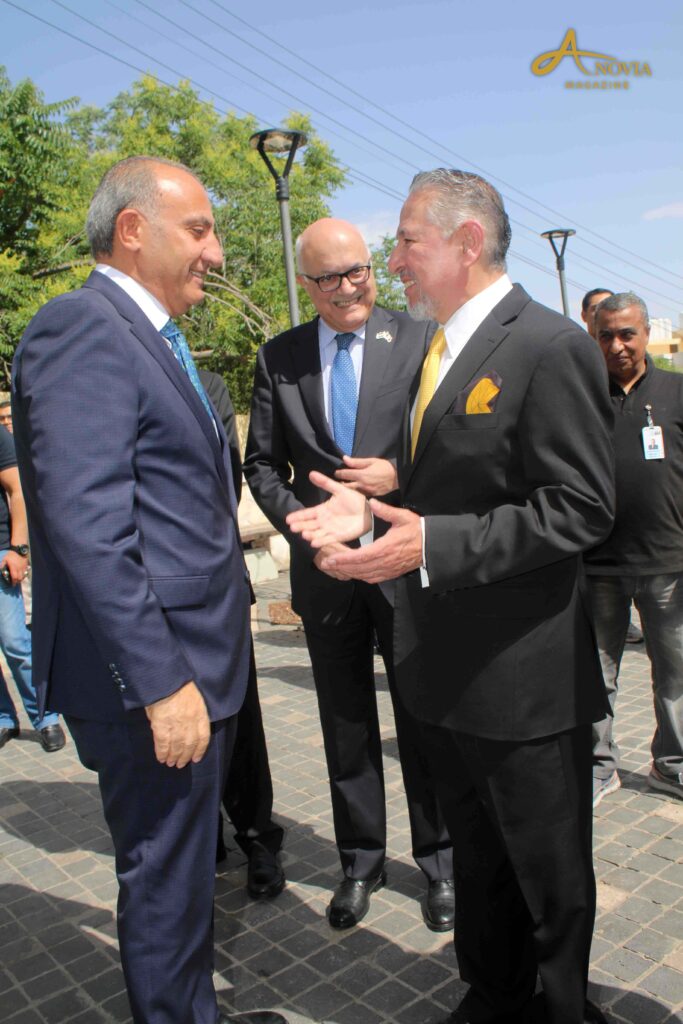
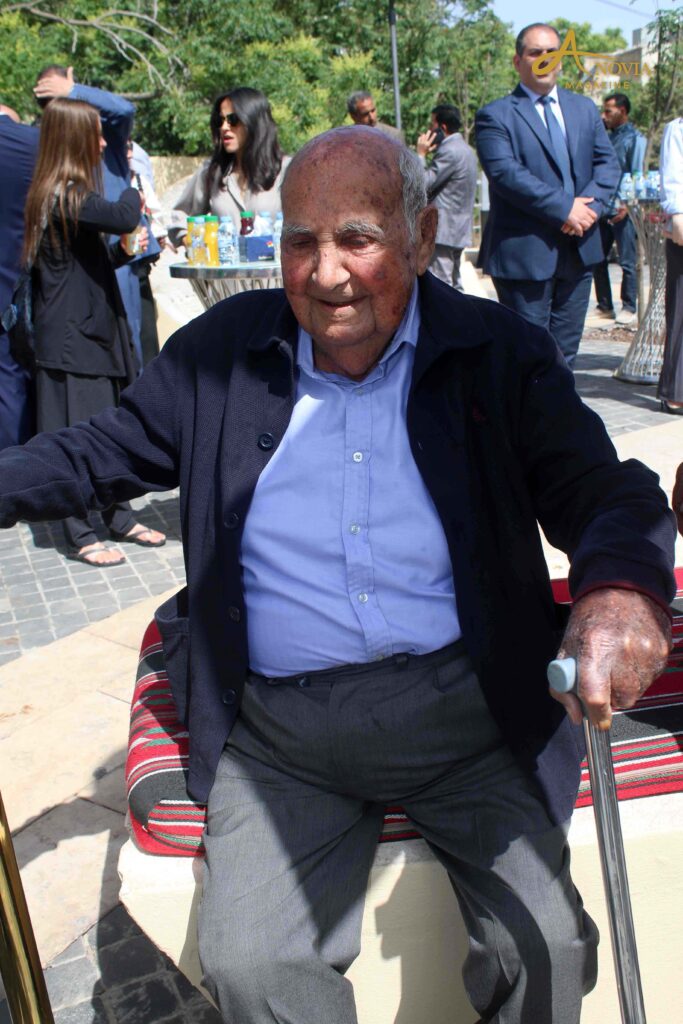
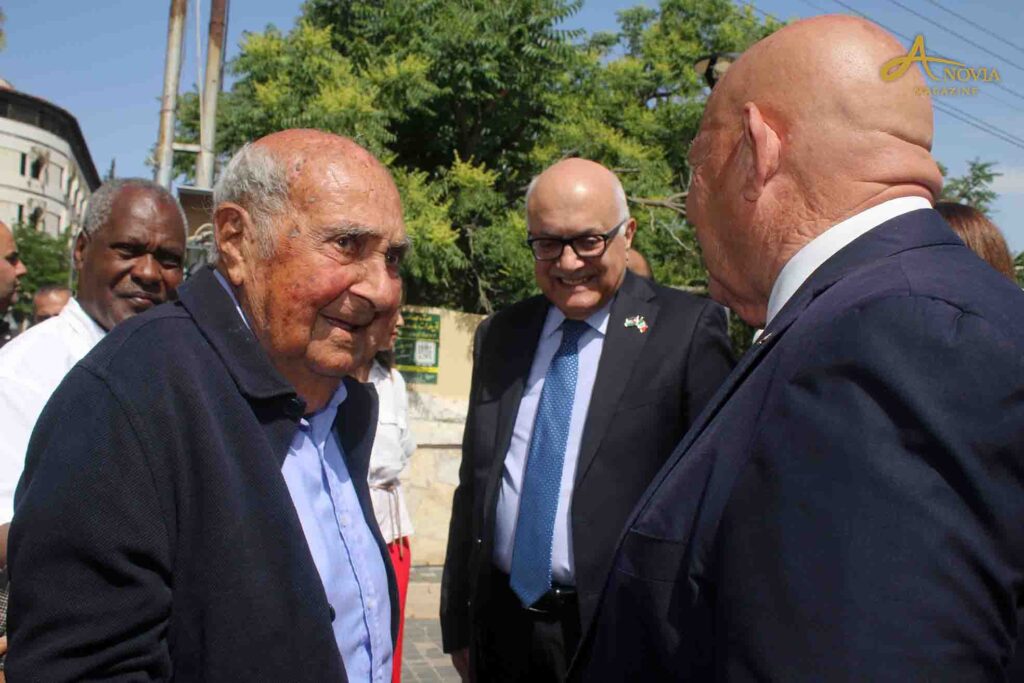
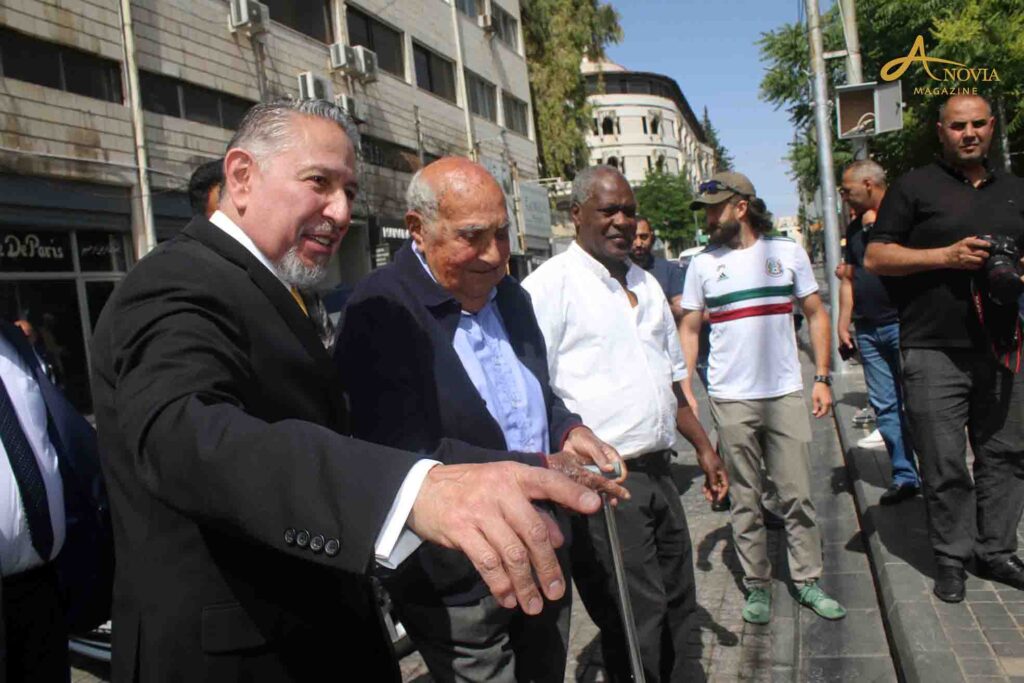
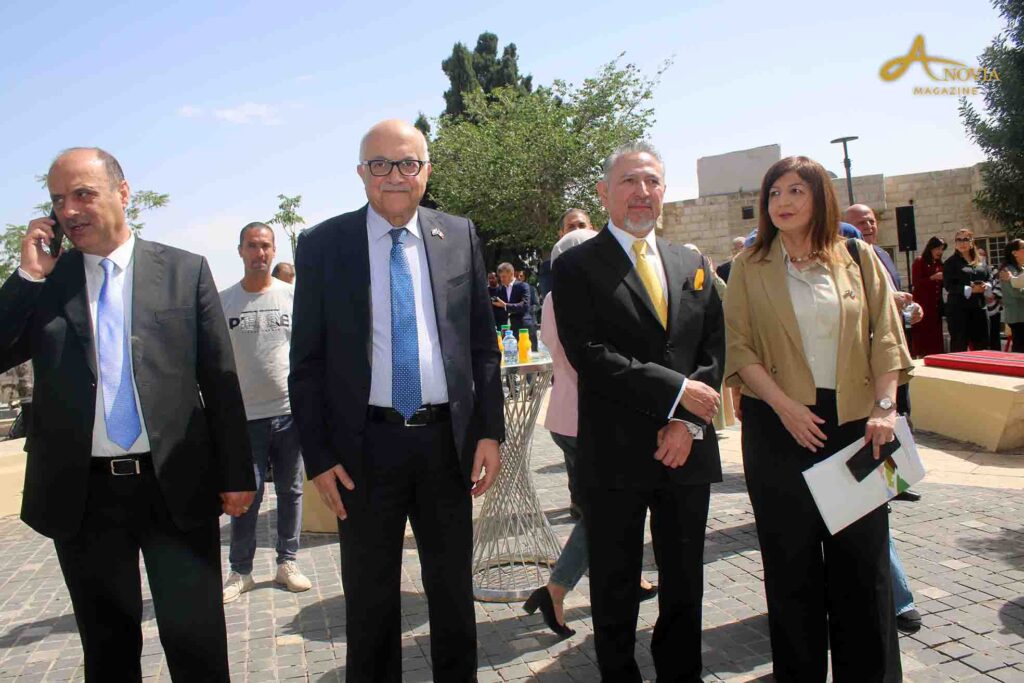
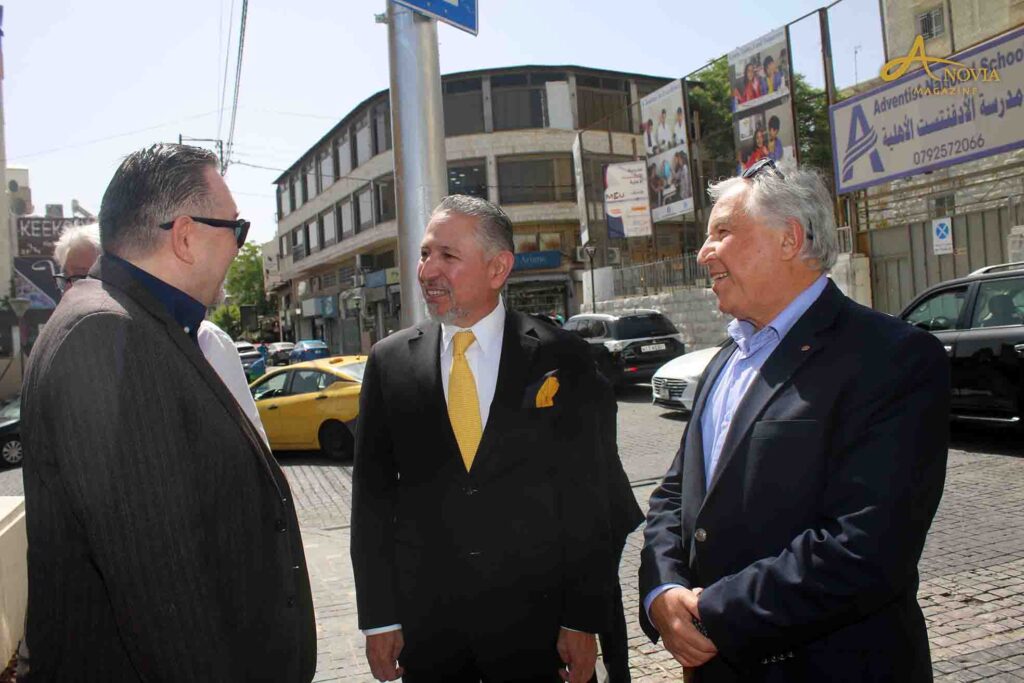
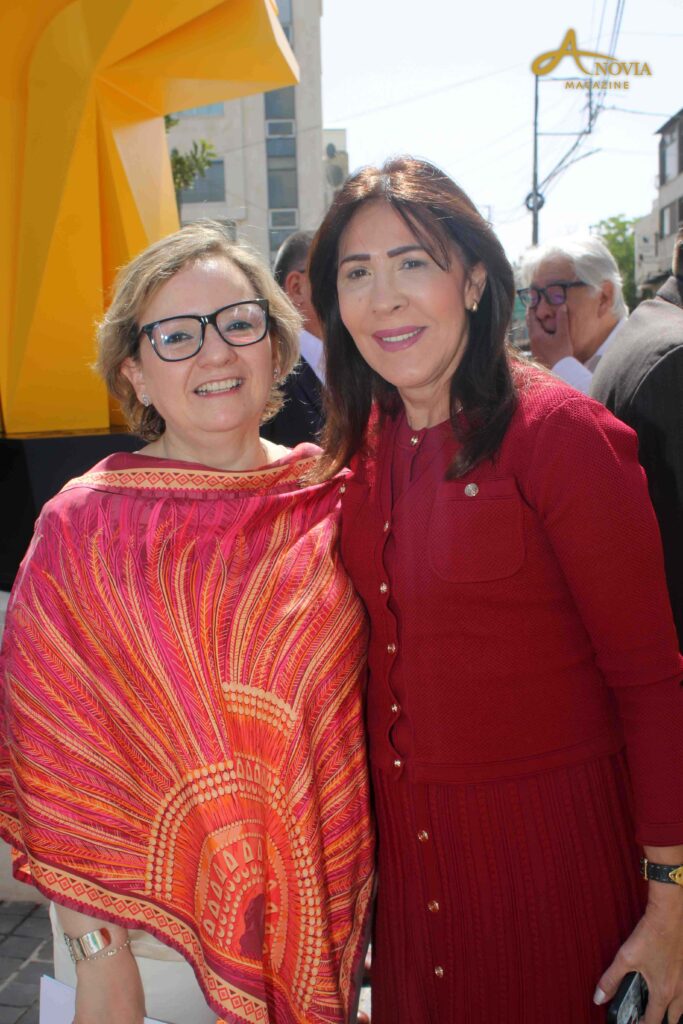
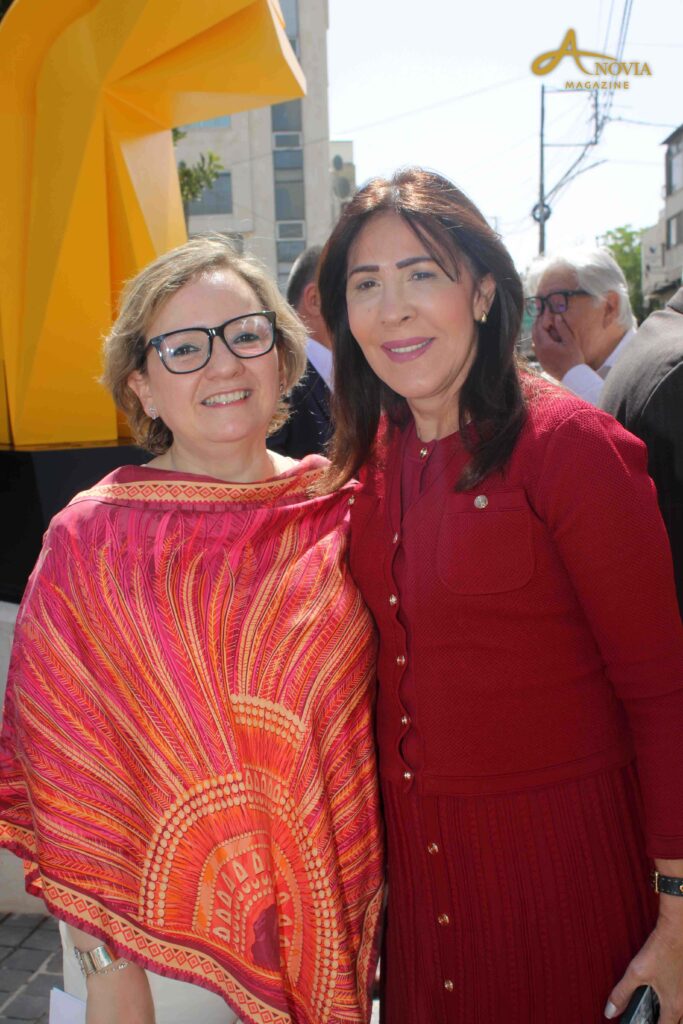
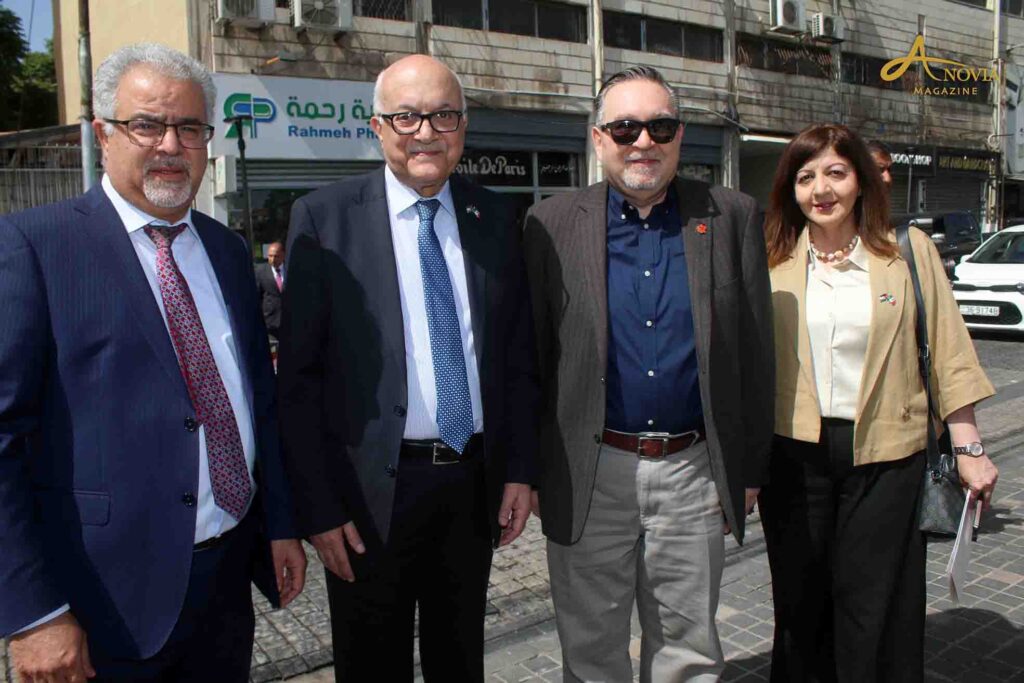
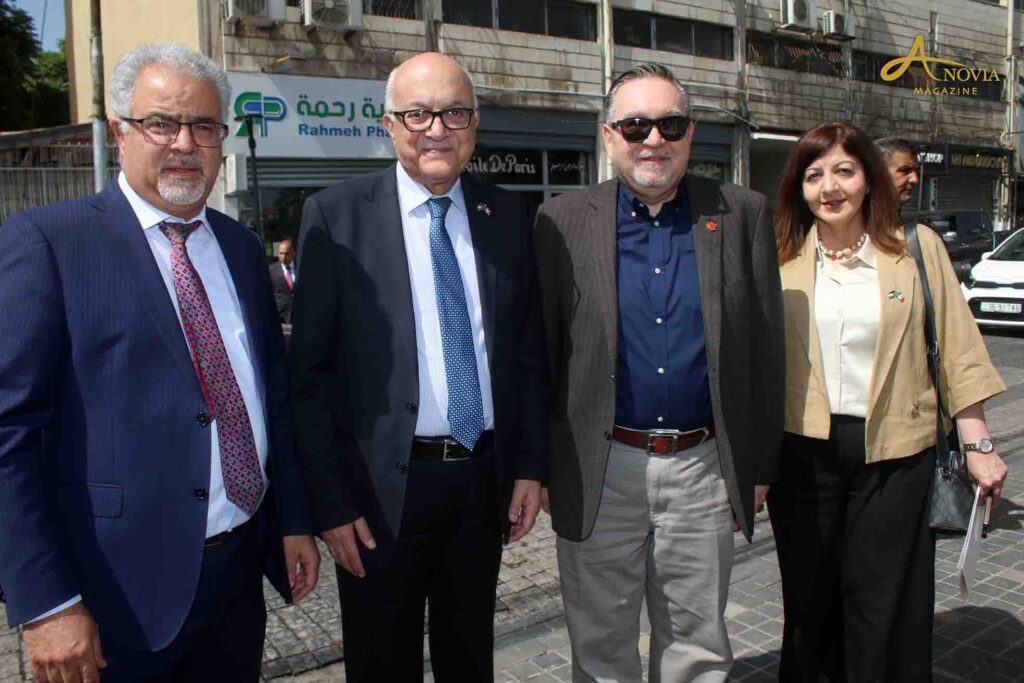
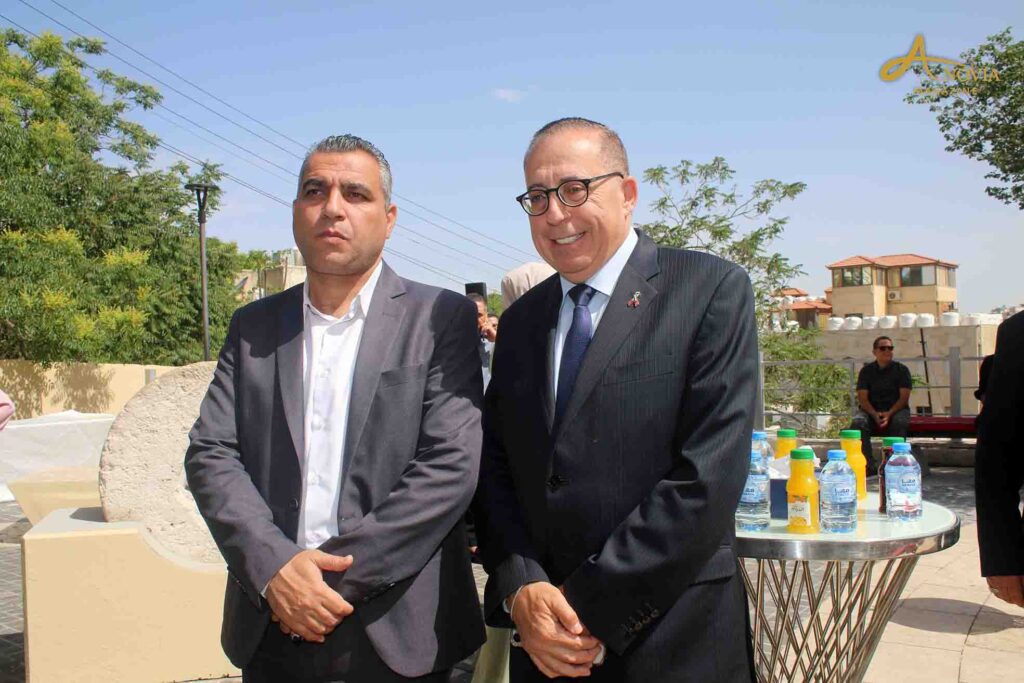
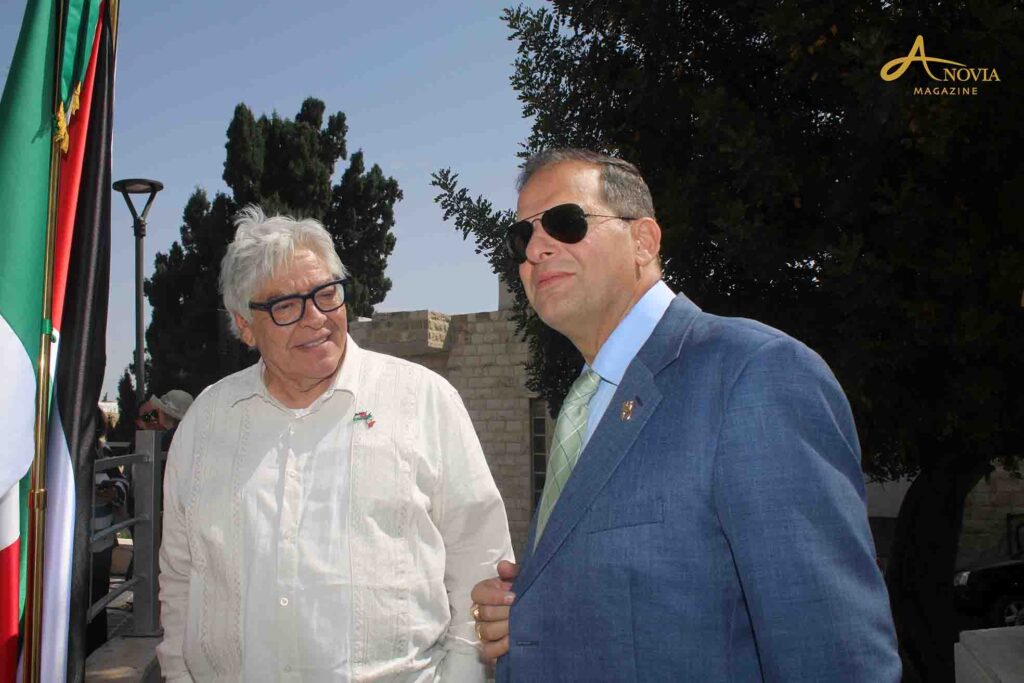
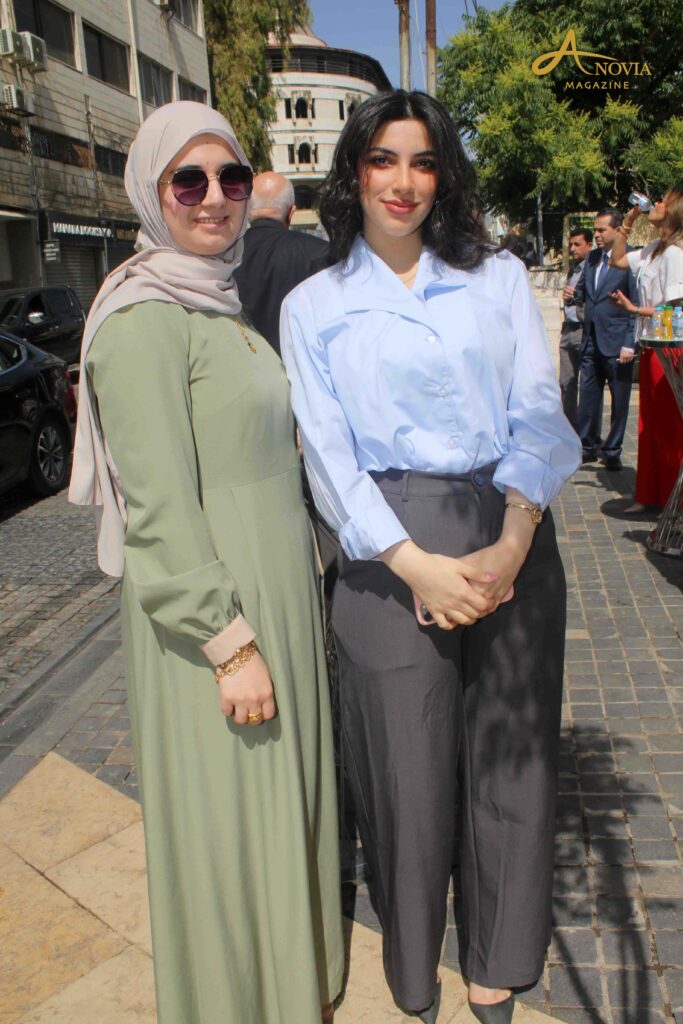
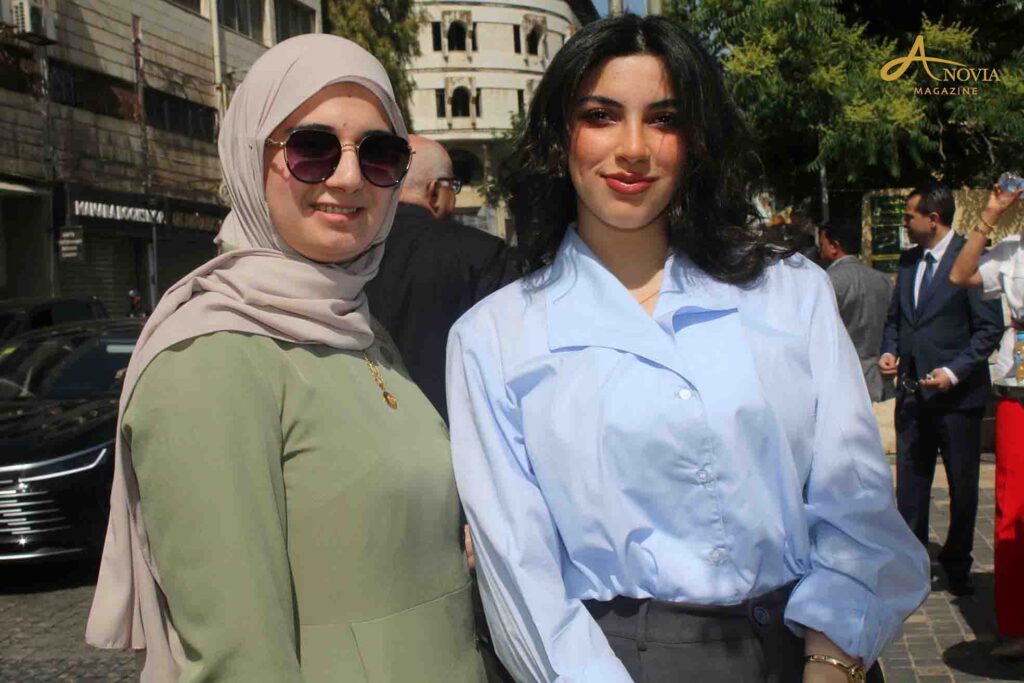
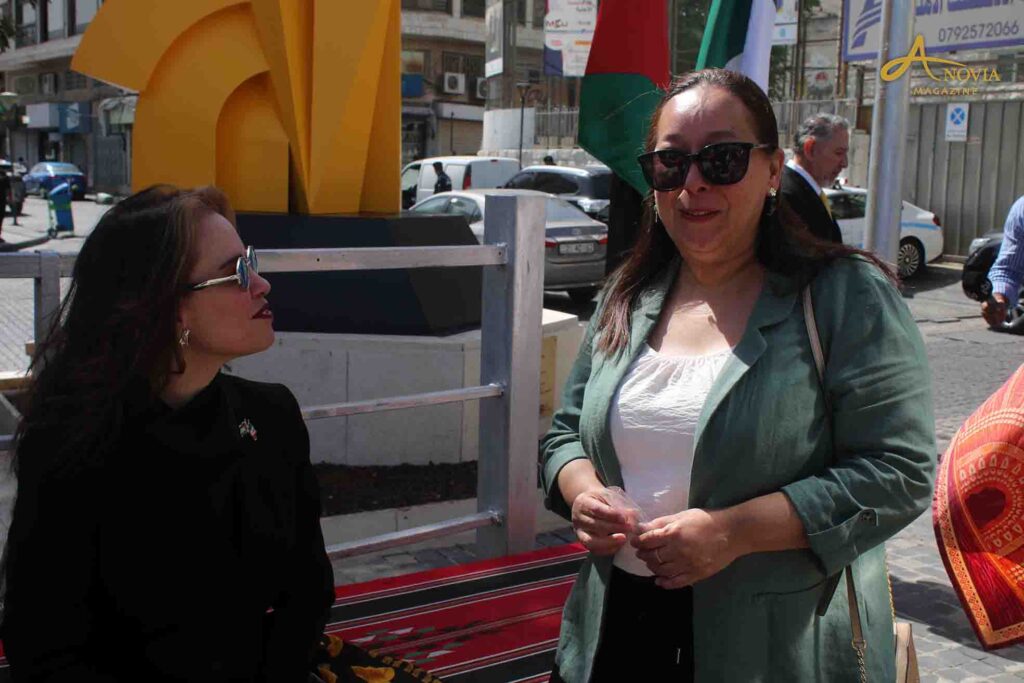
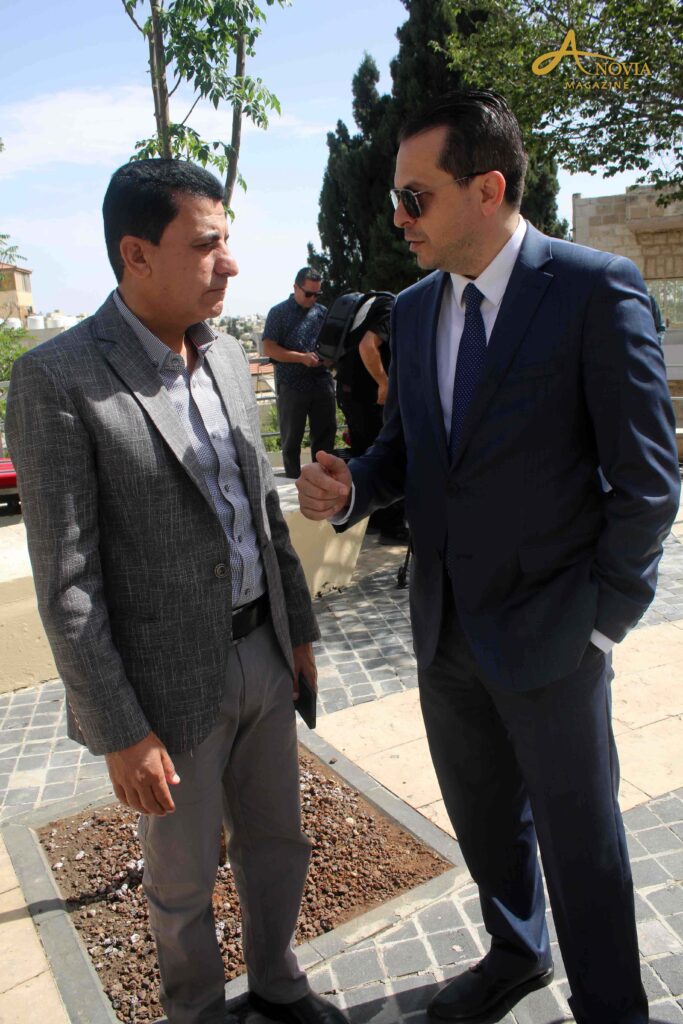
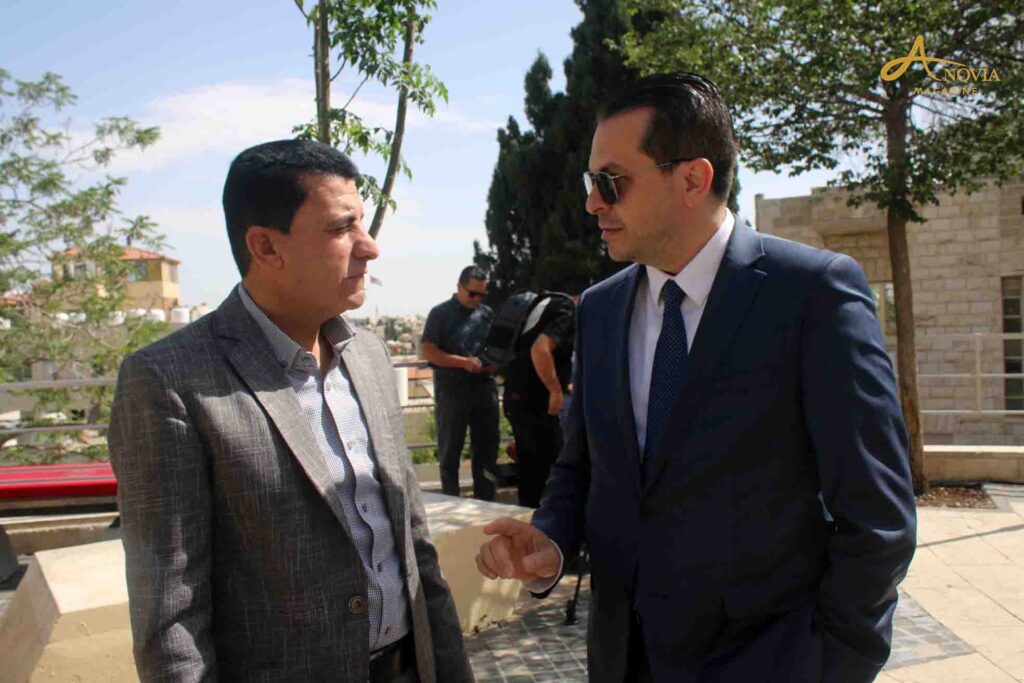
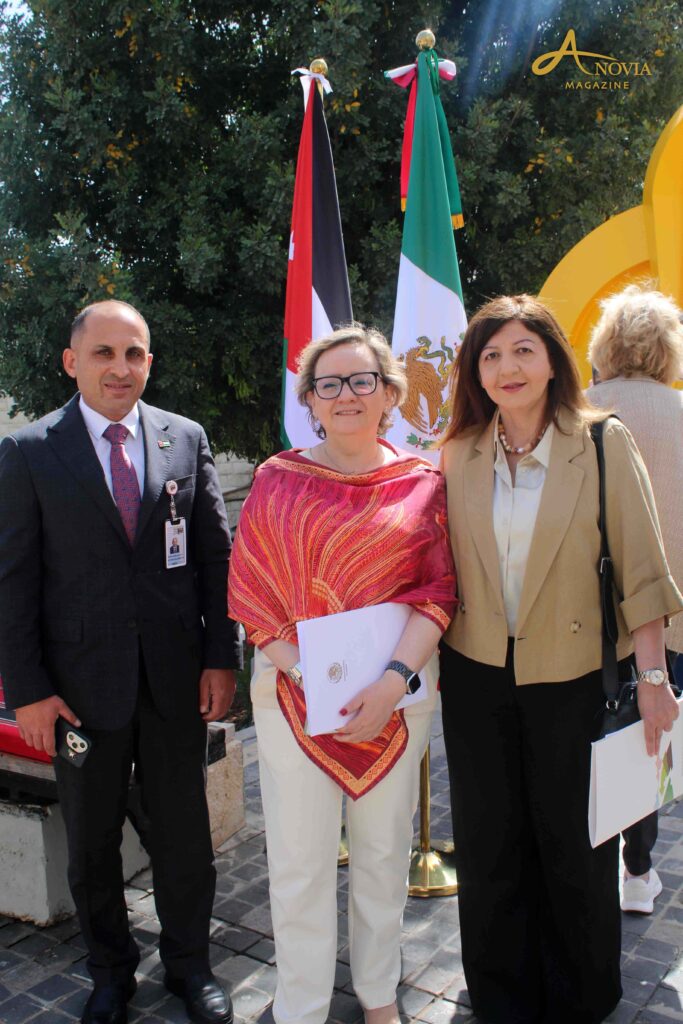
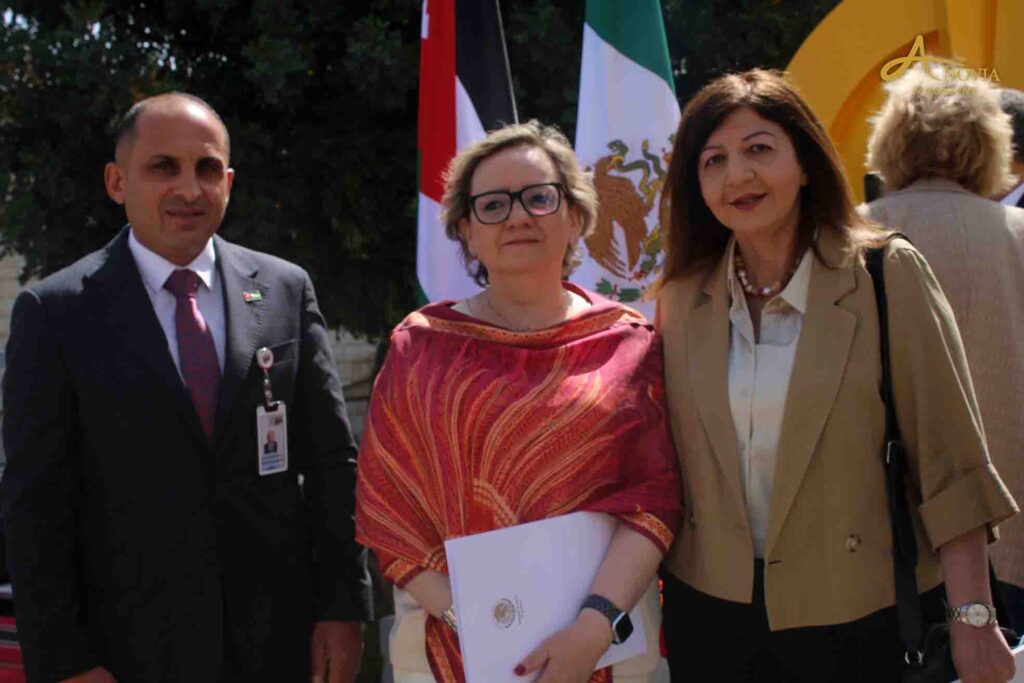
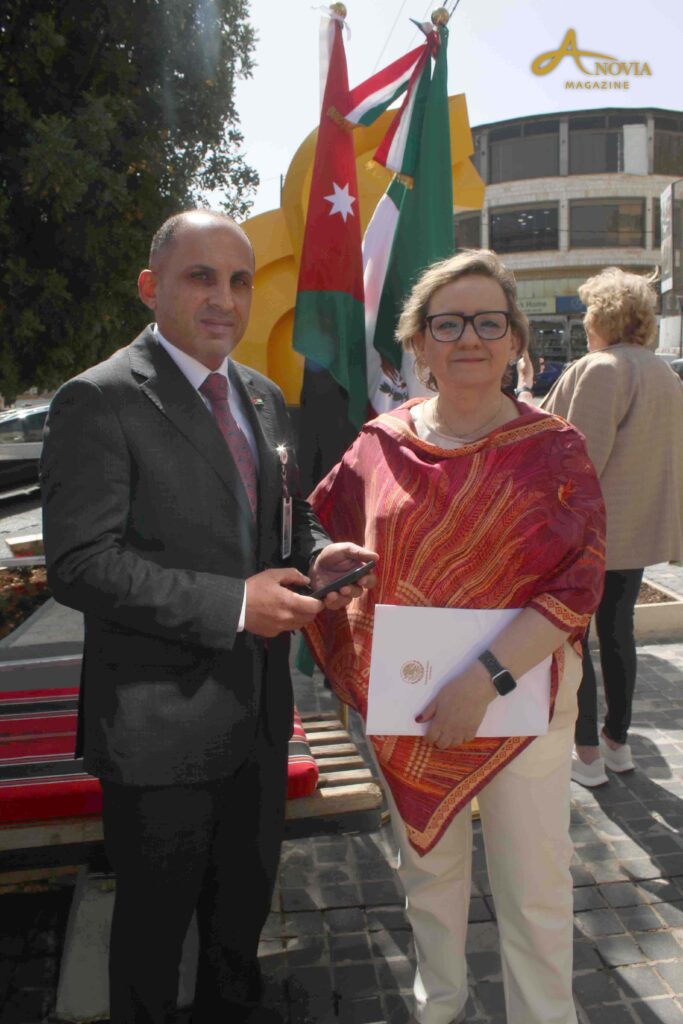
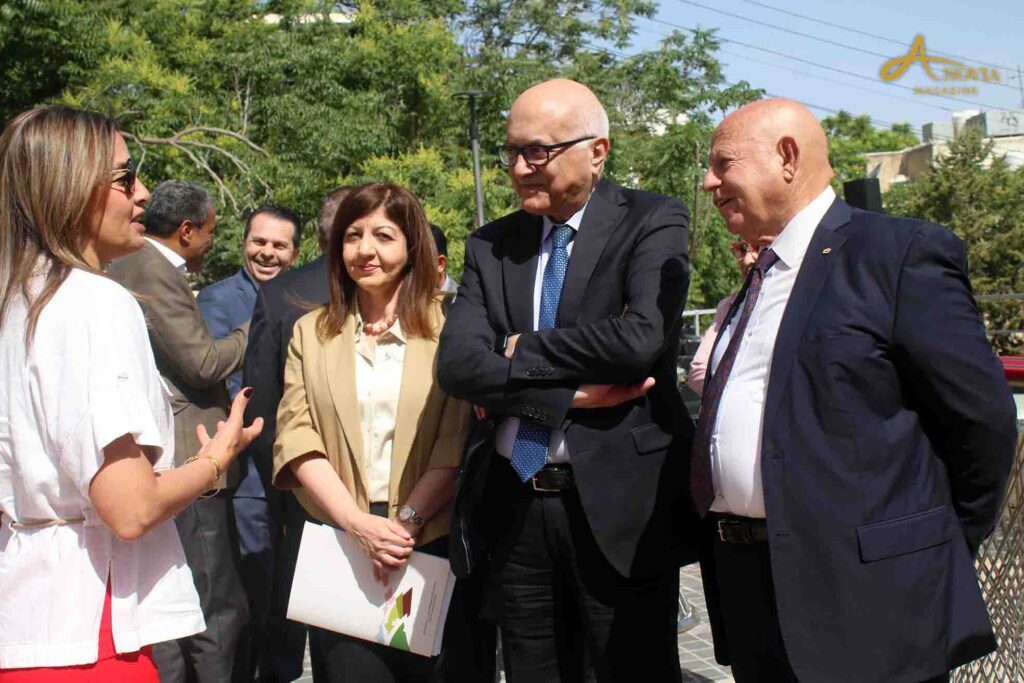
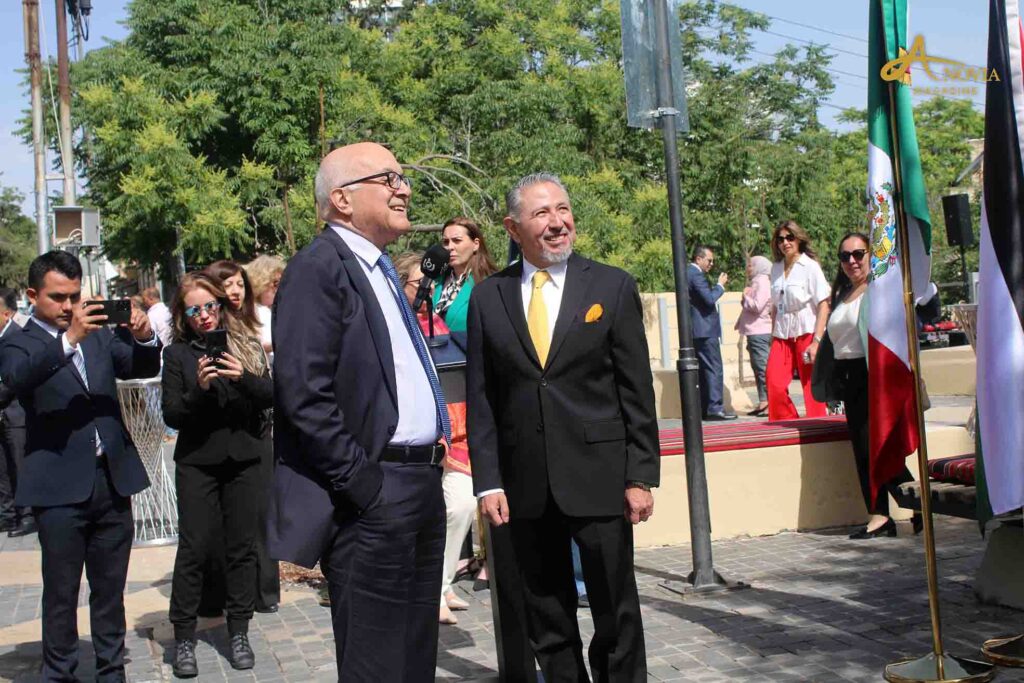
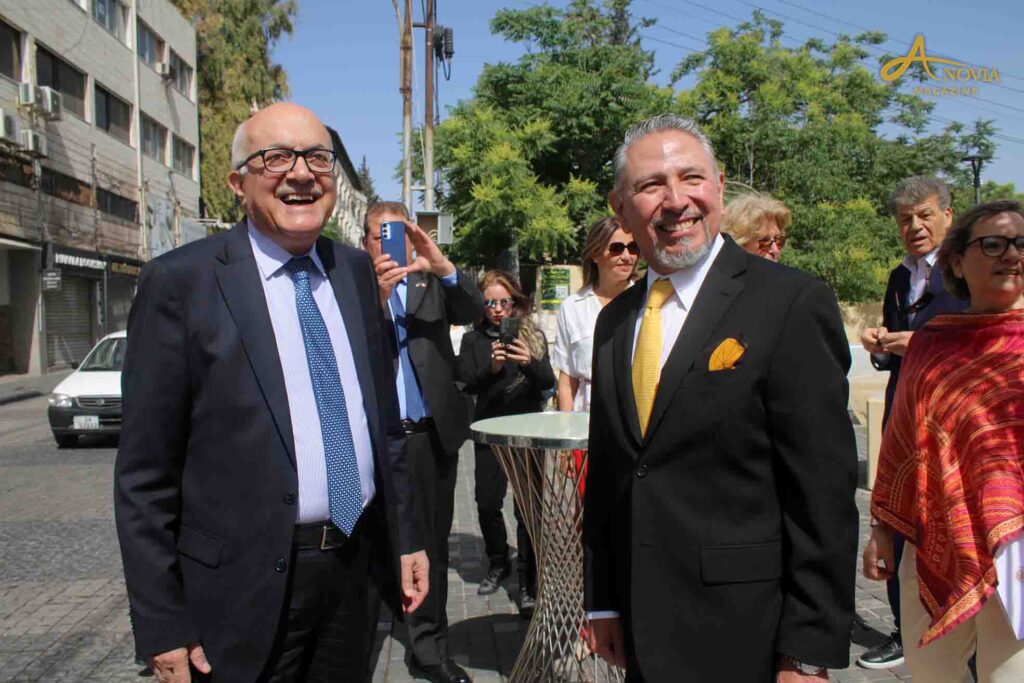
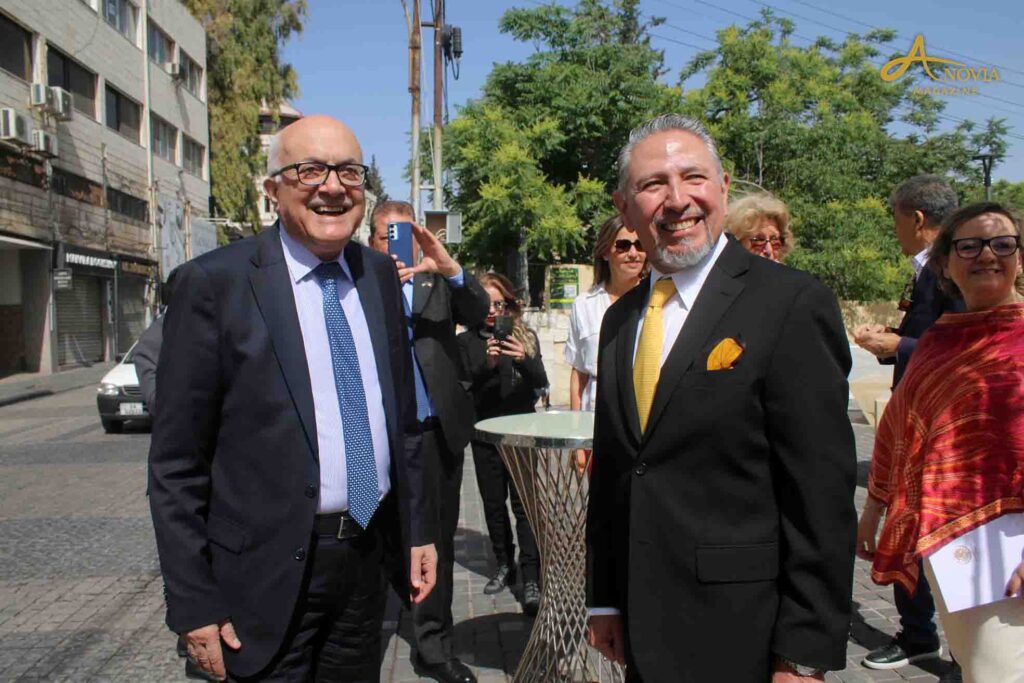
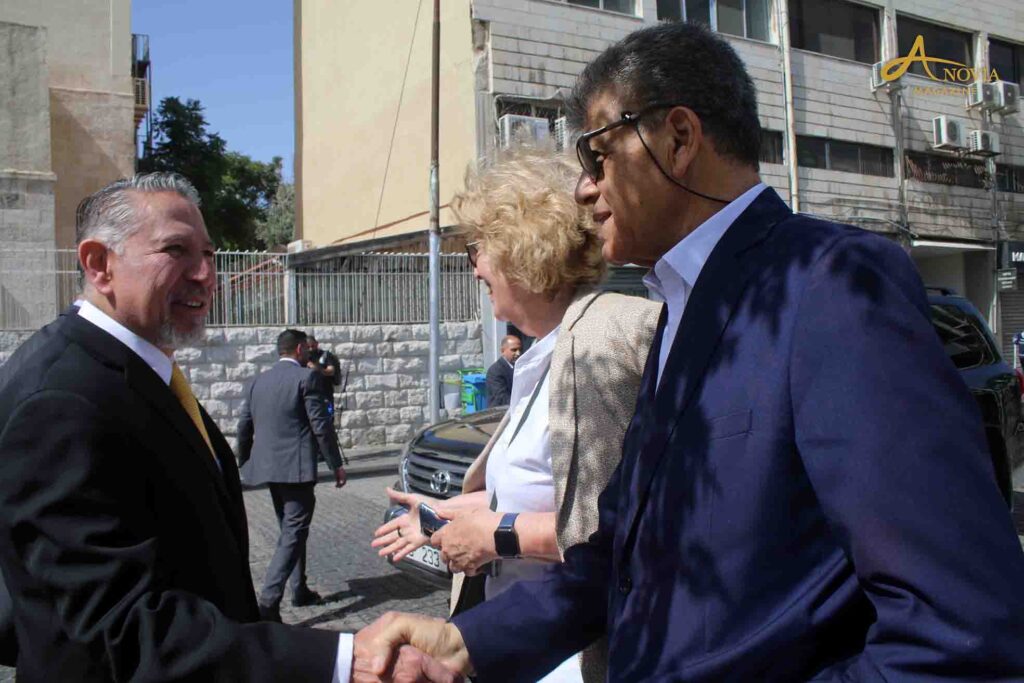
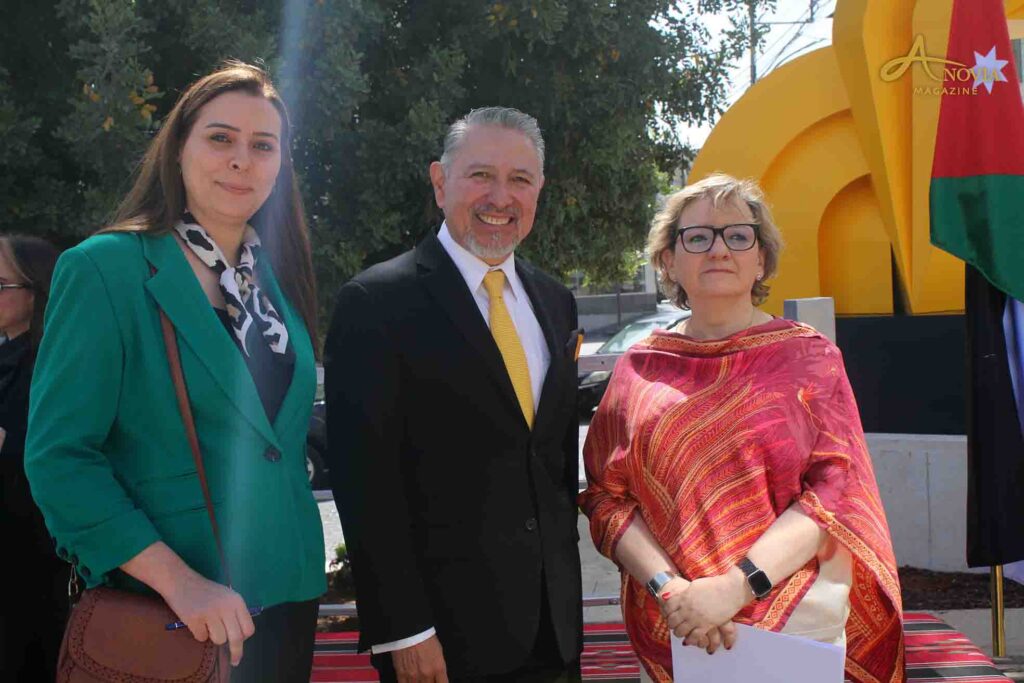
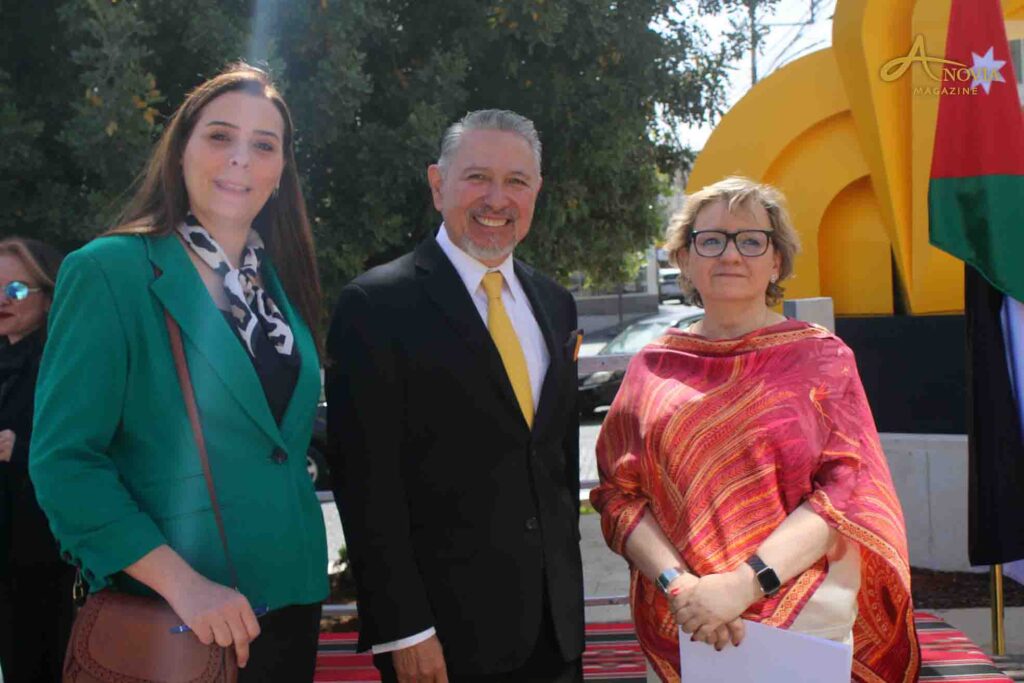
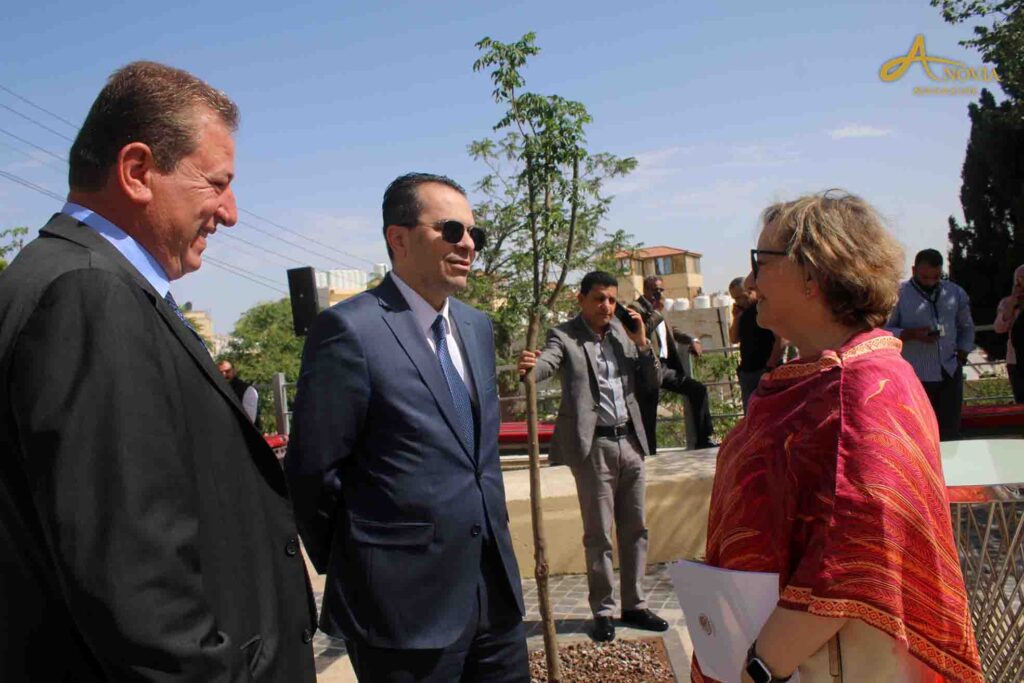
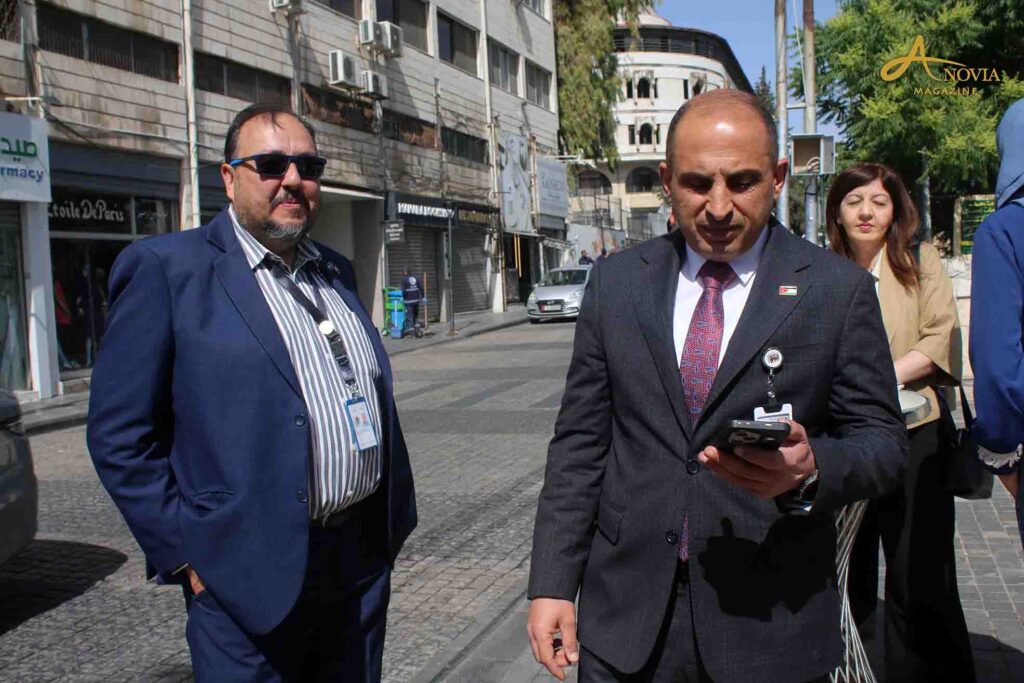
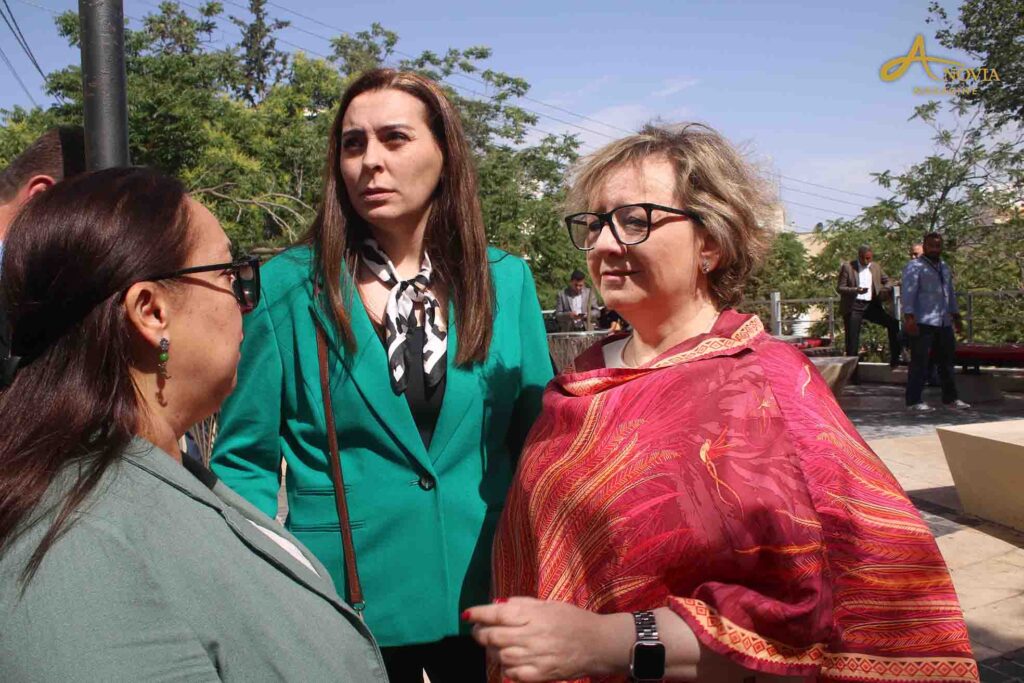
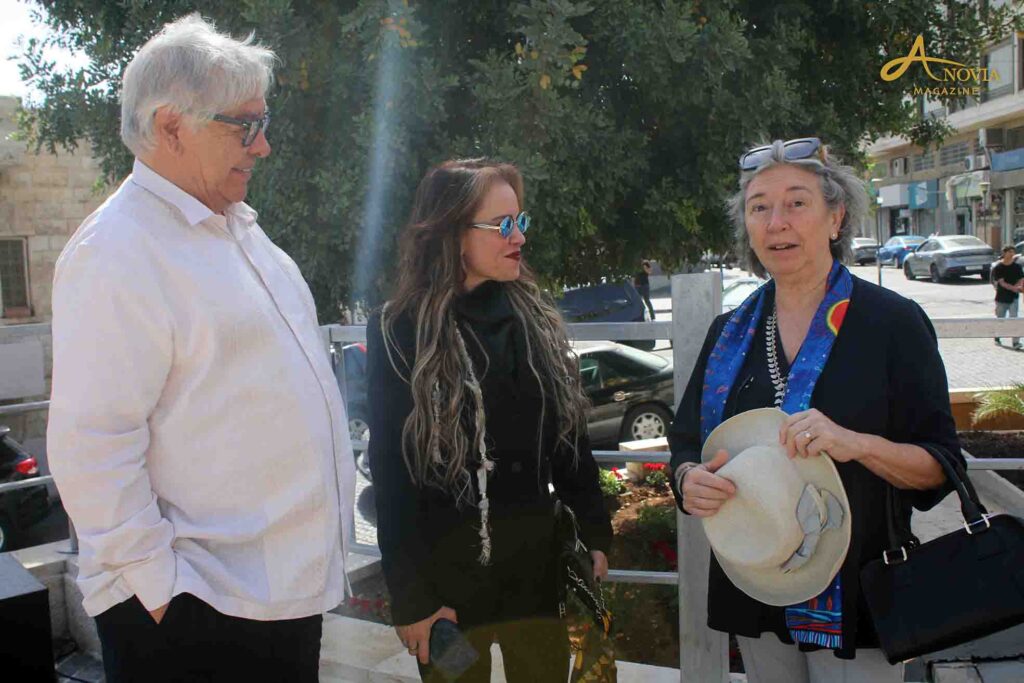
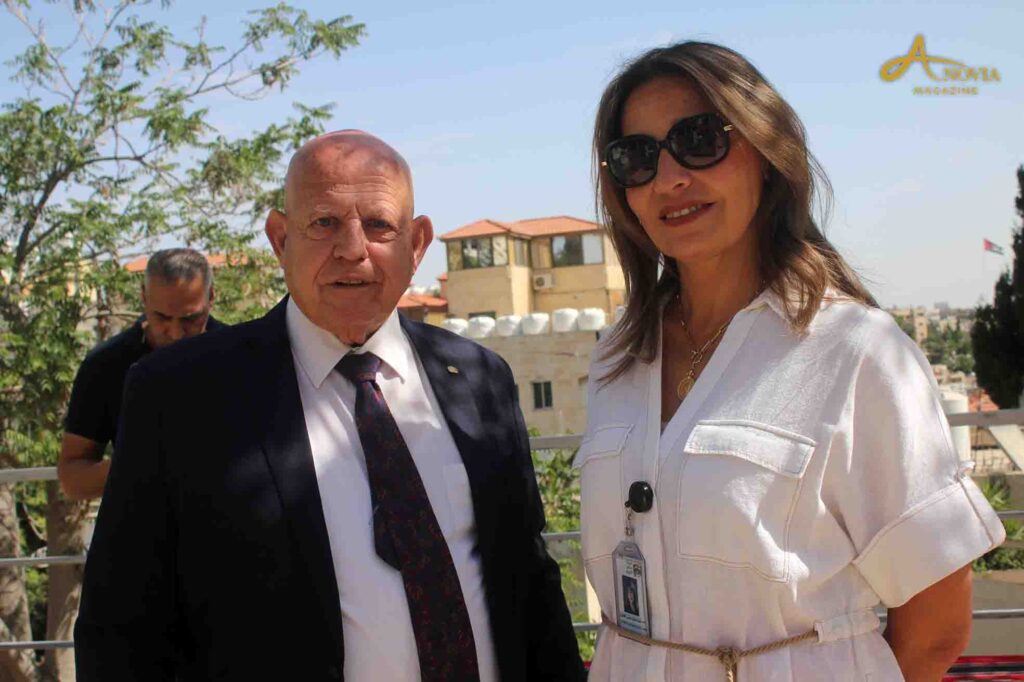
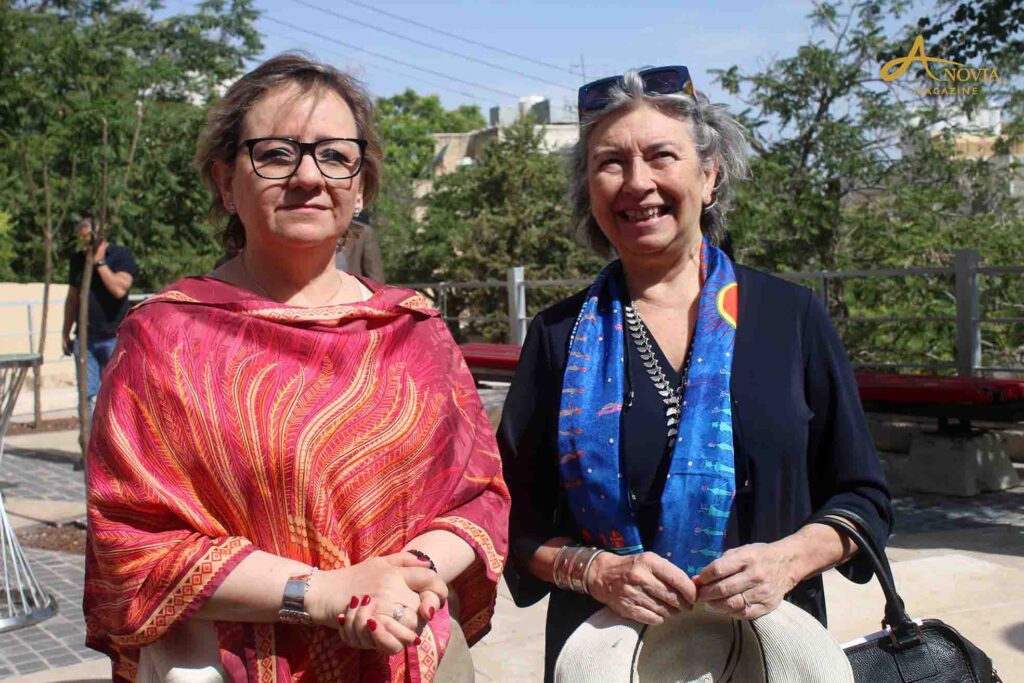
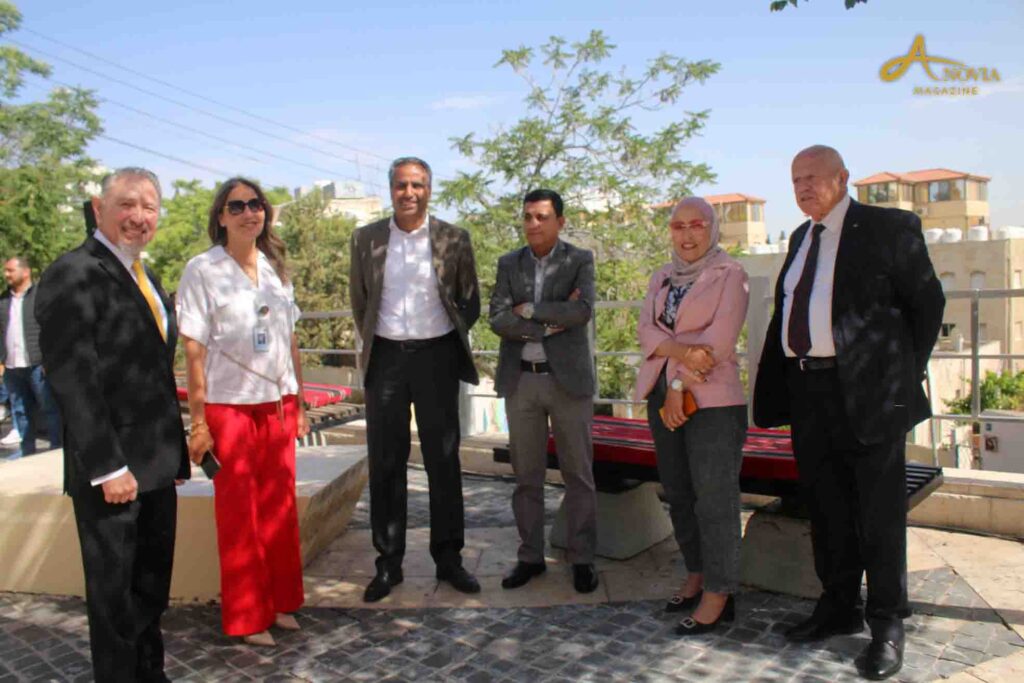
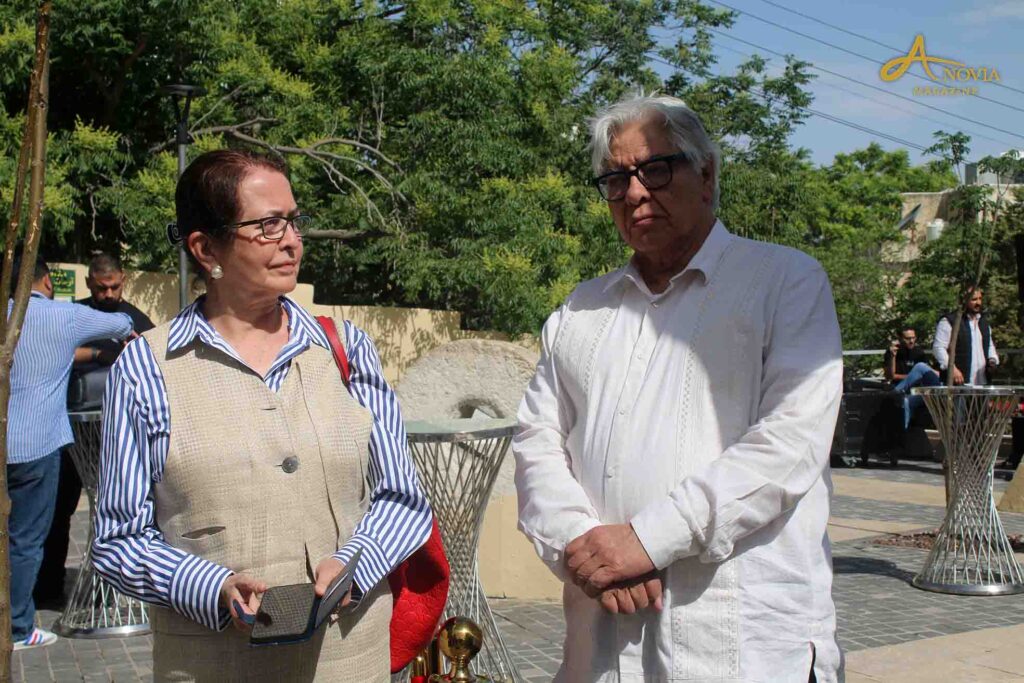
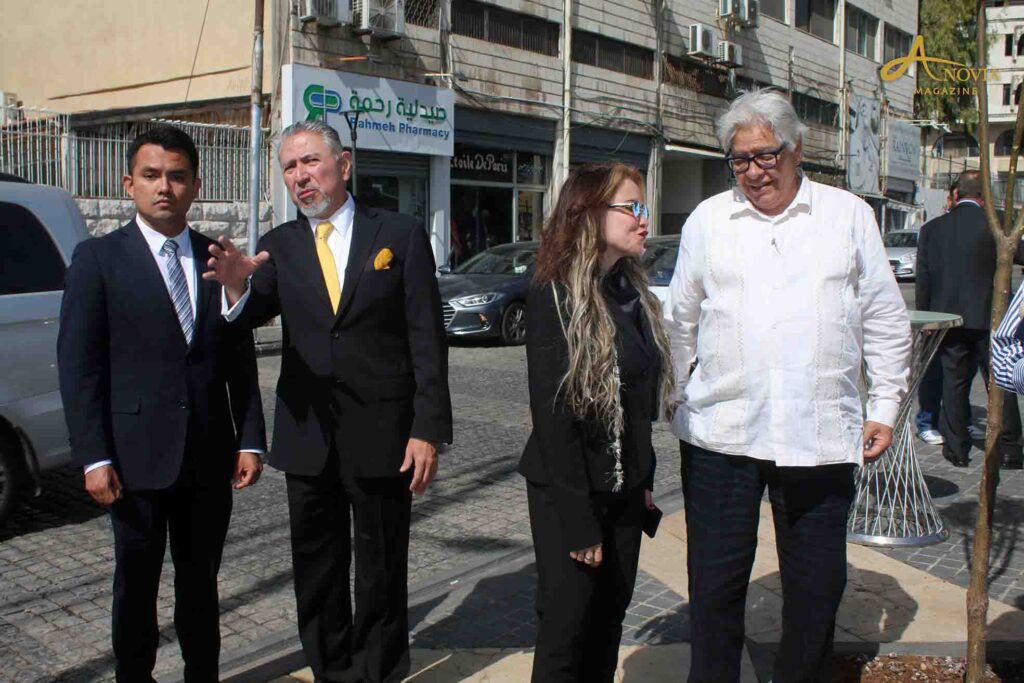
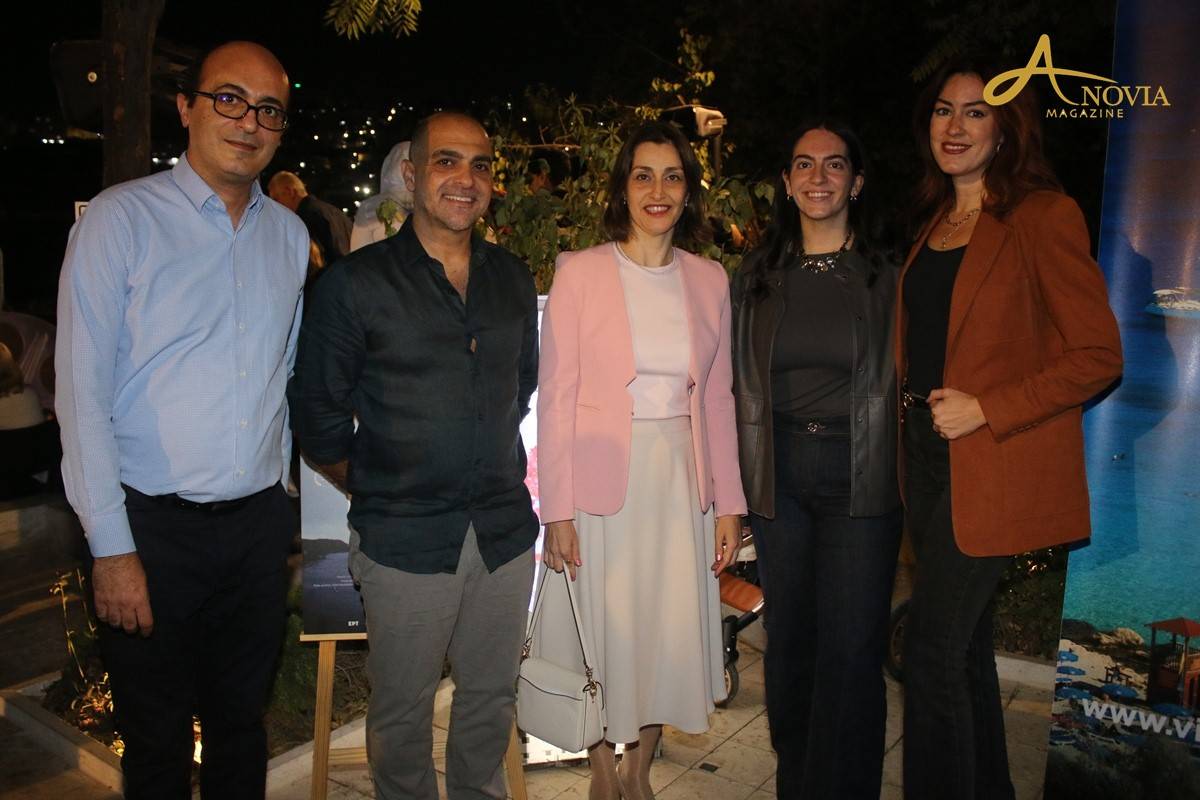
Attended by officials, diplomats, artists, cultural figures, members of the Mexican community, and friends of both countries, the event reflected the growing role of culture and public art in shaping modern diplomatic dialogue between nations.
Born Enrique Carbajal González in Chihuahua, Mexico, Sebastián is considered one of Latin America’s most influential contemporary sculptors. Internationally acclaimed for his monumental geometric works, the artist became known for transforming steel and concrete into sculptures that interact with architecture, movement, mathematics, and civic identity.
Across decades, Sebastián’s works have risen in major cities throughout Latin America, Europe, Asia, and North America, where they became more than artistic installations; they evolved into urban landmarks carrying symbolic and cultural significance.
Among his most celebrated creations is the original “El Caballito” in Mexico City, the towering yellow sculpture installed along Paseo de la Reforma that became one of the capital’s modern visual icons.
Yet Sebastián’s artistic philosophy extends beyond aesthetics alone. The sculpture itself was originally designed to assist in ventilating underground infrastructure beneath the avenue, reflecting his belief that art and functionality can coexist within the fabric of the modern city.
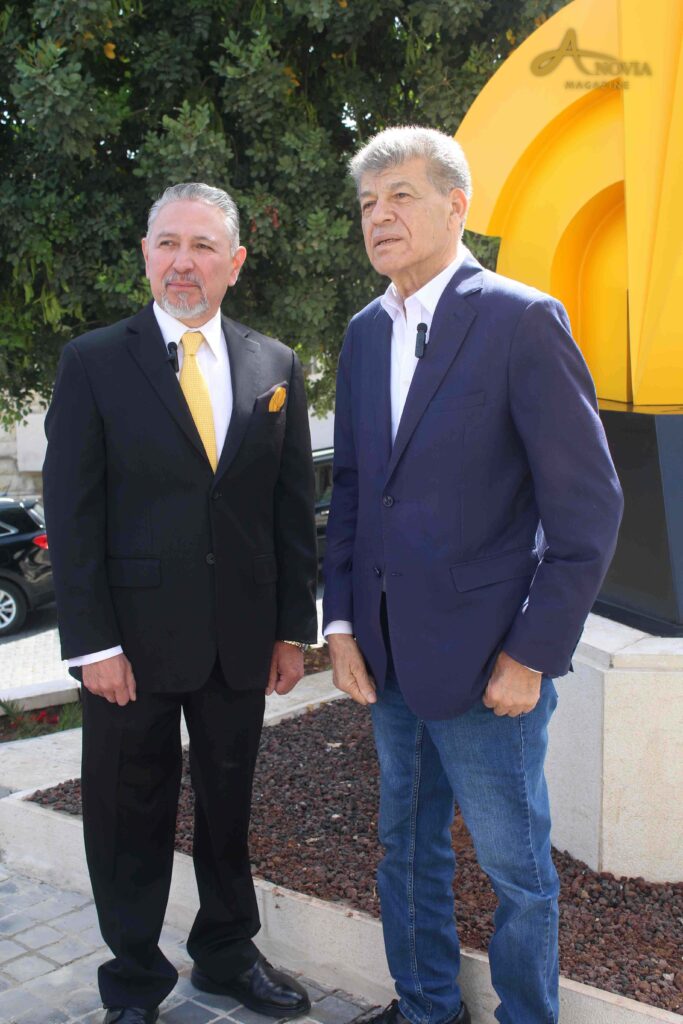
Speaking during the ceremony, Sebastián emphasized that art remains a universal language capable of transcending borders and bringing peoples closer together.
He expressed hope that “El Caballito” in Amman would become a lasting cultural landmark and a place of encounter, dialogue, and mutual understanding between Jordanians and Mexicans alike.
As guests gathered around the sculpture the evening reflected unveiling of a monumental artwork, and revealed how diplomacy can also be shaped through creativity, heritage, and shared cultural memory , where sculpture itself becomes a bridge between nations, and where public art transforms into a living symbol of friendship capable of enduring beyond politics and time.