Anovia – As global interest in experiential and heritage tourism continues to grow, northern Jordan offers sites that combine natural beauty with deep historical significance.
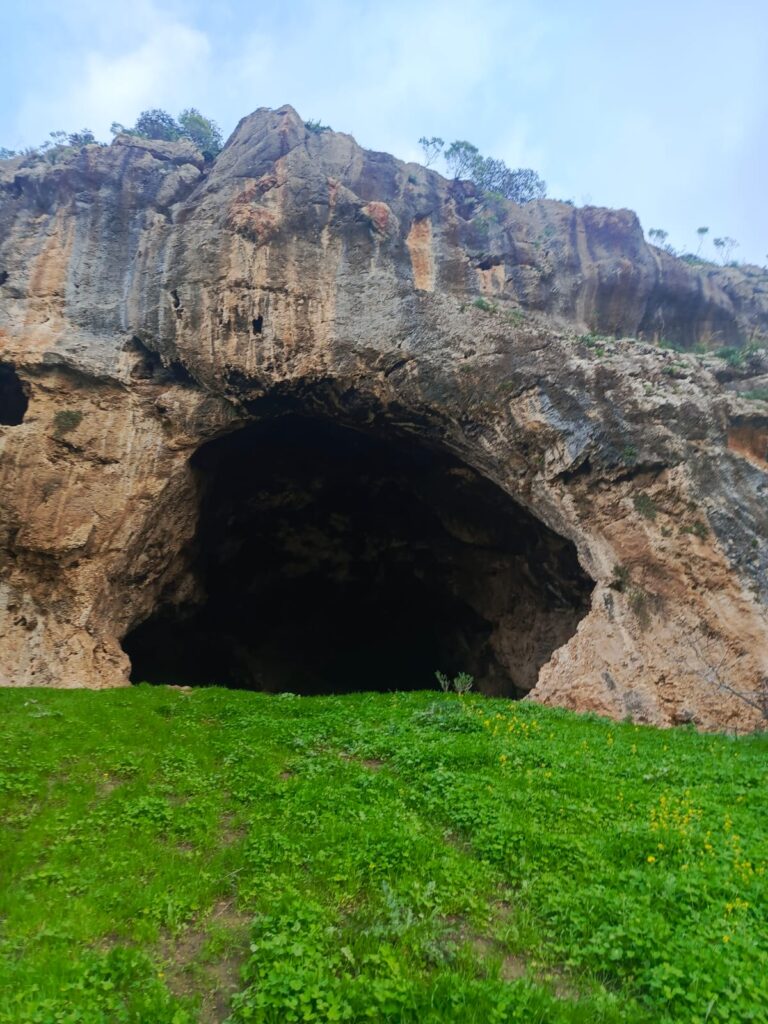
Among them is Iraq Al-Dubb Cave, located in Wadi Al-Rayyan near the town of Judayta in Al-Koura District, between the governorates of Irbid and Ajloun, recognized as one of Jordan’s largest natural caves representing an important intersection of archaeology, environmental heritage, and sustainable tourism potential.
Beyond its geological formation, Iraq Al-Dubb holds particular significance due to scientific discoveries confirming that it served as an early center of human settlement.
Archaeological evidence indicates that habitation at the site dates back to the Neolithic period, continuing through the Chalcolithic and Bronze Ages, placing the cave within a broader narrative of early civilization in the Levant region.
The cave reflects the long-standing relationship between humans and landscape in northern Jordan.
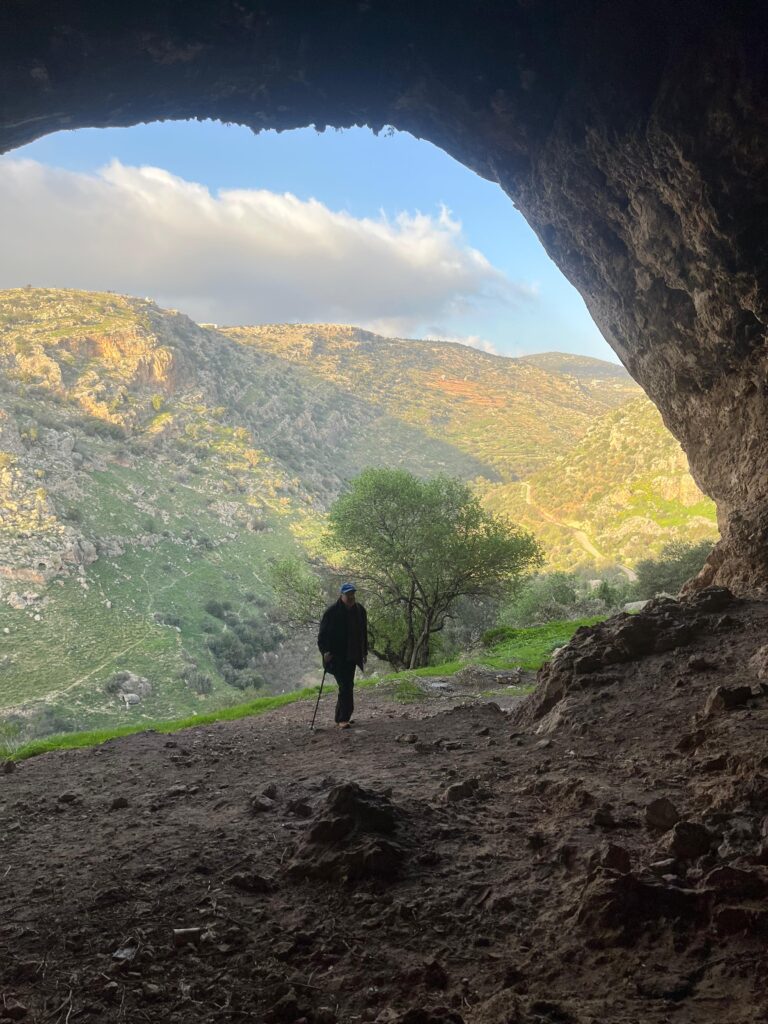
In an interview with Anovia, Dr. Ahmad Al-Shreideh, President of the Association for Human and Environmental Development, emphasized that “the cave’s archaeological and environmental dimensions position it as a promising destination for structured eco-tourism and responsible adventure activities.”
Excavations conducted in 1989 revealed that the cave was inhabited during the pre-pottery Neolithic period.
Researcher uncovered residential structures built from mud and stone, clay floors, and a fireplace within a circular architectural formation, strong indicators that the site functioned as a semi-permanent dwelling rather than a temporary refuge.
“Further discoveries included two human burials beneath the cave floors, alongside a range of stone tools such as flint blades, arrowheads, grinding implements, and stone hammers,” said Al-Shreideh, and added that these findings offer valuable insight into the daily life and subsistence practices of prehistoric communities and reinforce the role of northern Jordan’s mountainous and forested landscapes as early centers of human development.
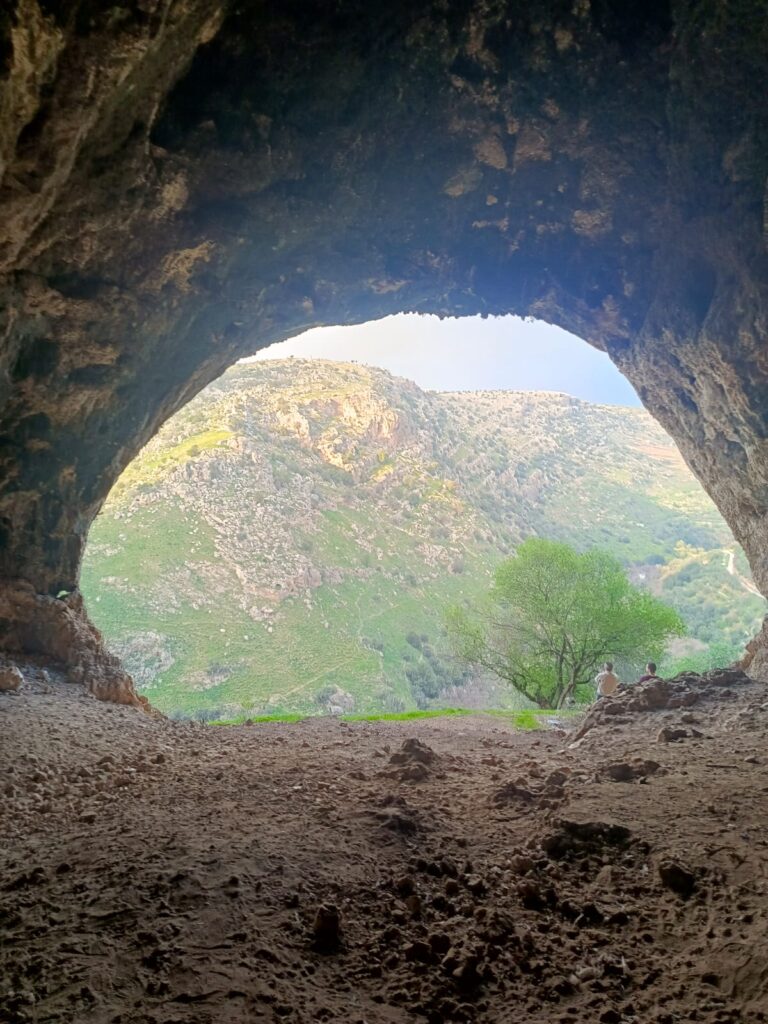
Today, Iraq Al-Dubb also attracts outdoor enthusiasts, particularly during the spring season, when trained adventure groups organize controlled rappelling activities from the cave’s summit, which rises more than 40 meters above ground level.
Access to the site involves a scenic three-kilometer hiking trail from Wadi Al-Rayyan, adding a physical and immersive dimension to the visitor experience.
Within Jordan’s expanding tourism framework, which increasingly integrates archaeology, nature, and adventure, Iraq Al-Dubb Cave stands as a compelling example of how heritage and landscape can be preserved, interpreted, and responsibly activated for both domestic and international audiences.