A journey through history, culture, and living landscapes
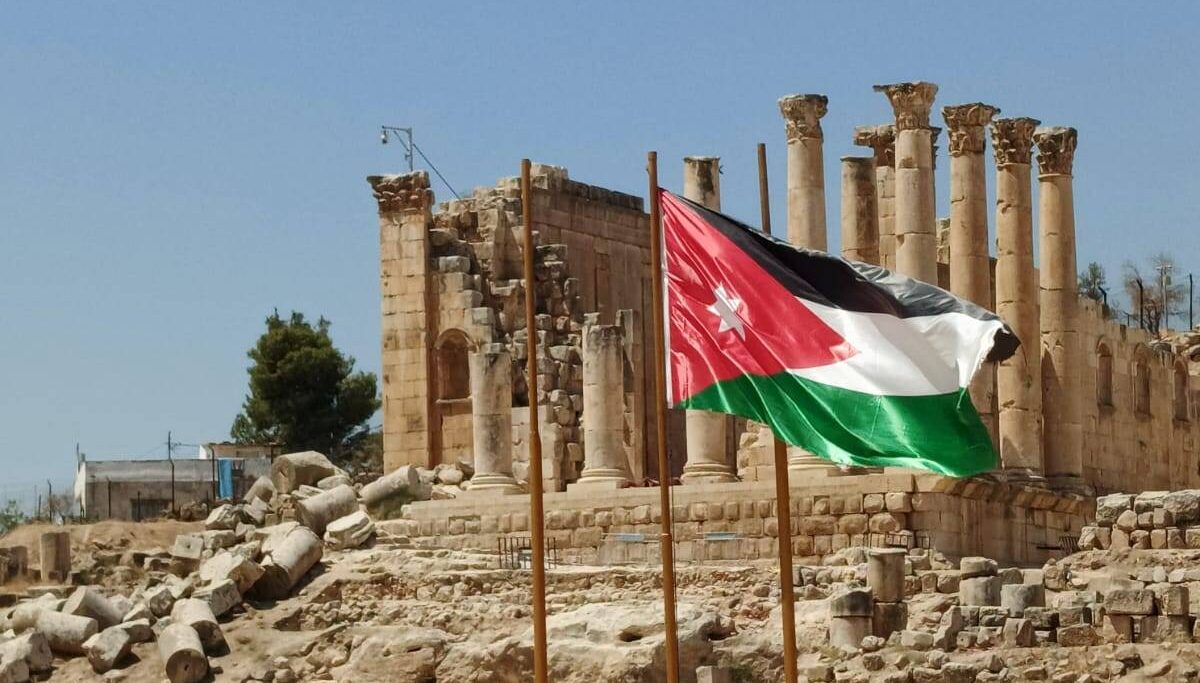
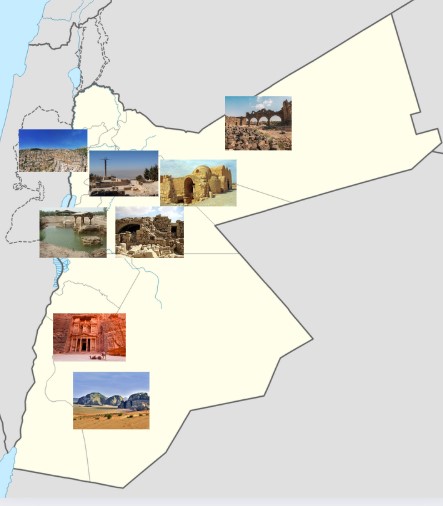
In Jordan, heritage is not locked behind glass or confined to the past. It lives in stone, breathes through landscapes, and echoes in stories passed down across generations. From carved rose-red cliffs to quiet desert palaces, Jordan’s UNESCO World Heritage Sites tell a deeply human story — one of movement, belief, resilience, and coexistence. Together, they reveal a kingdom shaped not by a single civilization, but by many voices layered across time.
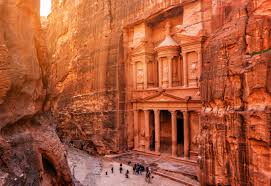
Petra
Year of inscription: 1985
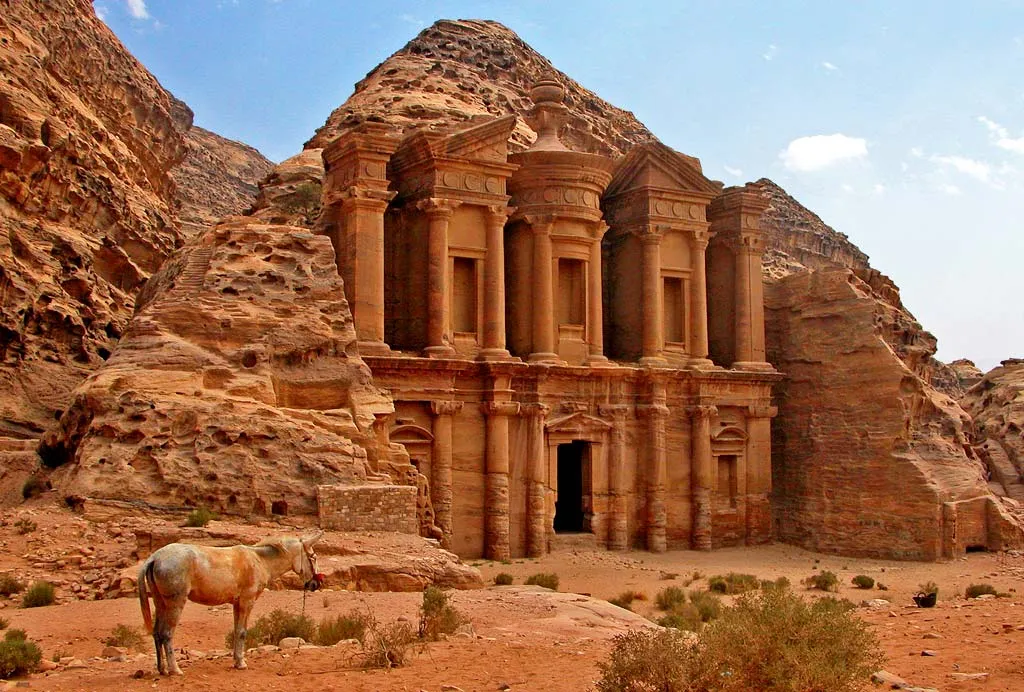
Inhabited since prehistoric times, Petra is a Nabataean caravan city strategically located between the Red Sea and the Dead Sea. It once stood at a major crossroads linking Arabia, Egypt, and Syria-Phoenicia. Half-built and half-carved into rose-red sandstone, Petra is encircled by mountains pierced with passages and gorges. It is among the world’s most celebrated archaeological sites, where ancient Eastern traditions merge seamlessly with Hellenistic architecture. Set within a dramatic red sandstone landscape, Petra ranks among the largest and richest archaeological complexes worldwide.
Petra’s Outstanding Universal Value lies in its vast array of monumental tombs and temples, sacred high places, and sophisticated water management systems—channels, tunnels, diversion dams, cisterns, and reservoirs—designed to conserve seasonal rainfall. The site’s architectural ensemble, including the Khazneh (Treasury), Urn Tomb, Palace Tomb, Corinthian Tomb, and the Deir (Monastery), represents a unique artistic achievement of the first centuries BC to AD. The layered archaeological remains—from prehistoric to medieval periods—bear exceptional testimony to successive civilizations now lost.
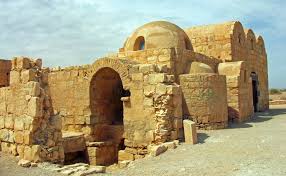
Quseir Amra
Year of inscription: 1985
Built in the early 8th century beside Wadi Butum, Quseir Amra is an Umayyad desert complex that functioned as both a fortified outpost and a pleasure palace. Exceptionally well preserved, the compact structure includes a reception hall and a hammam with changing, warm, and hot rooms, all adorned with richly figurative murals reflecting the secular art of the period.
The frescoes of Quseir Amra are unique within Umayyad Islamic architecture. They reveal influences from classical pagan themes, Byzantine portraiture, hunting scenes, and depictions of animals and birds, accompanied by Greek and Arabic inscriptions. Notably, the zodiac painted on the caldarium dome is among the earliest surviving celestial maps on a domed surface. The complex exemplifies a distinctive architectural type linked to early Islamic administrative strategies in the semi-arid regions east of Amman.
Umm ar-Rasas
Year of inscription: 2004
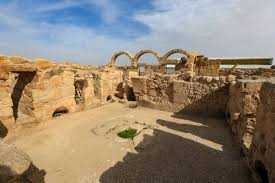
Located southeast of Madaba on the edge of the semi-arid steppe, Um er-Rasas began as a Roman military camp and evolved into a town from the 5th century onward. Largely unexcavated, the site preserves remains from Roman, Byzantine, and Early Islamic periods, including a fortified camp and sixteen churches—several with remarkably preserved mosaic floors. The mosaic of St Stephen’s Church, depicting regional towns, is especially notable. A tall square tower and adjacent structures are linked to the practice of stylitism—ascetic monks who lived atop columns or towers.
The site’s value lies in its extensive Byzantine–Umayyad settlement, encompassing churches with mosaics of outstanding artistic quality. The mosaic “map” floors—labelled in Greek—serve as both artistic masterpieces and geographic records. Additional churches depict animals, birds, hunters, and fishermen within elaborate geometric carpets. The stylite tower, rising 14 meters, vividly conveys the ascetic lifestyle. Archaeology and inscriptions attest to the tolerance and continuity of monastic Christianity during the early Islamic period, illustrating the spread of monotheistic beliefs.
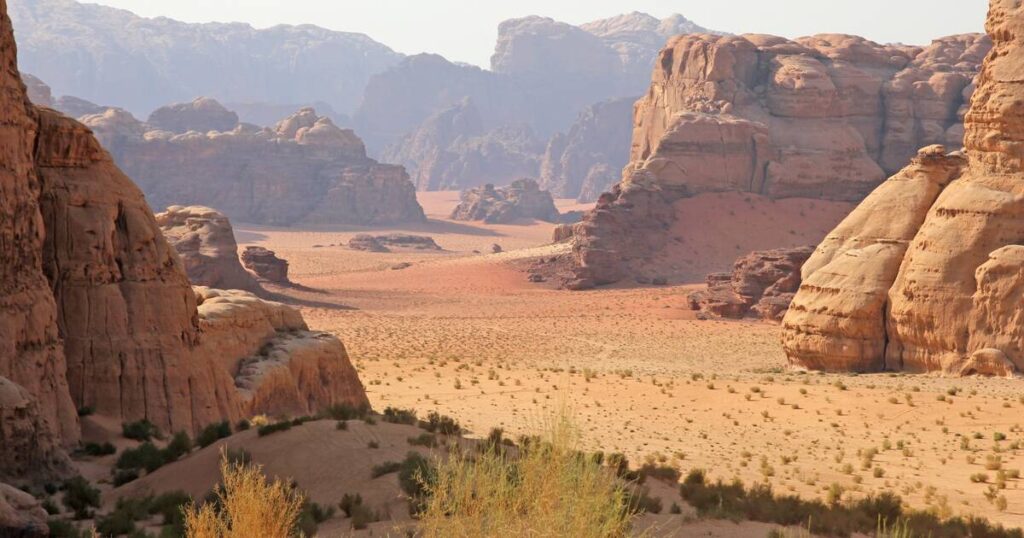
Wadi Rum
Year of inscription: 2011
Covering approximately 74,000 hectares in southern Jordan near the Saudi border, Wadi Rum features a spectacular desert landscape of narrow gorges, natural arches, towering cliffs, ramps, landslides, and caverns. Petroglyphs, inscriptions, and archaeological remains testify to 12,000 years of human presence. Together, 25,000 rock carvings and 20,000 inscriptions trace the evolution of human thought and the early development of writing, alongside pastoral, agricultural, and urban activities.
Wadi Rum’s natural landforms—shaped within continental sandstones—reflect millions of years of geological evolution influenced by tectonics, weathering, and erosion. The site’s cultural record documents long-term human interaction with the environment, offering a comprehensive narrative of the Arabian Peninsula’s environmental and cultural history.
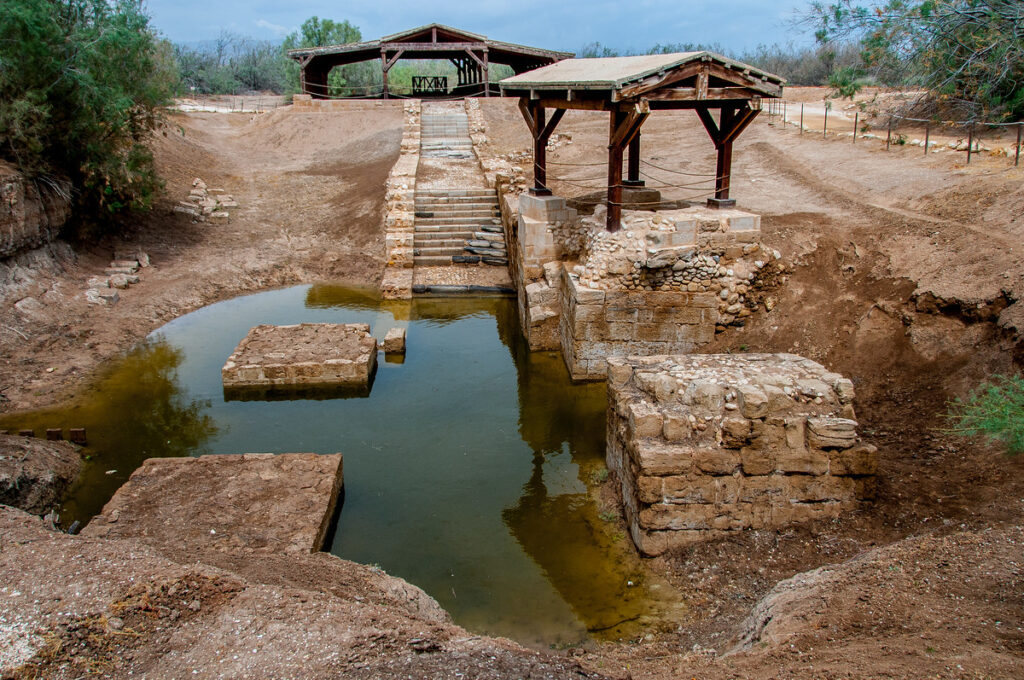
Baptism Site “Bethany Beyond the Jordan” (Al-Maghtas)
Year of inscription: 2015
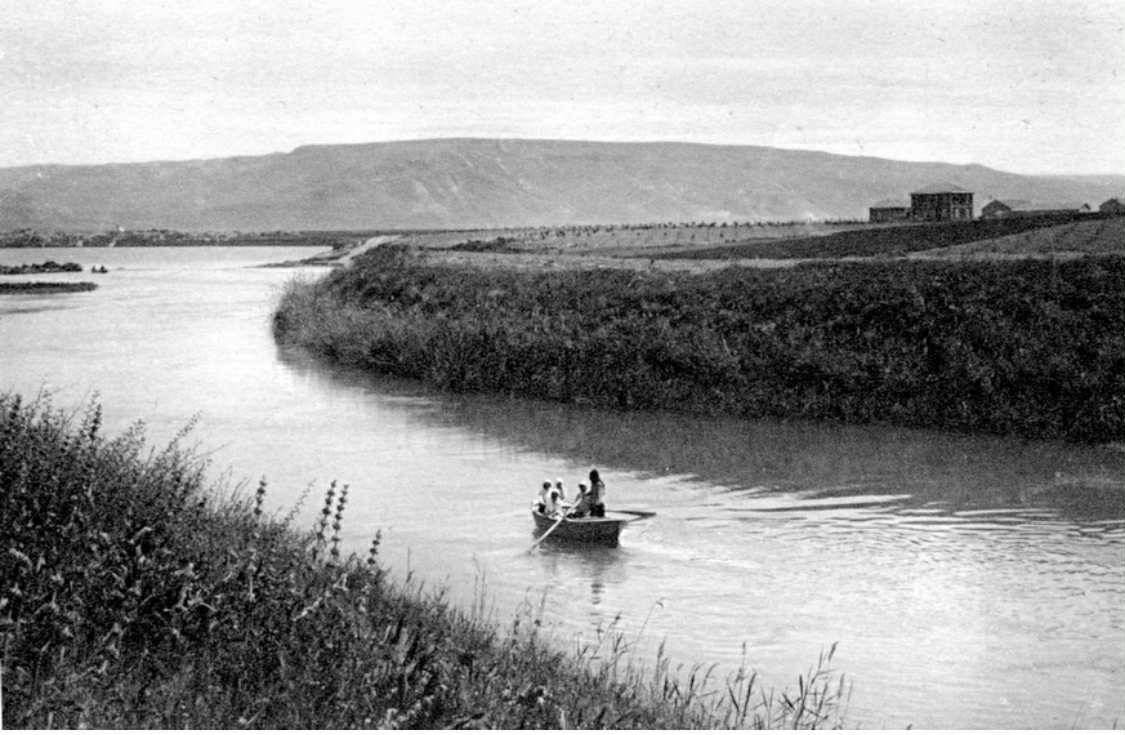
Situated on the eastern bank of the River Jordan, nine kilometres north of the Dead Sea, Al-Maghtas comprises two main areas: Tell Al-Kharrar (Jabal Mar-Elias) and the churches of Saint John the Baptist near the river. Set within a pristine natural environment, the site is traditionally believed to be where Jesus of Nazareth was baptized by John the Baptist. Roman and Byzantine remains include churches, chapels, a monastery, hermit caves, and baptismal pools, underscoring its enduring religious significance.
Archaeological features—water systems, pools, churches, chapels, hermit caves, and a cruciform baptismal pool—mark the commemoration of the baptism event and the site’s early sanctity. Recognized by the majority of Christian denominations, Al-Maghtas also holds associations with the lives of Elijah and Elisha, giving it shared relevance across monotheistic faiths.

As-Salt
Year of inscription: 2021
Built across three closely spaced hills in the Balqa highlands, As-Salt was a vital trading link between the eastern desert and the west. During the late Ottoman period (1860s–1920s), prosperity followed the settlement of merchants from Nablus, Syria, and Lebanon. Skilled craftsmen transformed a modest rural settlement into a thriving town distinguished by yellow limestone architecture and a layout blending Art Nouveau and Neo-Colonial styles with local traditions. The historic core includes around 650 significant buildings and reflects traditions of tolerance and hospitality between Muslim and Christian communities, expressed through madafas (guest houses) and the social welfare system of Takaful Ijtimai’.
As-Salt flourished as the capital of Transjordan and a major trade centre during its “Golden Age.” Ottoman reforms enhanced security, administration, and commerce. The city’s architecture—large public buildings and residences with central halls and triple bays—demonstrates skilled craftsmanship adapted to steep topography. Interlinked stairways, alleys, and public spaces form a dense urban fabric fostering shared cultural traditions of tolerance, hospitality, and social welfare that contributed to modern Trans-Jordanian identity.
Umm al-Jimal
Year of inscription: 2024
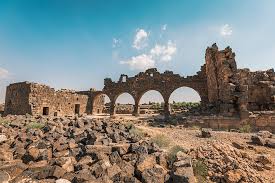
In 2024, UNESCO inscribed Umm al-Jimal as Jordan’s seventh World Heritage Site. Rising from the northern basalt plain, Umm al-Jimal is both a living town and an extensive archaeological site with nearly 2,000 years of layered history—Nabataean, Roman, Byzantine, Umayyad, Mamluk, Ottoman, and Modern. Once a prosperous agricultural hub and a stop along the Hijaz–Damascus caravan route, the site preserves over 150 well-preserved basalt structures arranged in neighborhoods connected by winding alleys and courtyard-like plazas.
Sources:
UNESCO World Heritage Centre
Department of Antiquities of Jordan
Prepared by: Farah Samara