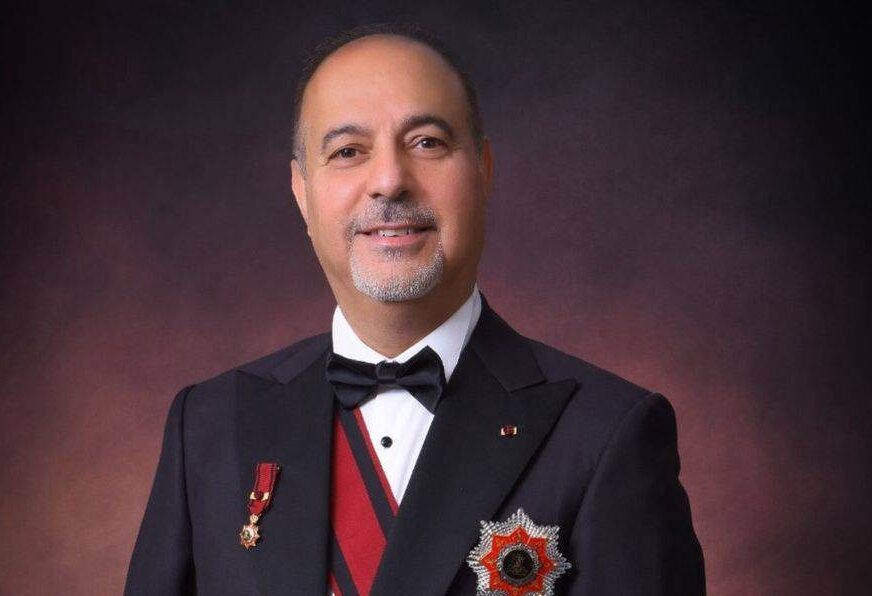
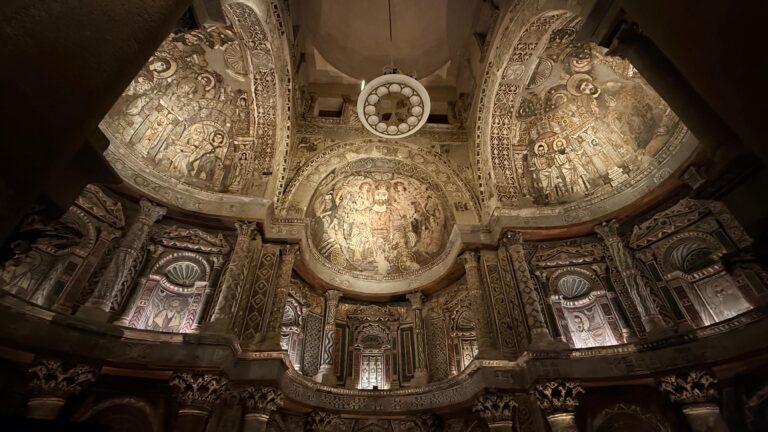

Anovia- In a remarkable journey that blended exploration, historical documentation, and cultural diplomacy, Jordanian traveler and explorer Abdulrahim Al-Arjan has concluded an extensive expedition across southern Egypt, retracing the historic Route of the Holy Family.
Carrying the Jordanian flag and a national message under the slogan “From the Jordan River to the Nile in the Land of Wonders” Al-Arjan undertook the journey through personal effort, symbolizing the deep fraternal ties between Jordan and Egypt.
Speaking to Anovia, the Jordanian traveler and explorer described his journey across southern Egypt as more than a personal expedition.
“I began practicing hiking and exploration during my participation in the Al-Hussein Camps organized by the Ministry of Youth and Sports,” he said, explaining how the experience became the starting point of a national path through which he sought to represent Jordan with dedication and pride, relying entirely on his own efforts.
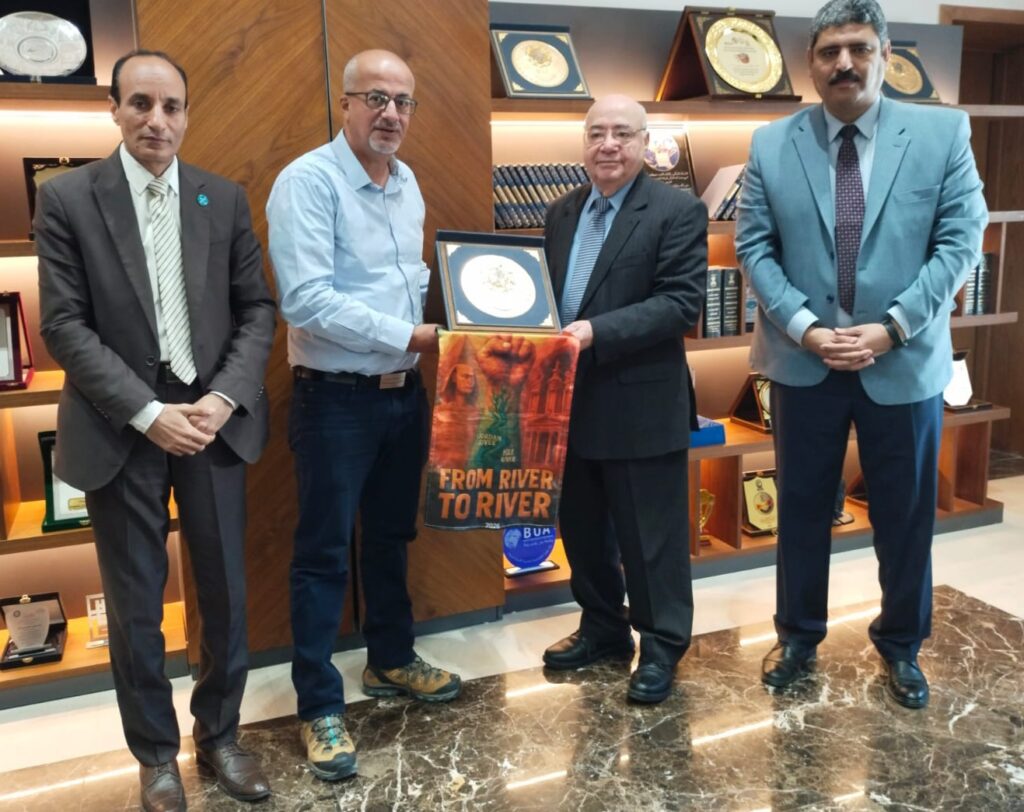
Reflecting on the meaning behind his travels, Al-Arjan said that “every accomplishment is a source of pride especially in raising the Jordanian flag in different parts of the world and presenting an honorable image of my country. It is a great honor to hear someone say: ‘a Jordanian traveler visited us.”
During the expedition, Al-Arjan followed the path traditionally believed to have been taken by the Virgin Mary as she fled with the Prophet Jesus (peace be upon them) to Egypt to escape the persecution of the tyrant Herod.
The journey, he noted, echoed the vision of His Majesty King Abdullah II and the principles embodied in the World Interfaith Harmony Week, a global initiative proposed by the King and adopted by the United Nations.
The expedition lasted 28 days, during which Al-Arjan walked 630 kilometers on foot in continuous stages across two main routes. Throughout the journey he received warm official and community welcomes in the regions he visited, concluding the expedition shortly before the beginning of the holy month of Ramadan.
The Holy Family Route and the Vision of His Majesty the King
The Holy Family Route is an internationally significant pilgrimage and heritage path believed to have been taken by the Virgin Mary when she sought refuge in Egypt with the infant Jesus to escape Herod’s threat. According to historical accounts, the family remained in Egypt for approximately three and a half years before returning to Palestine after Herod’s death.
Al-Arjan chose this route in order to document and trace its recognized landmarks, which include 25 major stationsofficially acknowledged within the route recognized by UNESCO and the Vatican.
Speaking about his choice of route, Al-Arjan explained:
“In 2015, I organized an international photographic exhibition tracing the footsteps of Jesus Christ, the Prophet Jesus, son of Mary, according to the firmly held beliefs of both Christians and Muslims, highlighting the places he visited and lived in. The exhibition was held in Dubai under the patronage of His Excellency Sheikh Nahyan bin Mubarak Al Nahyan, then Minister of Culture. Today, I continue tracing the early stages of the Prophet’s life in Egypt following the international recognition of these historical stages.”
He added that the journey represents a practical embodiment of His Majesty King Abdullah II’s vision, particularly the values of the Amman Message and World Interfaith Harmony Week, which coincided with the timing of the expedition.
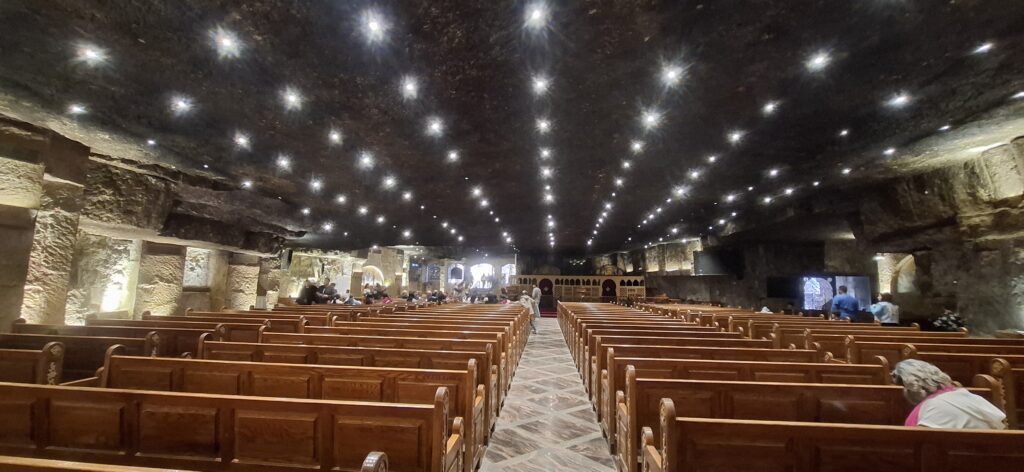
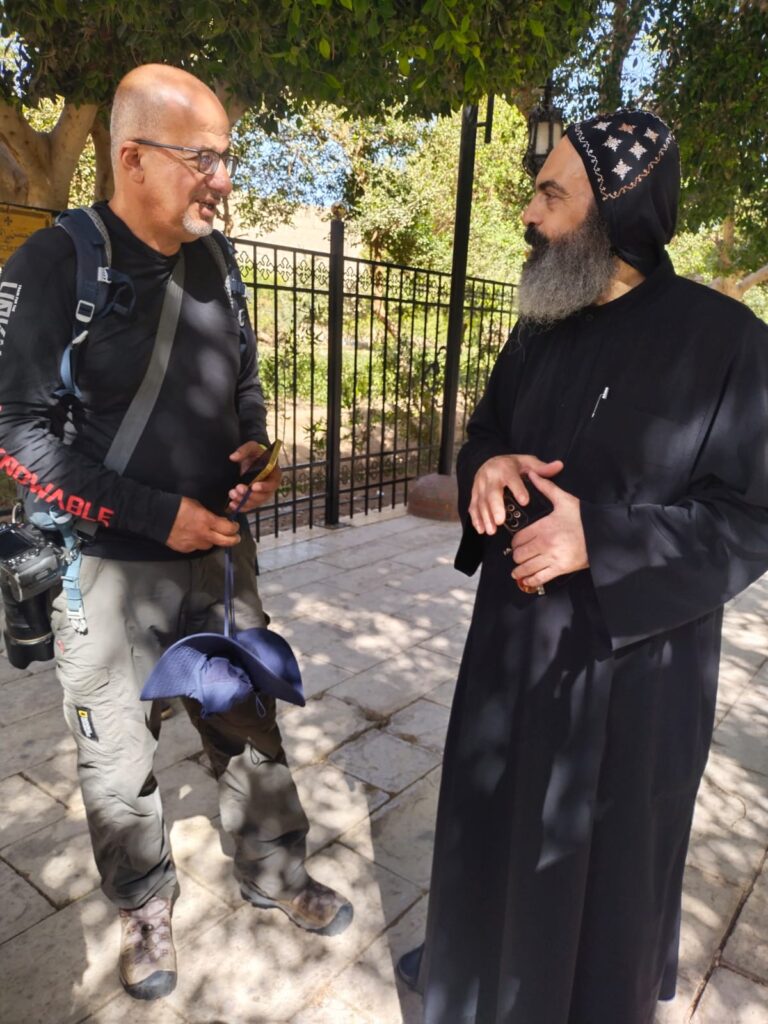
The journey followed the footsteps of the Virgin Mary beginning from the last location reached by the Holy Family in Assiut, starting from the Monastery of the Virgin Mary in Durunka to Al-Muharraq Monastery in Al-Qusiya and Mount Qusqam, where tradition holds that the boat carrying the Holy Family reached the shore.
Official and Cultural Reception in Assiut
In Assiut Governorate, Al-Arjan received a warm reception and notable attention from Dr. Samir Abdel Tawab, Director of the Egyptian General Authority for Tourism Promotion in the governorate, who accompanied him along with a number of experts through a program he personally supervised.
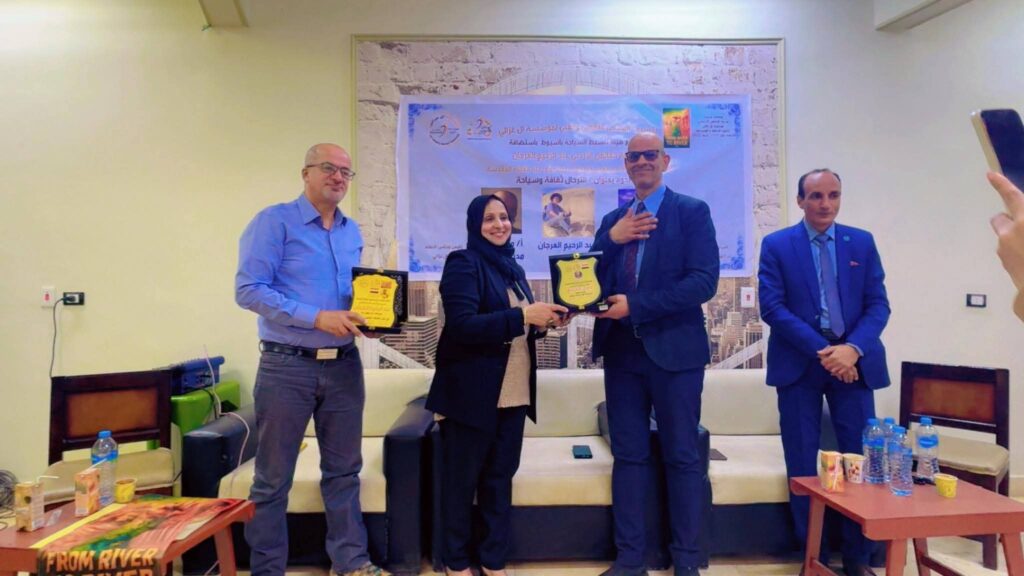
The program included a public seminar with Engineer Adel El-Gendy, Director of International Relations and Strategic Planning at the Tourism Promotion Authority and the National Coordinator for the Revival of the Holy Family Route. The seminar was organized by the Al-Ghazali Foundation for Comprehensive and Sustainable Development and attracted significant public interest.
Al-Arjan also delivered a lecture on his photography experience hosted by Al-Badr University under the supervision of Dr. Mohammed Qassem, where he was honored by University Dean Dr. Mustafa Kamal. Additionally, he held a dialogue session with social work students at Assiut University.
During the visit, Al-Arjan was honored by Governor of Assiut Major General Dr. Hisham Abu Al-Nasr, who praised the initiative and highlighted the historical fraternal relations between Egypt and Jordan, as well as the importance of travel and documentation through writing and photography.
He also experienced rural Egyptian life through an invitation from community leader Ahmed Al-Falah Al-Arabi.
Historical Sites and Ancient Connections
Al-Arjan continued his journey north to Minya Governorate, where he visited the archaeological sites of Beni Hassanand Tell El-Amarna where he encountered references indicating historical relations between Egyptian kingdoms and regions of present-day Jordan, dating back to the 14th century BCE.
He also visited Beni Suef before reaching Cairo, noting his intention to return later to complete the northern section of the route once funding becomes available, as the expedition was entirely self-funded.
The Aswan – Shalateen – Qena – Sohag Route
The second phase of the expedition lasted 13 days, organized under the supervision of explorer Hani Khalili and the iCamp group. The journey began in Aswan following a train trip from Cairo.
The route included visits to numerous historic and natural landmarks, including Abu Simbel Temple, Philae Temple, and the famous Famine Stela located on Seheil Island, which is associated with ancient accounts of periods when the Nile’s water level dropped and agricultural resources diminished.
From there, Al-Arjan followed a semi-paved route to Hemeira, home to the shrine of Imam Al-Shadhili, passing through Abraq where prehistoric rock carvings can be found—some resembling rock art found in Jordan’s eastern desert.
He then crossed Wadi El-Gemal, known for its purebred camel grazing lands and encounters with the Ababda tribes, before reaching Shalateen near the Sudanese border along the Red Sea. There he shared cultural experiences with the local Beja tribes, who welcomed him with a traditional evening gathering.
From Shalateen he continued to Hankorab Beach, ranked among the world’s most beautiful beaches within the Wadi El-Gemal Nature Reserve, before heading to Marsa Alam and the town of El-Quseir, the historic port from which the Kiswah of the Kaaba was traditionally sent during the mid-Sha’ban season.
He also visited the filming location of the Egyptian movie “The Crime” in the old port warehouses that were historically used for exporting phosphate.
In Qena, Al-Arjan attended celebrations of the Mid-Sha’ban festival, known locally as “Al-Layla Al-Kebira,” featuring religious chanting as well as traditional cultural activities such as “Mermah”, symbolizing horsemanship, and “Tahtib,”a traditional martial stick dance representing masculinity and heritage in Upper Egypt.
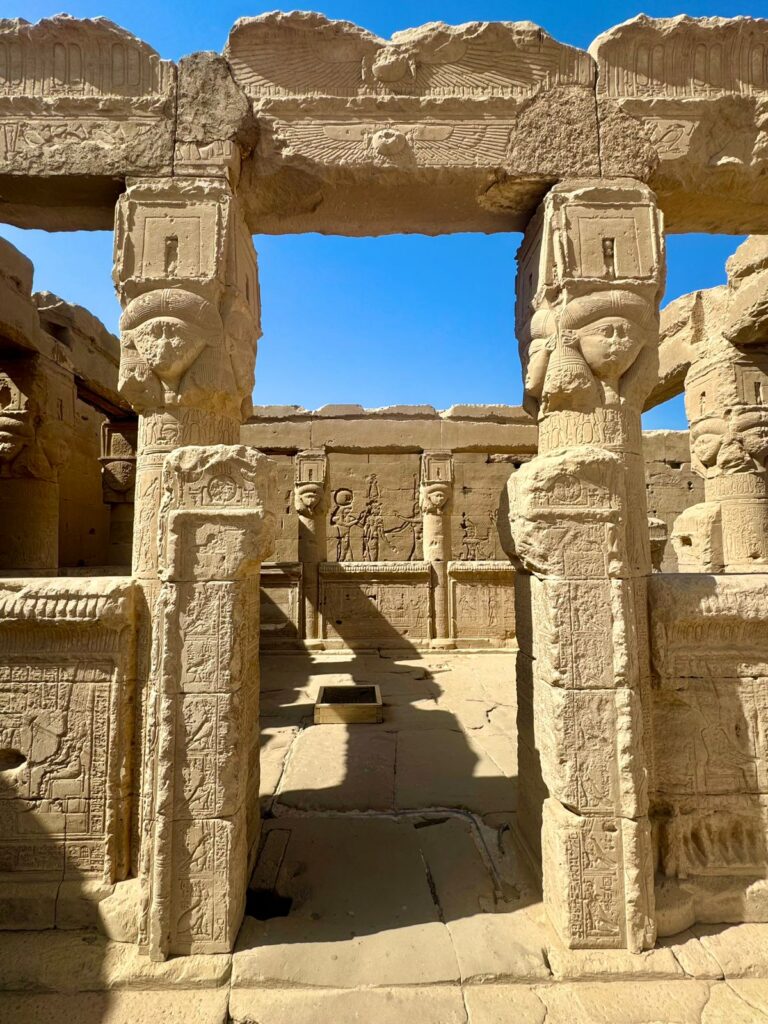
He also visited Dendera Temple, which he described by saying:
“Words fall silent in describing it; there is not a single inch without a carving or inscription, executed with architectural artistry unlike anything else.”
The route concluded in Sohag, where Al-Arjan completed the journey alongside a group of distinguished Egyptian companions.
The Journey’s Emblem Presented to the Arab League
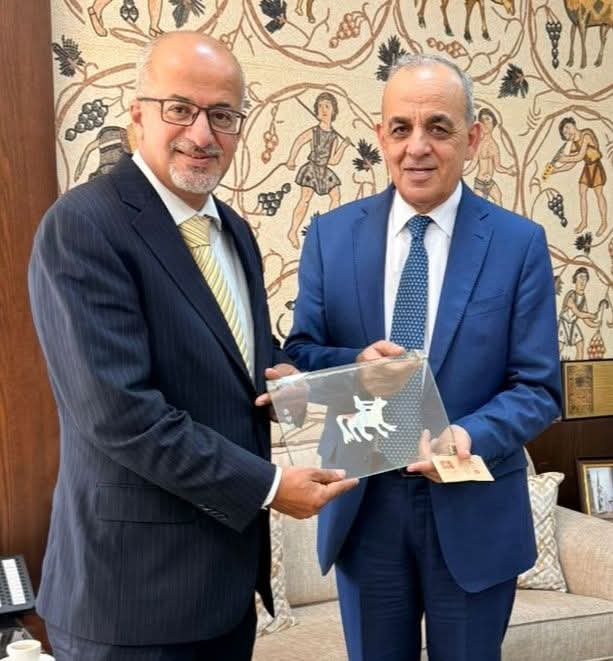
At the conclusion of the expedition, Al-Arjan presented the journey’s emblem, which he had carried throughout southern Egypt, to His Excellency Sameh Al-Fonse, to be preserved among the collections of the League of Arab States.
During his stay in Cairo, he also met Jordan’s Ambassador to Egypt Dr. Amjad Al-Adaileh, who praised his efforts and the message behind the journey.
Recognition upon return to Jordan
Following his return to Jordan, Al-Arjan received official recognition through meetings with several national figures, including Senator Sharhabil Madi, Minister of Youth Dr. Raed Al-Adwan, and Minister of Tourism and Antiquities Dr. Emad Hijazin.
They commended his personal initiatives and contributions to promoting adventure, exploration, and knowledge tourism, expressing interest in cooperating to benefit from his experience in mapping and developing travel routes.
Al-Arjan has written 157 articles in this field based on scientific research and photographic documentation, in addition to presenting five academic research papers at conferences and seminars in Jordan and abroad.
Adventure Tourism: The Future of Travel
Reflecting on his work, Al-Arjan emphasized that exploration and adventure tourism represents a growing global trend. Many countries are reviving historic trails and rural pathways, transforming them into heritage routes that allow travelers to experience local life while supporting sustainable livelihoods for communities.
He stressed that continuing such initiatives requires funding and logistical support, including equipment and travel expenses, in order to continue delivering a cultural and national message both locally and internationally.
Al-Arjan also noted that his journey this year effectively extended to 40 days, including his participation in Darb Zubaida and the trails of Hail and Sakaka in Saudi Arabia, beginning on January 5.