By Rula Samain
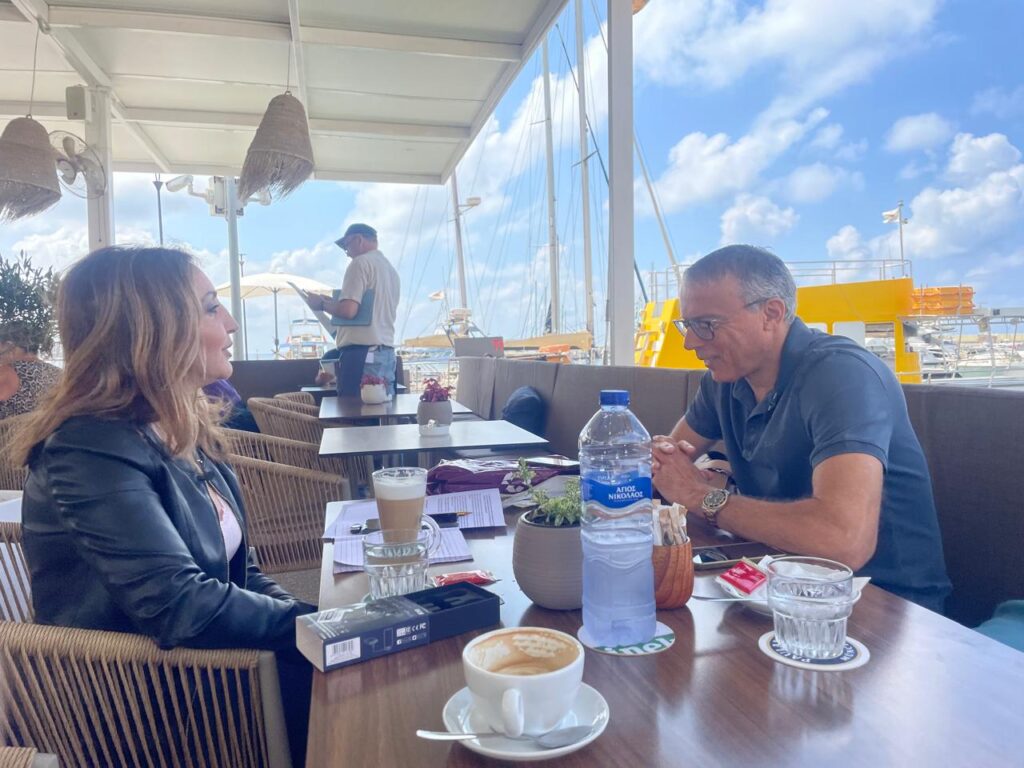
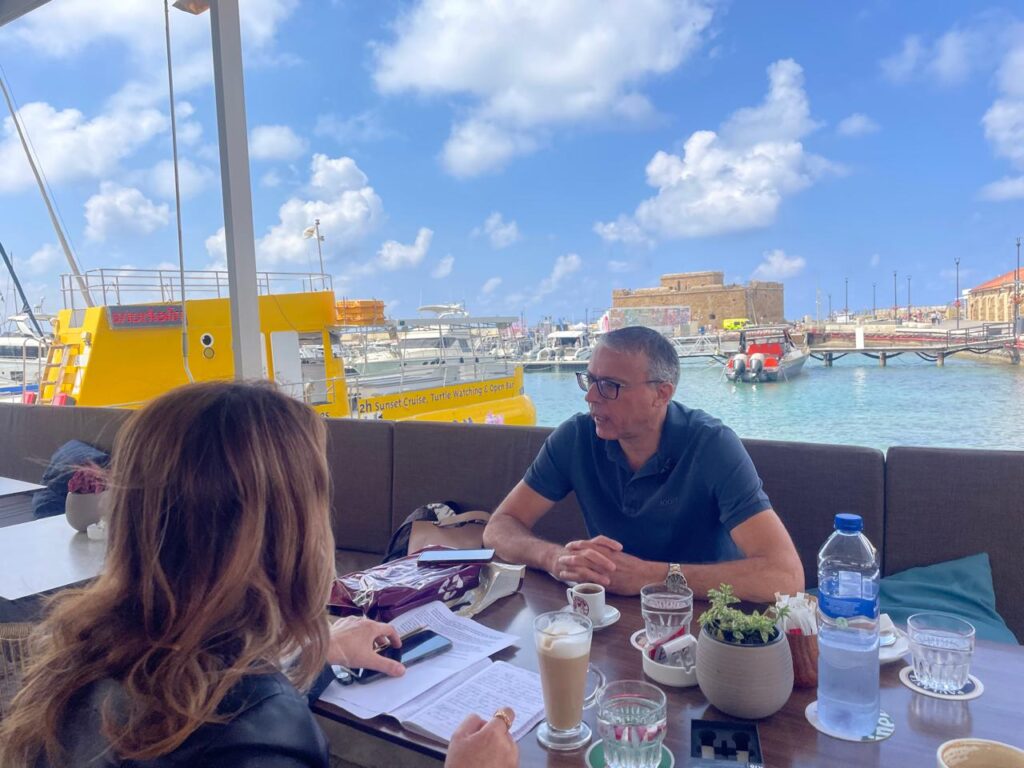
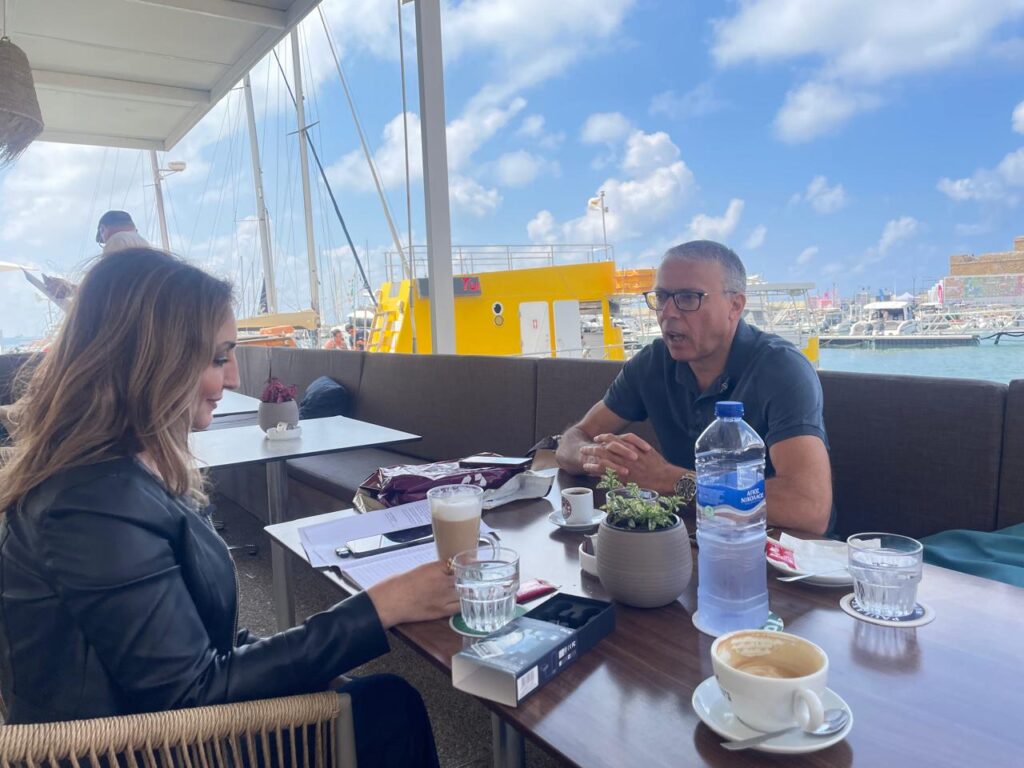
Pafos, Cyprus — The Mediterranean sun shimmered gently across the waters of Pafos Harbour as fishing boats swayed lazily against the backdrop of the medieval castle that has guarded the coastline for centuries. The sound of waves breaking against the stone promenade mingled with the voices of visitors strolling along the waterfront, creating a scene that felt timeless.
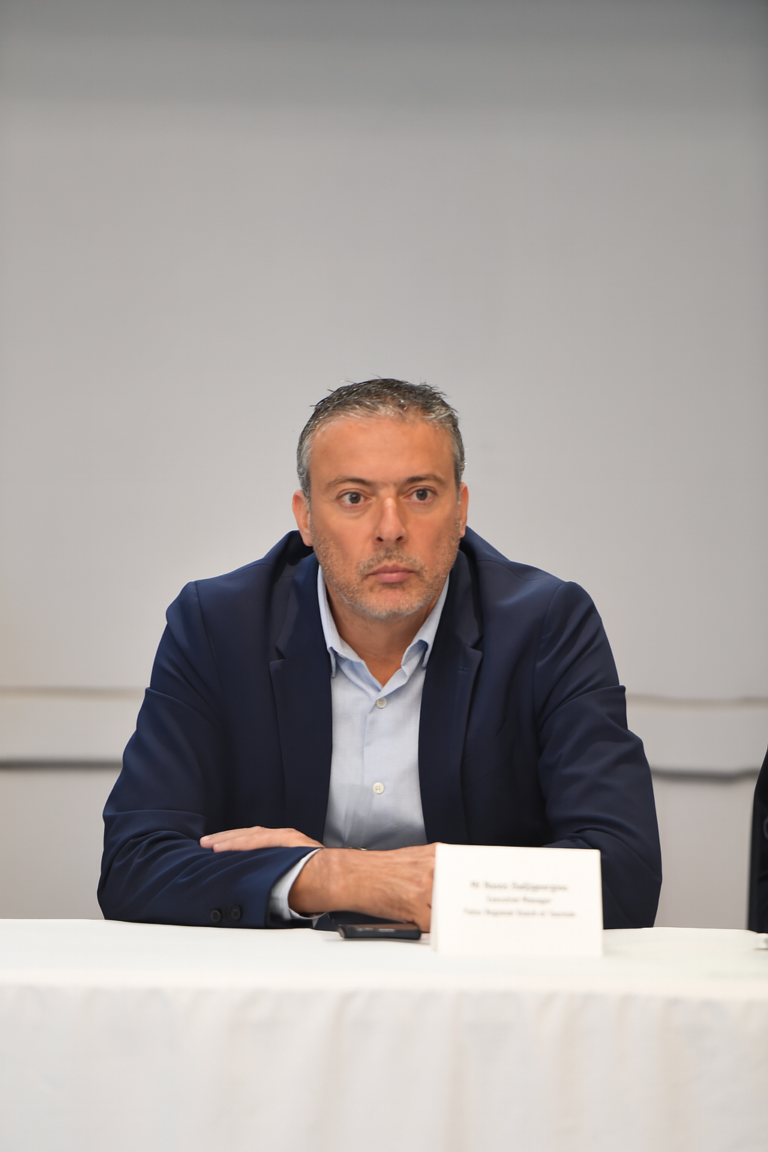
It was here, in one of Cyprus’ most iconic settings that Anovia Magazine sat down with Nasos Hadjigeorgiou, Executive Director of the Pafos Regional Board of Tourism, to explore how one of the Mediterranean’s oldest cultural destinations is preparing for the future.
Far beyond its reputation as a sun-and-sea destination, Pafos is emerging as a place where mythology, heritage, sustainability, and innovation intersect.
From UNESCO-listed archaeological treasures to mountain villages, wine routes, monasteries, and authentic local communities, the region is redefining what modern cultural tourism can be.
For Hadjigeorgiou, the challenge is no longer simply preserving history, it is making history come alive.
“Pafos possesses one of the richest concentrations of cultural heritage in the Mediterranean,” Hadjigeorgiou explained. “Yet the future lies not only in preserving monuments, but in activating them through contemporary experiences.”
His vision is clear: transform heritage from something visitors merely observe into something they actively experience, understand, and emotionally connect with.
This philosophy has guided extensive investments in digital storytelling, immersive interpretation, thematic cultural routes, multilingual QR-based content, audio guides, village experiences, gastronomy, mythology, religious traditions, and community-based activities.
“The story of Pafos should not end at the archaeological site entrance,” Hadjigeorgiou said, “it should continue through local crafts, music, wine culture, festivals, walking trails, and encounters with local people.”
In this vision, the celebrated UNESCO Archaeological Park, the Tombs of the Kings, the Akamas villages, monasteries, and traditional communities are no longer viewed as separate attractions. Instead, they form what Hadjigeorgiou describes as a “living cultural landscape” where mythology, history, spirituality, and Mediterranean daily life coexist naturally.
“Our objective is to ensure that visitors do not simply visit Pafos, but feel part of its story.”
What makes Pafos particularly remarkable is the diversity concentrated within a relatively small geographical area.
Within less than an hour, visitors can journey from ancient archaeological sites to untouched natural reserves, mountain villages, vineyards, monasteries, dramatic coastal landscapes, and vibrant local communities.
Yet according to Hadjigeorgiou, the region’s greatest surprise extends beyond its physical beauty.
“What truly surprises visitors is the emotional depth of the destination,” he noted.
According to Hadjigeorgiou, Pafos offers a rare balance between tranquility, culture, spirituality, and contemporary lifestyle; it is sophisticated without pretension, historic without feeling trapped in the past, and cosmopolitan while remaining deeply authentic.
“Many travelers arrive expecting a conventional Mediterranean beach destination. Instead, they discover a place layered with civilizations, mythology, creativity, and genuine human warmth, a contrast often becomes the most memorable part of their experience.”
This diversity has also allowed Pafos to respond successfully to the evolving expectations of international visitors, including growing numbers of travelers from Jordan.
Hadjigeorgiou believes Jordanian travelers increasingly seek destinations that combine comfort, safety, family-oriented hospitality, premium lifestyle experiences, cultural familiarity, and authentic leisure opportunities.
“Whether families, couples, luxury travelers, younger audiences, or wellness-focused visitors, common expectations consistently emerge, quality hospitality, secure environments, meaningful cultural experiences, exceptional gastronomy, relaxation, privacy, and activities that blend leisure with authenticity.”
Pafos, he believes, delivers precisely that balance.
Asked what intellectual and cultural identity Pafos should claim on the global tourism stage, Hadjigeorgiou’s answer was immediate.
“Pafos should position itself internationally as a destination where civilization, mythology, and sustainability converge.”
While it remains one of Cyprus’ premier holiday destinations, he argues that its true distinction lies in its role as a cultural landscape shaped by thousands of years of interaction between civilizations, nature, and people.
As the legendary birthplace of Aphrodite and a UNESCO World Heritage destination, Pafos possesses universal symbolic significance linked to beauty, harmony, creativity, and human connection, he said.
“At the same time, the region is increasingly establishing itself as a model of smart and sustainable tourism development through digital innovation, accessibility initiatives, cultural preservation, and low-impact experiential tourism.”
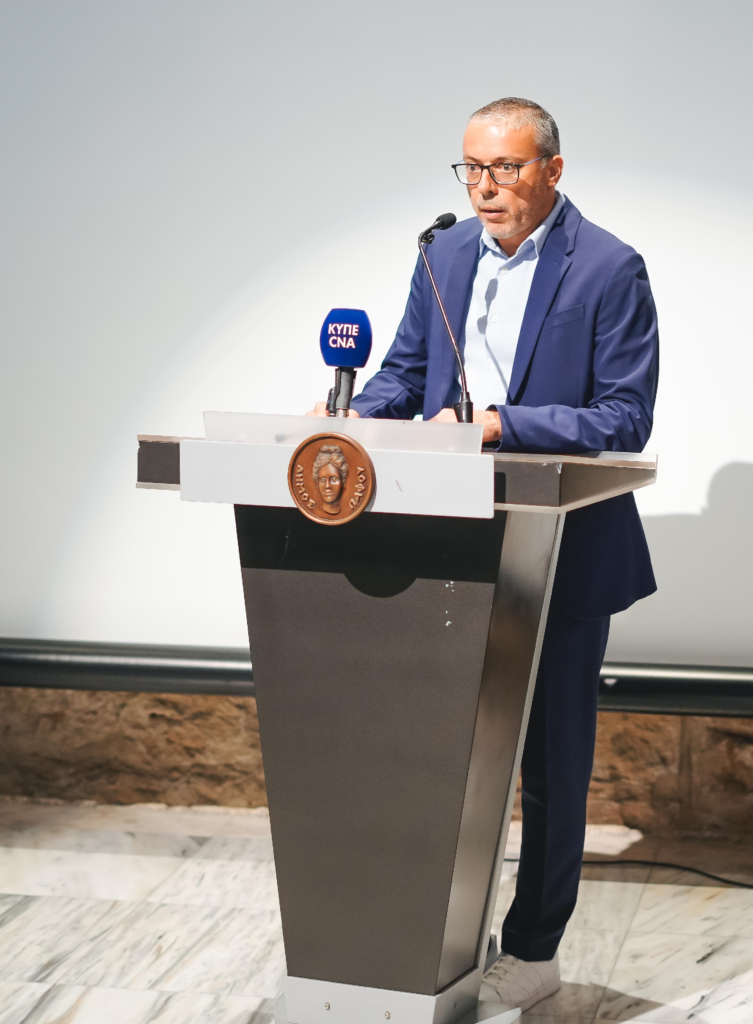
According to Hadjigeorgiou, the future global identity of Pafos rests on five interconnected pillars:
• Cultural authenticity and rich heritage
• Mediterranean lifestyle, creativity, and wellbeing
• Sustainable and responsible destination management
• Accessibility and inclusive tourism experiences
• Smart tourism, digital innovation, and technological transformation
“Pafos has the potential to become even more internationally recognized not only for what it has inherited from history, but also for how it reinterprets that heritage for the future.”
Some destinations possess an atmosphere that cannot easily be replicated.
For Hadjigeorgiou, the rhythm of Pafos is defined by balance and timelessness.
“It is a destination that allows visitors to slow down without disconnecting from richness and experience.”
That rhythm reveals itself in countless subtle ways, the changing Mediterranean light, ancient ruins woven into daily life, the pace of village traditions, vineyard landscapes, the harbor atmosphere, and the seamless connection between nature and culture.
He said that unlike destinations driven by excess, speed, or spectacle, Pafos offers something increasingly rare in today’s tourism landscape, a more meaningful pace rooted in authenticity, human connection, and emotional wellbeing.
“It is a place where visitors can experience both contemplation and discovery simultaneously. What makes this atmosphere particularly valuable is that it cannot be manufactured, rather, it emerges naturally from the genuine character of the region and its people,” he reflected.
As global tourism increasingly shifts toward curated, experience-driven travel, destinations are under growing pressure to offer more than attractive scenery.
For Hadjigeorgiou, the future belongs to places capable of creating meaning.
“The future of tourism belongs to destinations capable of creating meaning, not simply offering attractions.”
Fortunately, Pafos already possesses the essential ingredients: mythology, heritage, gastronomy, nature, spirituality, creativity, and authentic communities.
The challenge lies in transforming these assets into coherent, high-quality experiences with compelling narrative value.
To achieve this, the Pafos Regional Board of Tourism is investing heavily in thematic storytelling, digital innovation, cultural programming, experiential tourism, and partnerships with local artists, creators, chefs, guides, and communities.
Increasing emphasis is being placed on immersive interpretation, eco-itineraries, cultural routes, wine and gastronomy experiences, wellness tourism, arts initiatives, and year-round thematic tourism, the Executive Director said.
He added that the region is also actively participating in European Union funding programs that support smart tourism, digitalisation, innovation, and sustainable development.
In an increasingly standardized global tourism marketplace, Hadjigeorgiou sees authenticity as Pafos’ greatest competitive advantage.
“Pafos can distinguish itself globally by offering experiences that are intellectually enriching, culturally meaningful, and emotionally memorable.”
Then he paused, glancing toward the harbor where centuries of history continue to meet the Mediterranean horizon.
“In a world of increasingly standardized tourism products,” he concluded, “Pafos has the opportunity to stand out precisely because it remains genuine.”
And perhaps that is the essence of Pafos itself, a destination that does not seek to impress through spectacle alone, but through stories, memory, human connection, and a timeless sense of place where mythology still feels remarkably alive.