Anovia- Thirty kilometres southeast of Madaba, the road takes you into Jordan’s open, semi-arid landscape. There, almost unexpectedly, stands Umm ar-Rasas. At first glance, it is quiet: ancient walls, scattered stones and the remains of buildings that have endured centuries. Yet this is one of those places where the longer you stay, the more you begin to see.
Known in antiquity as Kastron Mefa’a, Umm ar-Rasas has been associated with biblical Mephaat, mentioned in the Book of Jeremiah. The Romans later established a military presence here, but the story did not end with them.
Over the centuries, the settlement grew and changed, leaving behind traces of different communities and different chapters of Jordan’s history.
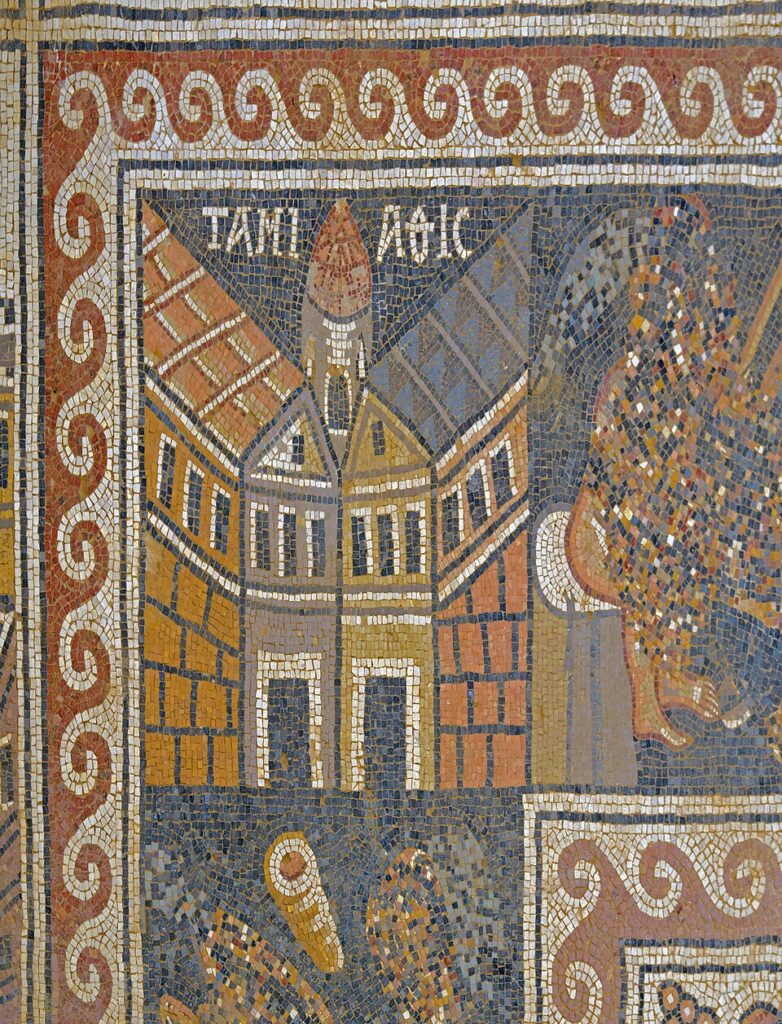
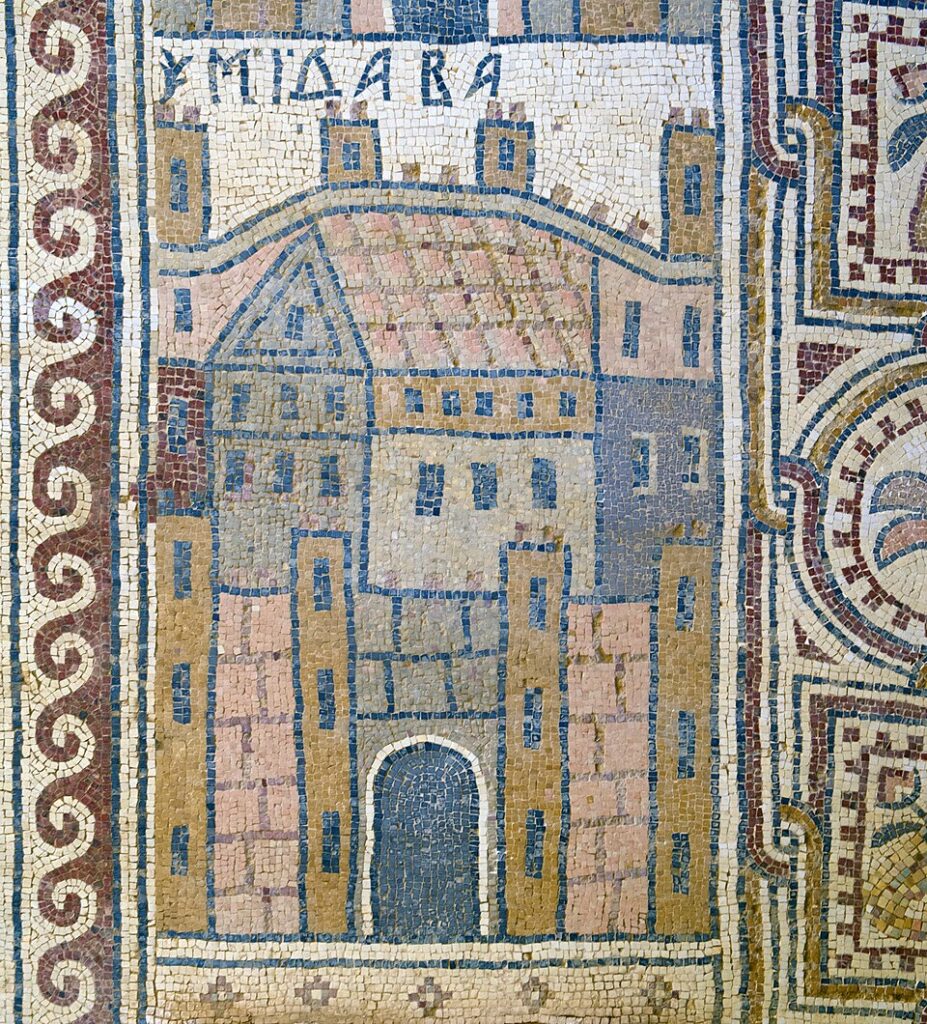
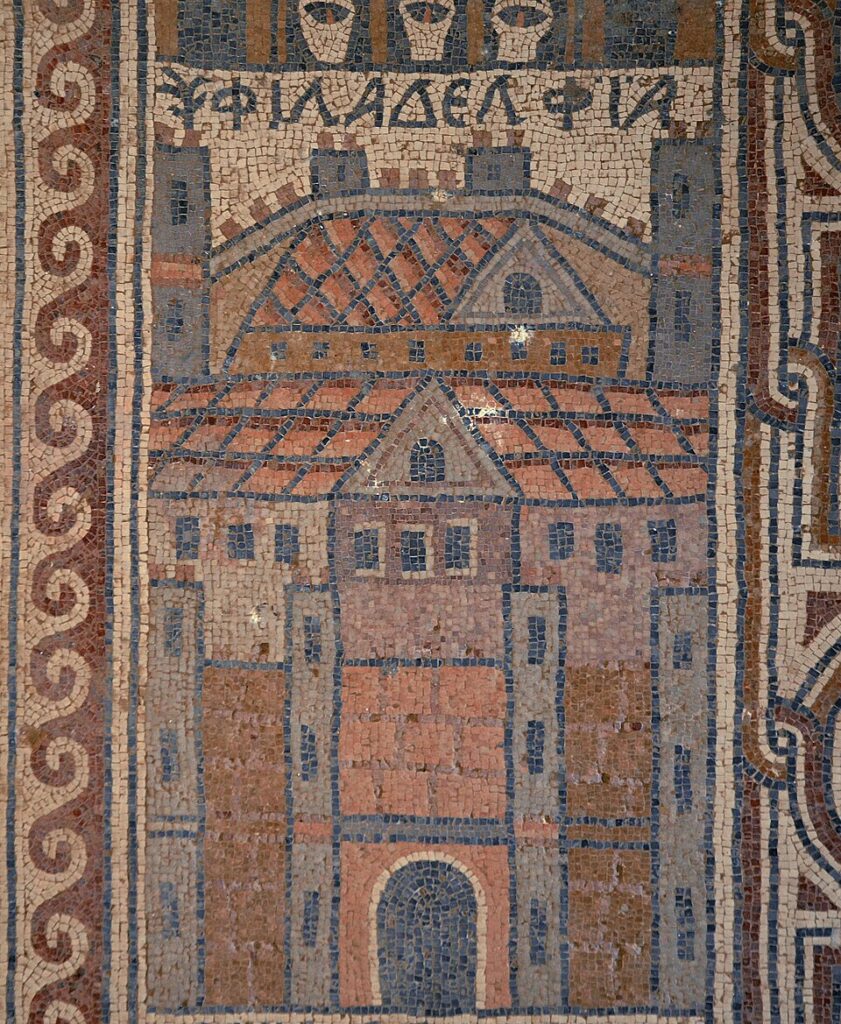
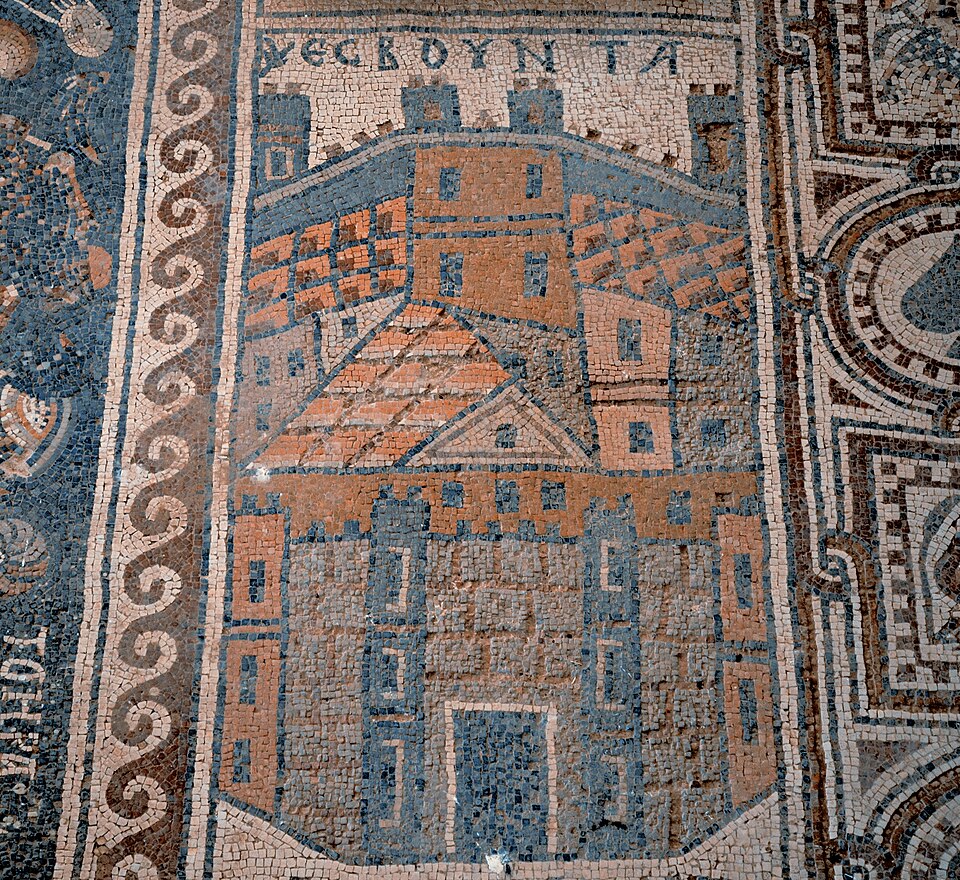
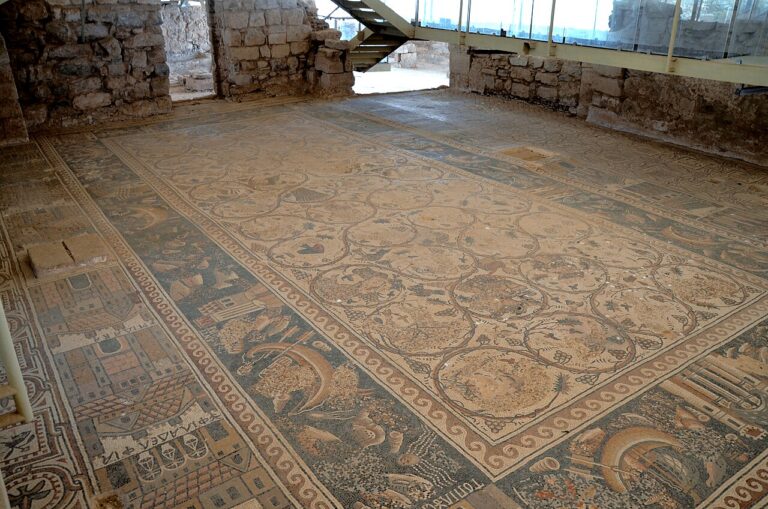
Perhaps the most beautiful chapter is found in its churches; sixteen have been discovered at the site, but the Church of Saint Stephen is exceptional.
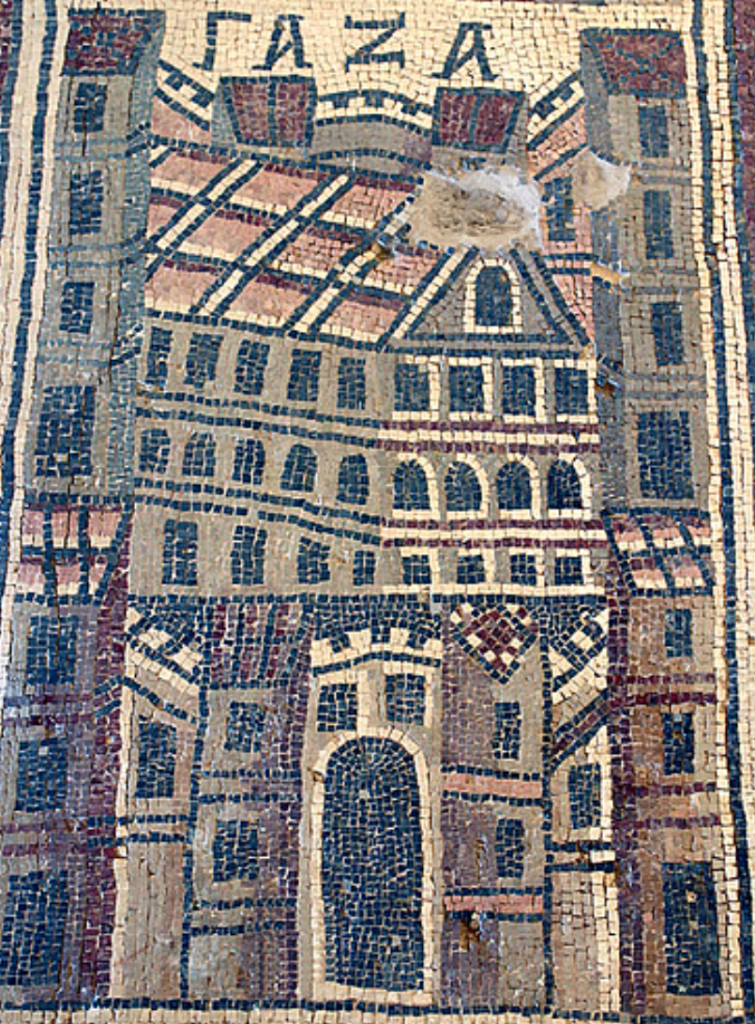
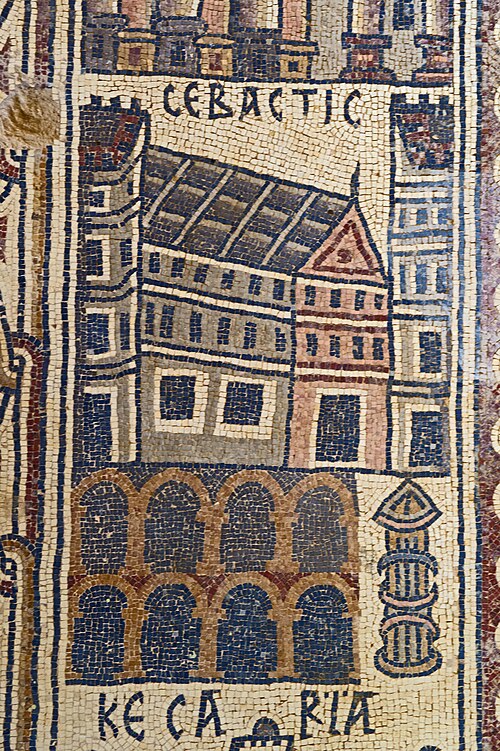
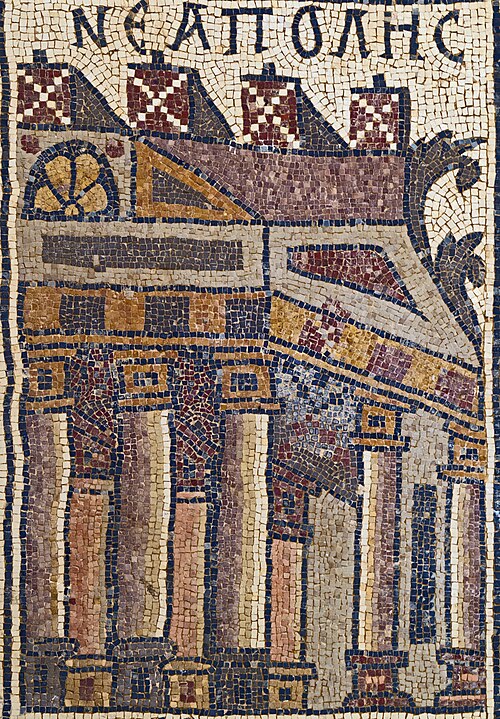
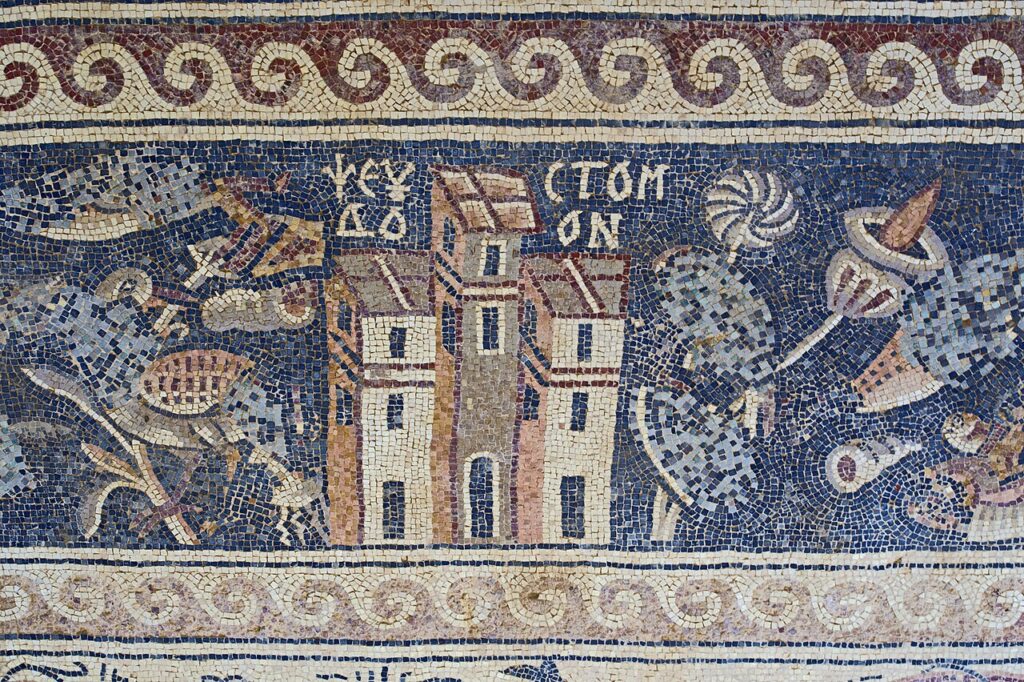
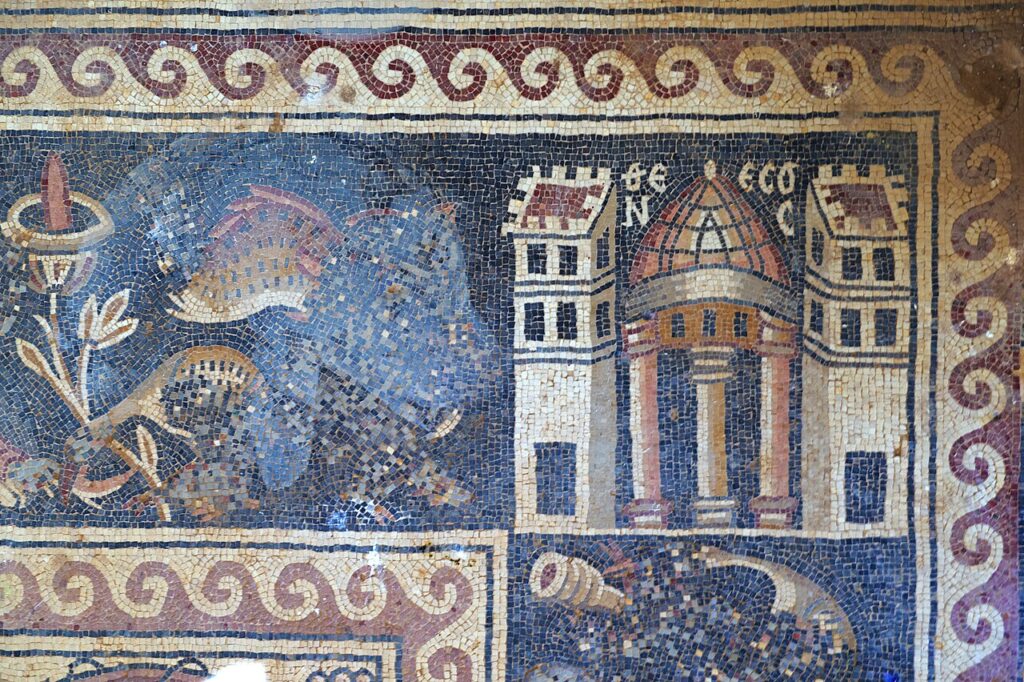
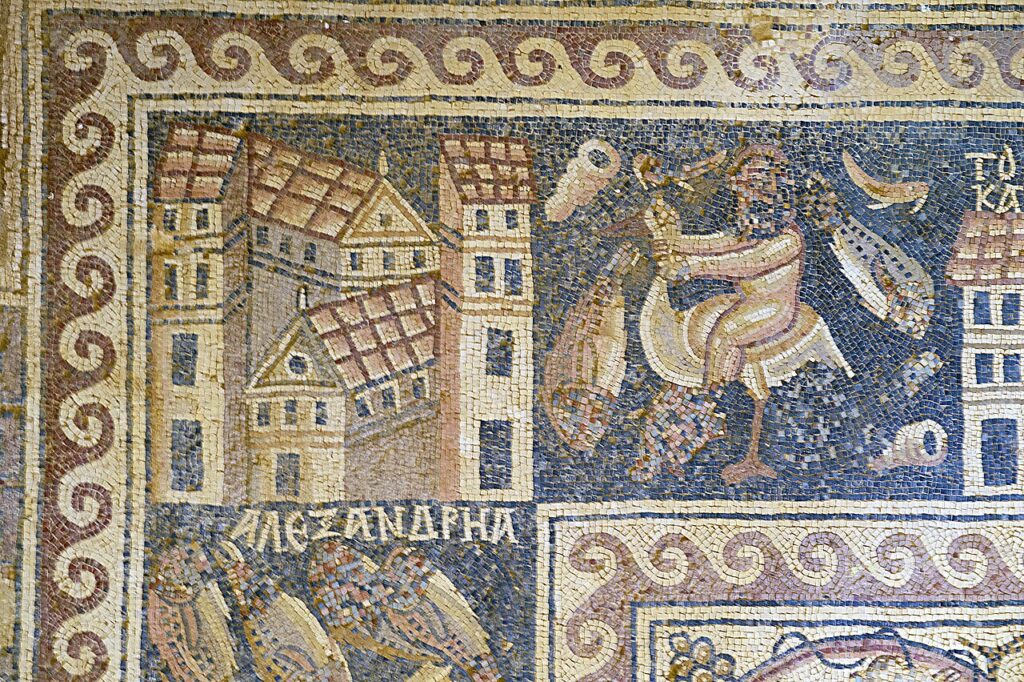
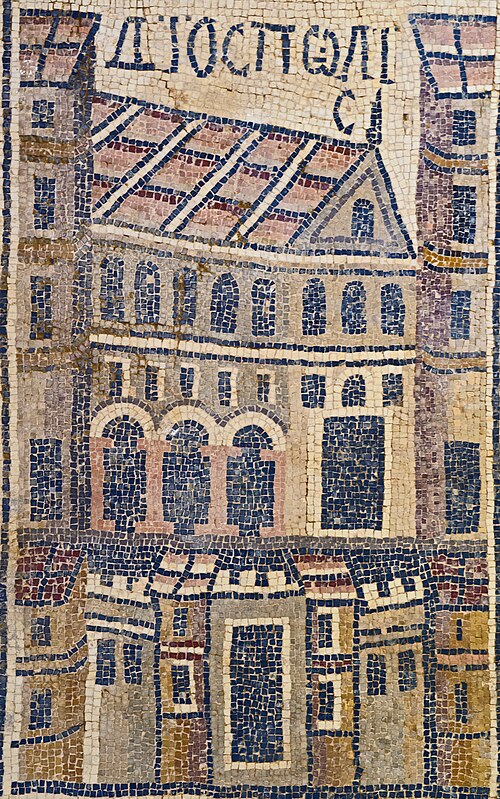
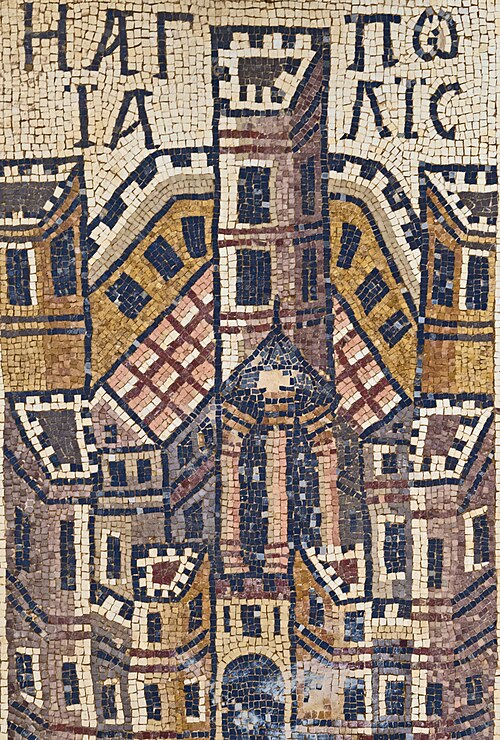
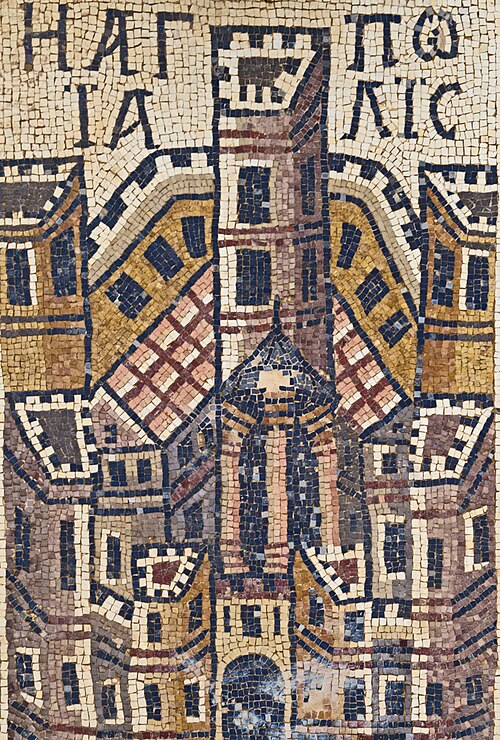
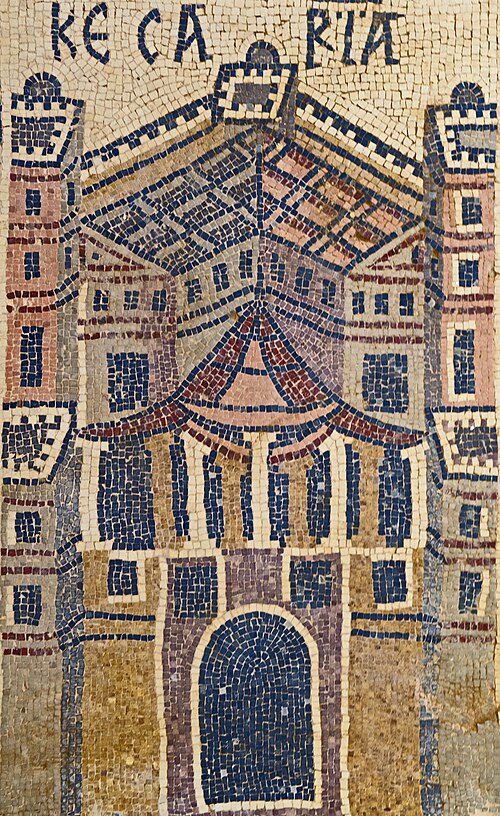
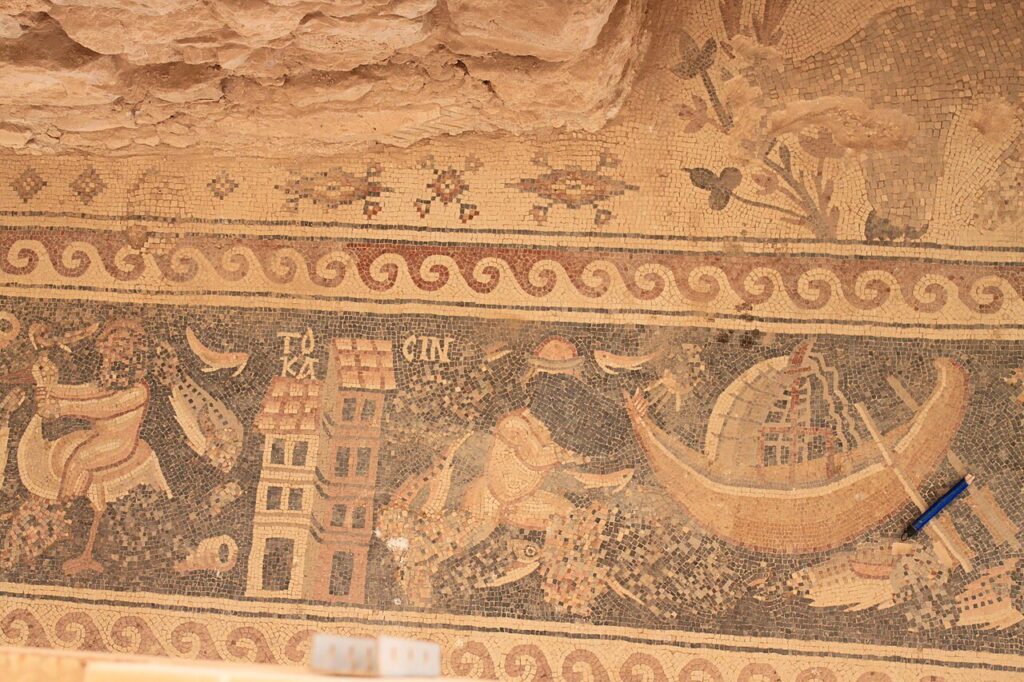
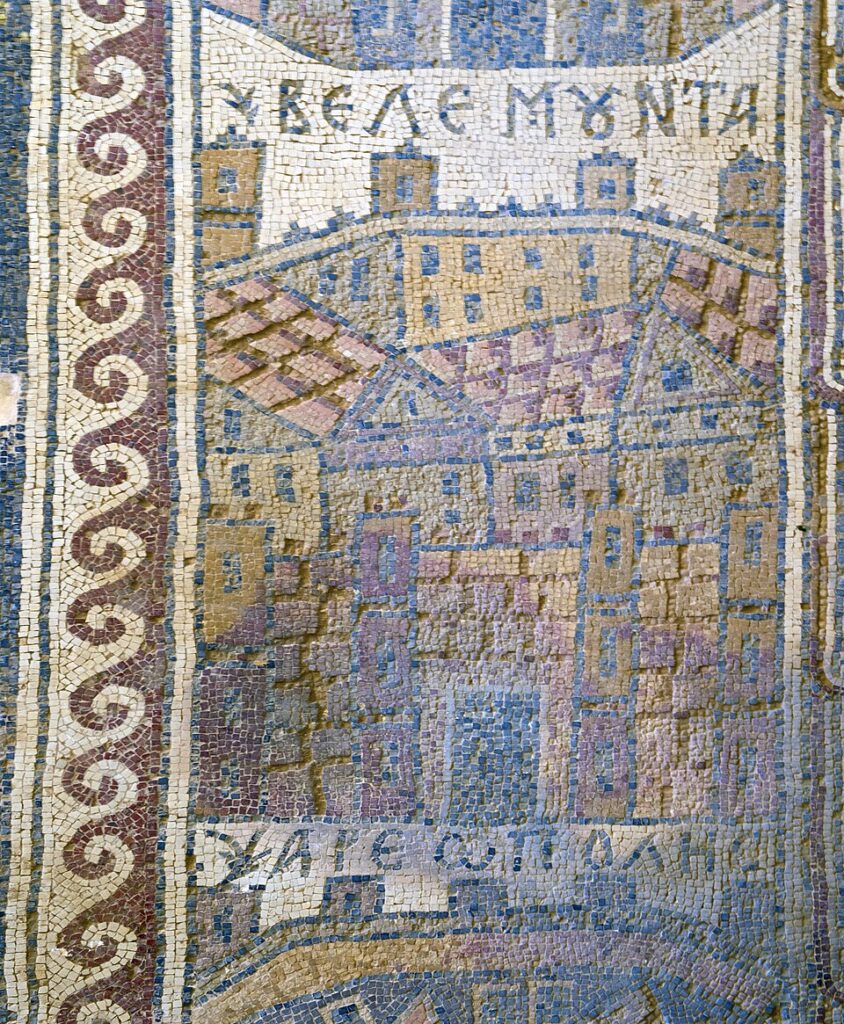
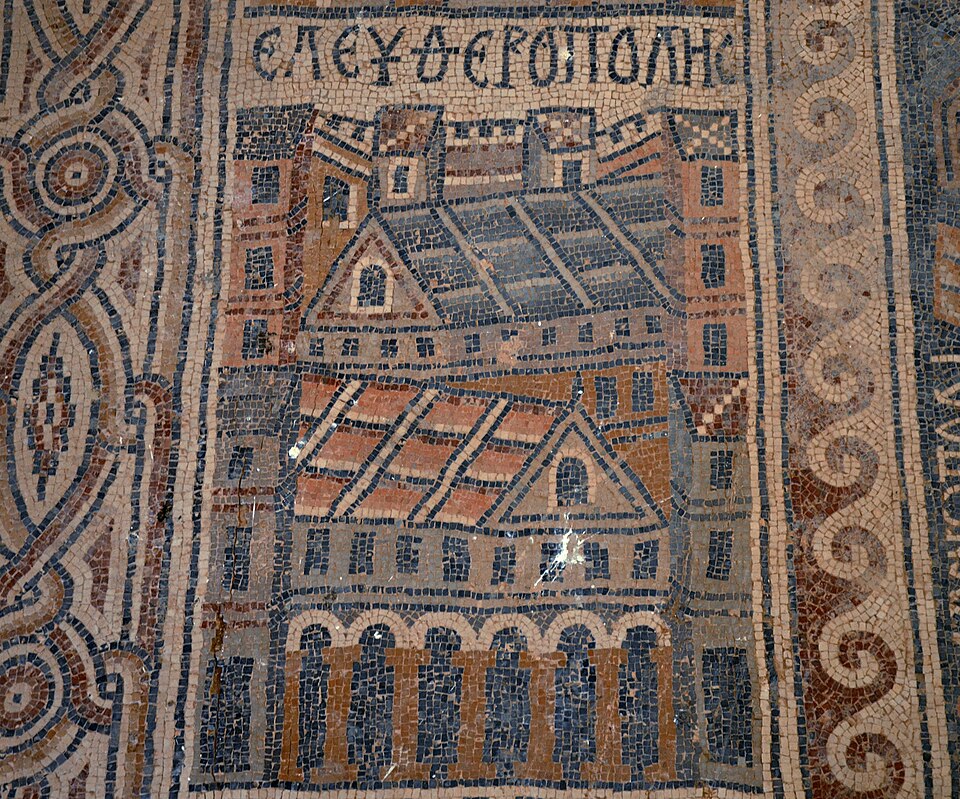
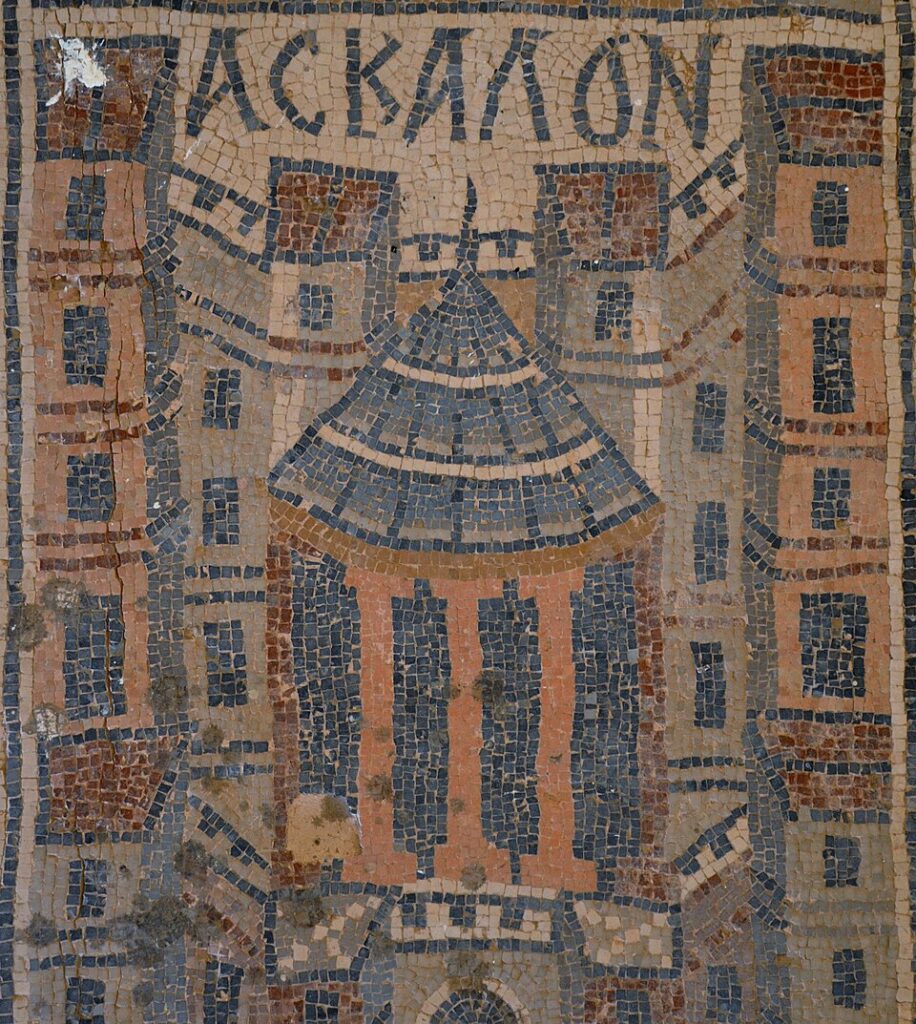
Its eighth-century mosaic floor is not simply something to admire; it is something to read. Across it are cities that once formed part of the world surrounding Umm ar-Rasas: Jerusalem, Madaba and Philadelphia, today’s Amman, among others.
Imagine the hands that placed those tiny pieces of stone, one after another, almost twelve centuries ago; they were creating art, certainly, but they were also leaving us a picture of how they saw their world.
Then there is the tower.
Rising around 15 metres above the landscape, it is linked to the stylites, Christian ascetics who chose isolation, prayer and contemplation, living for periods of time above the everyday world. Today, the tower still stands alone against the Jordanian sky, perhaps one of the most unusual reminders of the depth of early Christian life in this land.
There is another story here that deserves attention. Christian life at Umm ar-Rasas continued after the beginning of Islamic rule. The Church of Saint Stephen was built more than a century later. In its own quiet way, the site therefore speaks of continuity and of communities that lived through changing times while preserving their faith and traditions.
UNESCO recognised this exceptional heritage when Umm ar-Rasas was inscribed on the World Heritage List in 2004.
But dates alone do not explain Umm ar-Rasas. You understand it by walking between its stones, looking at its mosaics and standing beneath that solitary tower.
Some places tell their history loudly. Umm ar-Rasas does not need to. Its stones remember.