By Talal Al-Sukkar
Anovia- Nestled among the tranquil hills west of Amman, embraced by the natural beauty of Wadi Al-Seer and Iraq Al-Amir, lies a site that remains largely hidden from the eyes of passing travelers, the Cave Church of Al-Bassa
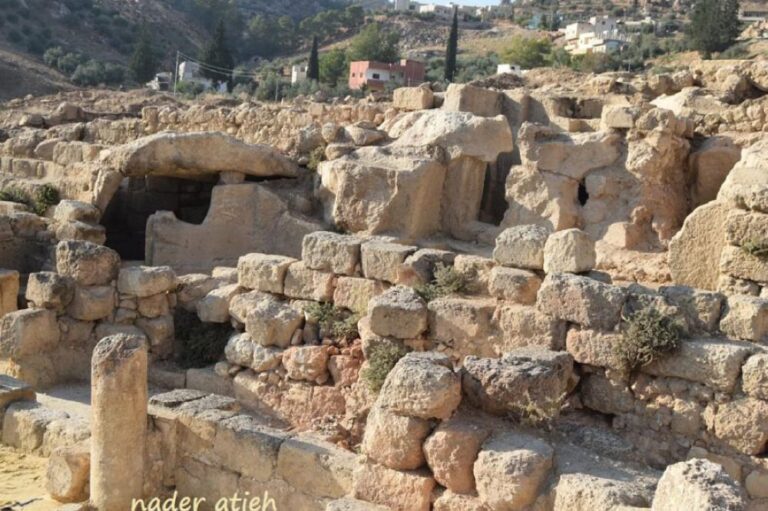
Within its rocky landscape rests the story of the Cave Church of Al-Bassa that spans more than two thousand years of history, faith, and human memory. It is a remarkable location that evolved from a natural shelter carved into the mountainside into a spiritual and archaeological landmark attracting researchers, pilgrims, and history enthusiasts alike.
Standing before the cave entrance today, visitors encounter far more than silent stones and ancient ruins. They are met with open pages from Jordan’s rich spiritual and cultural history. Here, where geography intertwines with tradition, the stones themselves narrate stories that time has failed to erase, bearing witness to centuries of faith and to the enduring Christian presence in this blessed land.
To fully appreciate the significance of this site, it is important to remember that Jordanian Christians constitute an integral part of the country’s history and national identity; they have belonged to this land since the earliest days of Christianity and trace their roots to ancient Arab Christian communities, many of which were connected to the great Christian Arab tribes that flourished throughout the Levant.
Foremost among them were the Ghassanids, who established one of the most prominent Arab Christian kingdoms before Islam and played a vital role in protecting the region and supporting its religious and cultural centers.
Across the centuries, Muslims and Christians in Jordan have remained partners in building the nation, united by a shared Arab heritage and common destiny.
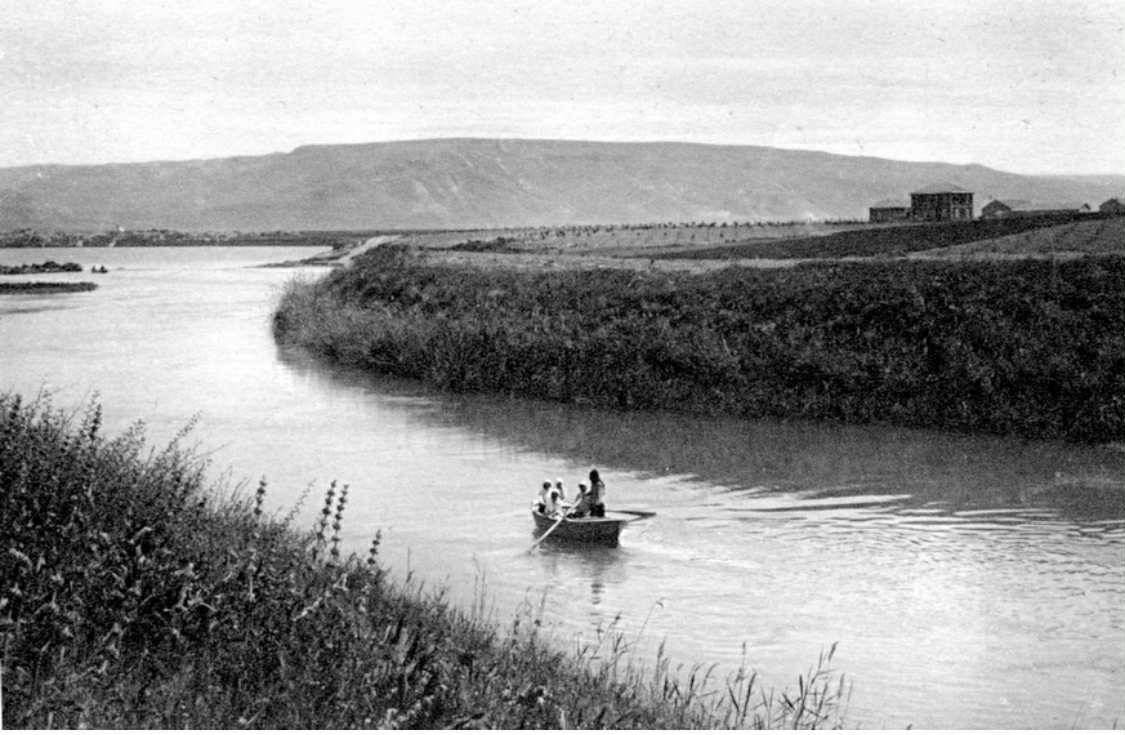
Jordan itself is far more than a country recorded in the annals of history. It is a land of prophets, civilizations, and divine messages. Through its valleys, plains, and mountains passed merchants, pilgrims, and travelers, while along the banks of the Jordan River unfolded one of Christianity’s most significant spiritual events: the baptism of Jesus Christ. As a result, this land became part of the world’s sacred memory and a destination for pilgrims from every corner of the globe.
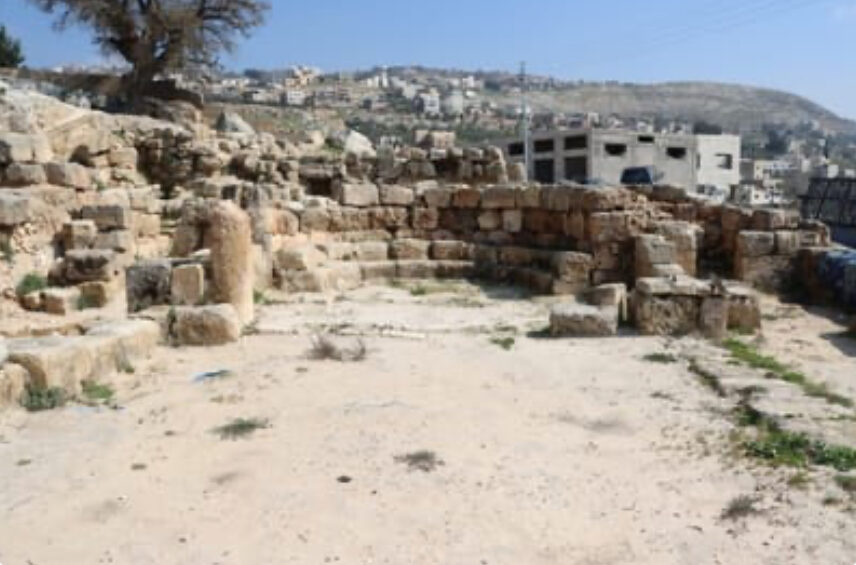
Within this broader historical landscape, the village of Al-Bassa emerges as one of Jordan’s hidden archaeological treasures. According to long-standing local Christian traditions, the cave has been associated with accounts suggesting that Jesus Christ and His disciples passed through this region during their journeys between Jerusalem, the Jordan Valley, and the lands east of the river.
While these traditions belong more to the realm of religious heritage than to conclusively verified archaeological fact, they have nevertheless bestowed upon the site a profound spiritual significance that has endured through generations.
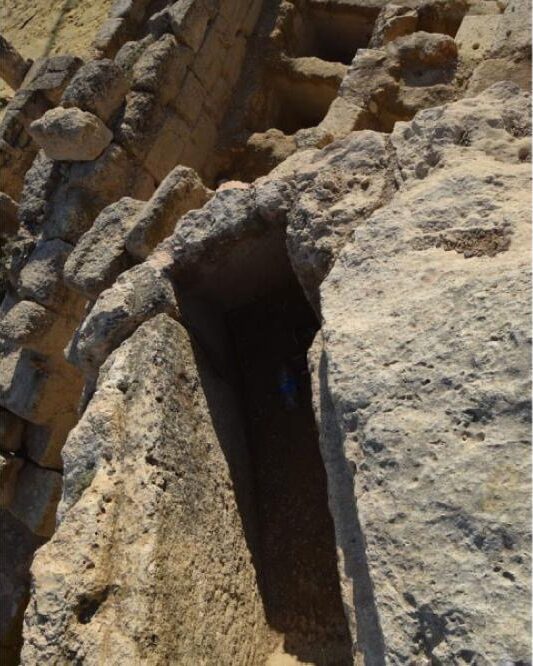
With the rise of the Byzantine era, particularly during the sixth century AD, the natural cave was transformed into a church carved into the rock. Early Christians constructed a stone façade at its entrance, paved its floors with colorful mosaics, and established nearby tombs and religious structures, turning the site into a center of worship, contemplation, and spiritual life.
Today, more than fifteen centuries later, the surviving mosaics and stone walls continue to tell the story of a faithful community that regarded this place as sacred. Every stone bears traces of the past, and every corner preserves memories of those who lived, prayed, and left their mark on the record of human civilization.
The site’s importance has grown even further as Jordan increasingly focuses on revitalizing its historic Christian pilgrimage routes.
As part of broader initiatives to develop religious and heritage destinations, the Cave Church of Al-Bassahas been incorporated as one of the key stations along the Baptism Trail, a route linking several significant historical and religious sites extending toward the Baptism Site on the Jordan River. The trail follows ancient valleys, springs, and pathways that once served as vital arteries of movement and life throughout the centuries.
More than simply connecting places, this route connects eras. From the hills overlooking Wadi Al-Seer to the sacred waters of the Jordan River, it offers a spiritual and historical journey that revives the memory of the region and provides visitors with a unique opportunity to reflect upon the deep Christian heritage preserved within the Jordanian landscape.
The Cave and Church of Al-Bassa represent far more than another archaeological landmark on Jordan’s map. They form part of a larger story: the story of a nation that carries within its soil the footprints of prophets and civilizations, embraces religious and cultural diversity, and safeguards its human heritage from one generation to the next.
When visitors step into this silent cave, they often feel as though they are crossing a gateway through time, from the Byzantine era to the present day, and from the memory of the earliest believers to the journeys of contemporary pilgrims. Amid the stillness of the rocks and the grandeur of history, they come to understand that some places are not measured by their size or fame, but by the spirit, meaning, and message they contain.
From the Cave Church of Al-Bassato the Baptism Site, from Byzantine mosaics to international pilgrimage routes, Jordan’s story continues to unfold, a story of a land of divine messages, a crossroads of civilizations, and a homeland of faith that continues to share with the world a heritage thousands of years in the making.
Media Representative*