*By Rula Samain
Amman- Tourism today stands as one of the most effective forms of modern diplomacy representing a human bridge that connects people and cultures far beyond the confines of official dialogue.
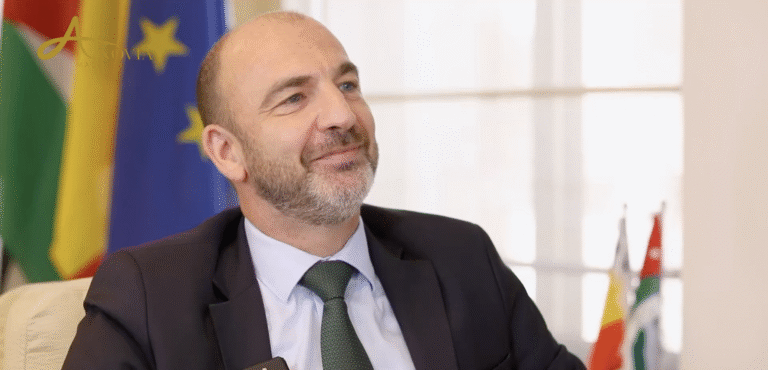
Among the few who understand this notion is Serge Dickschen, the Ambassador of the Kingdom of Belgium, who believes that travel is among the most authentic tools for fostering mutual understanding and lasting friendship between nations.
In an exclusive interview at the Embassy of Belgium, Anovia Magazine explored how Jordan and Belgium, two countries rich in heritage and shared values, can further deepen their cultural, touristic, and people-to-people ties.
“From a European and Belgian perspective, Jordan has so much to offer. It’s only a four-hour direct flight away, blessed with wonderful weather, especially appealing to Belgians seeking to escape the rain and early autumn darkness. And beyond that, Jordan’s historical and cultural heritage is truly exceptional, with an abundance of experiences waiting to be discovered,” says Ambassador Dickschen with genuine admiration.
The ambassador speaks passionately about Jordan as a destination that offers far more than its renowned landmarks.
“Tourists here can be real bridge builders; when visitors meet local communities with open minds, they help break stereotypes and discover the depth of Jordanian culture, its warmth, hospitality, and diversity.”
The ambassador emphasized that Belgian travelers are continually reassured of Jordan’s safety and stability, describing it as a peaceful nation known for its warm hospitality and openness to visitors.
Beyond Petra and Wadi Rum, the ambassador is captivated by Jordan’s lesser-known gems.
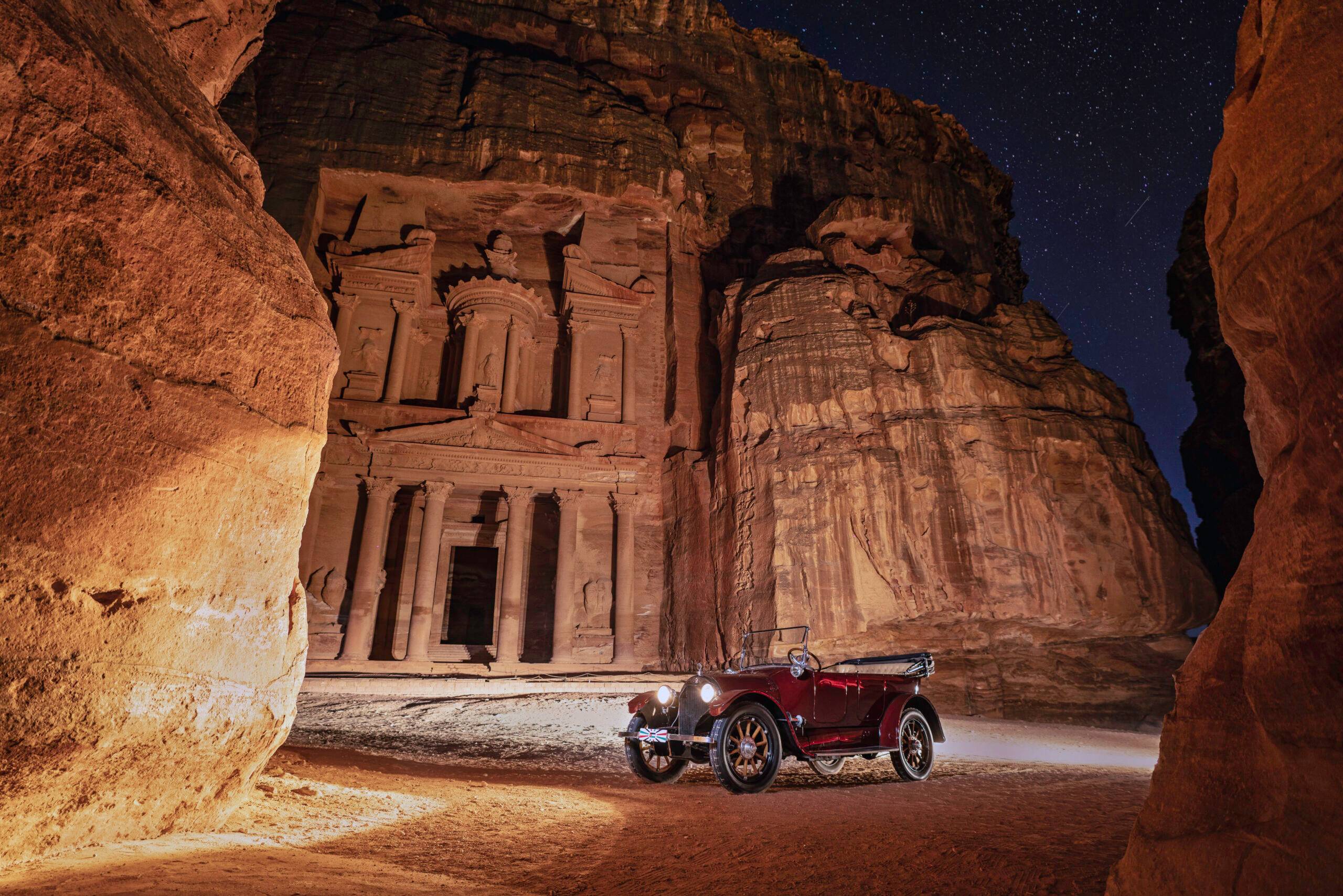
“Petra is far more than the Siq or the Treasury, its beauty extends far beyond those iconic landmarks. Every visit reveals something new; the surrounding landscapes hold endless treasures. I’ve always been drawn to the desert, there’s a meditative calm in its vastness, a quiet strength in what some might call emptiness, though it is very much alive.”
He adds that Jordan’s deserts, Wadi Rum and Wadi Araba and the basalt plains that extend toward Iraq and Syria reveal an extraordinary diversity, where each landscape offers a unique and memorable experience, and that “equally remarkable are the coral reefs of Aqaba, far richer and more vibrant than expected. Together, these natural treasures create a stunning mosaic that distinguishes Jordan as a land of exceptional beauty and contrast.”
When asked about destinations that appeal to Jordanian travelers, the Ambassador describes Belgium as “a small but remarkably rich country.”
“Belgium is only 30,000 square kilometers, yet it offers an incredible variety of experiences. Brussels and Bruges are our most famous cities, one is the capital of Europe and NATO, and the other is a medieval gem,” he says, and adds “but there’s so much more: Ghent, Antwerp, Liège, and charming towns like Mechelen and Namur, each packed with history, architecture, and character.”
Belgium, Dickschen says, is also a gateway to Europe.
“You can travel by train to Paris or London within hours; accessibility makes it a perfect hub for regional exploration.”
Culinary tourism plays a significant role in enhancing travelers’ experience, and is considered another shared passion between Belgium and Jordan.
“Food is a cultural marker, it tells a nation’s story, and for both Belgians just like Jordanians, eating together is part of life, a celebration of identity and friendship.”
The Belgium Embassy has recently organized events promoting Belgian chocolate and gastronomy, both warmly received in Jordan.
“I have noticed that many Belgian tourists aren’t very familiar with Jordan’s rich culinary heritage. Yet, when they discover it, they find excellent restaurants, wineries, and vineyards. This is something that strongly appeals to Belgians and Europeans alike, especially since your vineyards are uniquely situated in the middle of the basalt desert near the Syrian border. I particularly enjoyed visiting them, though I honestly did not know that Jordan even produced wine. So, when we talk about culinary tourism, I believe there is great potential to bring this remarkable heritage further into the spotlight.”
Both Belgium and Jordan share a deep commitment to sustainable tourism, and view it as essential for preserving cultural and natural heritage.
“In Jordan, you already have wonderful eco-initiatives, Feynan, Wild Jordan, and others; the country’s nature is unique, from Wadi Mujib to the coral reefs of Aqaba. It’s crucial to preserve this heritage, not just for tourism but for future generations. Education and awareness are keys.”
Dickschen points to growing European demands for eco-conscious travel that respects both nature and communities.
Looking ahead, the ambassador believes in the power of niche tourism, whether religious, cultural, or artistic, to bring new dimensions to mutual exchange.
“Jordan is a biblical land, central to our shared history, and Belgium, a traditionally Catholic country, shares that connection. Projects like the restoration of Mukawir with the EU are examples of how culture and faith can unite people.”
Dickschen also sees art and music as growing bridges between the two nations.
“Jordan now hosts concerts in Petra and the Roman Theatre of Amman, these experiences combine heritage and creativity. Belgium, too, is rich in art history and music festivals. These are areas where we can learn from one another.”
Dickschen acknowledged that meeting, sharing, and discovering opens doors, not just between nations, but between people’s hearts.
As the conversation draws to a close, one message resonates clearly: tourism is, at its heart, a journey toward peace, and in a world often marked by division, Belgium and Jordan remind us that travel built on respect goes beyond exploration; it forges connection, turning travelers themselves into ambassadors of understanding.
* Founder and CEO of Anovia Magazine