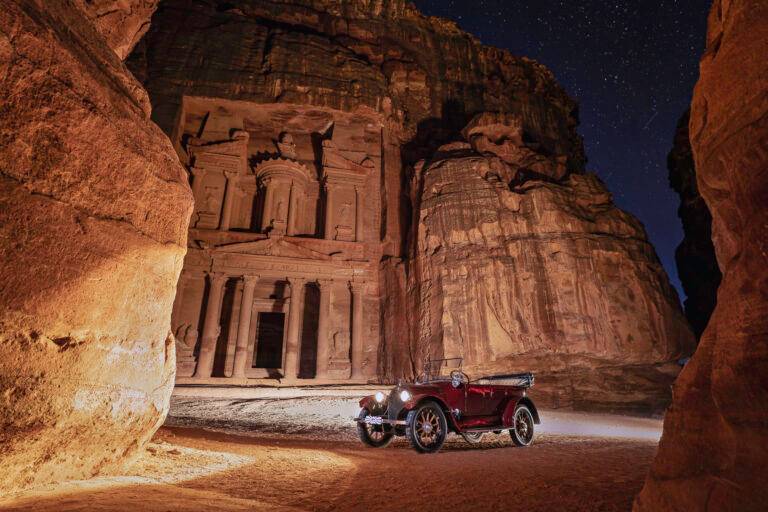
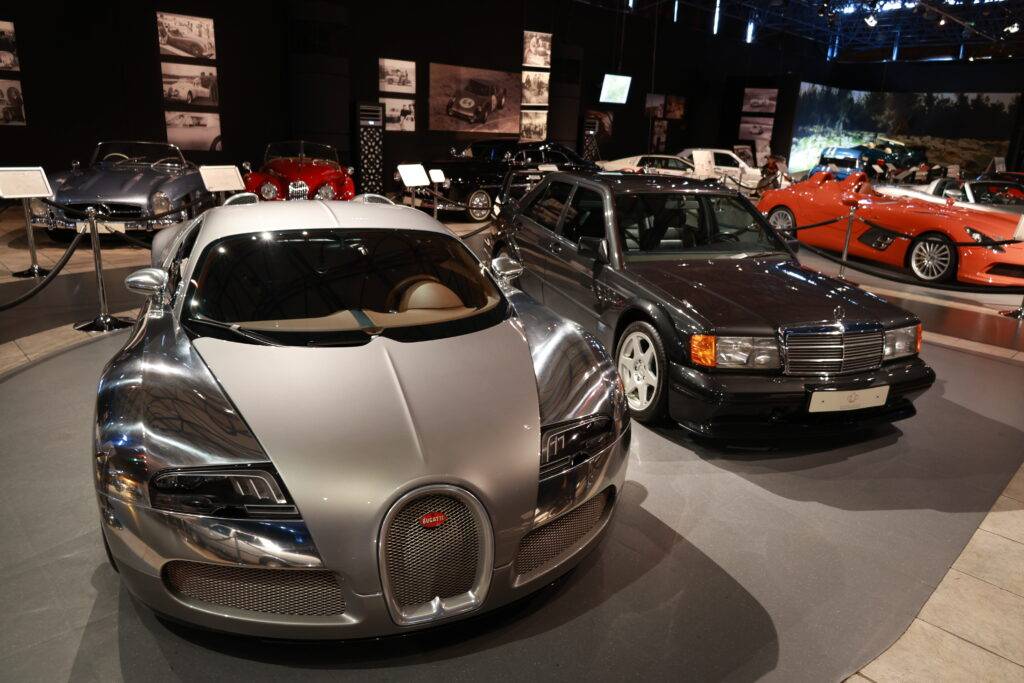
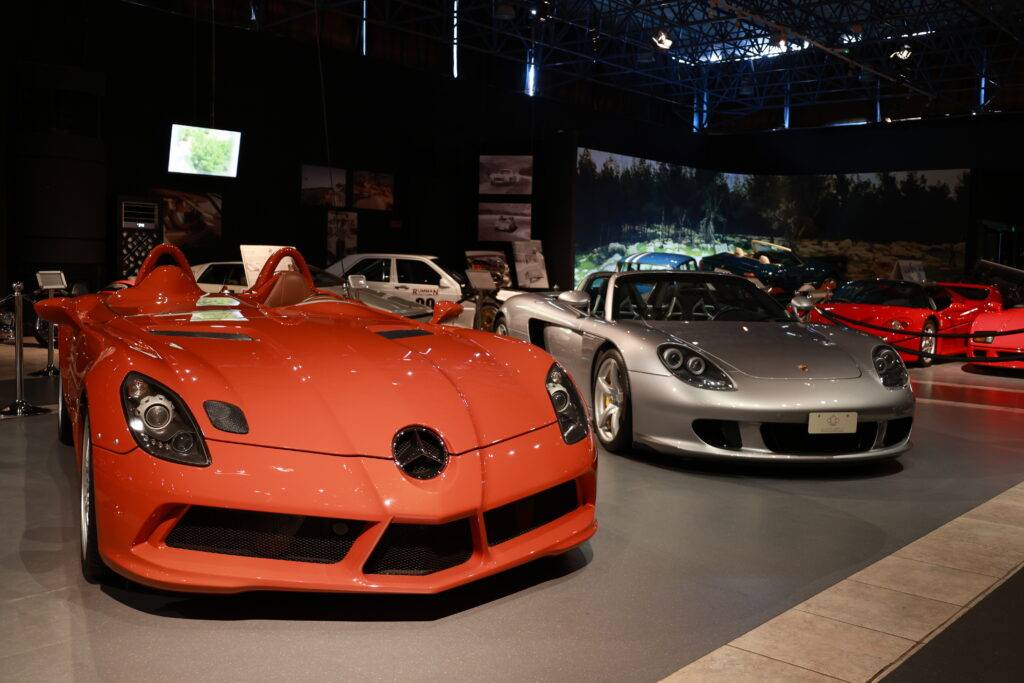
Anovia – The Royal Automobile Museum in Amman stands as one of the most prominent cultural heritage and tourist landmarks in Jordan, offering an experience that goes beyond displaying rare classic vehicles to present a comprehensive visual narrative of the kingdom’s modern history.
Through the royal cars that stand as witnesses to the milestones in the life of HLM King AlHussein bin Talal, the museum offers a comprehensive national narrative that documents historical, political, social, and human moments, embodying the Hashemite legacy as a living part of Jordan’s identity.
This feature is part of Anovia’s special dossier on cultural tourism in Jordan, which highlights the pivotal role of institutions and museums, emphasizing that tourism is not merely leisure but a bridge for cultural and diplomatic exchange.
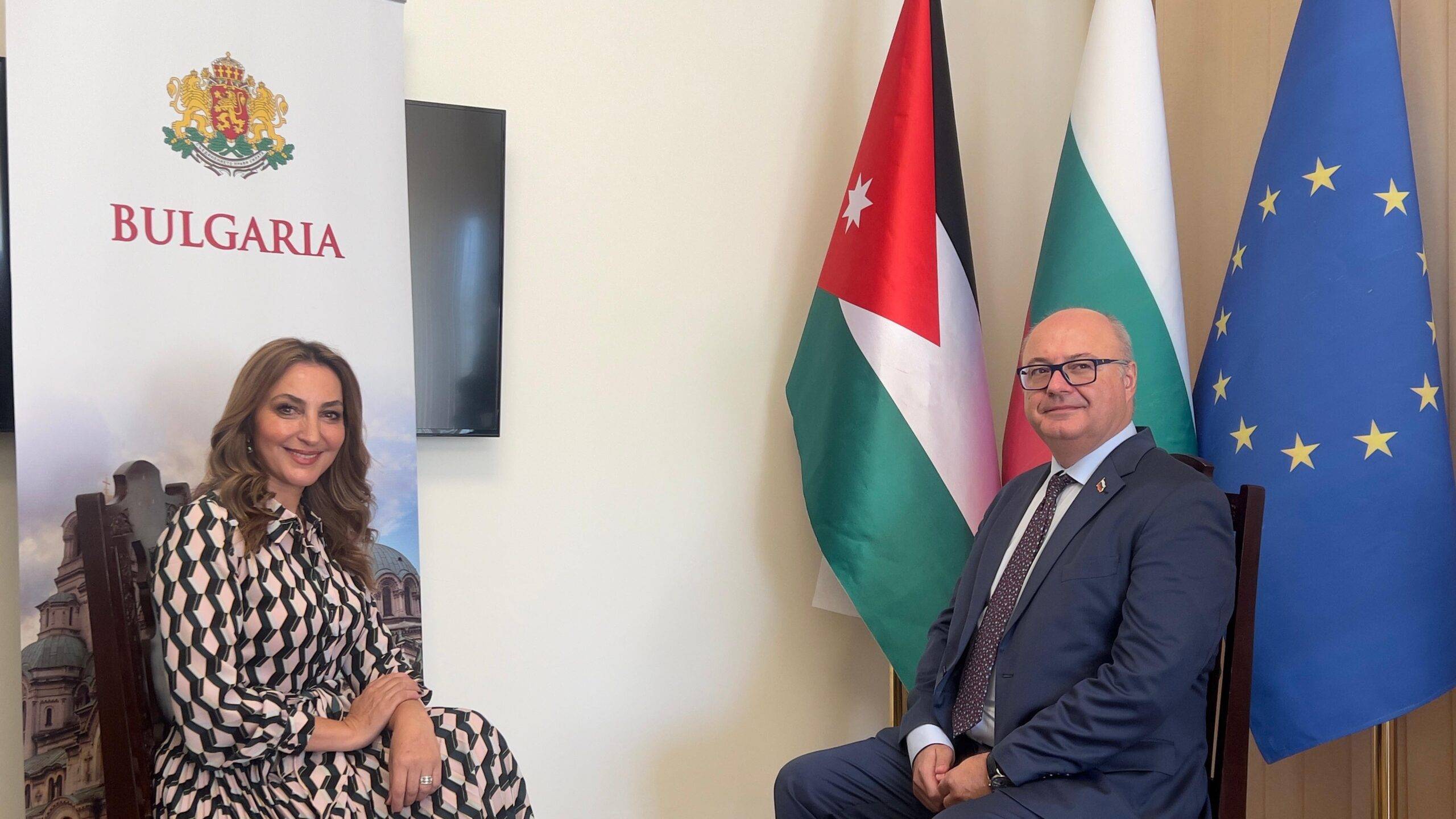
Anovia’s CEO Rula Samain conducted an interview with the museum’s director, Ayda Abdo, to discuss the philosophy of the space, the message it aims to convey to younger generations, and its role in enhancing Jordan’s image on the international stage.
Anovia: It is said that the Royal Automobile Museum is not merely a place of display, but rather “a living dialogue between the past, present, and future.” How is this idea reflected in the visitor’s experience?
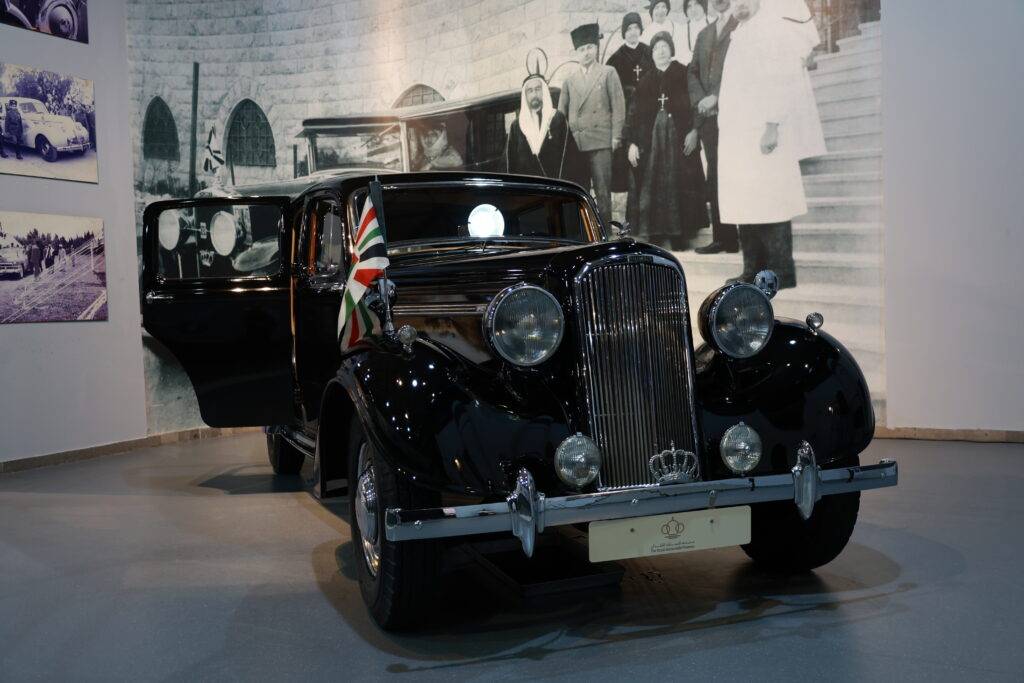
Ayda Abdo: The concept is embodied in the way the automobiles are presented; each vehicle is not just a classic piece, but a gateway to a historical narrative – dynamic and layered. Each automobile represents a chapter of social progress, infrastructural growth, and political milestones carrying Hashemites to pivotal historical moments that shaped their leadership and vision. For instance, the 1946 Humber Super Snipe of the Founding King is showcased within the context of the nation’s establishment, while other vehicles highlight pivotal milestones in the country’s journey – opening to the world and advancing technology, and driving economic and social renaissance.
In this way, the visitor does not only relive the past, but also perceives how these historic moments laid the foundation for a modern society. For the younger visitors, the museum presents a narrative for how earlier generations confronted change, inspiring them to shape their path of innovation, openness to the world with responsibility and awareness of a deep-rooted national history and Hashemite legacy.
Anovia: In every car there is a story, and in every corner a chapter of Jordan’s modern history. How were these moments carefully chosen to form a comprehensive visual narrative?
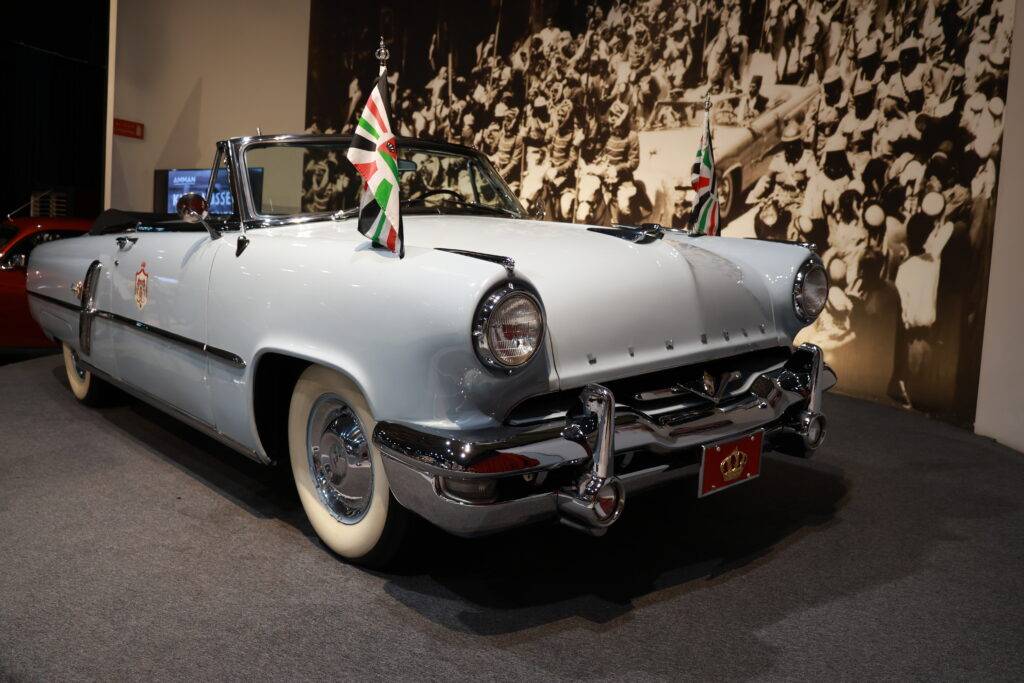
Ayda Abdo: The vehicles represent key milestones in Jordan’s political, social, and human journey, during the reign of HLM King AlHussein bin Talal, with each car tied to a historic event or national moment that helped shape the Kingdom’s identity. Among them are cars from royal coronation processions to ones continue to serve today in pivotal official visits, and national celebrations such as Independence Day. The collection also includes vehicles that documented special occasions like royal weddings and field tours undertaken by the kings of Jordan across the different governorates, as well as times of crises.
The collection also includes cars symbolizing the deep bond between His Majesty the Late King AlHussein bin Talal and the Jordanian people, such as the cars from his treatment journeys, and the vehicle that accompanied his funeral procession, may his soul rest in peace.
These moments are not merely recounted in words; they are visually embodied within the museum, guiding the visitor through a chronological journey that highlights the Kingdom’s development and the profound connection between leadership and people, all within the framework of a deeply rooted Hashemite legacy.
Anovia: How does the museum succeed in preserving the authenticity embodied in the displayed vehicles while at the same time presenting them in a contemporary spirit that appeals to the modern visitor?
Ayda Abdo: At the Royal Automobile Museum, we are committed to preserving the authenticity of the displayed vehicles. We ensure that each vehicle is maintained in its original condition as much as possible, using its original parts without modification, through a specialized team dedicated to the maintenance and restoration of classic automobiles.
At the same time, we recognize the importance of presenting these vehicles in a contemporary manner that meets the expectations of today’s visitors. We employ interactive display technologies, including visual screens that provide detailed information and video clips, along with audiovisual effects featuring images and excerpts from Hashemite Kings, documenting the historic moments connected to each car.
Additionally, we continuously refresh the exhibits and organize a variety of events tailored to different age groups, ensuring that the visiting experience remains rich, engaging, and enjoyable at once.
Anovia: The museum appears to serve as a platform for reading Jordan’s history from a royal and human perspective. What message does the museum seek to instill in the visitor’s consciousness, particularly among the younger generations?
Ayda Abdo: The Royal Automobile Museum is not merely a venue for displaying vehicles, but each car witnessed living narratives and a core message that true leadership is founded on values, vision, commitment, patriotism and belonging. It is important to remember that these vehicles are not only symbols of authority, but have been witnesses to profound human and historical moments between leaders and people, from peace initiatives to humanitarian efforts, ambition and the constant engagement with the people of the nation. We believe that every generation has a role to continue this journey with deep awareness and confidence in their identity, which is protected and prosperous under the wise Hashemite leadership.
Anovia: In light of the rapid changes taking place in the world, how does the museum maintain its standing as a historical reference without losing its appeal as a dynamic tourist destination?
Ayda Abdo: Amid the fast-paced changes the world is witnessing, the Royal Automobile Museum is keen to strike a careful balance between preserving its historical authenticity and offering a modern, engaging experience for visitors through innovation and the creation of interactive attractions. We employ modern technologies and organize a variety of educational and entertaining events targeting all age groups. We recognize the importance of direct engagement with our visitors, ensuring the participation of both the local community and international guests through workshops, guided tours, and special events that strengthen the connection between history, heritage, and the present generation.
At the same time, we give meticulous attention to the preservation of the vehicles to ensure they maintain their historical value. We have a strong network of restorers and classic car experts as well asenthusiasts who have been strong partners in preserving the authenticity and maintenance of the cars. We also make sure that the information displayed and stories are rich and authenticated by the Royal Heritage archive and contemporaries of some of the highlighted events.
Anovia: In your opinion, what makes the Royal Automobile Museum different from any similar museum worldwide? Is it the exhibits themselves, or the spirit that inhabits the place?
Ayda Abdo: Today, the museum competitive environment has intensified for visitor attendance and engagement by presenting authentic information and impactful stories. The Royal Automobile Museum pioneered the region as its first public automotive museum and has since continued to incorporate more stories and global context into its exhibits, a trait I would argue is unique. Although the museum’s mission is to present a comprehensive narrative about Jordan, the collection’s origin—as the unique personal vehicles of the Jordanian Royal Family—gives visitors an exclusive peek into their personalities and preferences.
Anovia: To what extent does the museum open its doors to collaboration with international media and cultural or tourism magazines such as Anovia? And is there a strategy to expand global promotion through media partnerships?
Ayda Abdo: We firmly believe in the importance of open collaboration with international media, as well as cultural and tourism magazines, and we actively seek to strengthen the presence of the Royal Automobile Museum through strategic media partnerships that contribute to expanding global outreach. We recently hosted Mr. Richard Hammond, a world-renowned British journalist and TV presenter, at the Royal Automobile Museum. We hope your audience and the public will see more news about the museum in international media soon.
In previous years, the museum has hosted numerous Arab and international television channels, in addition to prominent global sports and cultural magazines, with the aim of showcasing the museum’s experience, collection and highlighting its historical and cultural value.
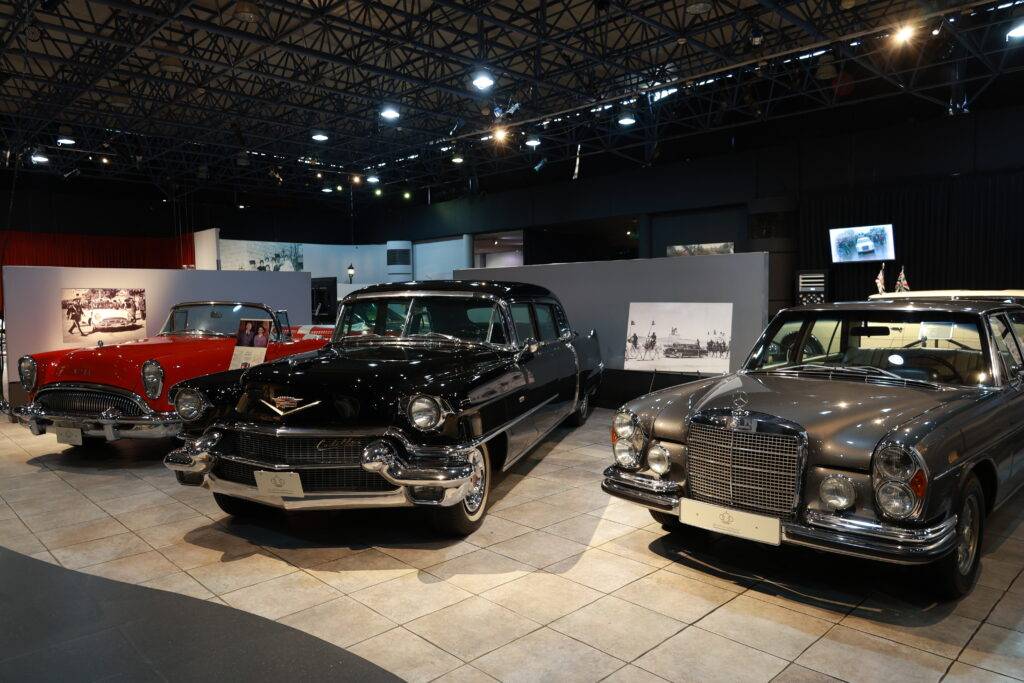
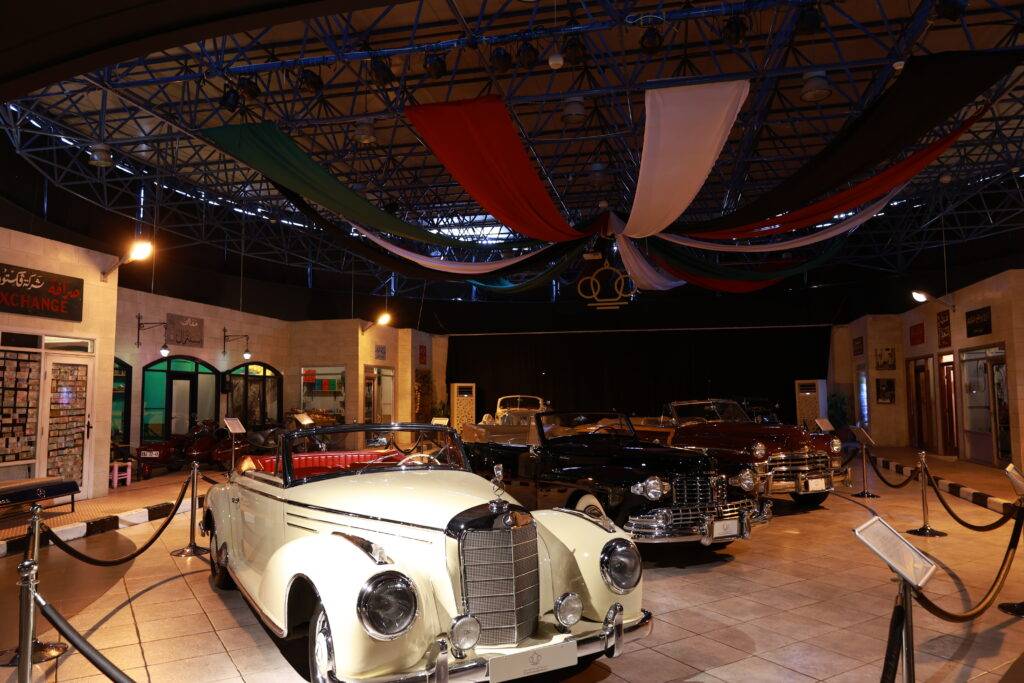
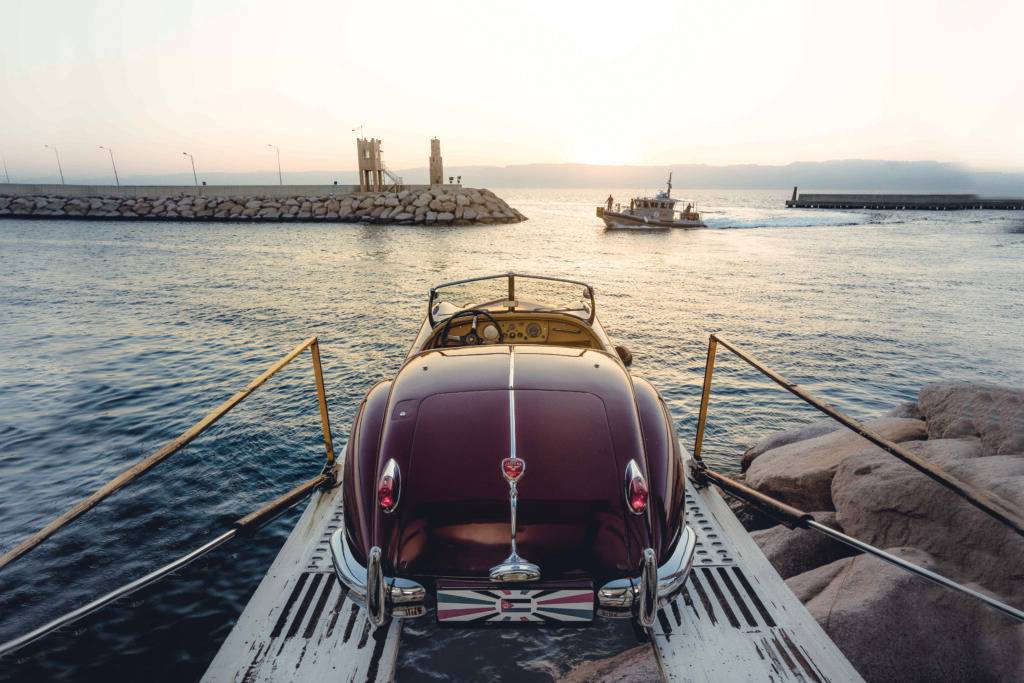
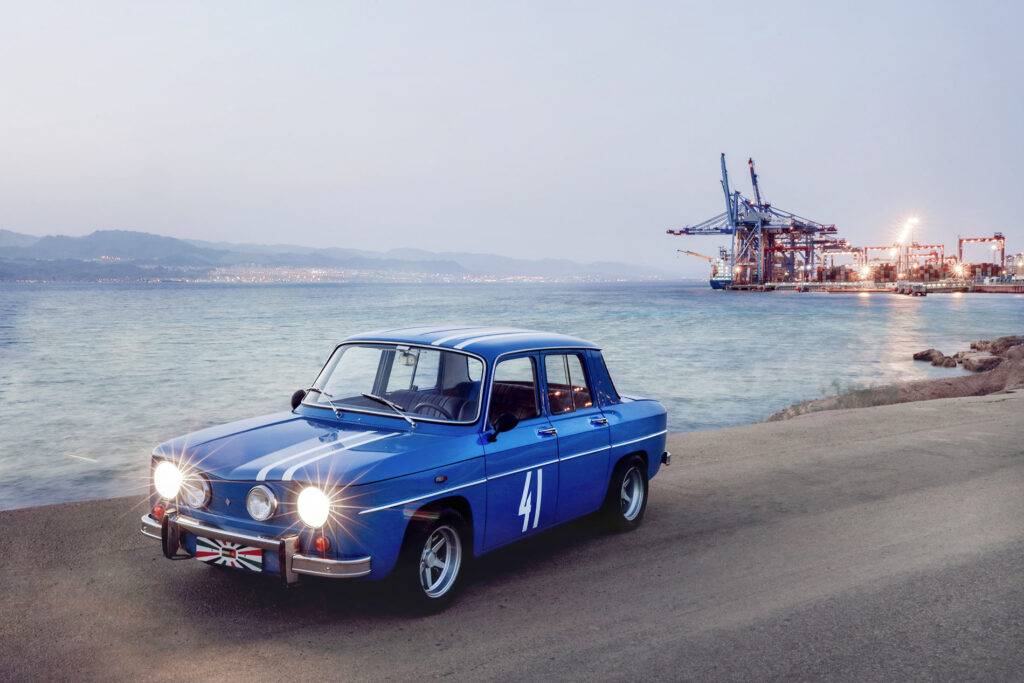
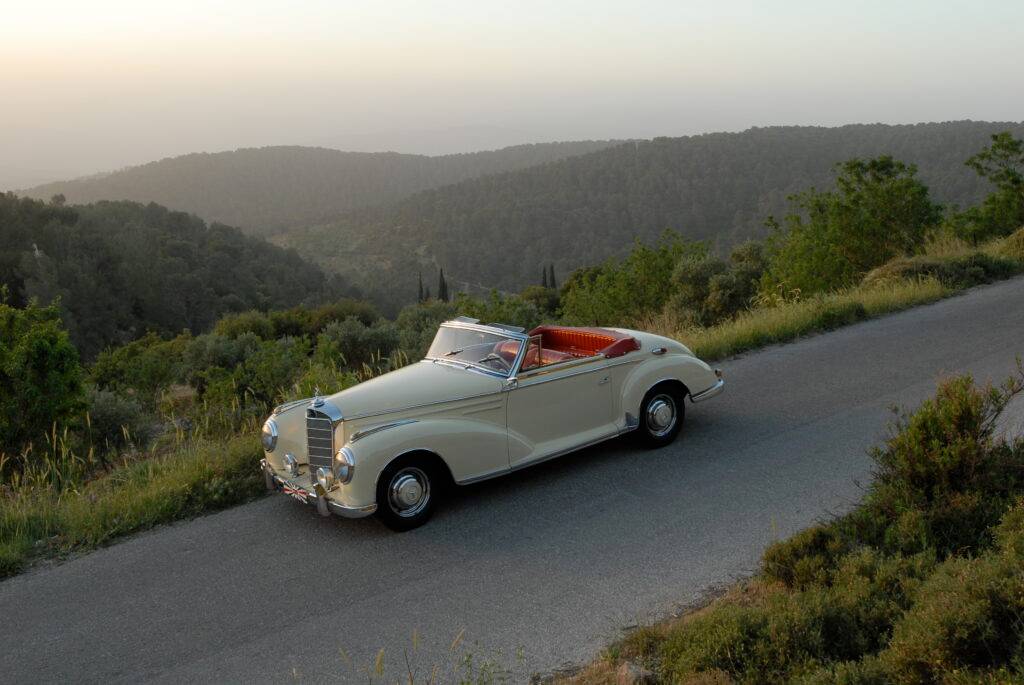
Photos courtesy of Royal Automobile Club