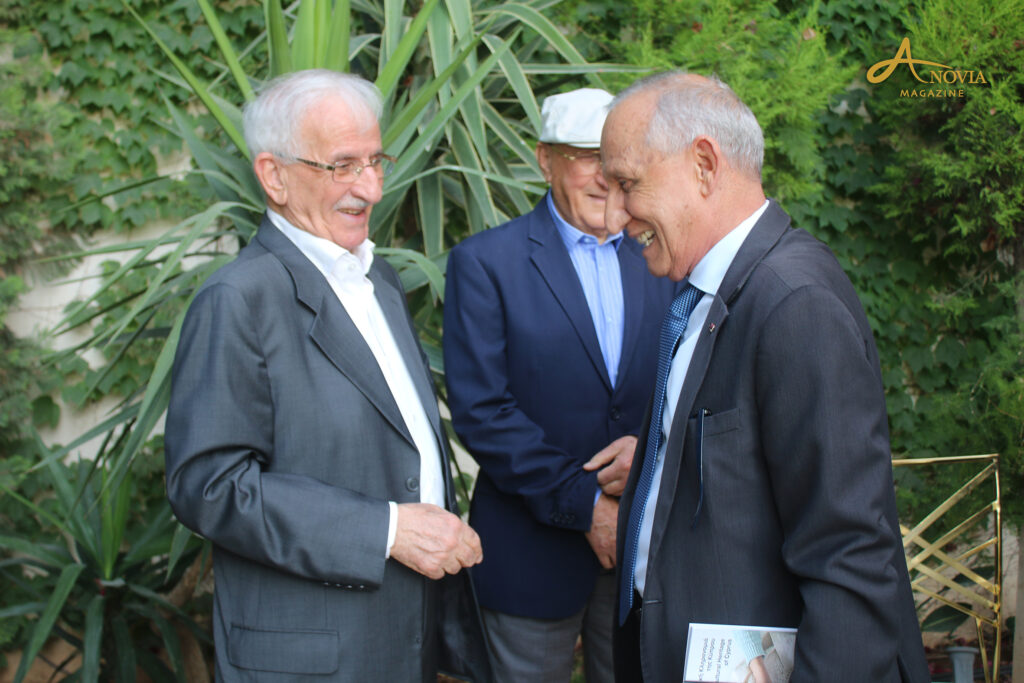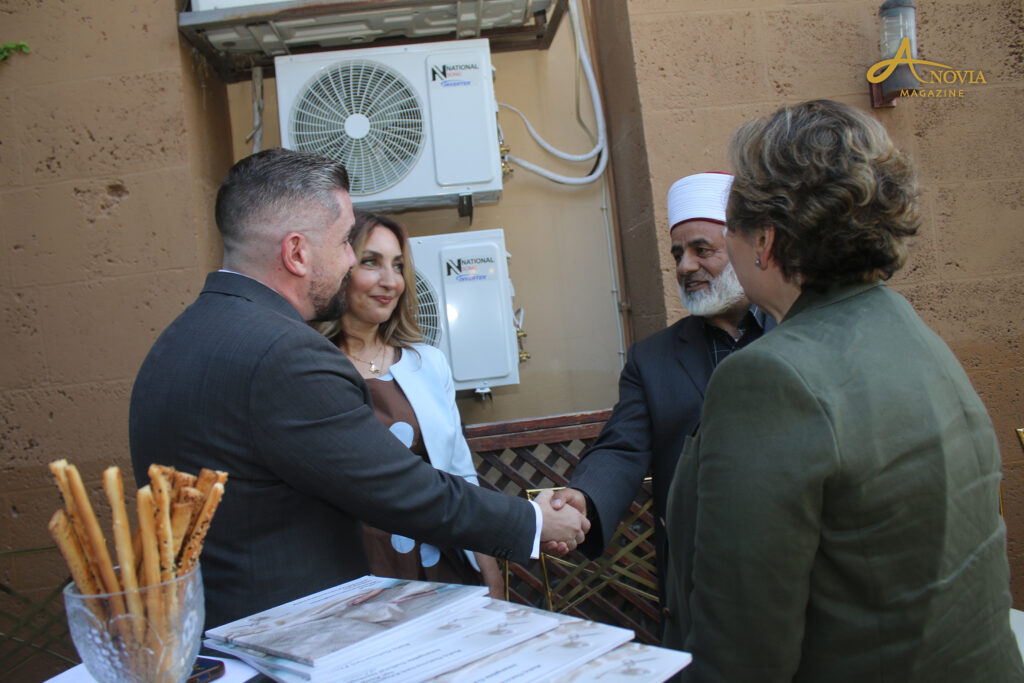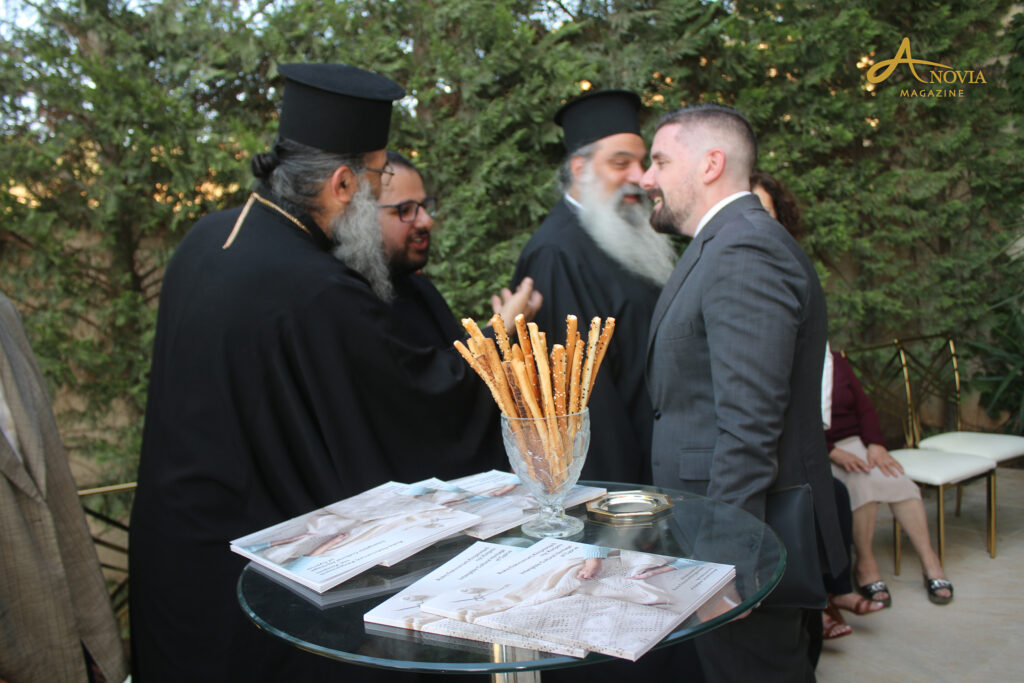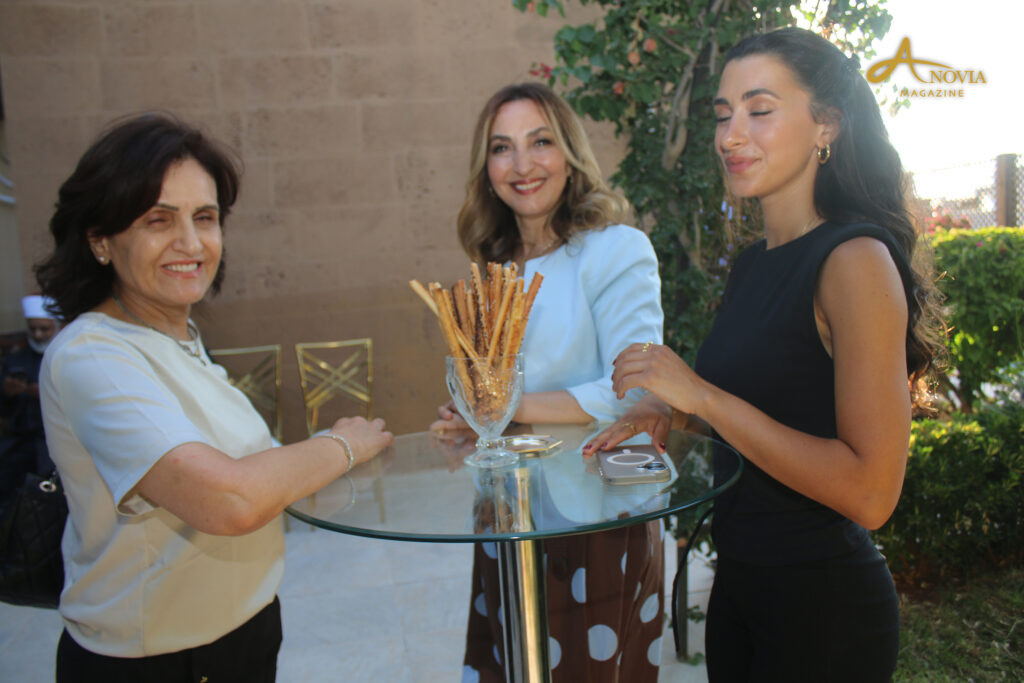
Anovia, Amman — At a time when conflicts, polarization, and competing narratives increasingly dominate global discourse, dialogue remains one of the few forces capable of bringing people closer together.
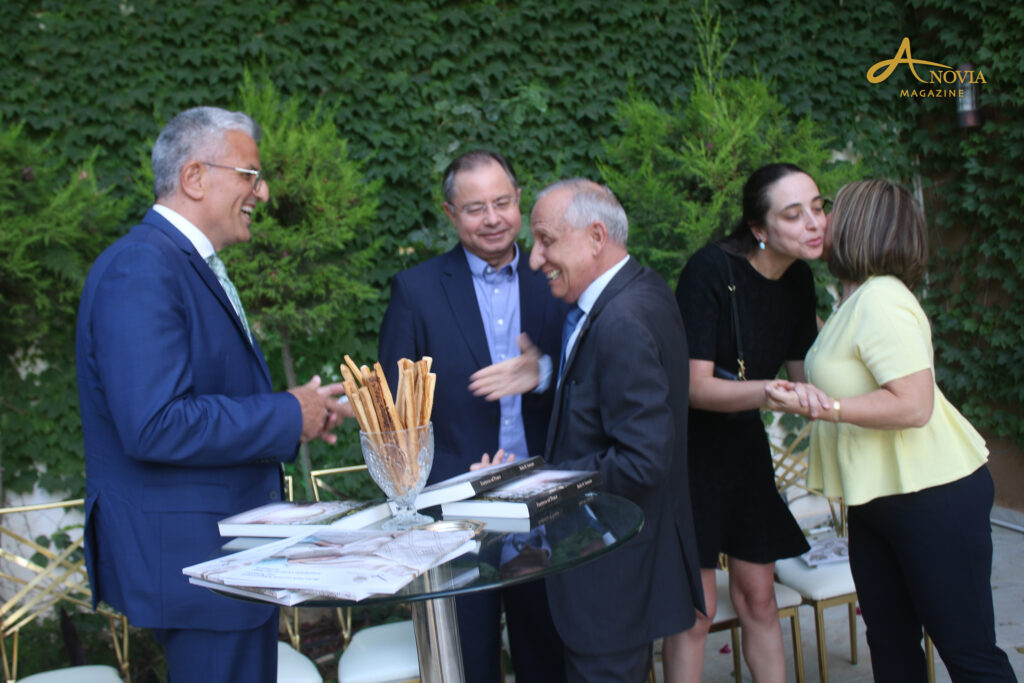
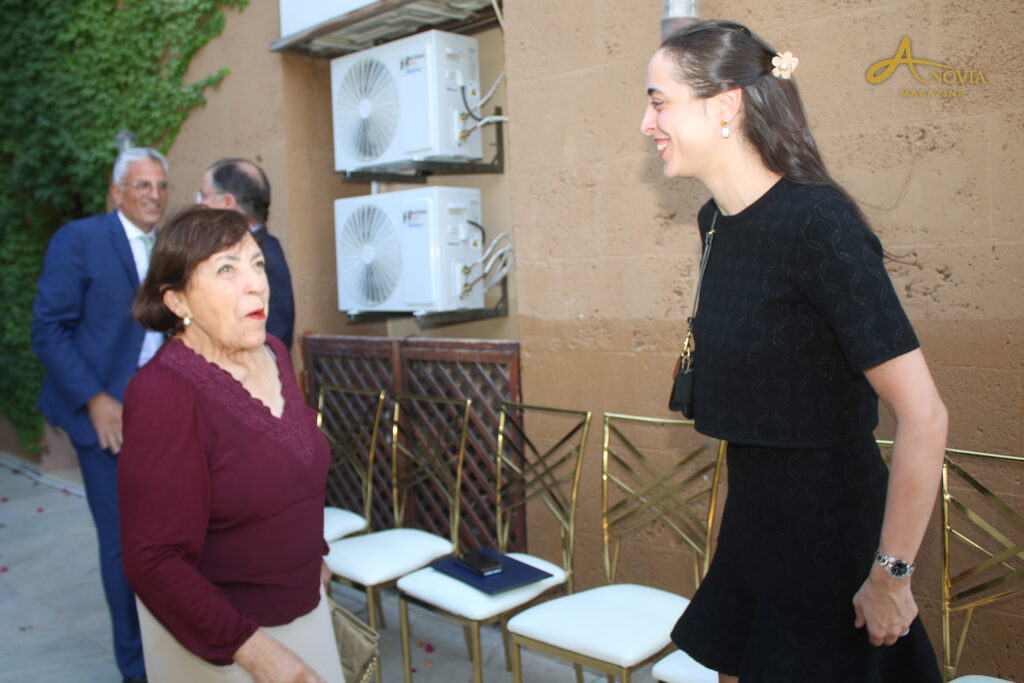
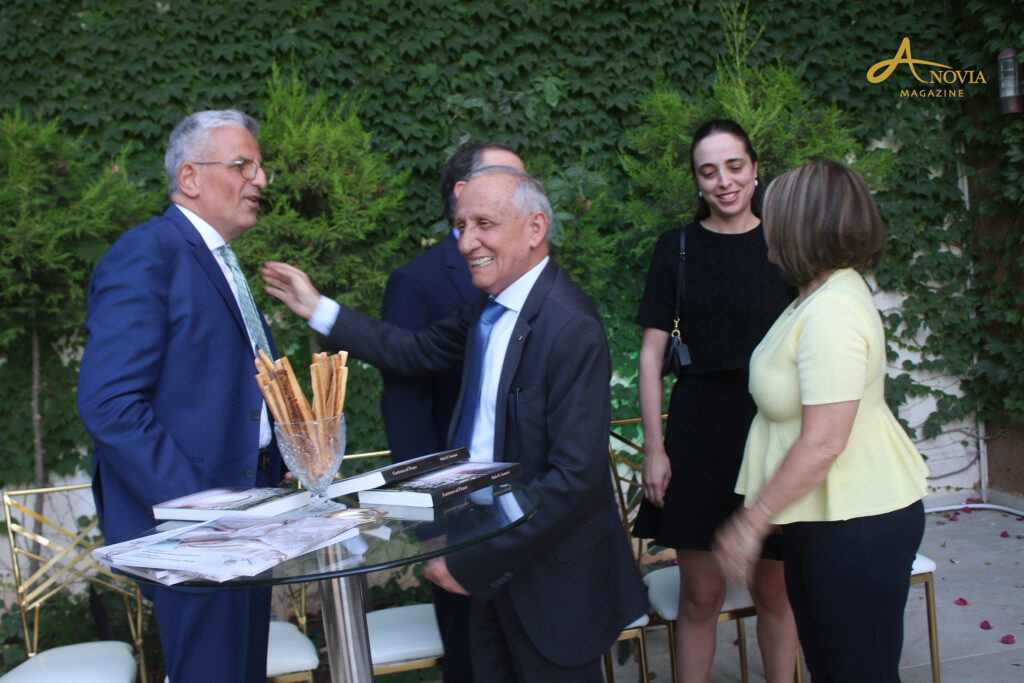
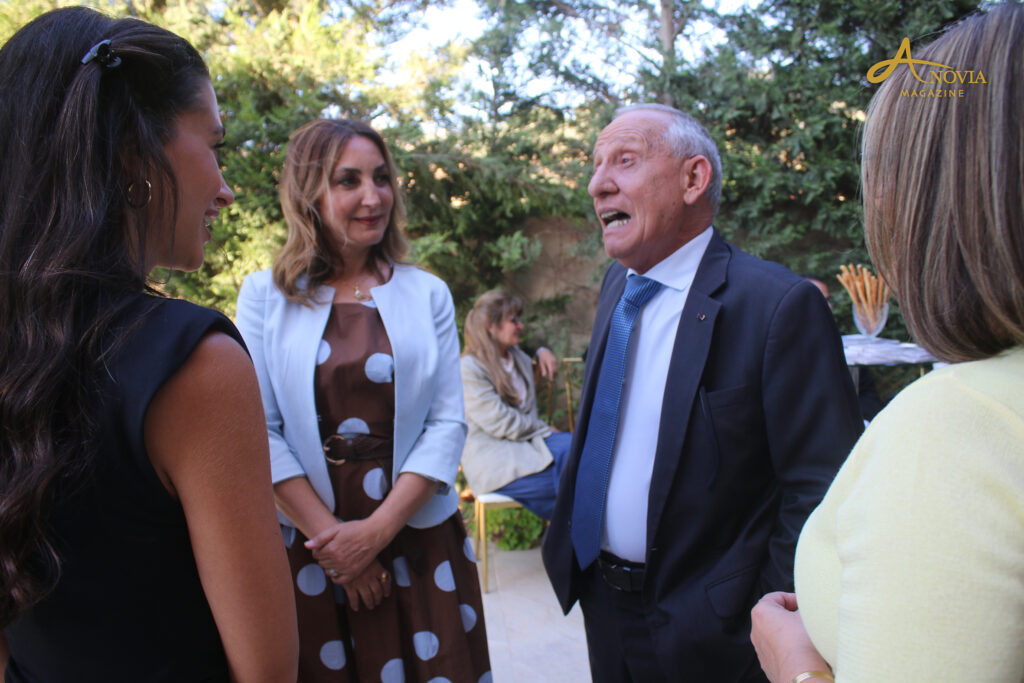
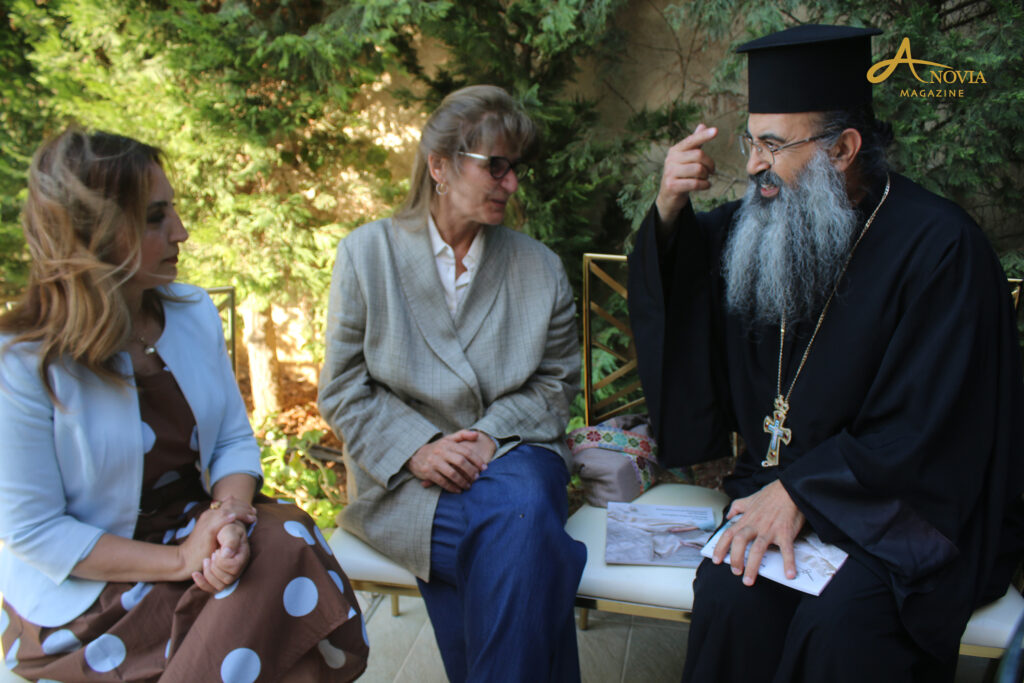
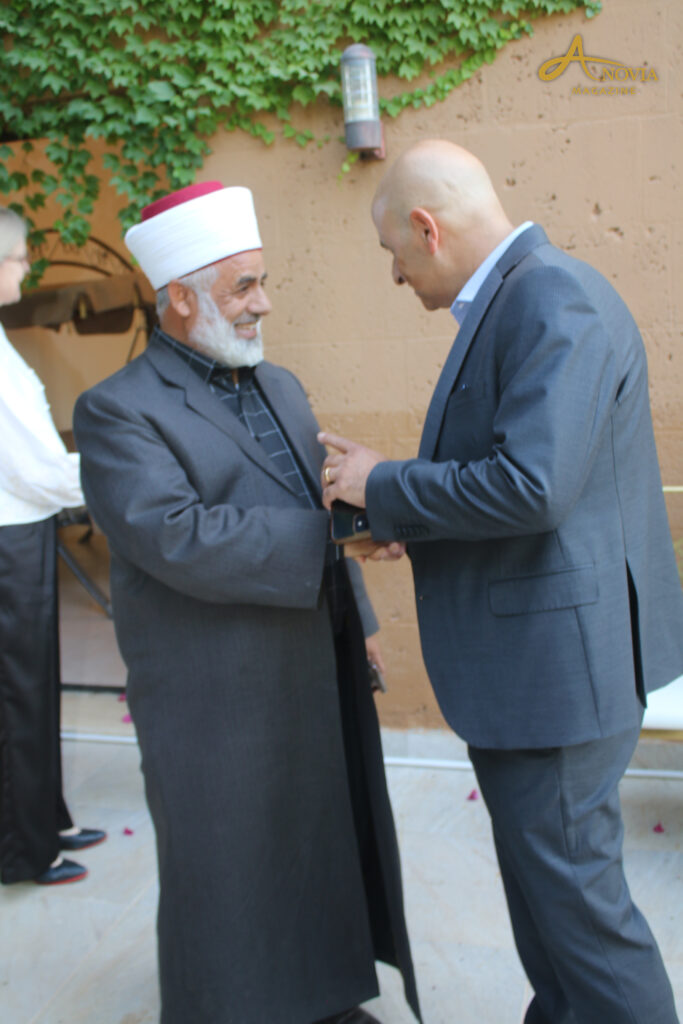
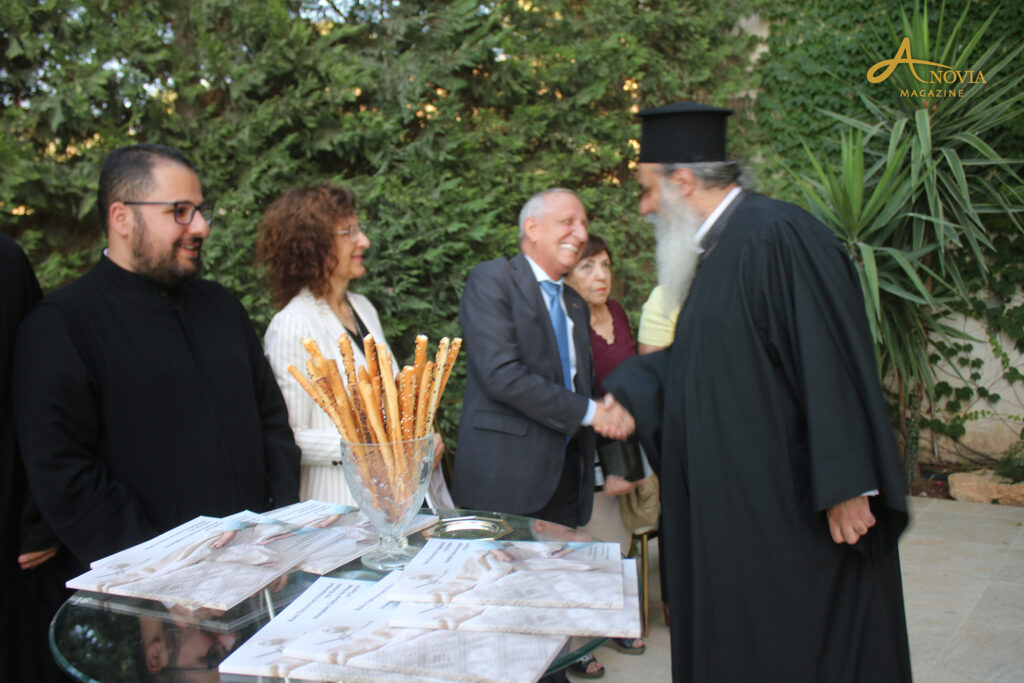
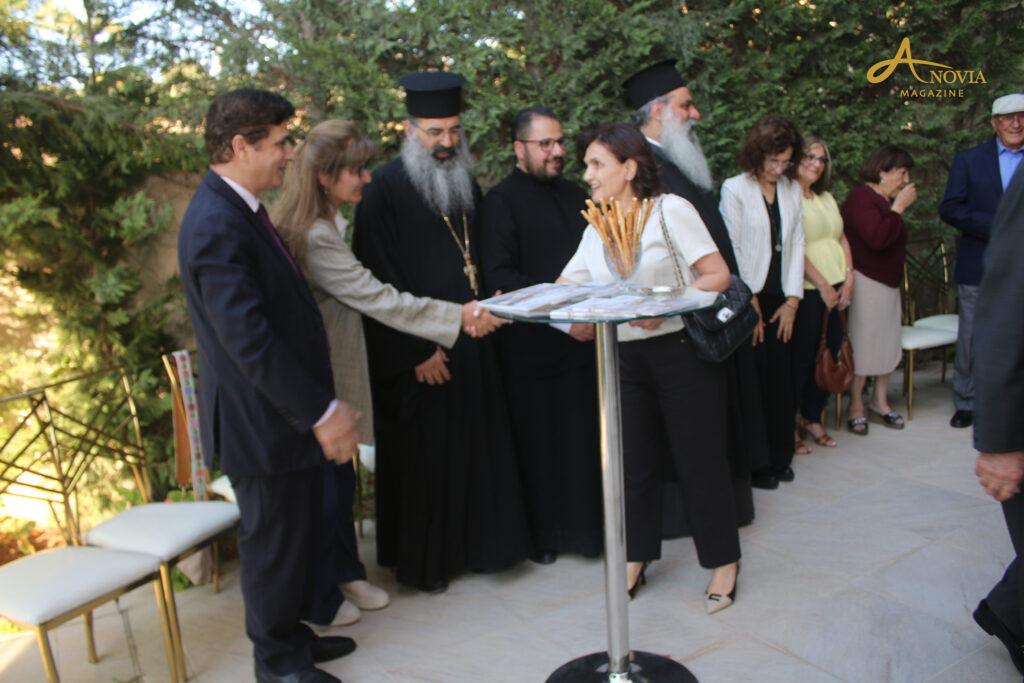
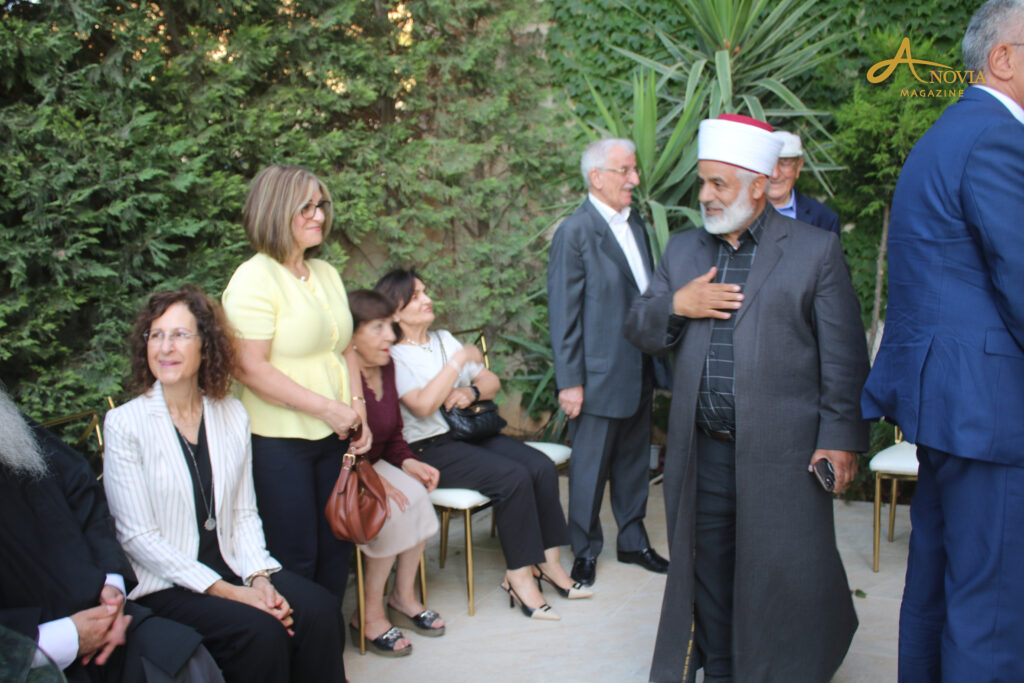
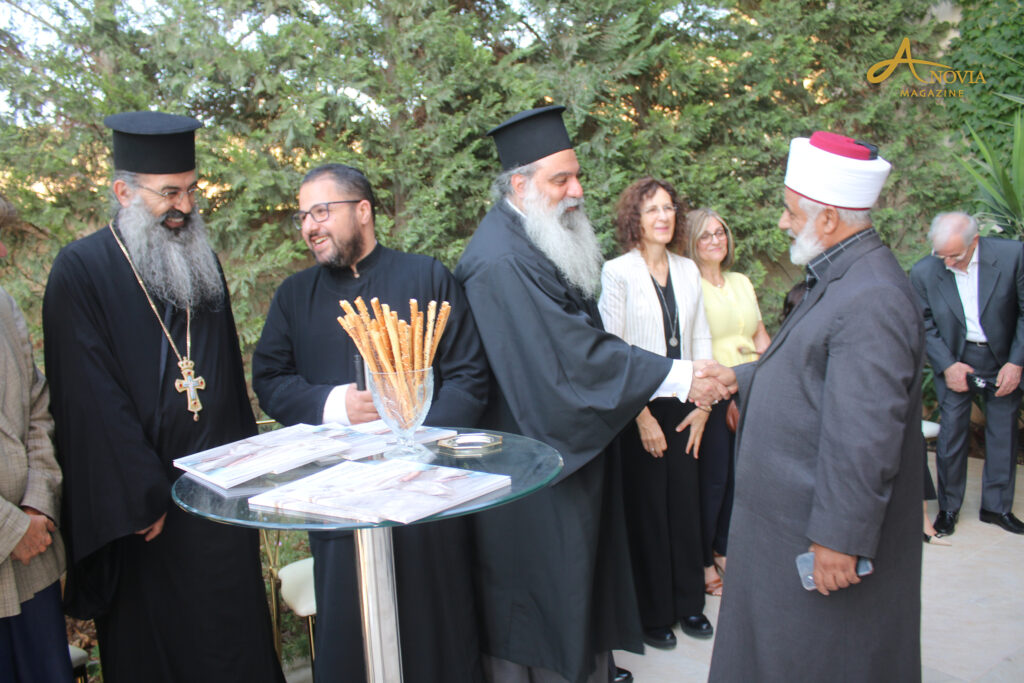
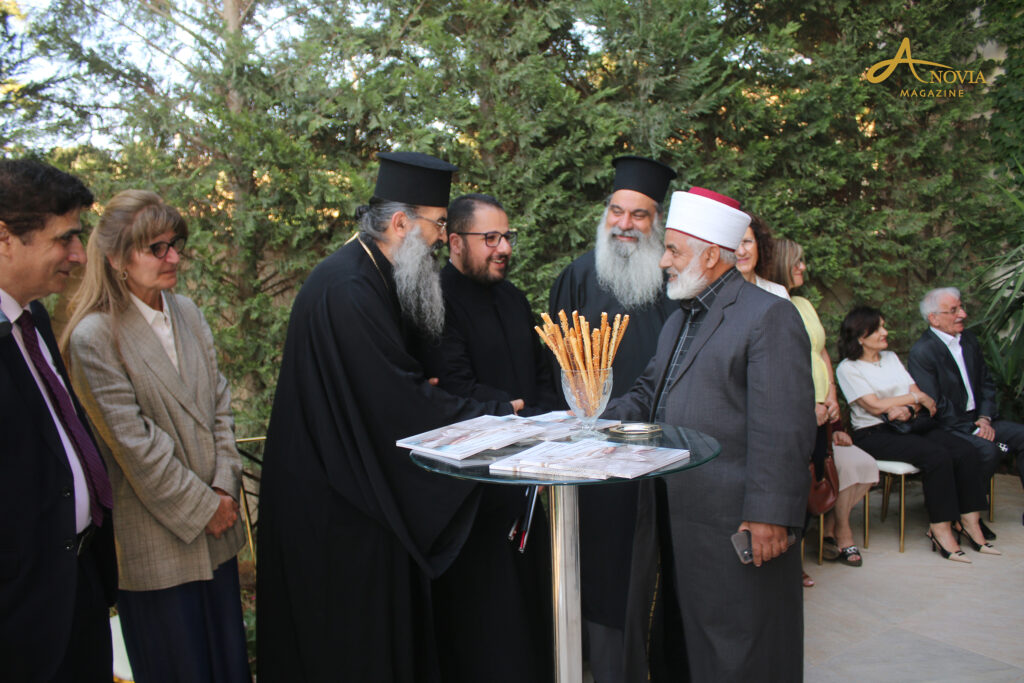
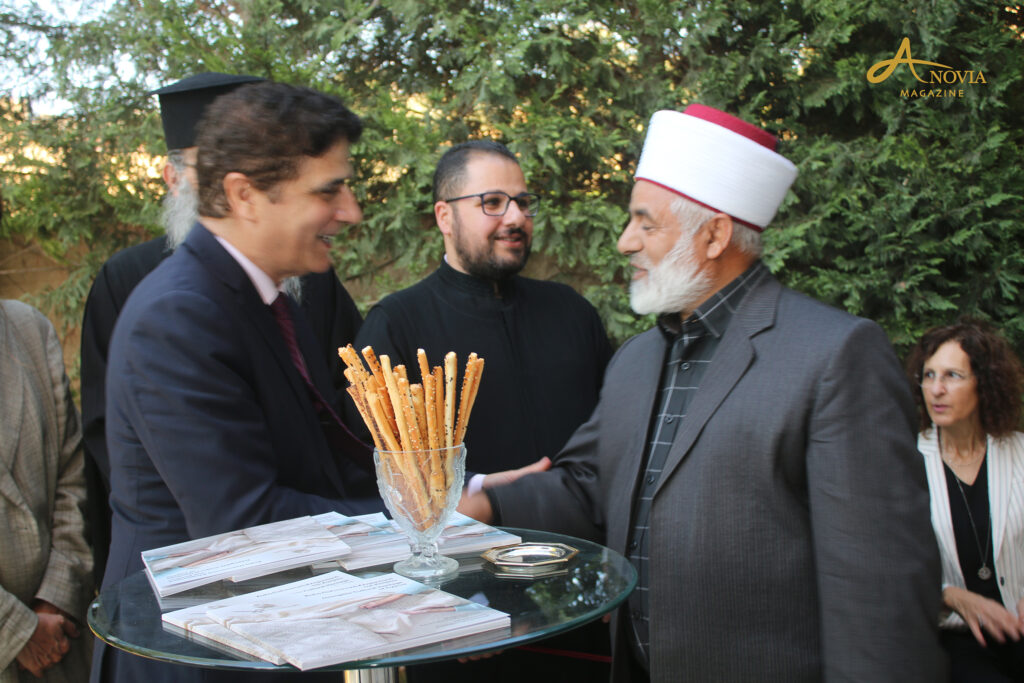
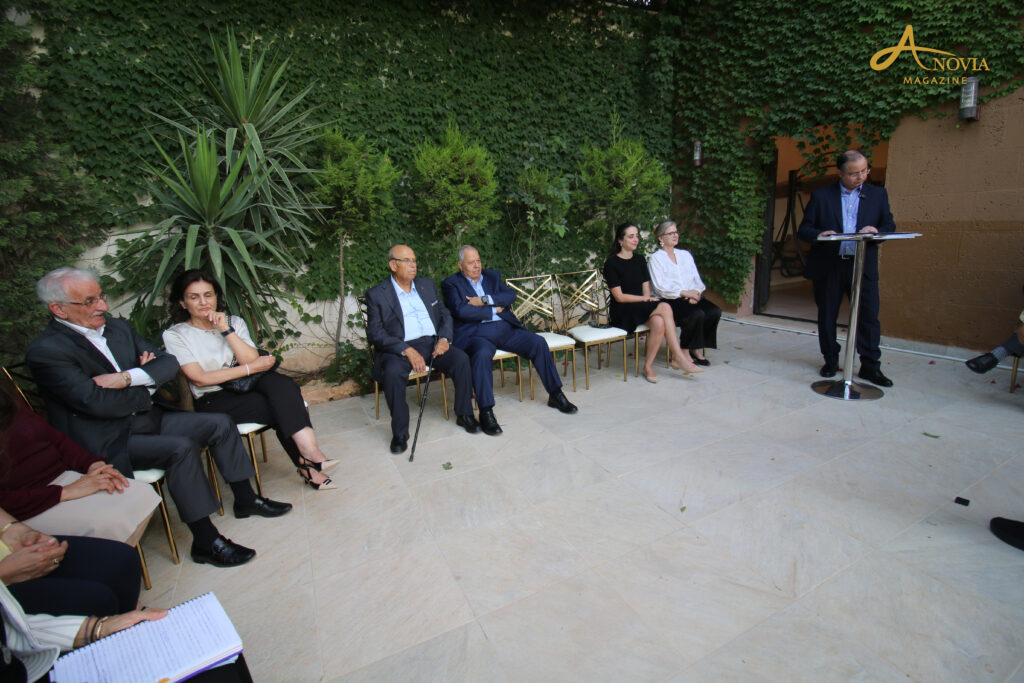
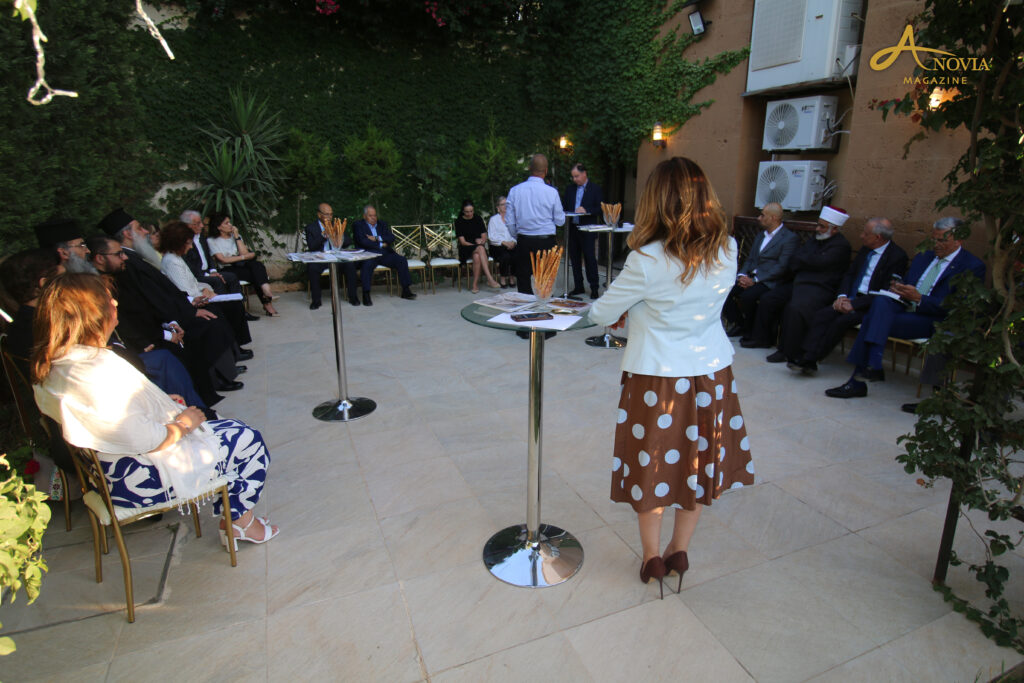
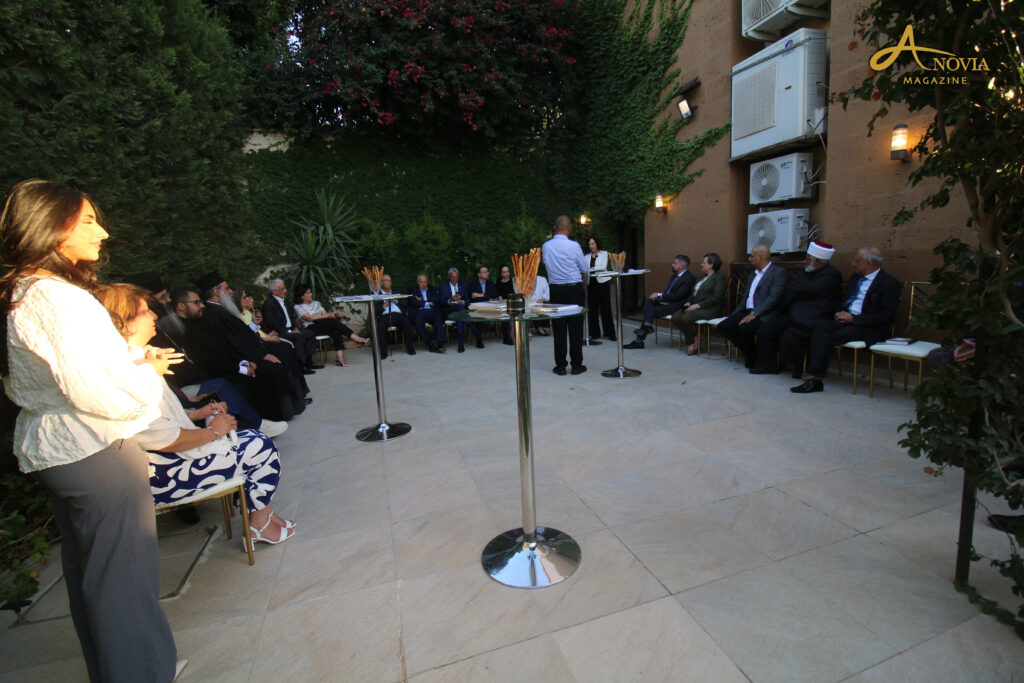
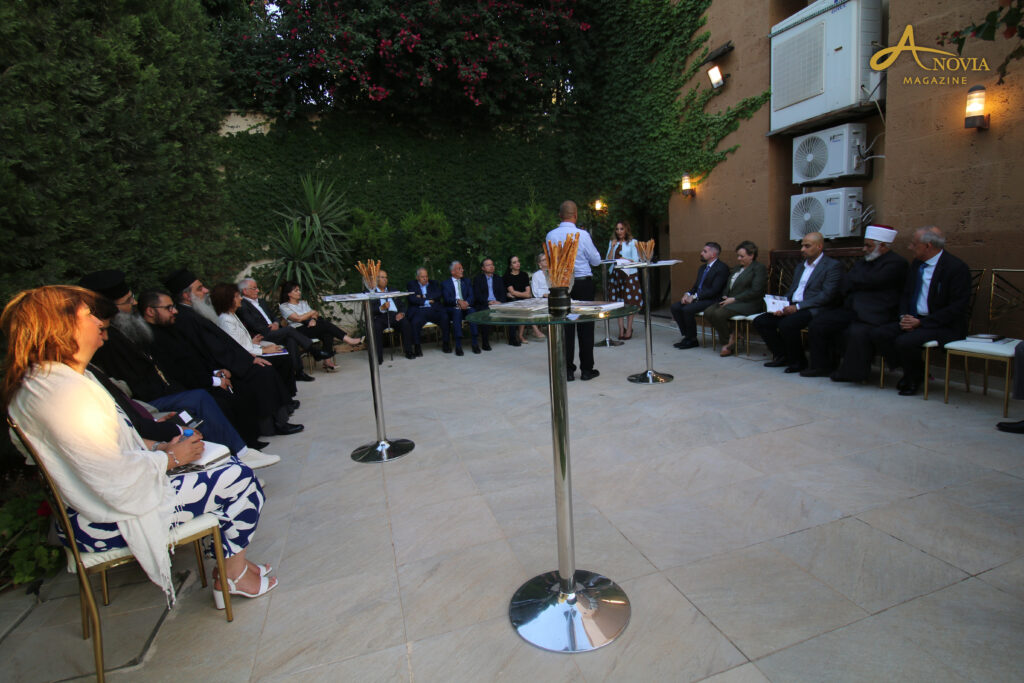
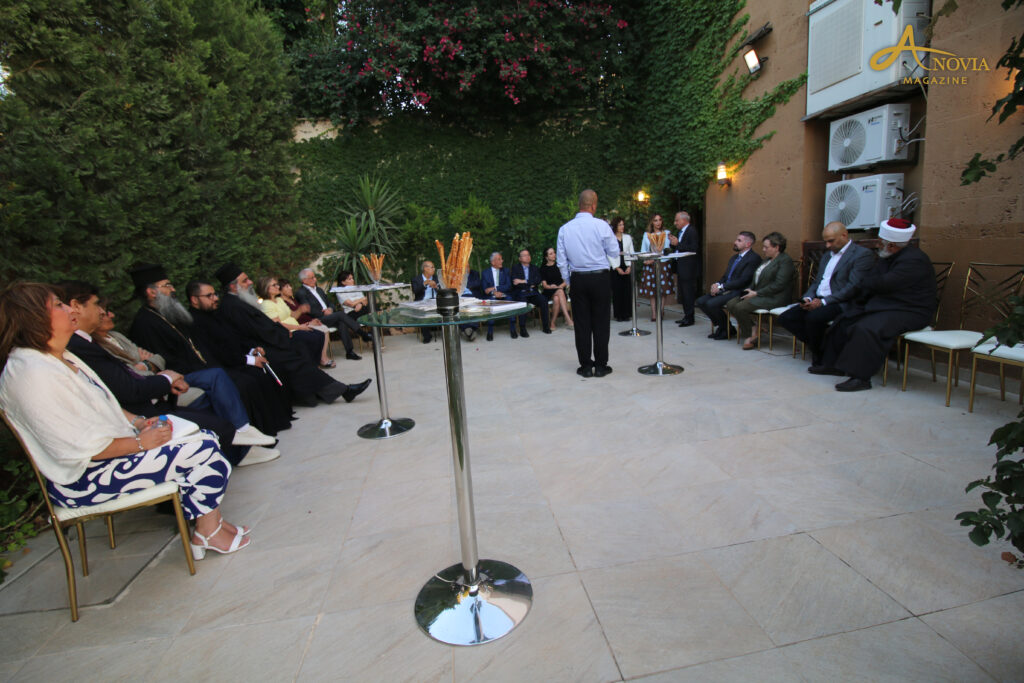
Held in a reflective setting, “Bridges of Understanding: An Evening of Intercultural Dialogue,”organized by the Embassy of the Republic of Cyprus in Amman, explored the importance of listening, understanding, and preserving channels of communication during times of uncertainty and conflict, reaffirming the enduring value of dialogue in an increasingly divided world.
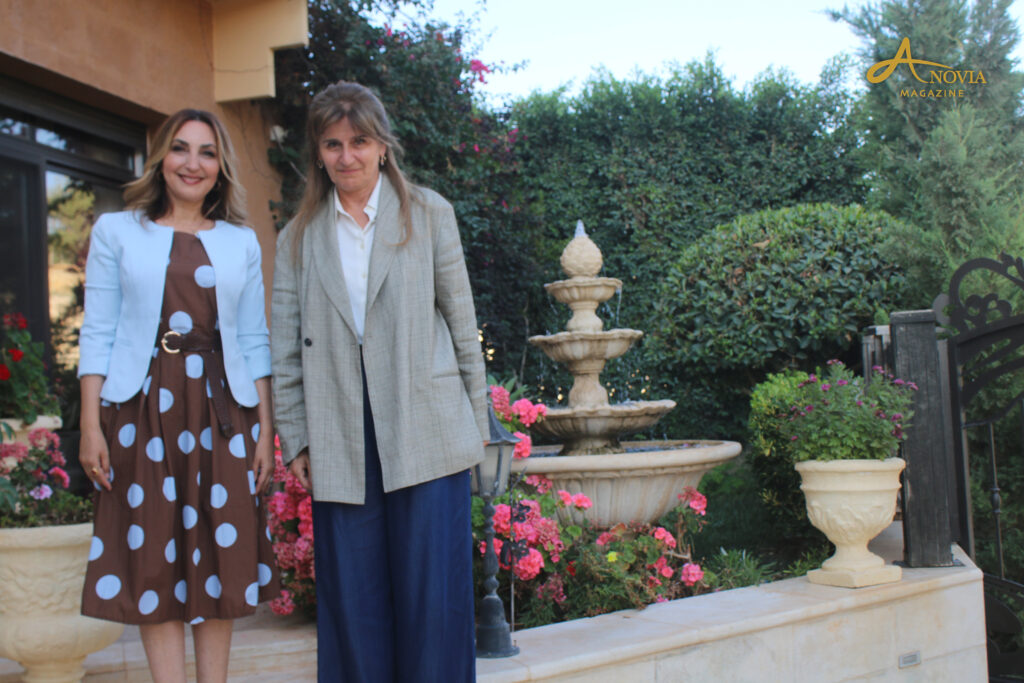
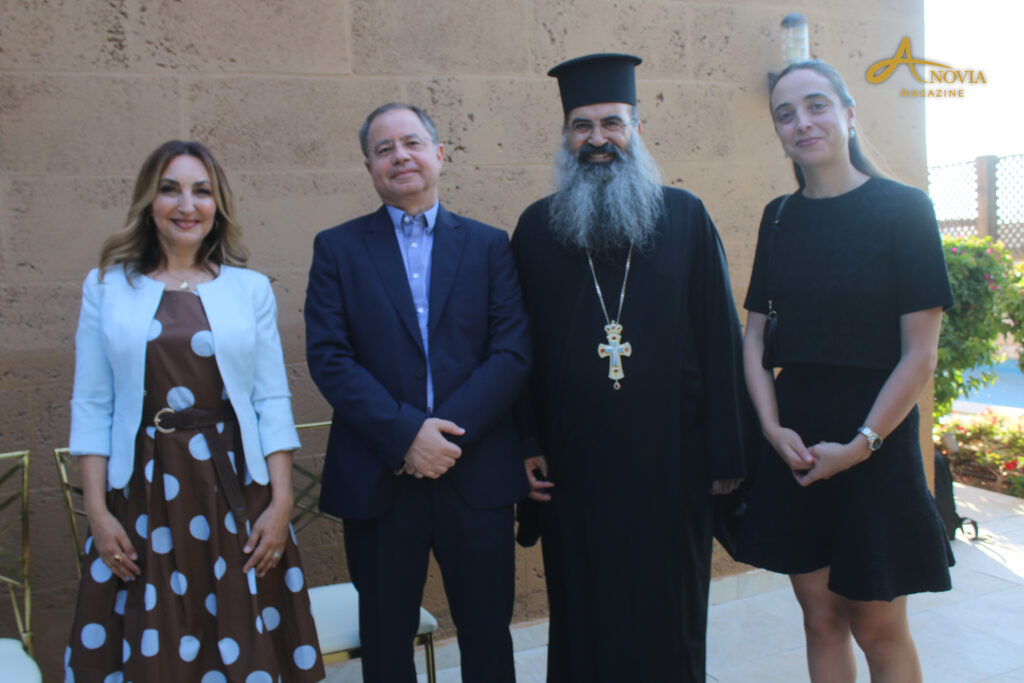
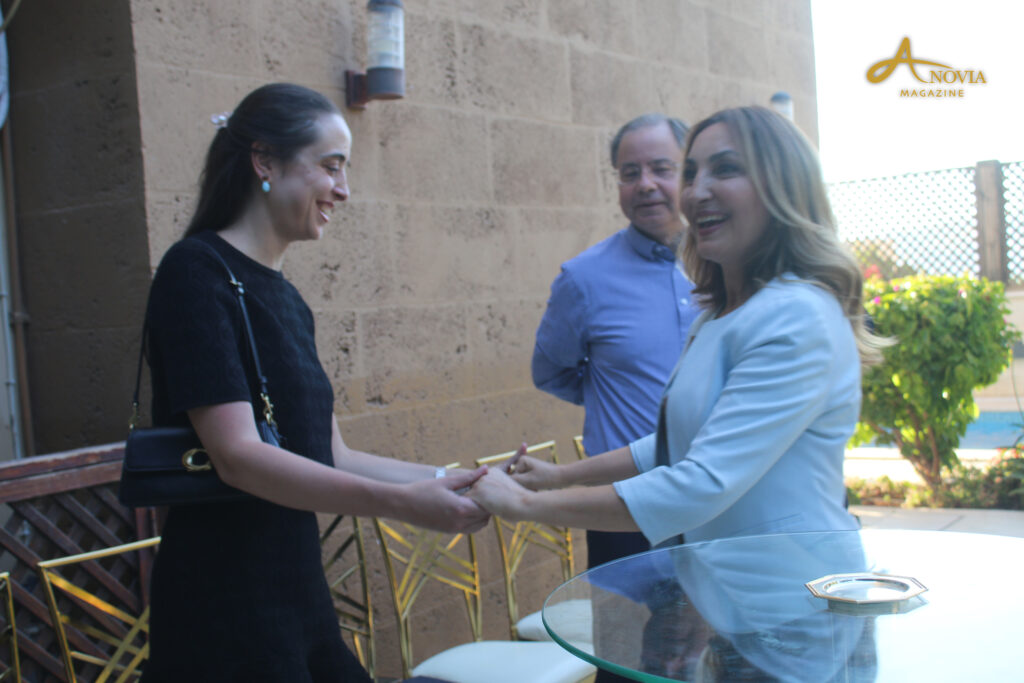
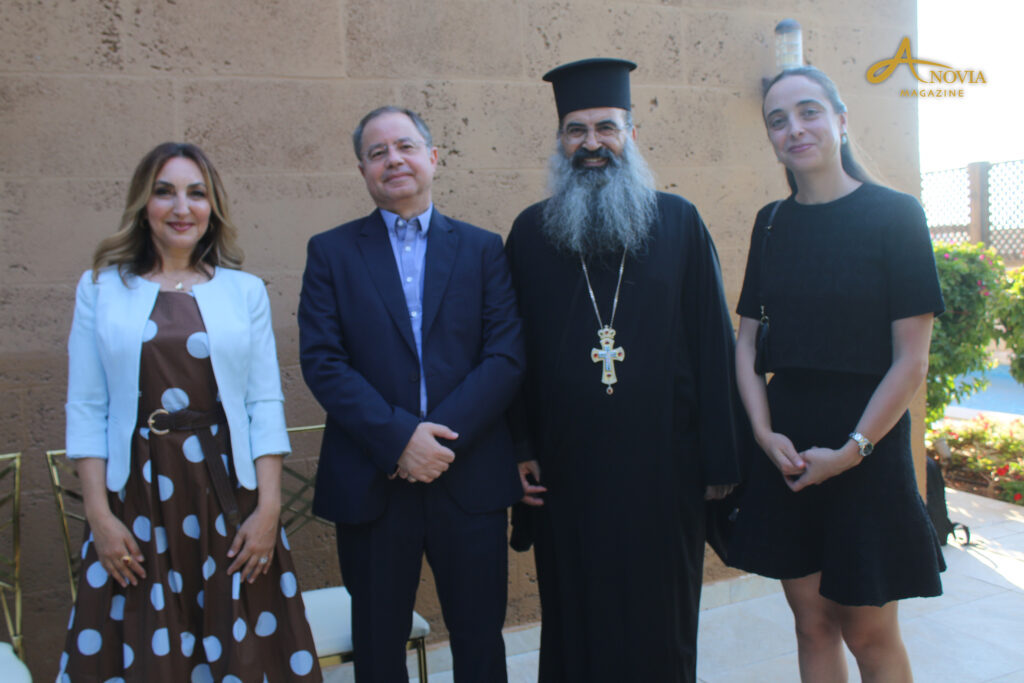
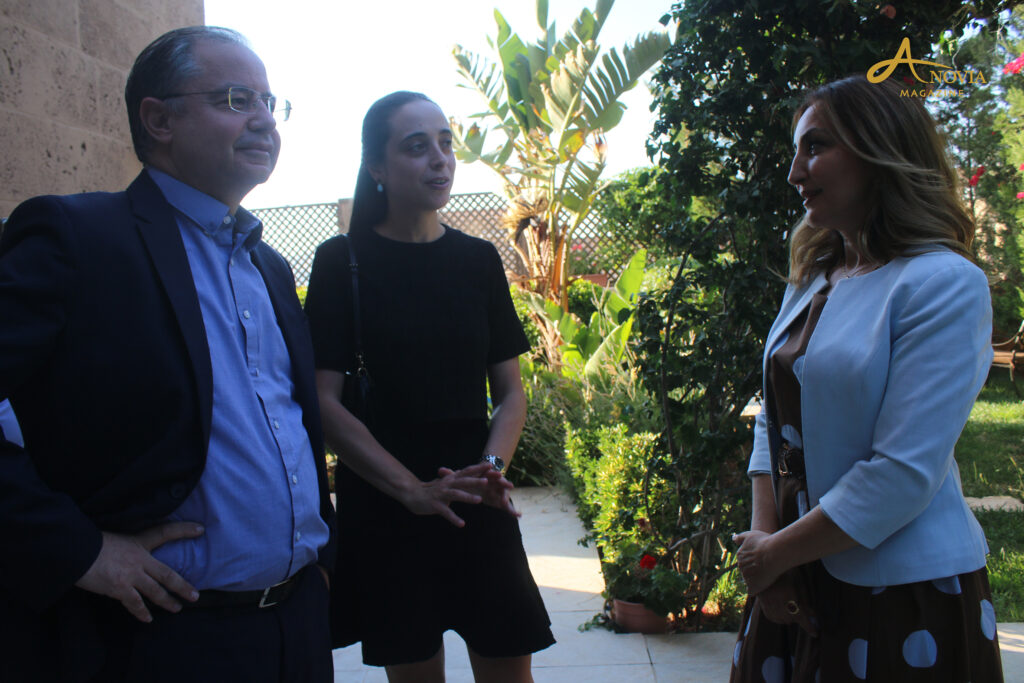
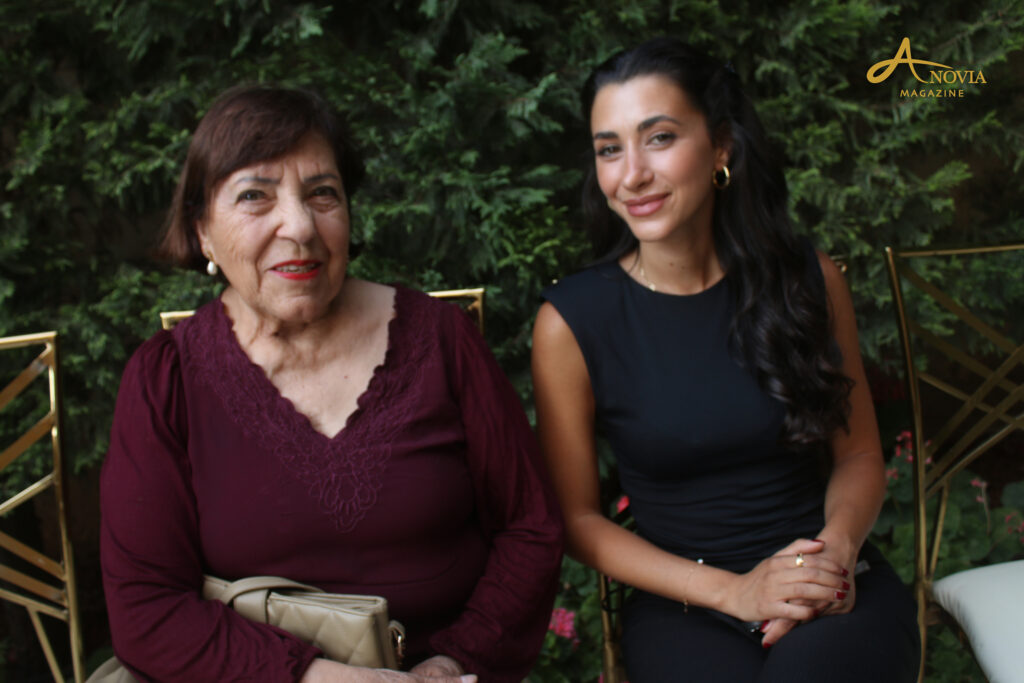
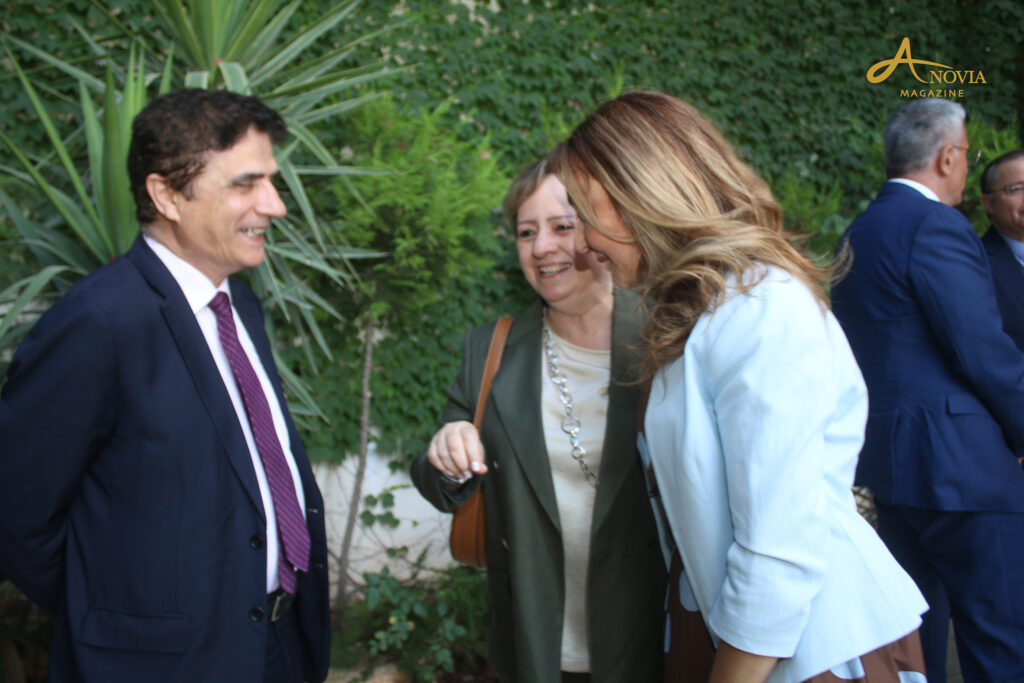
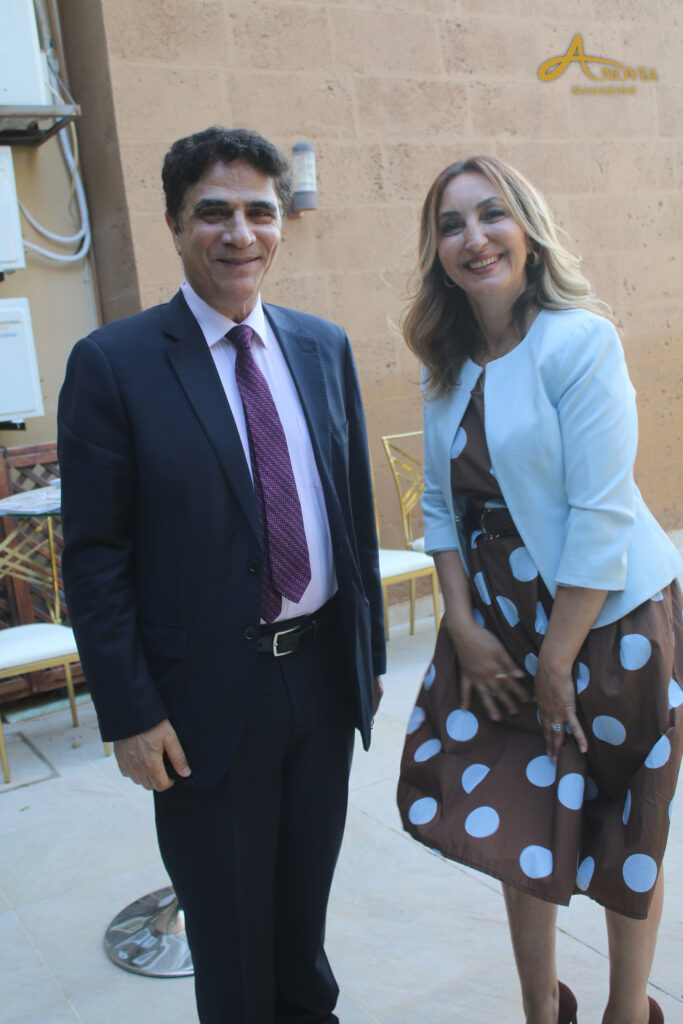
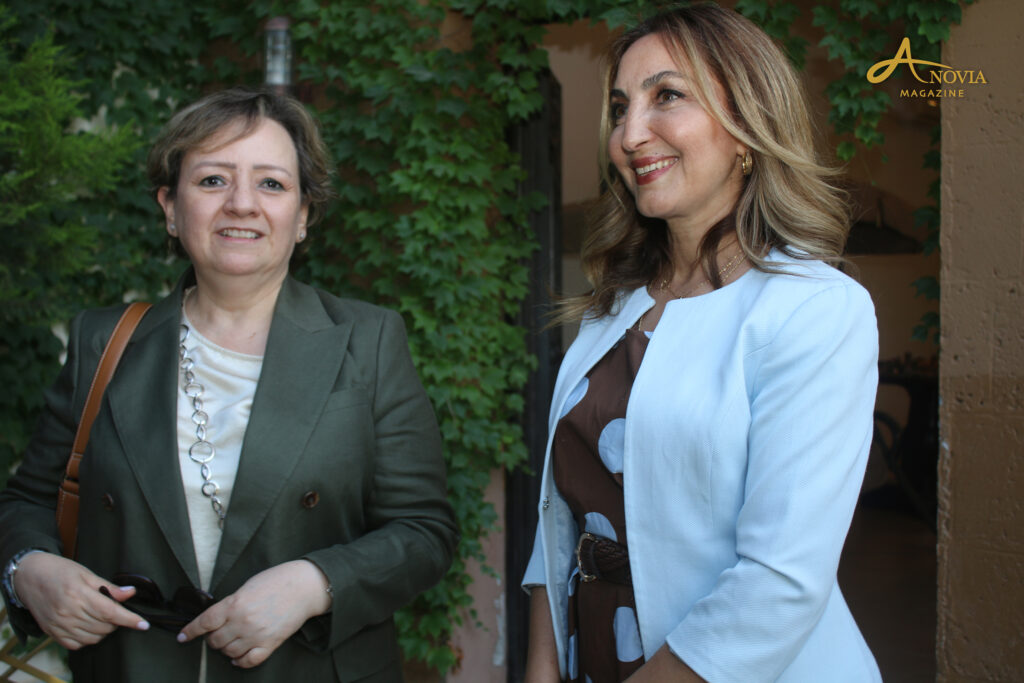
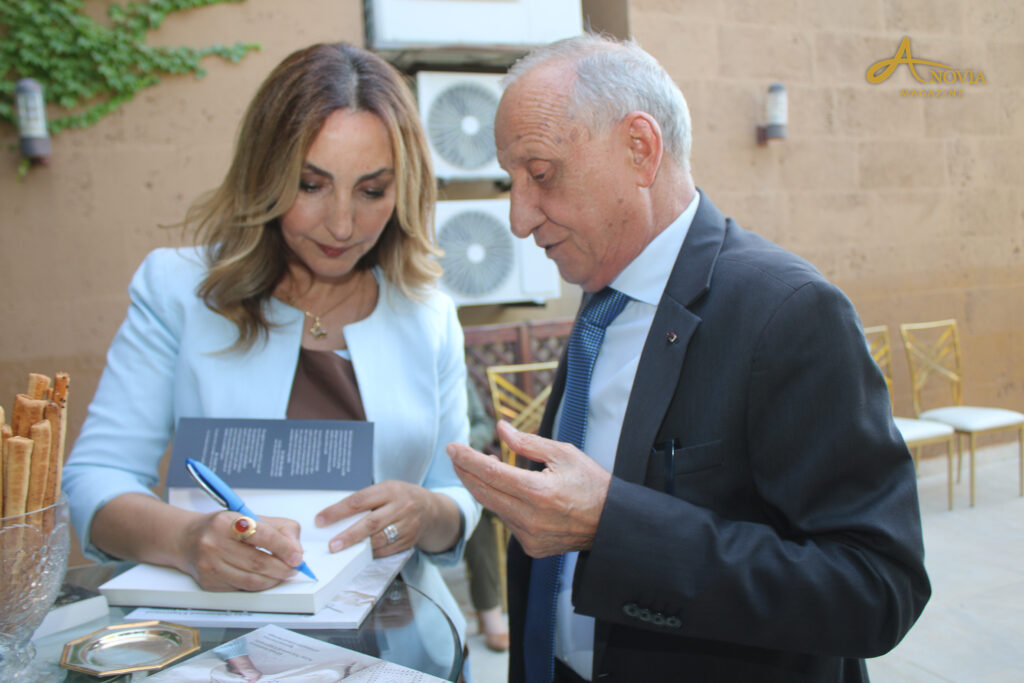
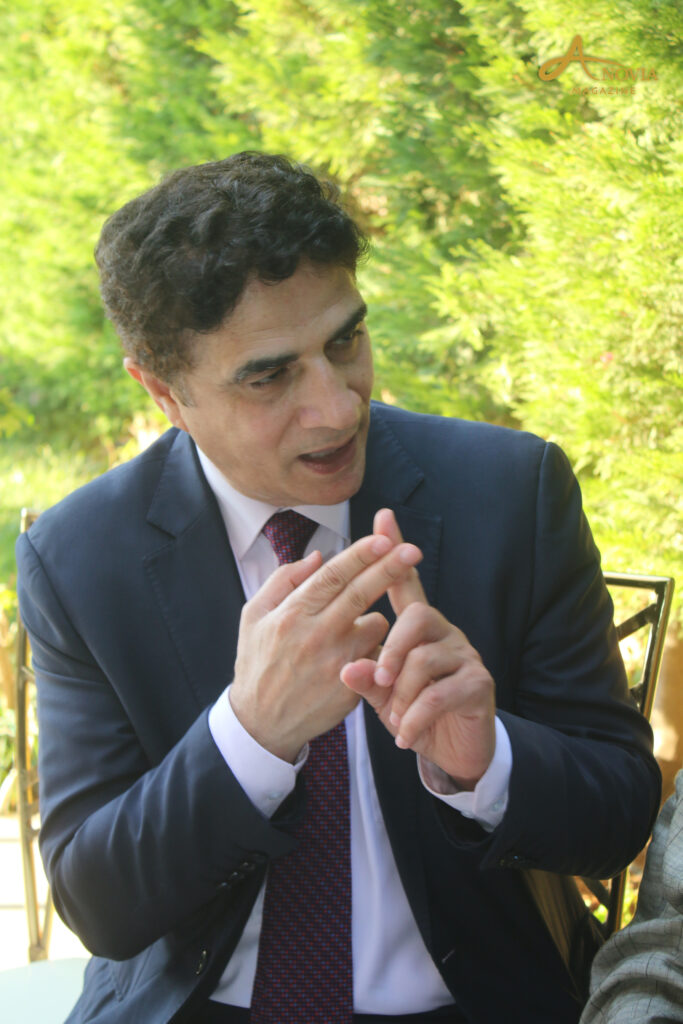
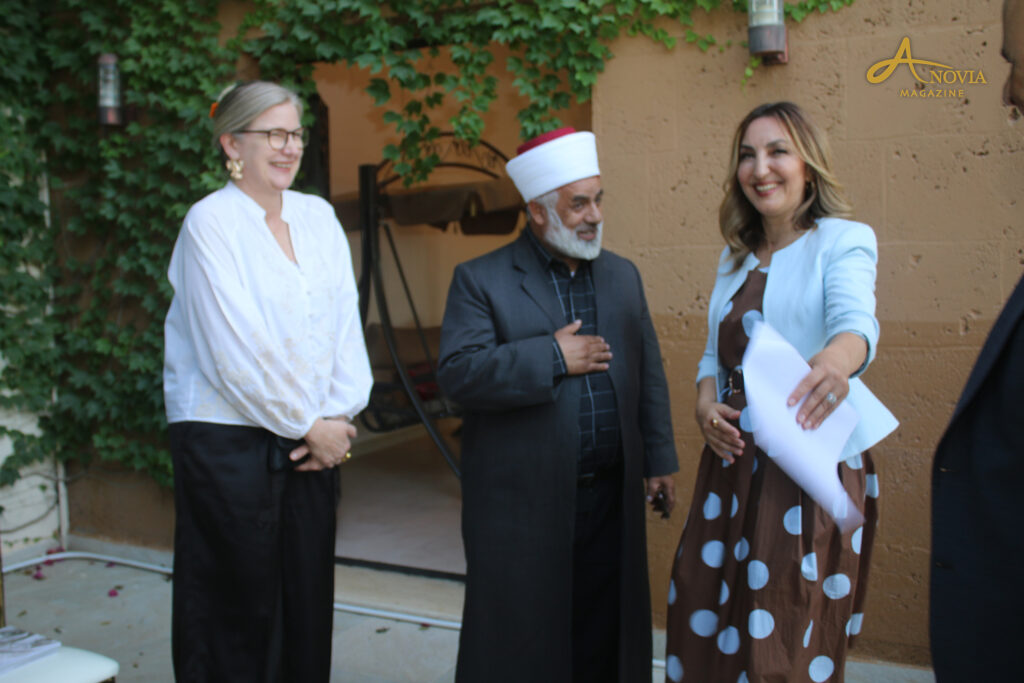
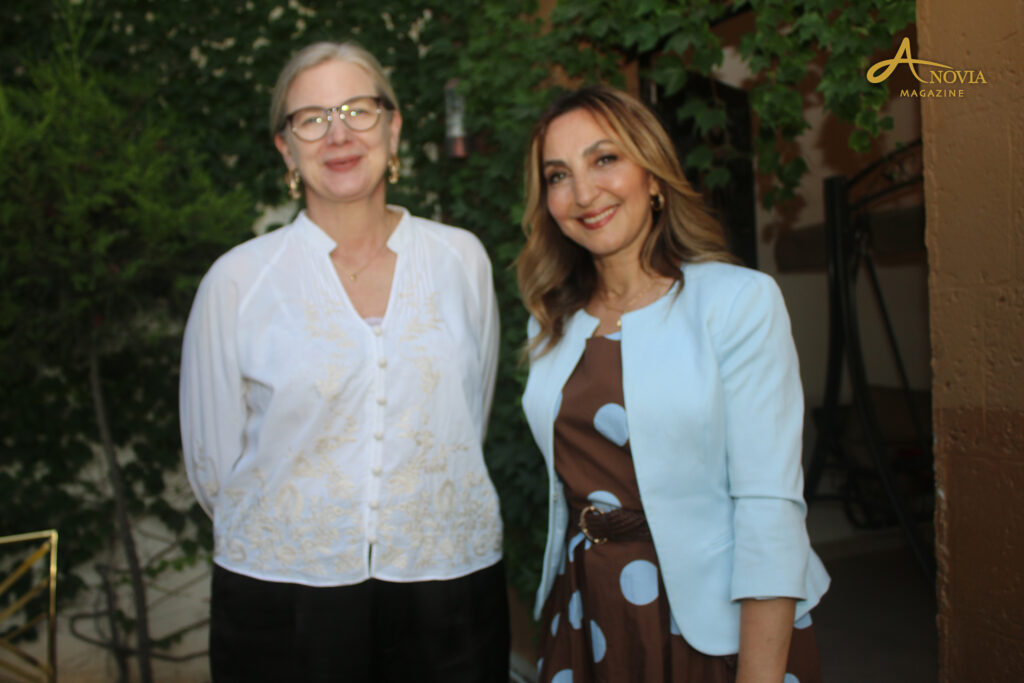
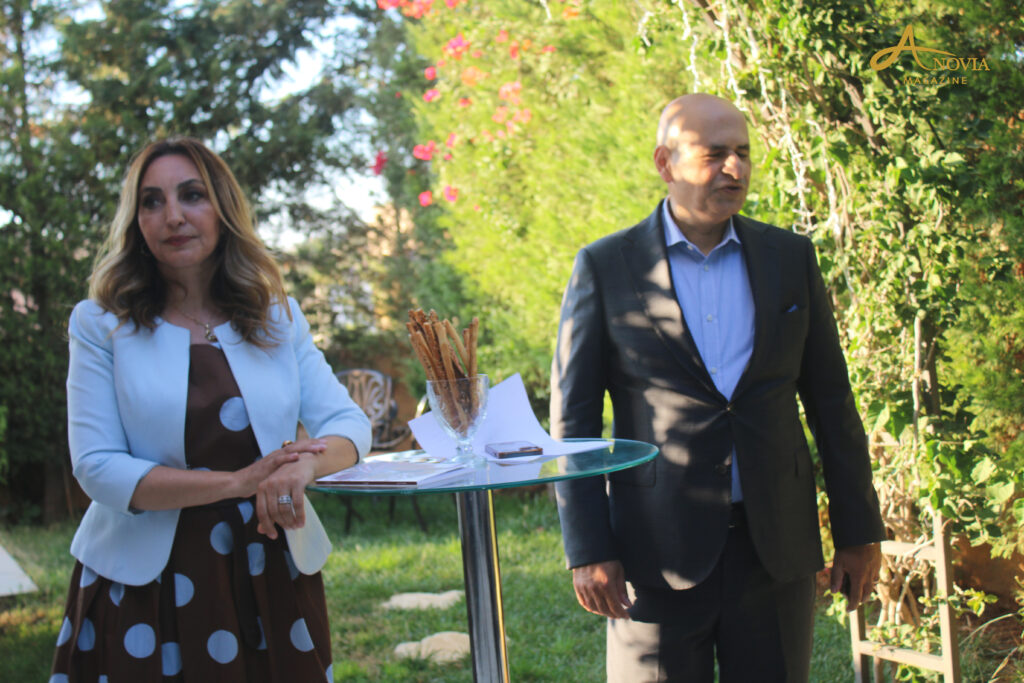
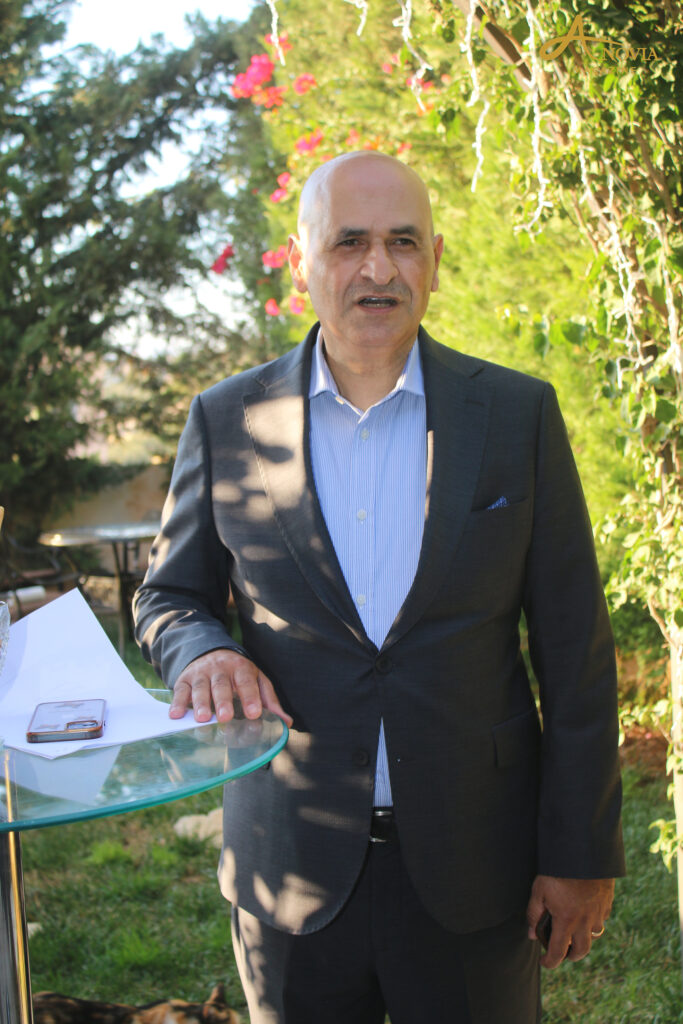
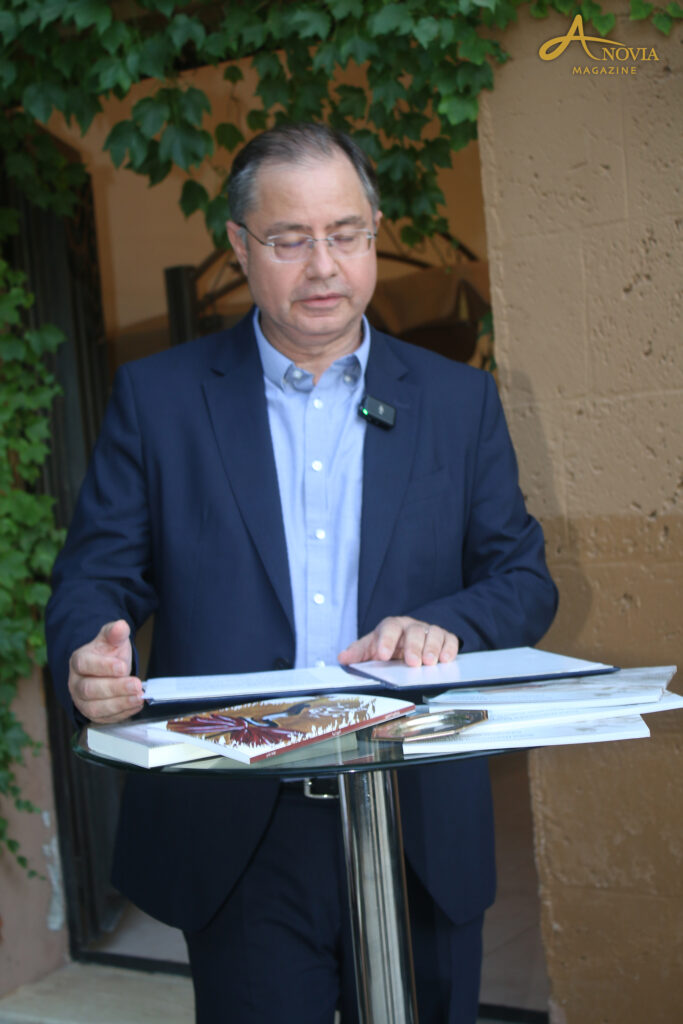
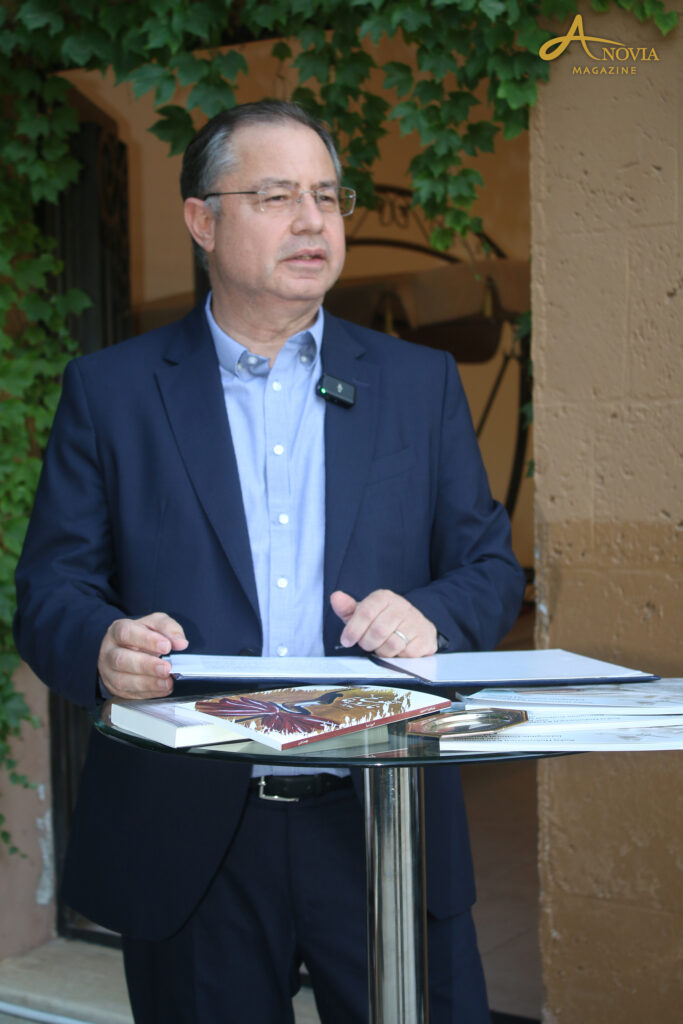
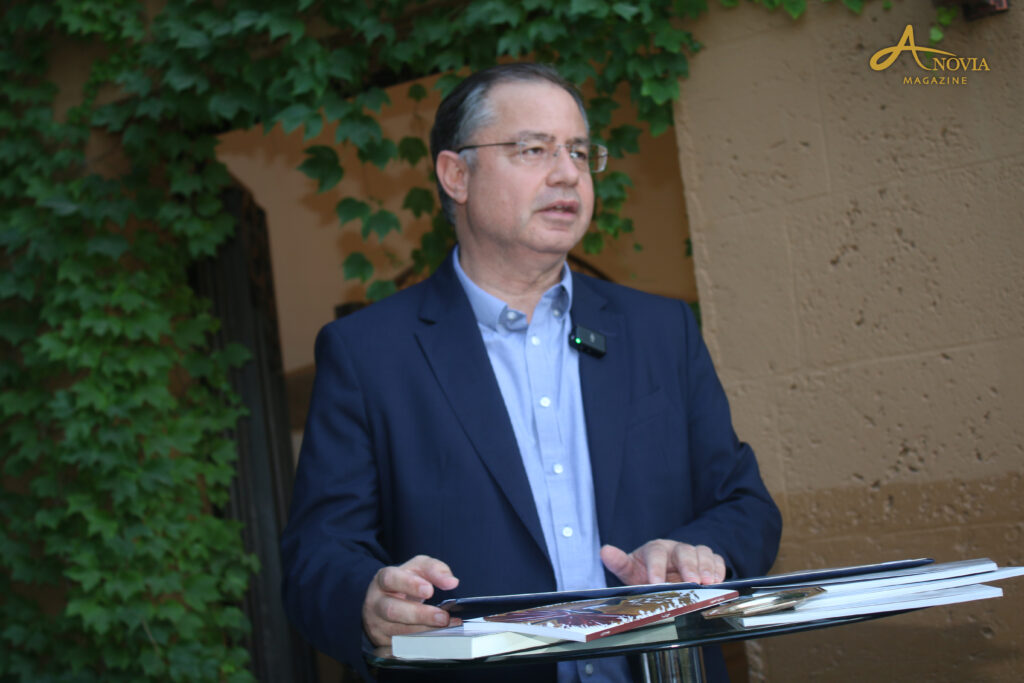
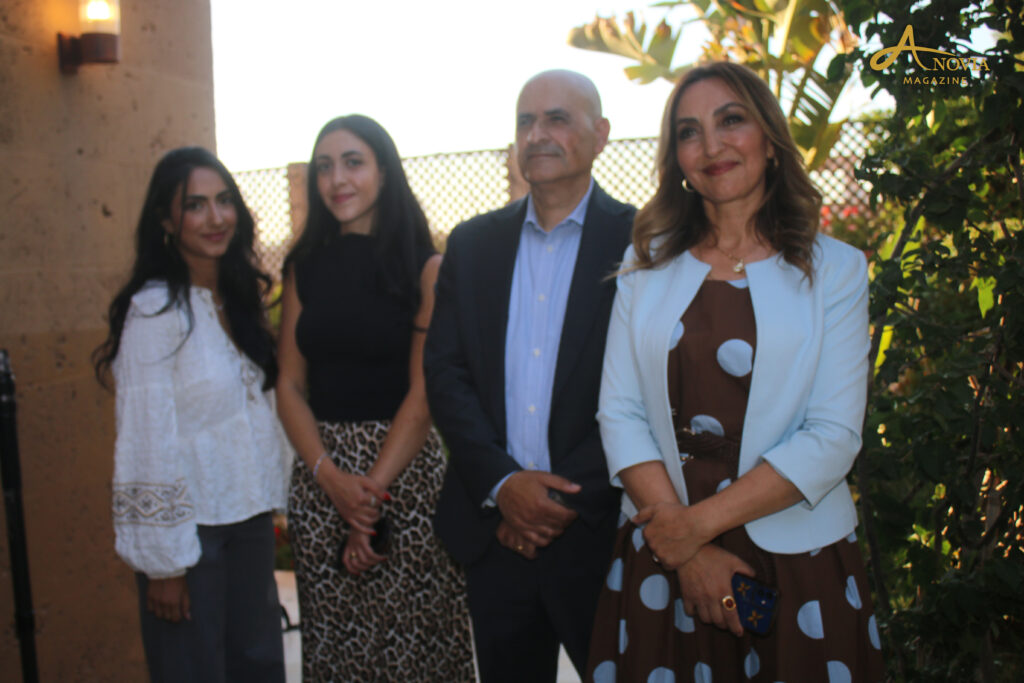
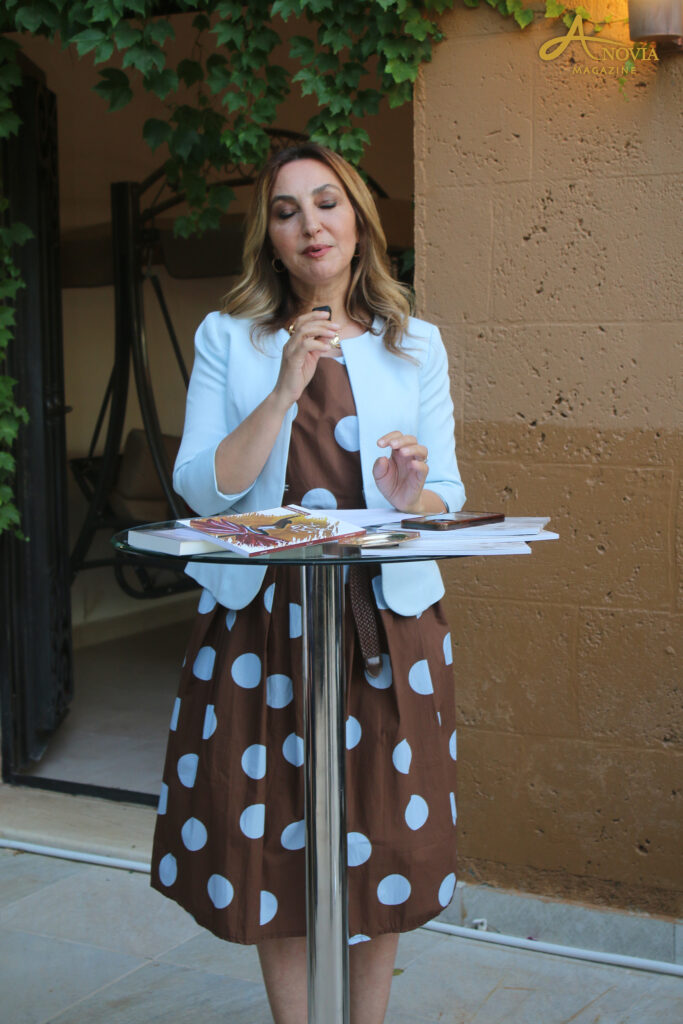
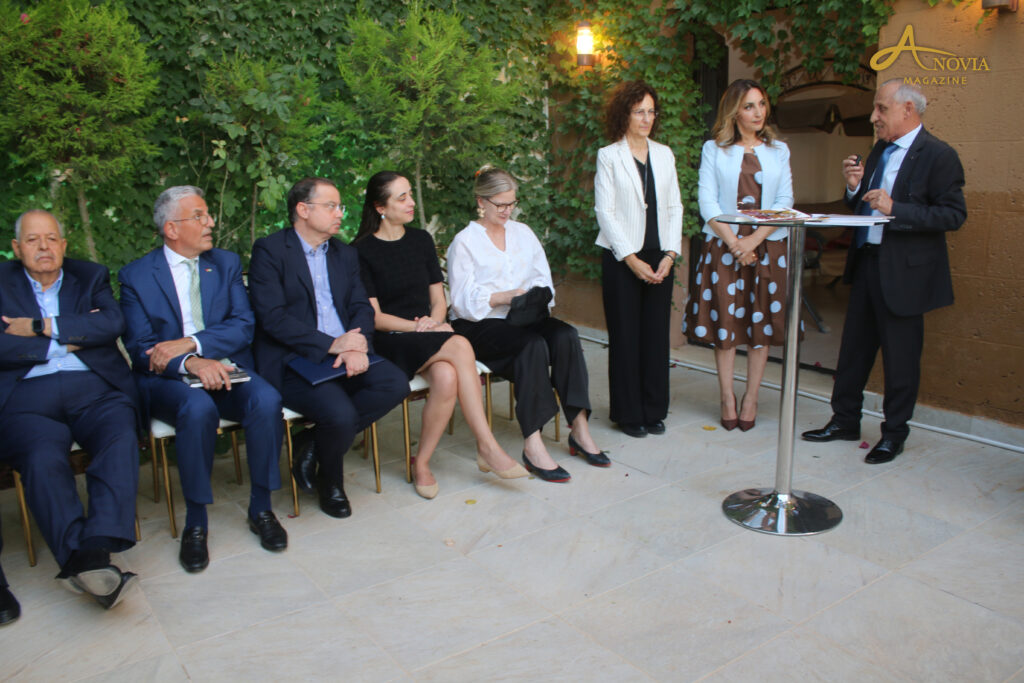
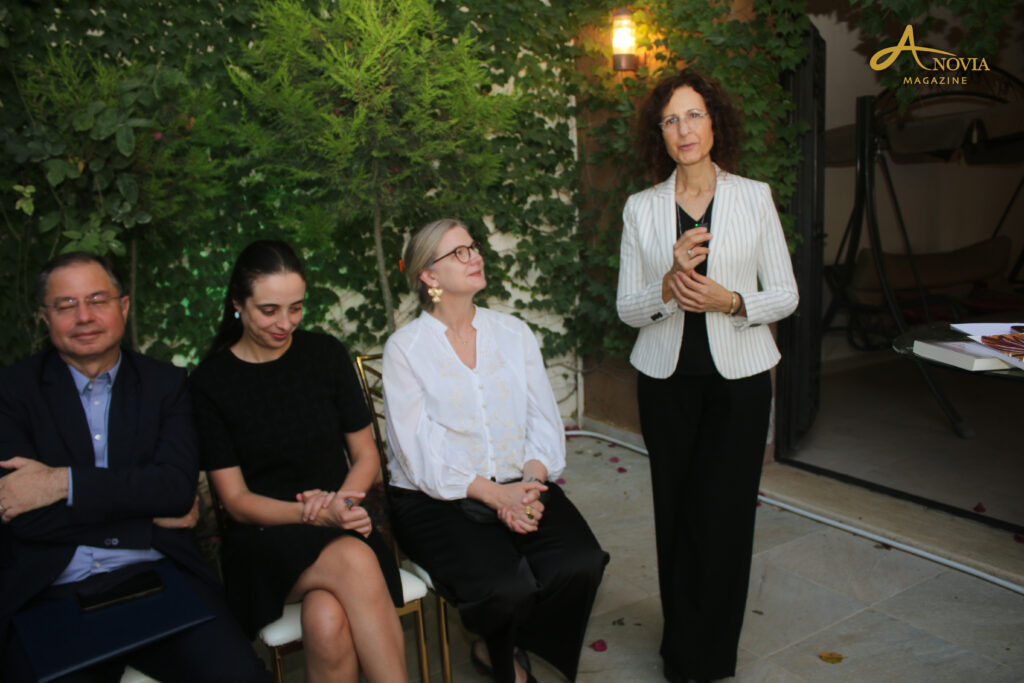
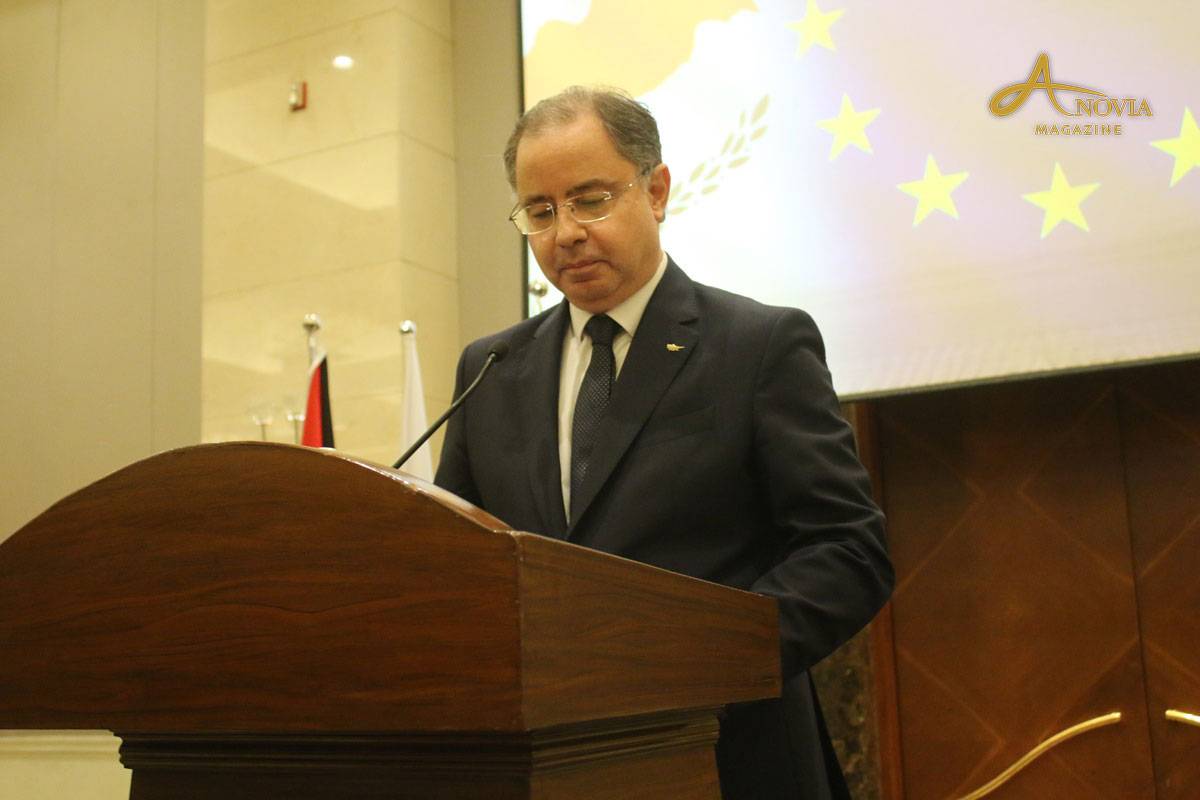
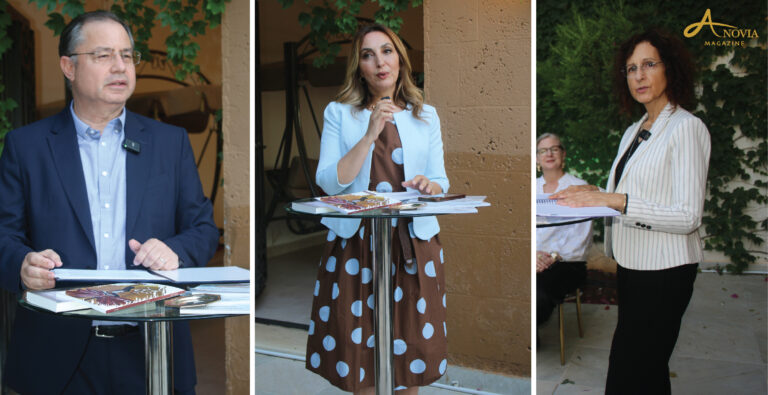
The event featured opening remarks by Sevag Avedissian, Ambassador of the Republic of Cyprus, Dr. Rula Samain, writer, specialties in interfaith dialogues in Jordan and Middle East, and the Cypriot researcher Yiota Kutulas, each offering a unique perspective on intercultural dialogues, and coexistence.
In his remarks, Avedissian emphasized that the title of the evening, Bridges of Understanding, reflects a pressing contemporary need.
“What we need today is to establish bridges between different cultures, religions, and essentially between peoples.”
He observed that while building bridges requires patience, effort, and time, they can be destroyed “remarkably quickly”.
The Ambassador acknowledged that, given the violence and suffering witnessed throughout the region, some may question the relevance of discussing intercultural and interfaith dialogue today. Yet, he argued that these difficult circumstances make such conversations even more essential.
“If we don’t talk about these issues, about intercultural and interfaith dialogue, what is the alternative?”
A central theme of his address was the importance of listening to the narratives of others, stressing that “the other side” should not necessarily be understood as an opponent, but rather as anyone whose experiences or perspectives differ.
Drawing on a recent speech he had heard, Ambassador Avedissian shared a particularly meaningful reflection:
“The opposite or the counter-side of division isn’t necessarily agreement, but understanding.”
He further noted that genuine understanding begins when certainty gives way to humility and individuals recognizing that their own perspectives may not always be complete.
Among the observations he highlighted, one stood out particularly strongly:
“Listen to the other as though you might be wrong.”
According to the Ambassador, approaching dialogue with such openness allows people to move beyond entrenched positions and begin to understand one another.
Reflecting on Cyprus’s own experience, he noted that despite more than five decades of division, Greek Cypriot and Turkish Cypriot communities have continued to maintain channels of communication.
This dialogue, he said, has allowed both communities to recognize not only their differences but also the elements that unite them.
“It is imperative for both communities to talk and to listen to each other, to understand the narrative of the other side, and to respect and acknowledge the viewpoint of the other.”
As Cyprus concludes its six-month Presidency of the Council of the European Union, Avedissian described the evening as meaningful contribution to promoting intercultural understanding and mutual respect.
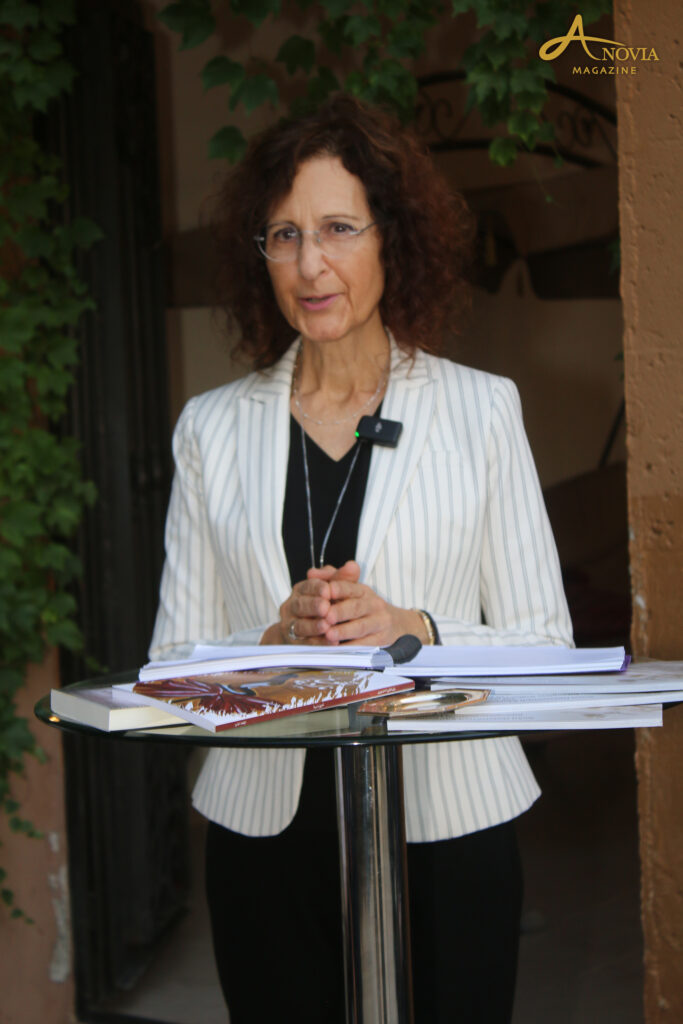
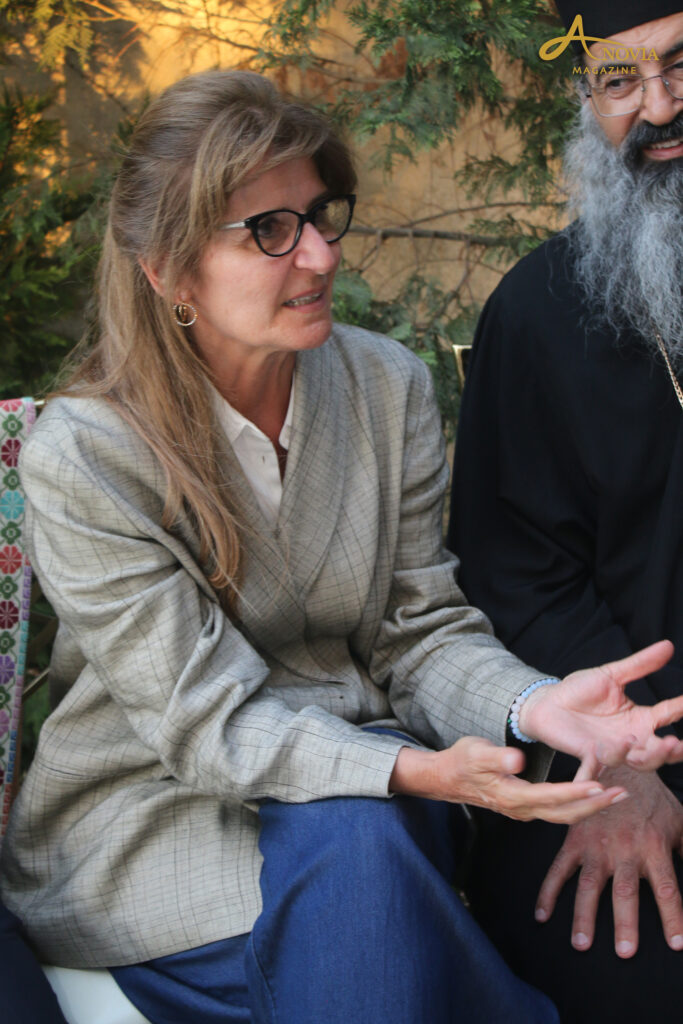
Kutulas, on the other hand, offered a deeply personal account of what those bridges look like in practice. Drawing on her three-month research stay in Jordan, she presented not merely academic observations, but a testimony of hospitality, social cohesion, and human connection.
Reflecting on her three-month research stay in Jordan, Kutulas explained that she arrived with notebooks, interview schedules, and research questions on the Greek Orthodox Church evolution and continuity.
What she did not expect, however, was that Jordan itself would become one of the most important findings of her work, saying that “I arrived as a researcher seeking evidence. I leave with that evidence and with so much more.”
Having traveled across Amman, Madaba, Salt, Petra, and Jerash, meeting religious leaders, academics, students, and ordinary citizens, she concluded that Jordan represents a living model of coexistence.
“As a PhD candidate, my research argues that Jordan represents a model for interfaith dialogue and social cohesion. Many nations speak about coexistence. Jordan lives it.”
For Kutulas, the strongest evidence was not found in policies or official declarations but in the everyday kindness of Jordanians, recalling encounters with complete strangers who offered assistance, hospitality, and generosity without expecting anything in return, and gave examples.
“A university student delayed her own exam journey to help me find transportation, while another student missed his bus to ensure that I reached my destination safely.”
Reflecting on these experiences, she asked:
“Why would someone go so far out of his or her way for a complete stranger?”
Her answer, she said, gradually became clear: “this is Jordan. Because here, this (act of kindness) is the way of life.”
Kutulas argued that social cohesion cannot be measured solely through reports or academic frameworks, but “in everyday encounters, in whether a stranger or a foreigner feels safe.”
Her research also led her to explore Jordan’s interfaith experience, where she encountered genuine friendships between Muslims and Christians and examples of relationships that transcend religious identity, understanding that “faith is a bridge rather than a barrier.”
Concluding her remarks, she described Jordan not only as a subject of academic research but as a source of hope.
“Jordan has given me more than academic insight. It has given me hope. Hope that social cohesion is possible. Hope that dialogue can triumph over division. Hope that kindness still matters.”
Offering the Jordanian perspective on interfaith and intercultural dialogue, journalist, writer, peace maker awardee Dr. Rula Samain argued that the language often used internationally to describe coexistence does not fully capture the lived reality of Jordanian society.
She began with the words that, she noted, accompany her whenever she speaks at international gatherings:
“Whenever I am invited to speak at international gatherings on interfaith and intercultural dialogue, I begin with a sentence that fills me with pride: I come from Jordan.”
Describing Jordan as “the land of the Nashama (generous, dignified), the land of hospitality, and perhaps most importantly, the land of refuge,” Samain emphasized that these qualities are not simply national narratives, but reflections of the values that have shaped Jordanian identity for generations.
“For decades, Jordan has welcomed those fleeing conflict, persecution, and uncertainty,” yet, she argued, the Kingdom’s role extends beyond providing refuge, and that despite its modest geographical size, Jordan has emerged as a voice of moderation, wisdom, and dialogue in a region often marked by division.
“Influence is not measured by size, but by vision, values, and the ability to build bridges between people and cultures,” said Samain.
A central theme of her remarks was the belief that concepts frequently used in international discussions, such as coexistence and tolerance, do not entirely reflect the Jordanian experience.
“Many Jordanians receive terms such as coexistence and shared living with some hesitation, not because they reject them, but because they do not fully describe who we are.”
According to Samain, the relationship between Muslims and Christians in Jordan has historically been defined not merely by coexistence, but by a shared social fabric, common traditions, and a collective sense of belonging.
“For Jordanians, religion is a private relationship with God, while history, traditions, culture, and love of country are shared.”
Drawing upon family memories and social experience, she described a society where Muslims and Christians have celebrated together, mourned together, and participated equally in building the nation.
In Jordan, she argued, dialogue was not introduced through conferences or initiatives but inherited through generations.
“Shared life is not something Jordanians learned. It is something they have lived.”
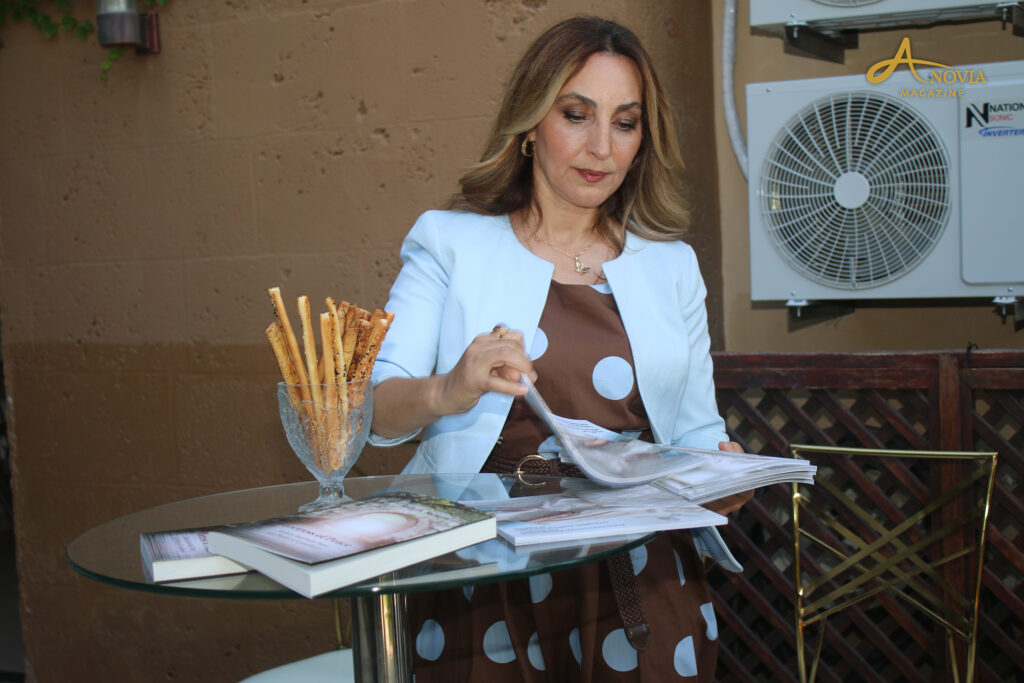
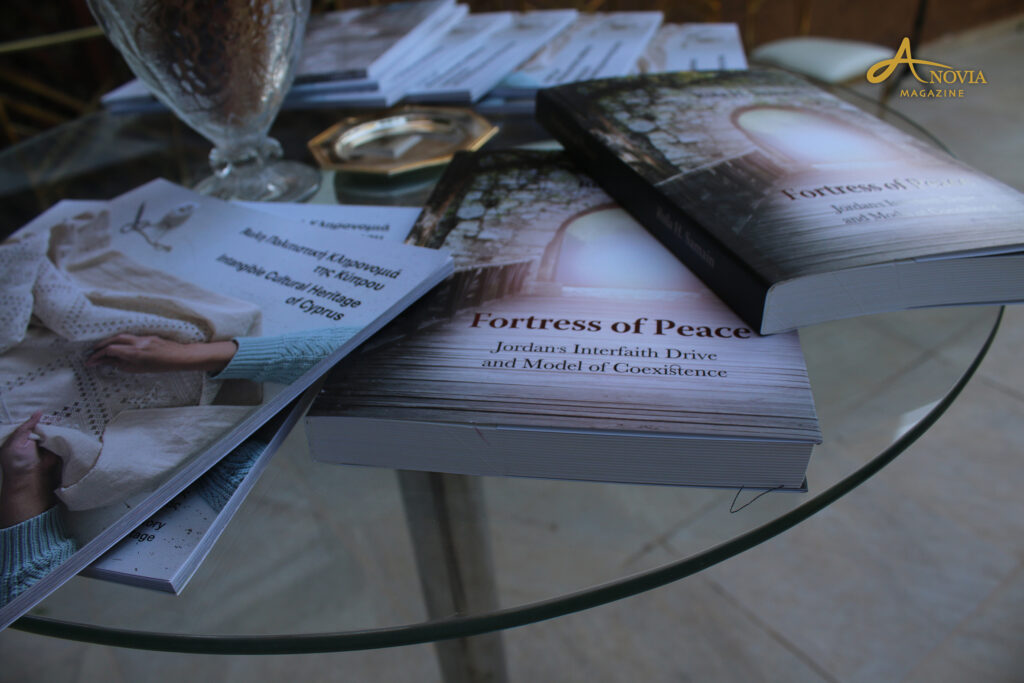
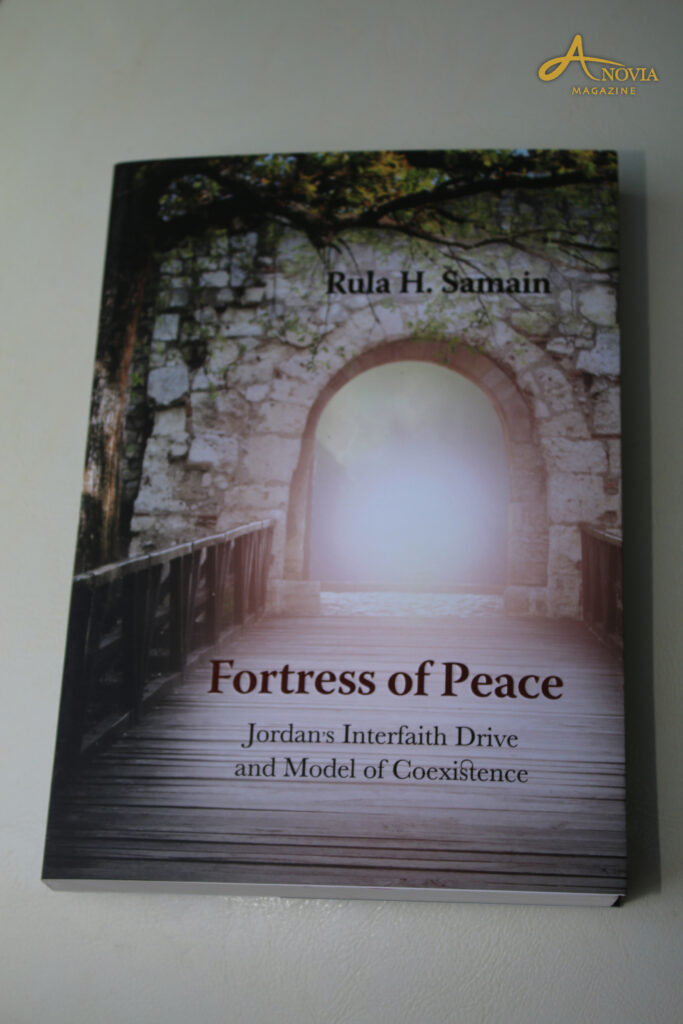
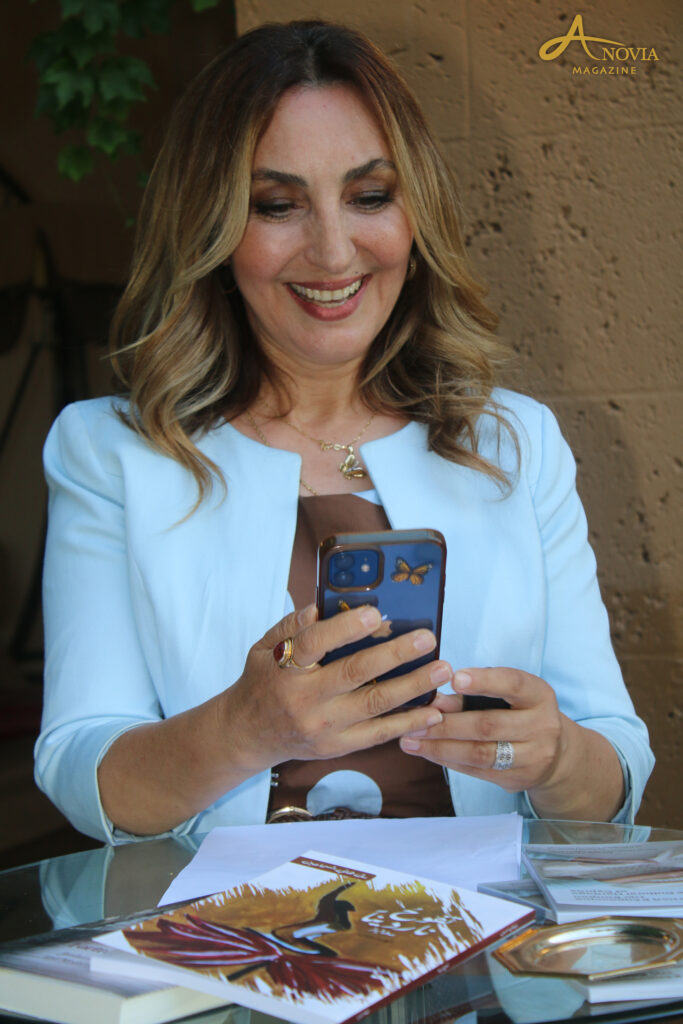
Samain, also the author of the bestseller book “Fortress of Peace”, reflected on the increasing cultural diversity witnessed across many societies as a result of migration and displacement, arguing that sustainable progress can only emerge from mutual understanding.
“Advancement cannot be built through domination, but through shared interests,” she said and noted that Jordan’s experience offers an important lesson to a world increasingly characterized by polarization and competing identities.
“Under the wise leadership of His Majesty King Abdullah II, Jordan has emerged as a respected global voice for moderation, dialogue, and social cohesion, promoting the values of wisdom, tolerance, and acceptance far beyond the region.”
Concluding her remarks, Samain suggested that Jordan’s message to the world is not that differences should disappear, but that they can become part of a shared national story, saying that “for us, shared life is not a conference theme, a political initiative, or an academic concept. It is simply the way we have always lived.”
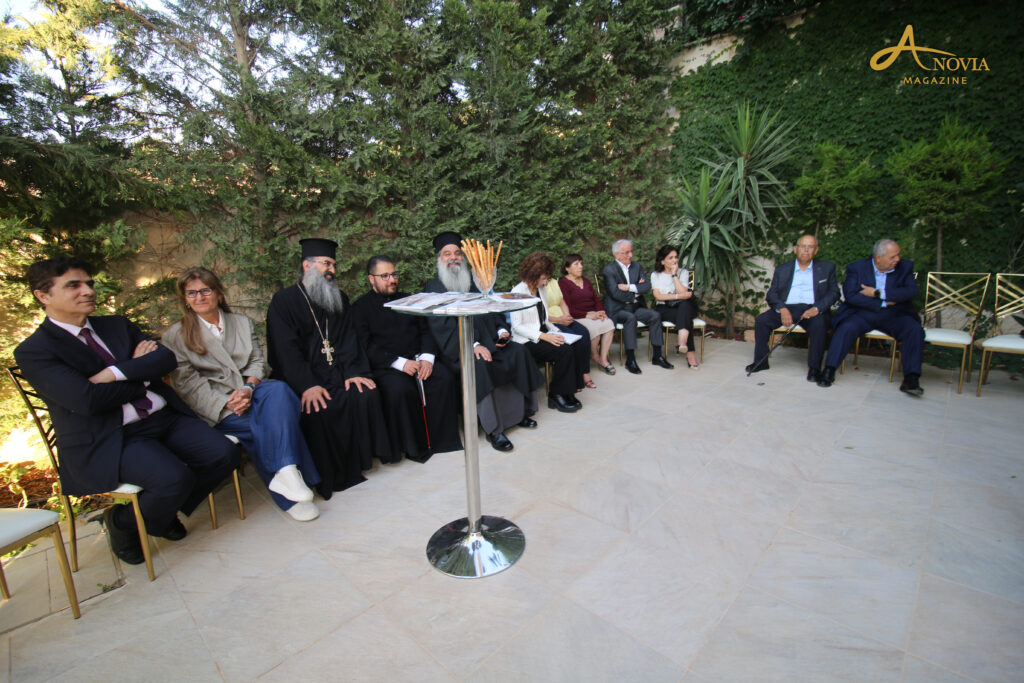
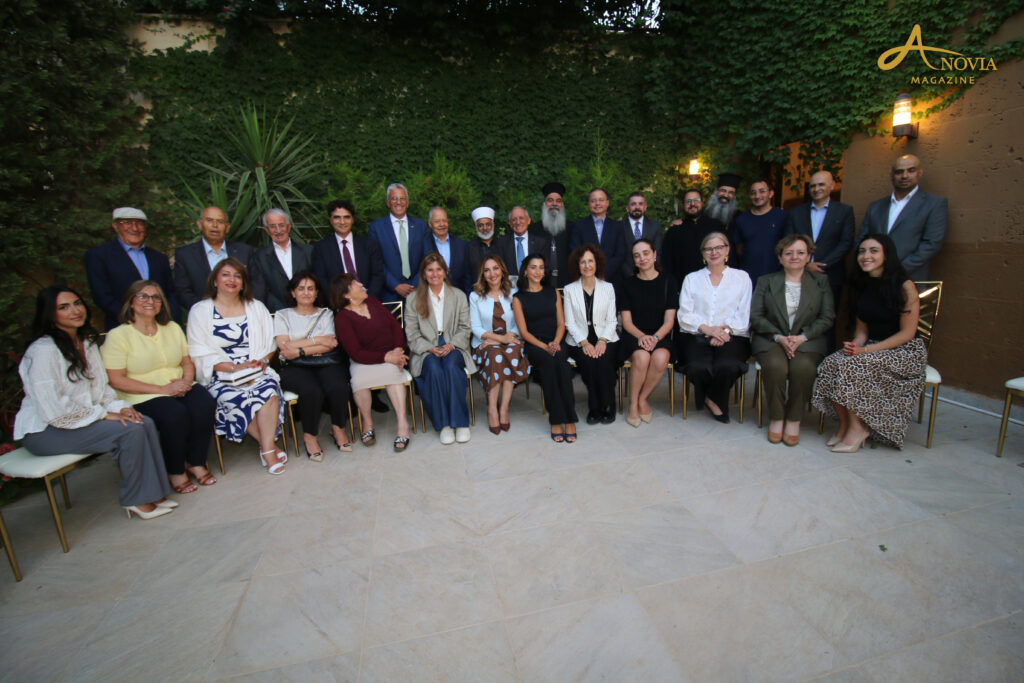
More than a discussion on intercultural dialogue, the evening served as a reminder that understanding is not achieved through agreement alone, but through the willingness to engage with the experiences, histories, and narratives of others.
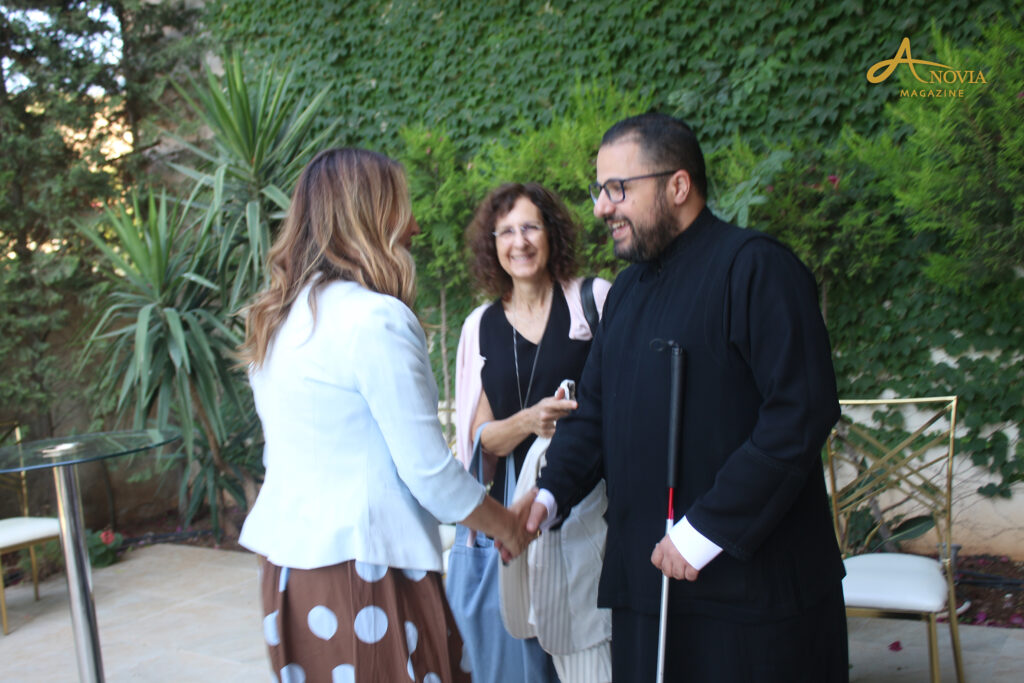
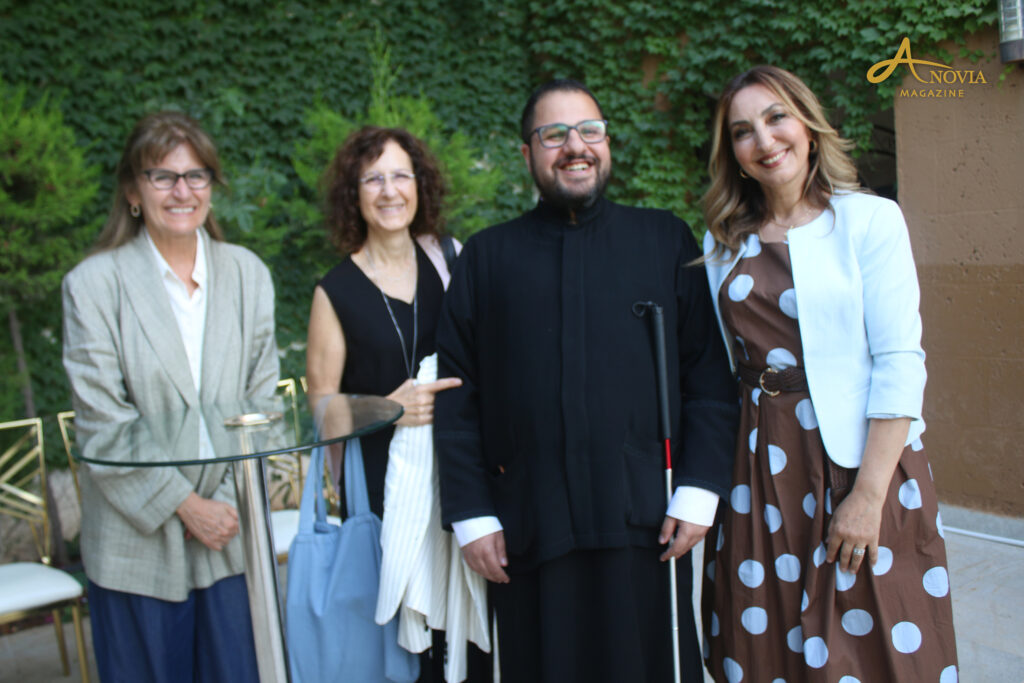
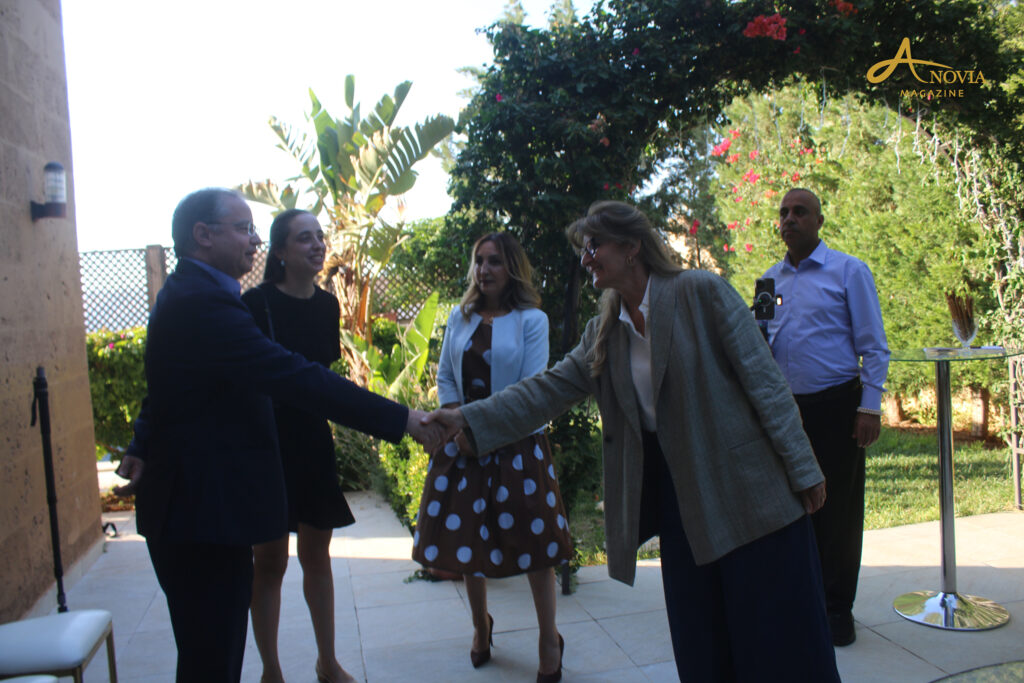
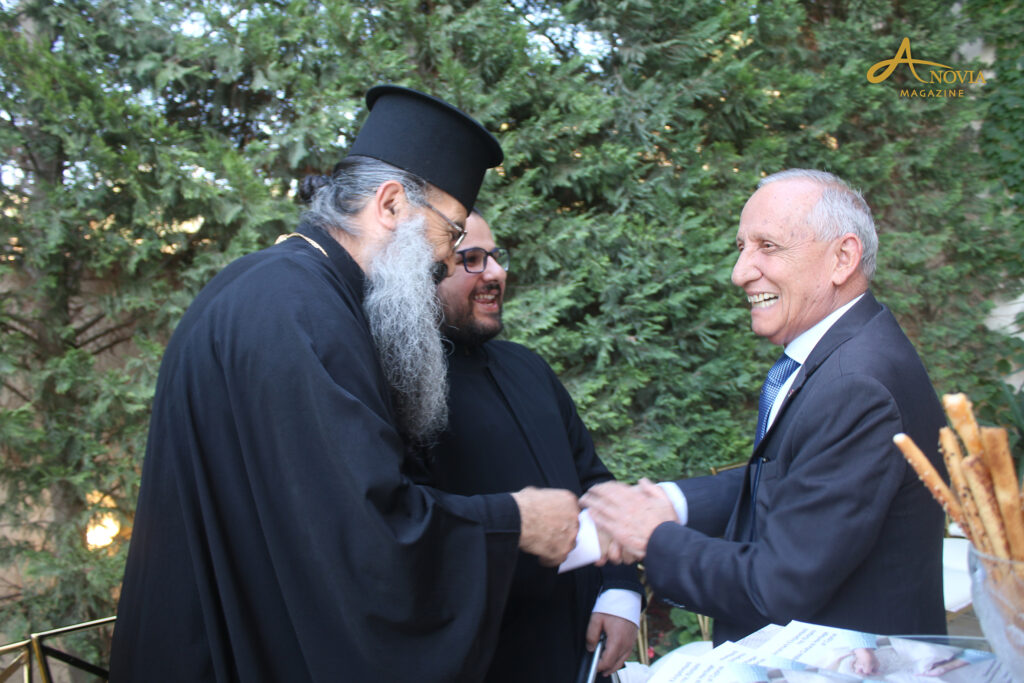
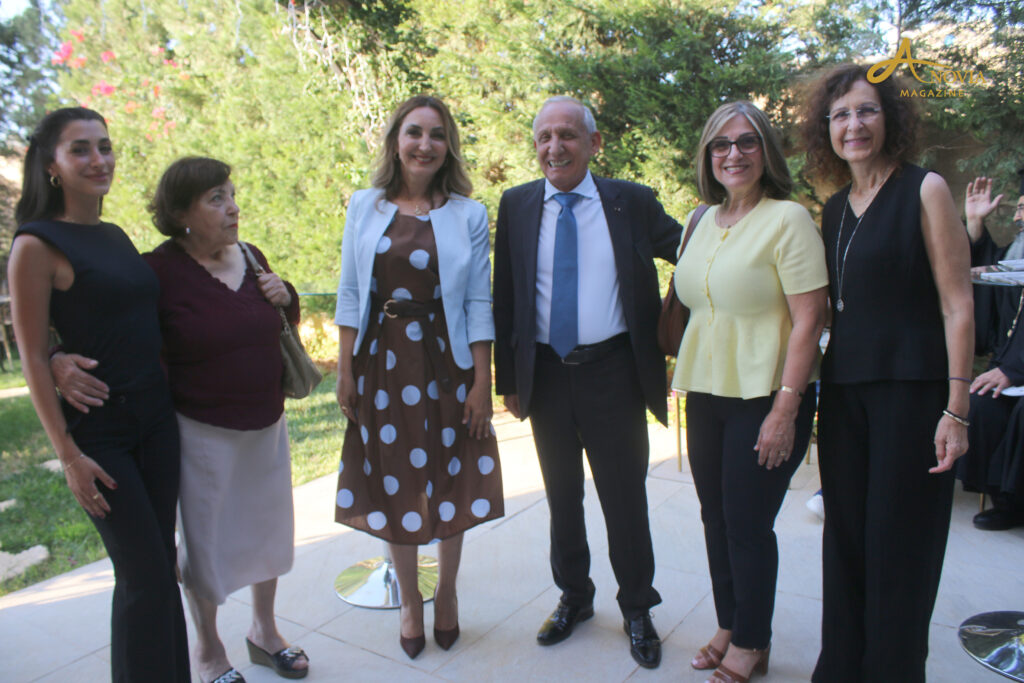
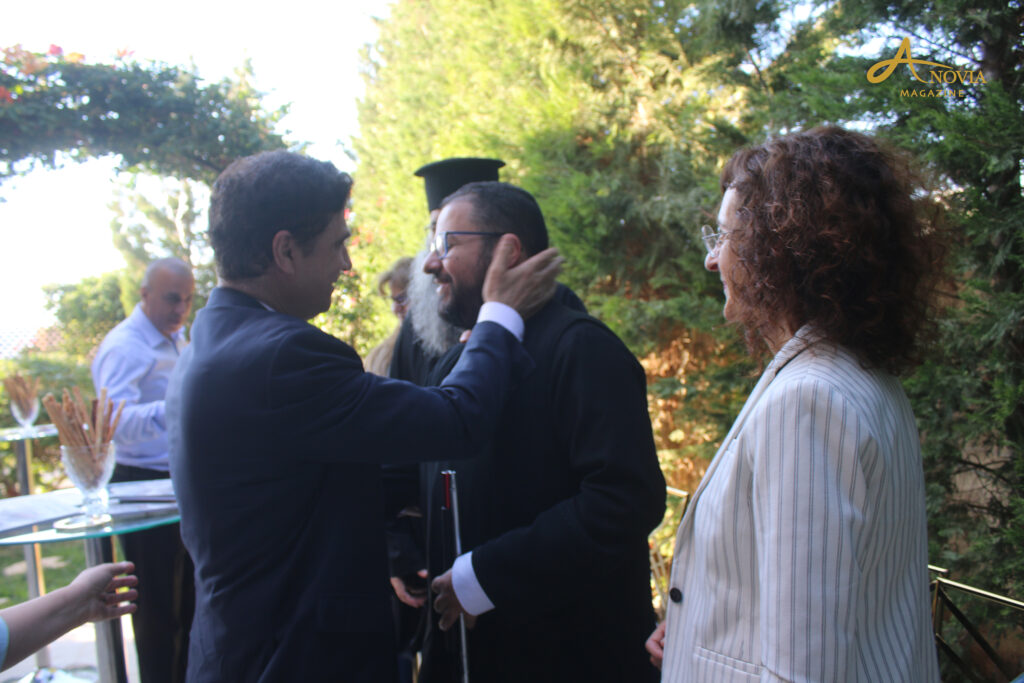
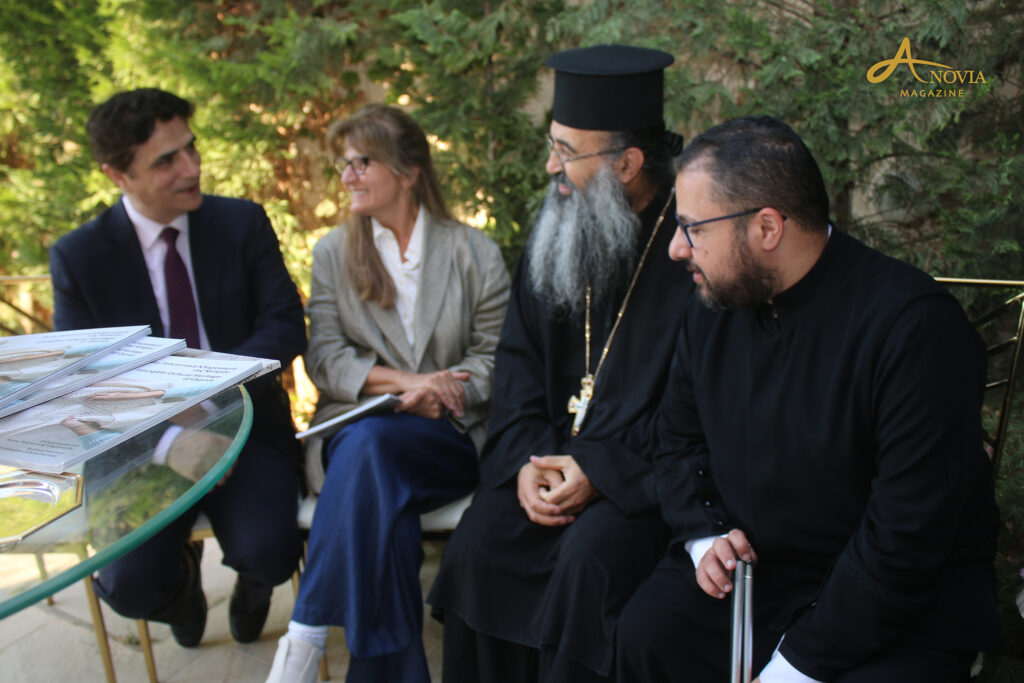
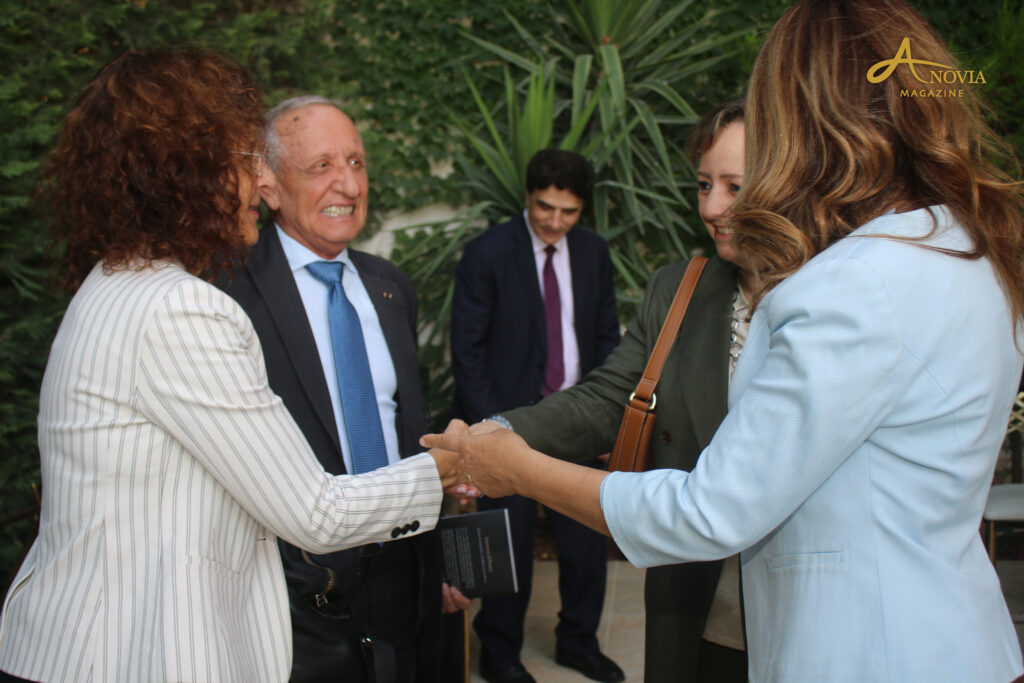
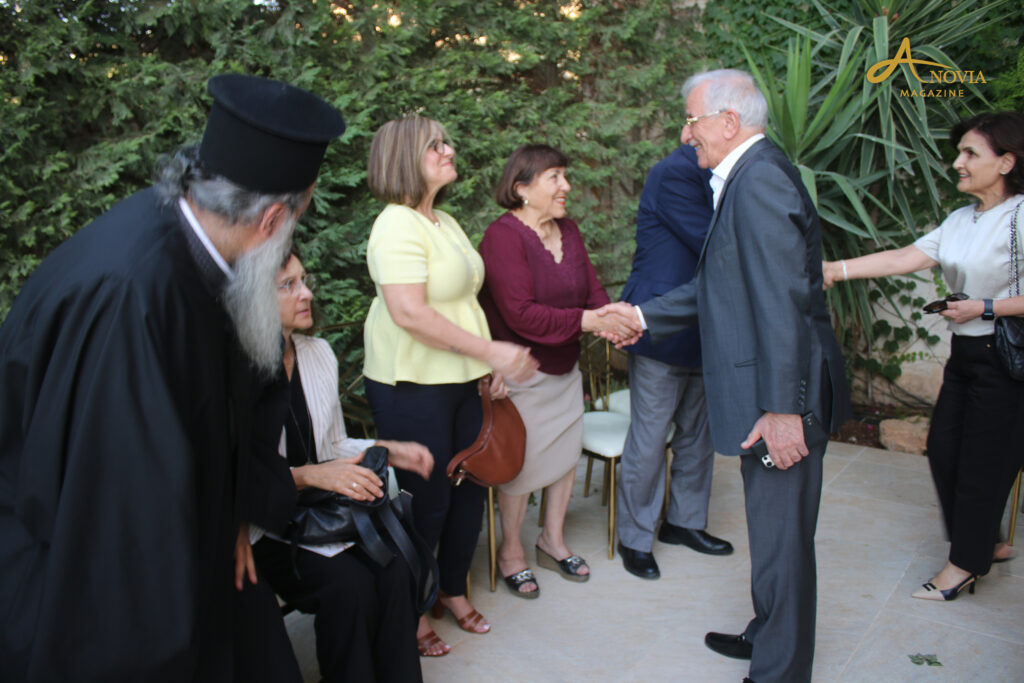
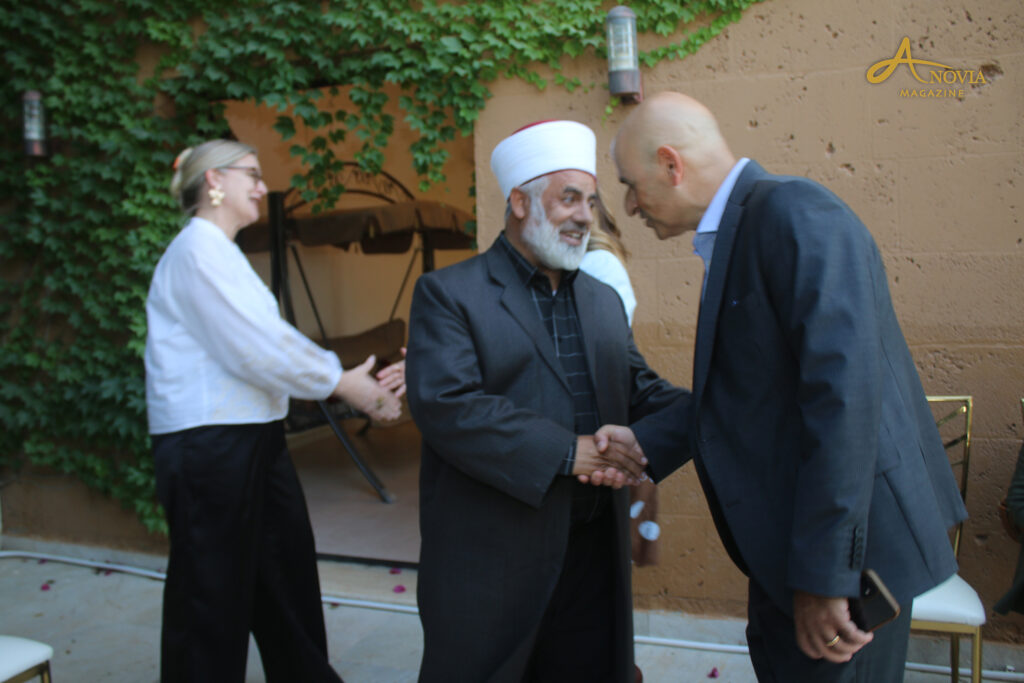
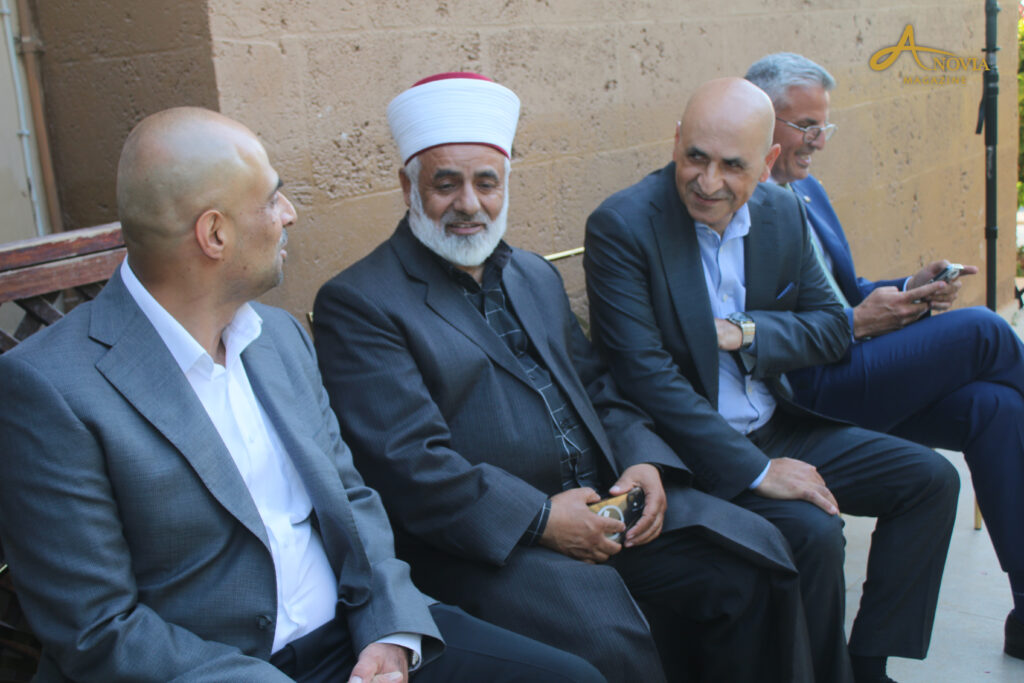
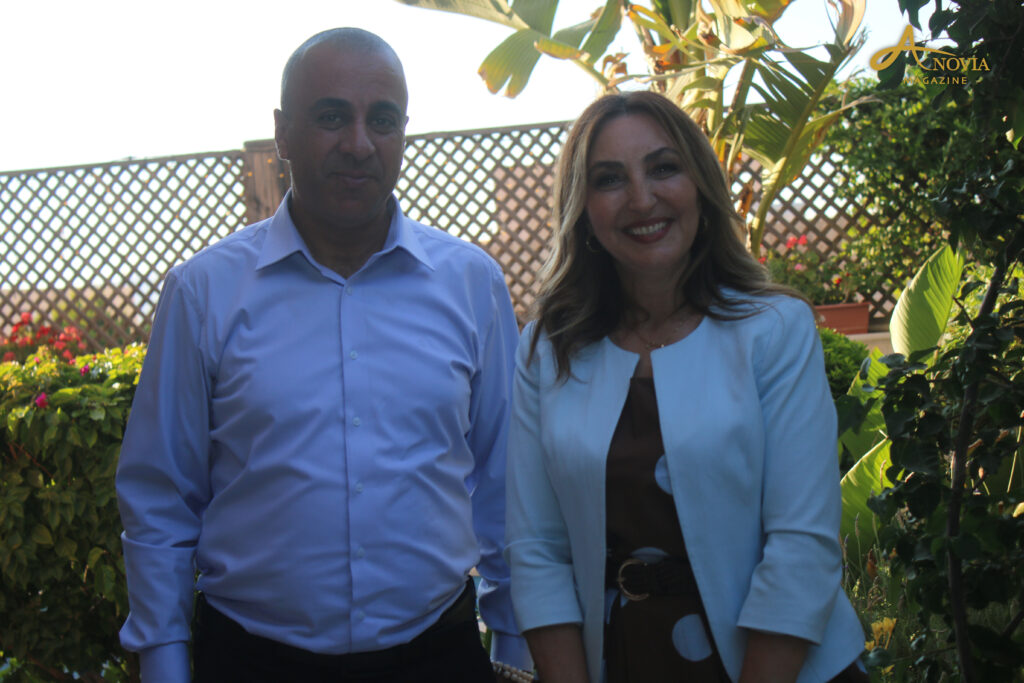
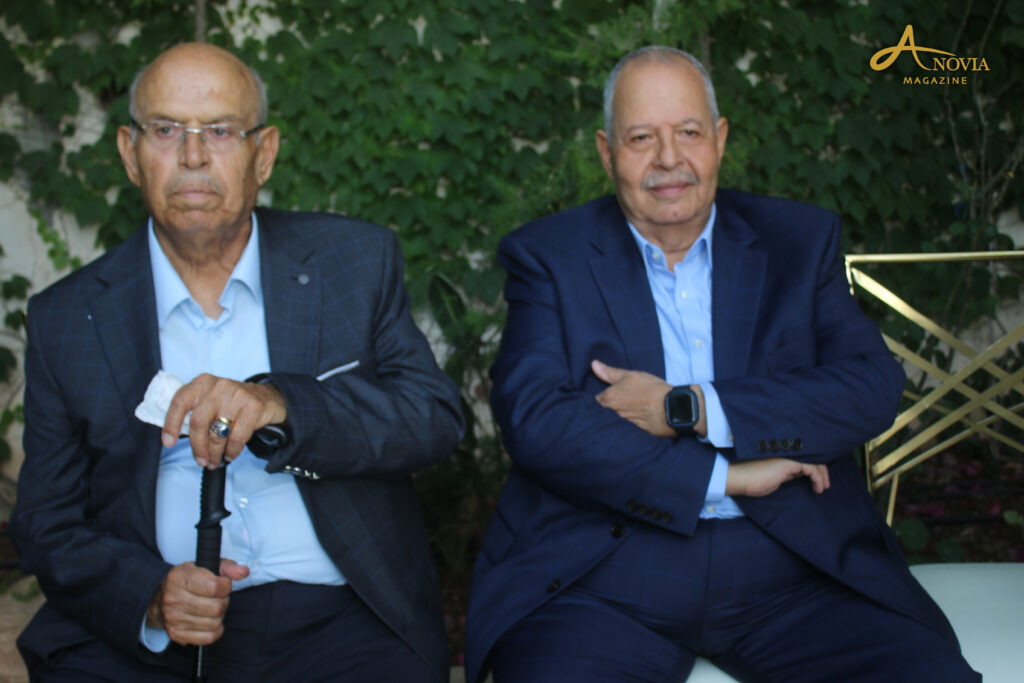
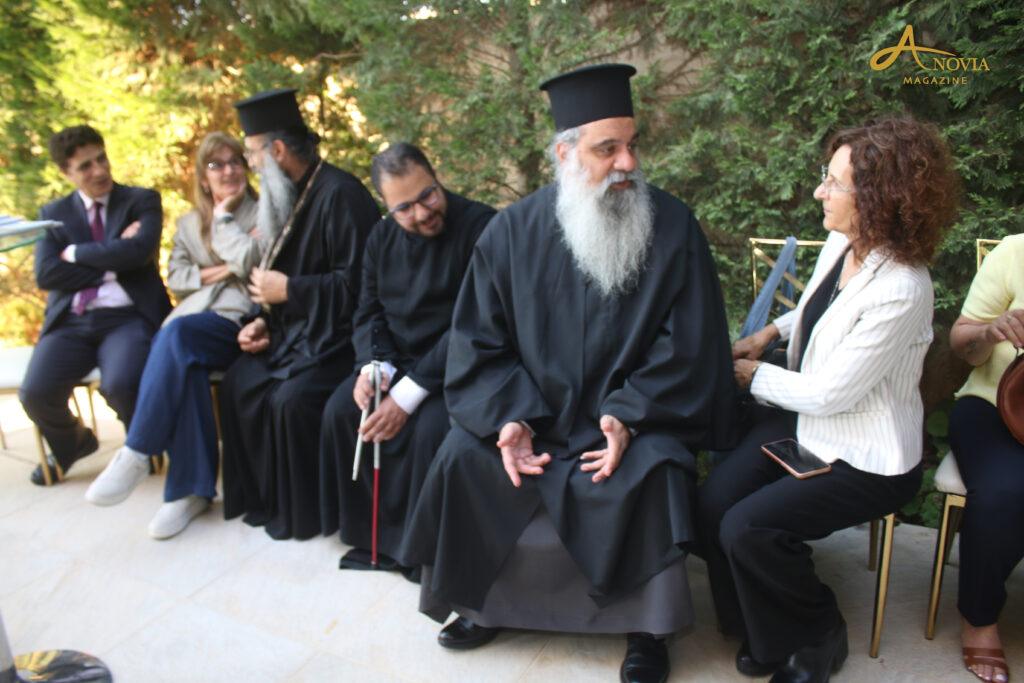
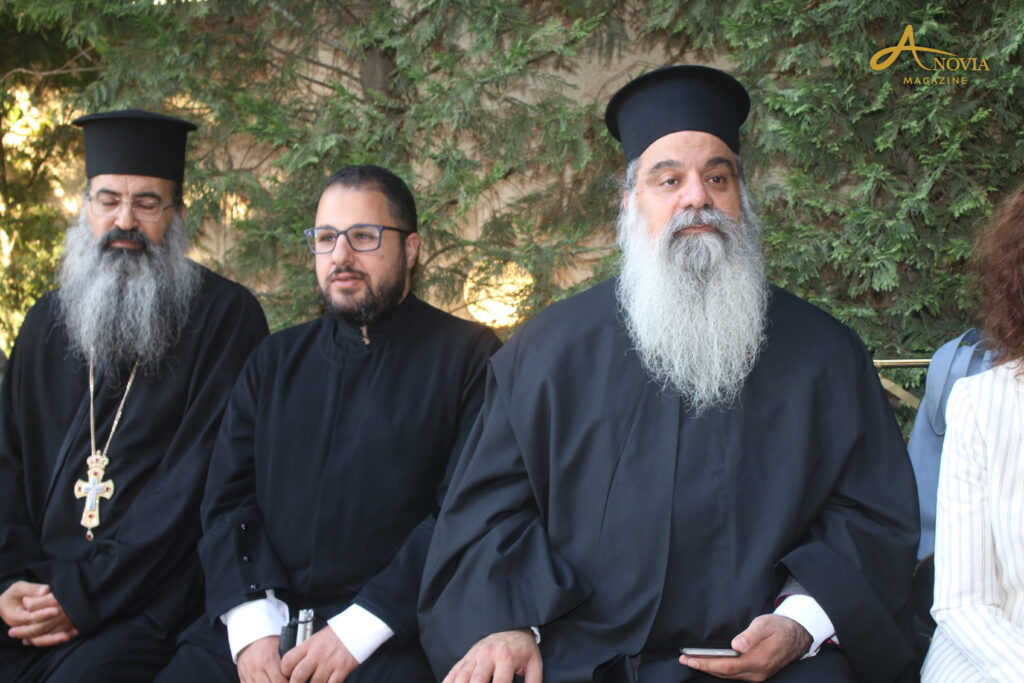
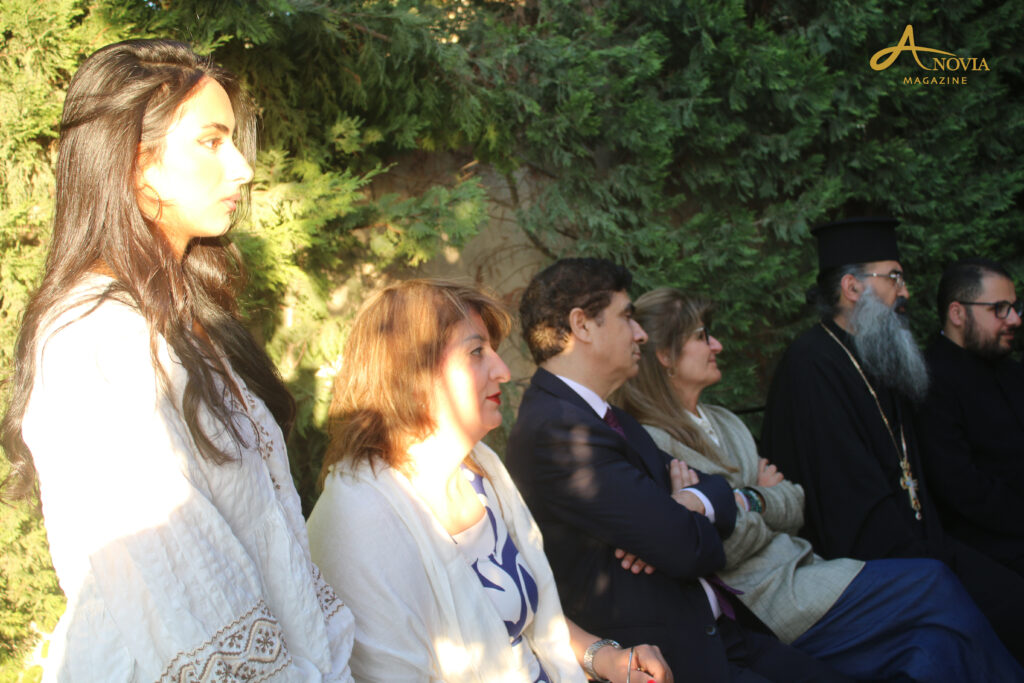
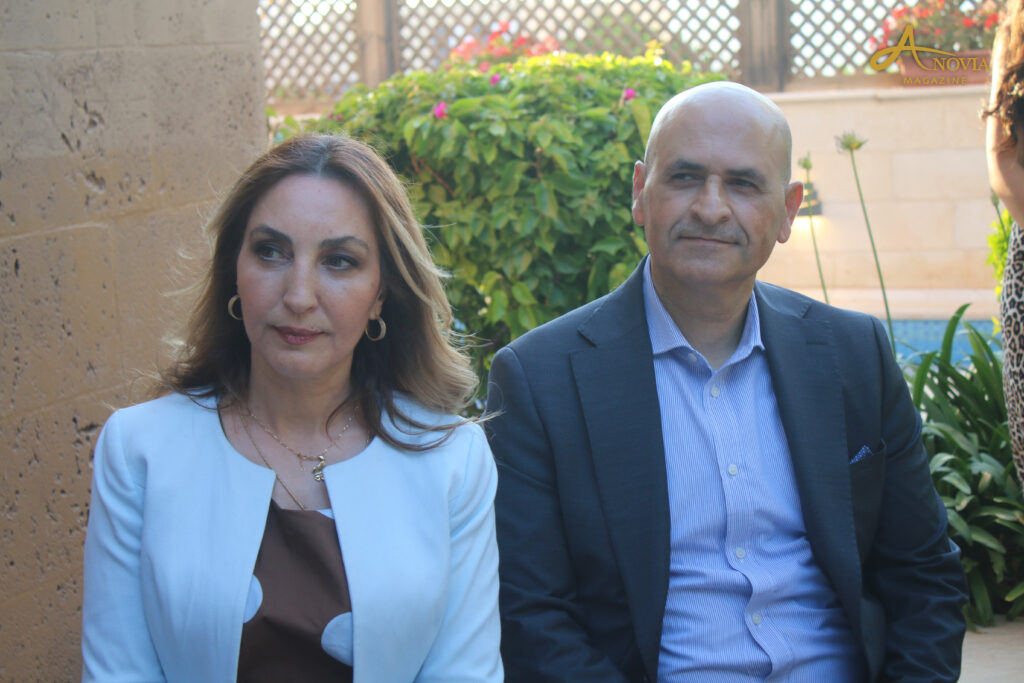
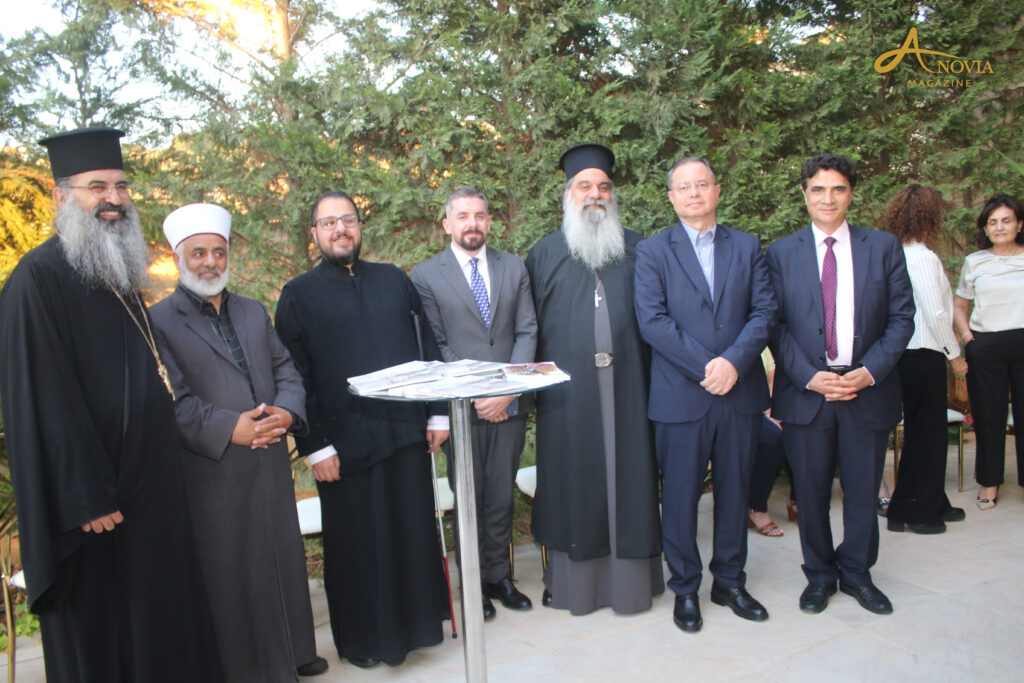
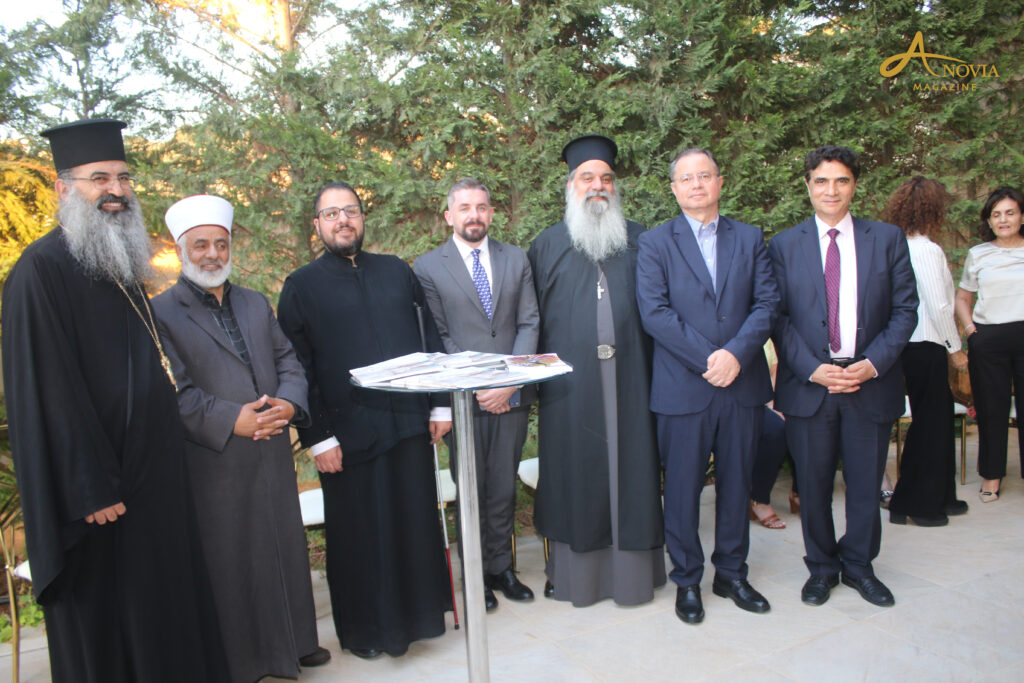
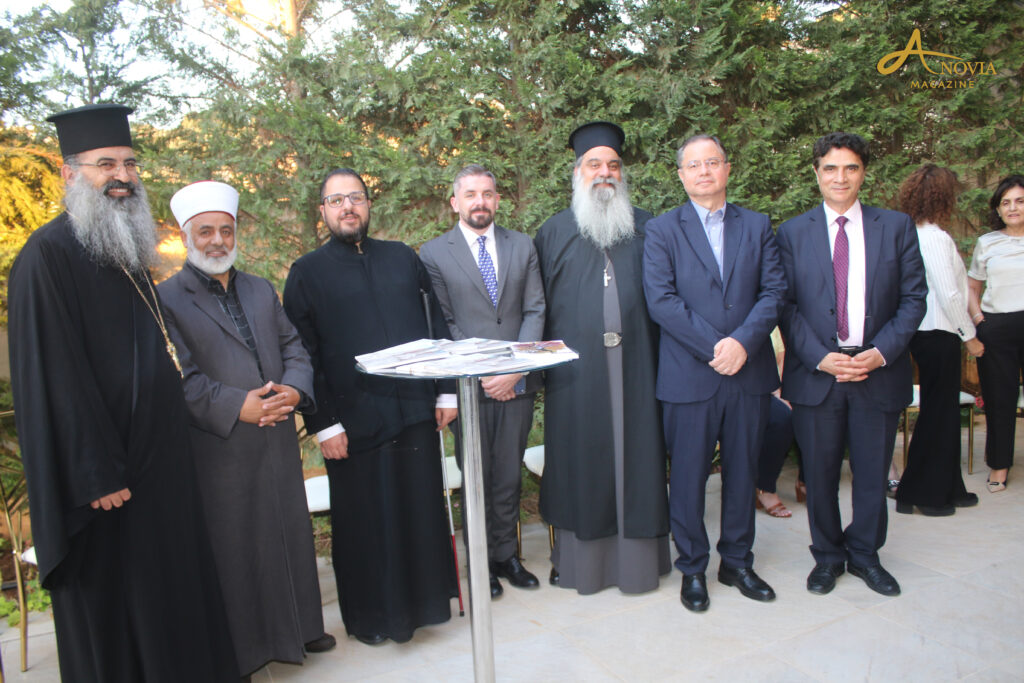
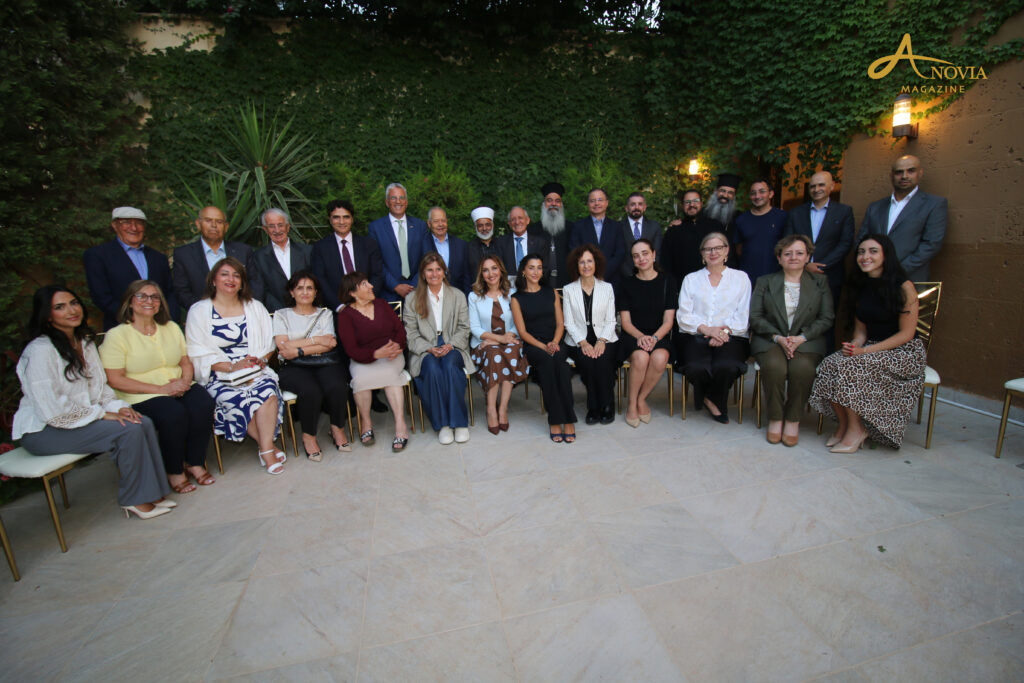
As divisions continue to widen across many parts of the world, the gathering, bringing together diplomats, academics, journalists, religious leaders, and advocates of intercultural and interfaith reaffirmed that building bridges between peoples remains one of the most urgent tasks of our time.