
By Rula Samain
Business tourism is a vital pillar of the integrated tourism model that Jordan seeks to highlight. It is no longer merely a short trip between an airport, a hotel, and a meeting room; globally, it has evolved into a strategic sector that connects investment, the economy, and a country’s image in the minds of decision-makers. A CEO or investor who visits a country for three days leaves with impressions far deeper than a meeting agenda—assessing levels of organization, quality of services, security, and the cultural environment of the place.
As tourism constitutes one of the main pillars of Jordan’s economy—generating approximately JOD 7.41 billion in tourism income in 2023 with more than 6.3 million visitors—strengthening business tourism through meetings, incentives, conferences, and exhibitions is no longer a luxury but a necessity to sustain this upward trajectory. Prior to the pandemic, tourism revenues accounted for nearly 42% of Jordan’s total service exports, underscoring the sector’s weight in the national economic balance.
Specialized studies on tourism in Jordan indicate that the Kingdom possesses most of the prerequisites needed to enhance its competitiveness in the global business and conference tourism market: advanced hotel infrastructure, exhibition and conference facilities, and a strategic geographic location linking Asia, Africa, and Europe. An academic study on the impact of demand for business and conference tourism on hotel occupancy rates in Jordan also showed a clear positive relationship between this type of tourism and higher occupancy levels, particularly in major hotels in Amman and the Dead Sea.
Most importantly, business travelers tend to spend more than leisure tourists and are more likely to return for subsequent visits if their first experience is associated with an image of a stable, well-organized country that is connected to the world. This has been clearly evident through my interviews with diplomats I met inside and outside the Kingdom, as well as testimonials from Jordan’s guests who discovered in this country a tourism treasure, a deeply rooted heritage, and a warm social culture that encouraged them to return—not in an official capacity as before, but on family visits driven by genuine curiosity and a desire to reconnect with the place.
Here, the Kingdom advances as a strong candidate—under the Economic Modernization Vision and tourism sector plans—to become a regional hub for conference tourism in the Levant. This would extend visitors’ length of stay, increase occupancy rates, and stimulate a wide range of service sectors.
For years, Jordan has been presented as an oasis of security and stability in a turbulent region. This is not merely a rhetorical phrase, but a genuine marketing pillar in the state’s discourse toward investors and visitors. In a meeting with representatives of the tourism sector, His Majesty King Abdullah II emphasized the need to “maximize Jordan’s standing as an oasis of security and stability and invest available resources to strengthen the Kingdom’s tourism position regionally and globally,” affirming that today’s priority is the economy and the means to develop tourism.
This royal vision intersects with a broader strategy to attract investment, as His Majesty has stressed in other directives that improving the investment environment is a necessity—not an option—for growth and job creation, and that what is required is taking “effective steps to attract foreign investment and enhance domestic investment.” Business tourism lies precisely at this intersection.
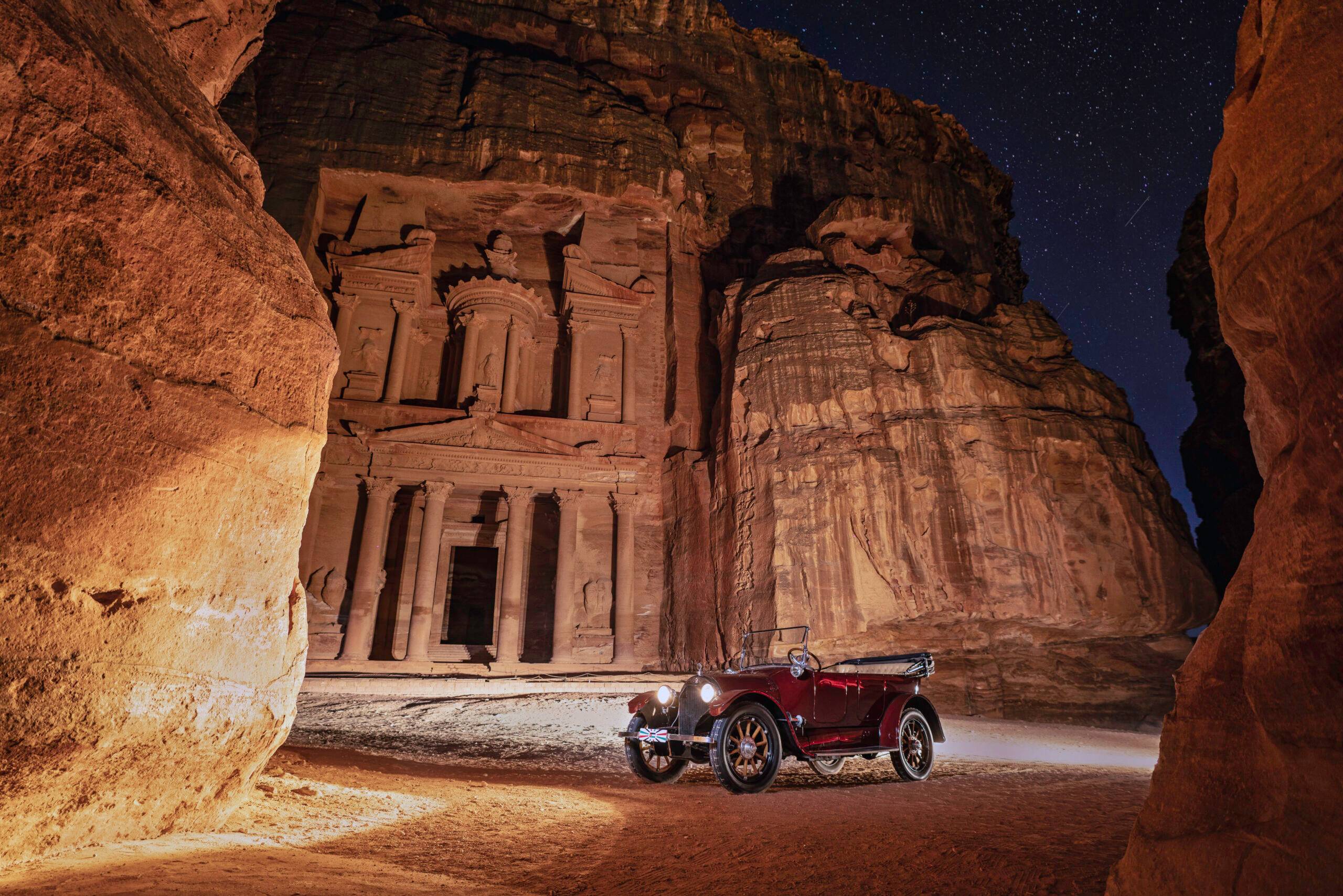
Business tourism in Jordan can be strengthened by adopting a comprehensive approach that redefines the Kingdom as a standalone destination for international conferences and events, rather than merely a transit point. This requires a precise promotional narrative targeting professional associations, chambers of commerce, and regional and global companies, presenting Jordan as an integrated package that combines advanced conference infrastructure in Amman and the Dead Sea with a high-quality tourism experience extending to Petra and Wadi Rum, supported by Jordan’s deeply rooted culture of hospitality. This direction should be complemented by a supportive legislative framework for major events, including well-considered tax incentives, flexible procedures for importing equipment, and simplified visa mechanisms through a unified electronic platform that reflects the image of an organized state ready to host global business.
It also requires genuine integration between the public and private sectors, with the Ministry of Tourism, the Ministry of Investment, the Tourism Promotion Authority, chambers of industry and commerce, the hotel sector, and airlines collaborating within a unified national campaign—supported by specialized media such as Anovia magazine.
Beyond the organizational dimension, guests’ agendas should be connected to Jordan’s cultural memory through short, tailor-made itineraries for delegations—such as a tour of downtown Amman, a visit to Madaba and Jerash, or a sunset moment at the Dead Sea. These small details create a lasting impact in visitors’ memories. Investment in the digital experience is also a decisive factor, as business travelers seek ease of booking, clarity of information, and rapid response—necessitating advanced platforms, multilingual content, and 24/7 support services.
Recent figures show that Jordan’s tourism sector is moving toward recovery and growth, with rising visitor numbers and revenues in recent years despite regional challenges. The opportunity today is to build on this momentum by firmly establishing Jordan as a first-choice destination for business travelers and conferences in the region.
Business tourism is a gateway to new investments, a stronger international image, and networks of relationships that extend far beyond a guest’s stay in a hotel. Jordan—with its clear-sighted leadership, political stability, and qualified human resources—can turn this gateway into a permanent bridge between the local economy and the world, if we plan and market wisely and connect the meeting room to the heart of the city, the history of the place, and its people. May God protect the country.
*Anovia Founder & CEO, journalist specialised in peace and reconciliation, Peace make awardee 2023
Published in the Addastour daily 14/12/2024