Rula Samain
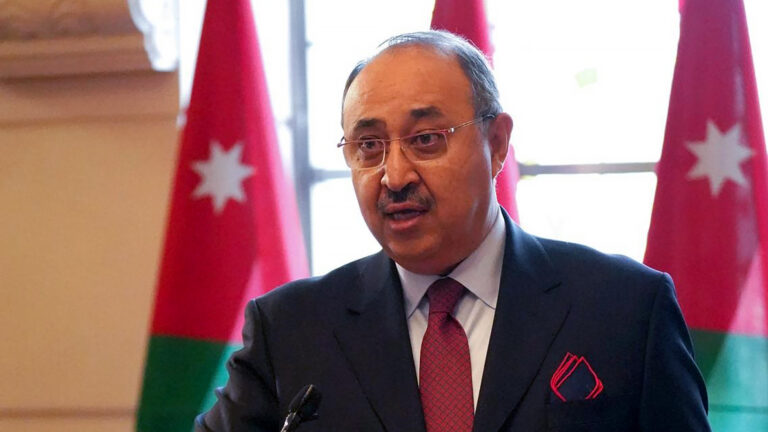
Anovia – Amman In an exclusive interview, former Minister of State for Media Affairs Sakher Dudin presented a comprehensive vision that redefines tourism as an integrated national investment platform and a cross-sector ecosystem, placing it at the heart of modern economic planning, far removed from the traditional perception of tourism as a seasonal service activity.
Dudin noted that tourism in Jordan represents a smart investment grounded primarily in human capital, saying that Jordanians constitute the country’s true wealth.
He explained that the sector’s intersections with infrastructure, transport, energy, technology, culture, and hospitality are anchored in the Kingdom’s exceptional geographic, climatic, and cultural diversity, a diversity that enables visitors, within a short span of time, to move between distinct environments, successive civilizations, and integrated human experiences, positioning Jordan as a destination capable of delivering high tourism value within a limited geographic area.
“Tourism is no longer a service that is offered; it is an investment that is built,” Dudin said, explaining that every dollar spent in the sector generates a chain of added value extending to agriculture, services, startups, and technology. This, he noted, amplifies economic impact, creates jobs, and transforms tourism into a genuine engine of growth rather than a dependent sector.
He emphasized that the success of any tourism or investment project is contingent upon stability and security, alongside sustained legislative clarity.
“Legal stability is essential for building investor confidence and ensuring long-term sector sustainability,” and that there can be no real investment amid legislative confusion.
On promotion, Dudin pointed to a fundamental shift in tourism marketing tools, noting that the task is no longer to market a site itself, but to present a complete story behind it.
“We do not sell a place; we sell a narrative,” he said, citing Christian pilgrimage as an example, promoted as an integrated journey with spiritual, cultural, and experiential dimensions rather than as isolated stops.
“Such an approach requires a clear tourism identity and branding capable of engaging both reason and emotion.”
Dudin, also a member of the Tourism Economics Association, underscored the pivotal role of specialized tourism media, such as Anovia, in anchoring this narrative.
He argued that general platforms are often seasonal and limited in impact, whereas specialized media provide a sustainable global window, addressing international audiences with analytical and experiential content that reflects the “lived image” a visitor is meant to experience.
“A sustainable narrative creates a sustainable presence.”
He cited successful international branding models, referencing Malaysia’s unified audio-visual identity, where the slogan Malaysia Truly Asia instantly evokes the country’s image.
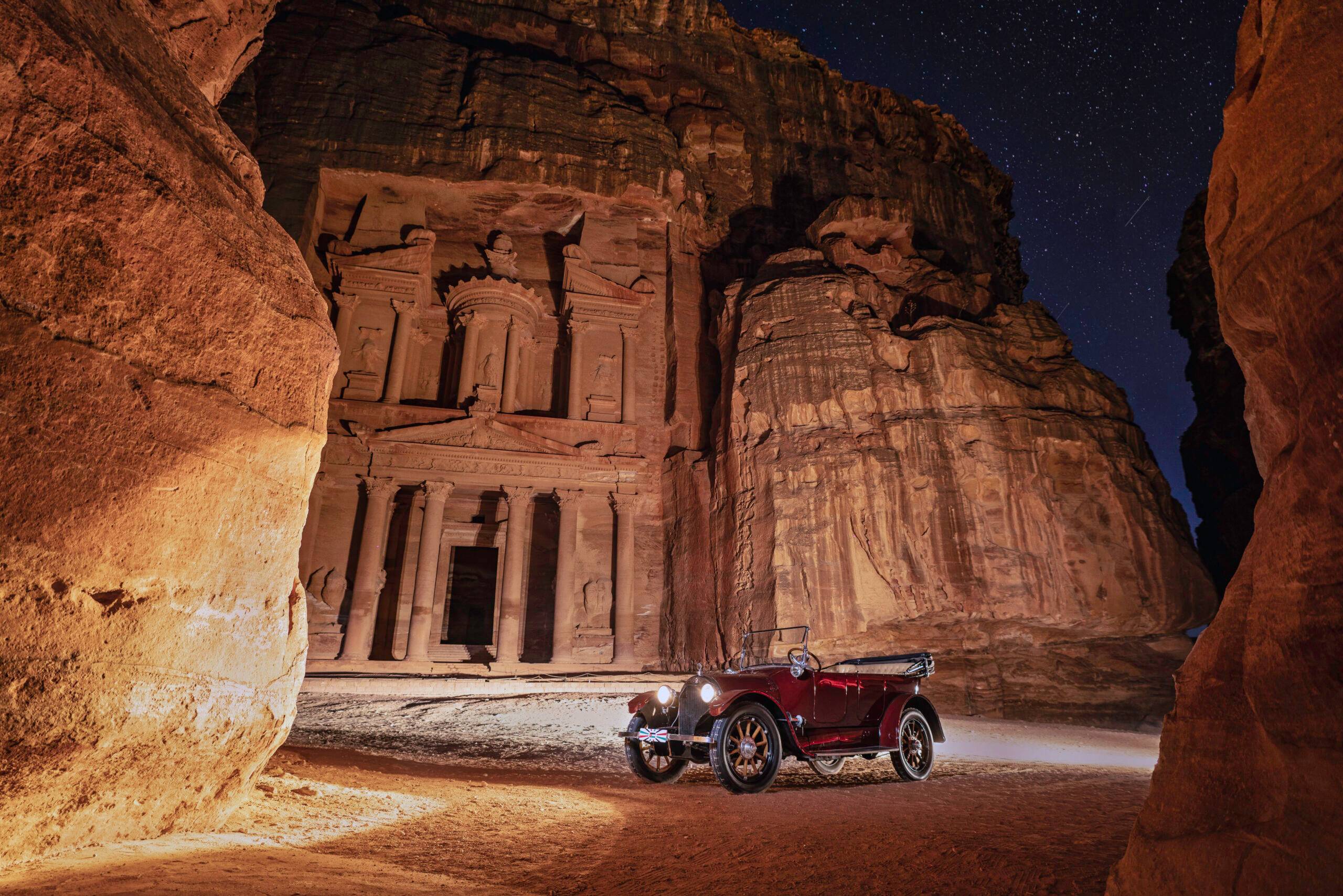
“Jordan, possesses equally, if not more, powerful symbols, foremost among them Petra, one of the New Seven Wonders of the World. The mere mention of Petra should immediately bring Jordan to mind,” he said.
Dudin stressed that building a compelling mental image also requires working with influencers capable of speaking to target audiences in their own language and cultural context.
“Precise market identification is critical,” he said.
He pointed to South America’s predominantly Catholic population as a natural audience for Christian pilgrimage tourism, noting that “a few words from a globally recognized figure in their language can open an entire continent.”
The same logic applies, he added, to other markets such as Russia, where cultural and religious sensibilities must be carefully addressed.
He further emphasized the need for coordination and networking between specialized tourism media platforms and official institutions, describing them as vital instruments of a state’s soft power, particularly as Jordan seeks to reach distant markets in Europe, South America, Russia, and China.
“The world today thinks visually and moves at a rapid pace,” he said, calling for smart storytelling through short-form videos and social media, where subtle, repeated messages embed deeply and often unconsciously in the public mind.
Dudin highlighted that the diversity of tourism types in Jordan, from religious and medical tourism to cultural and adventure tourism, allows for multiple sub-narratives within a single, cohesive framework.
At the same time, he reaffirmed that stability and security remain the bedrock of any tourism, educational, or medical activity. “There is no tourism without safety, and no investment without stability,” he said.
Describing Jordan as a model of political stability, Dudin pointed to the continuity of the Hashemite monarchy since the founding of the state, an enduring institutional trajectory that instills confidence in the country as a safe and reliable destination, saying that Jordanian society itself, with its religious, cultural, and human diversity, constitutes an additional attraction, fostering familiarity and easing visitors’ sense of alienation.
He also stressed on highlighting simple human details in tourism storytelling, from hospitality traditions to traditional cuisine, affirming that “the Jordanian instinctively opens his home and his heart to the guest,” an image, he said, must be integral to the tourism message.
Dudin concluded by stressing the need for a unified institutional framework for the tourism sector, given the multiplicity of specialized associations and that in bringing these efforts under a single umbrella would consolidate a comprehensive vision and give the sector a strong, influential voice that reflects its true scale and national role in economic and social development.