Prof. Dr. Hani Obeid
History Researcher
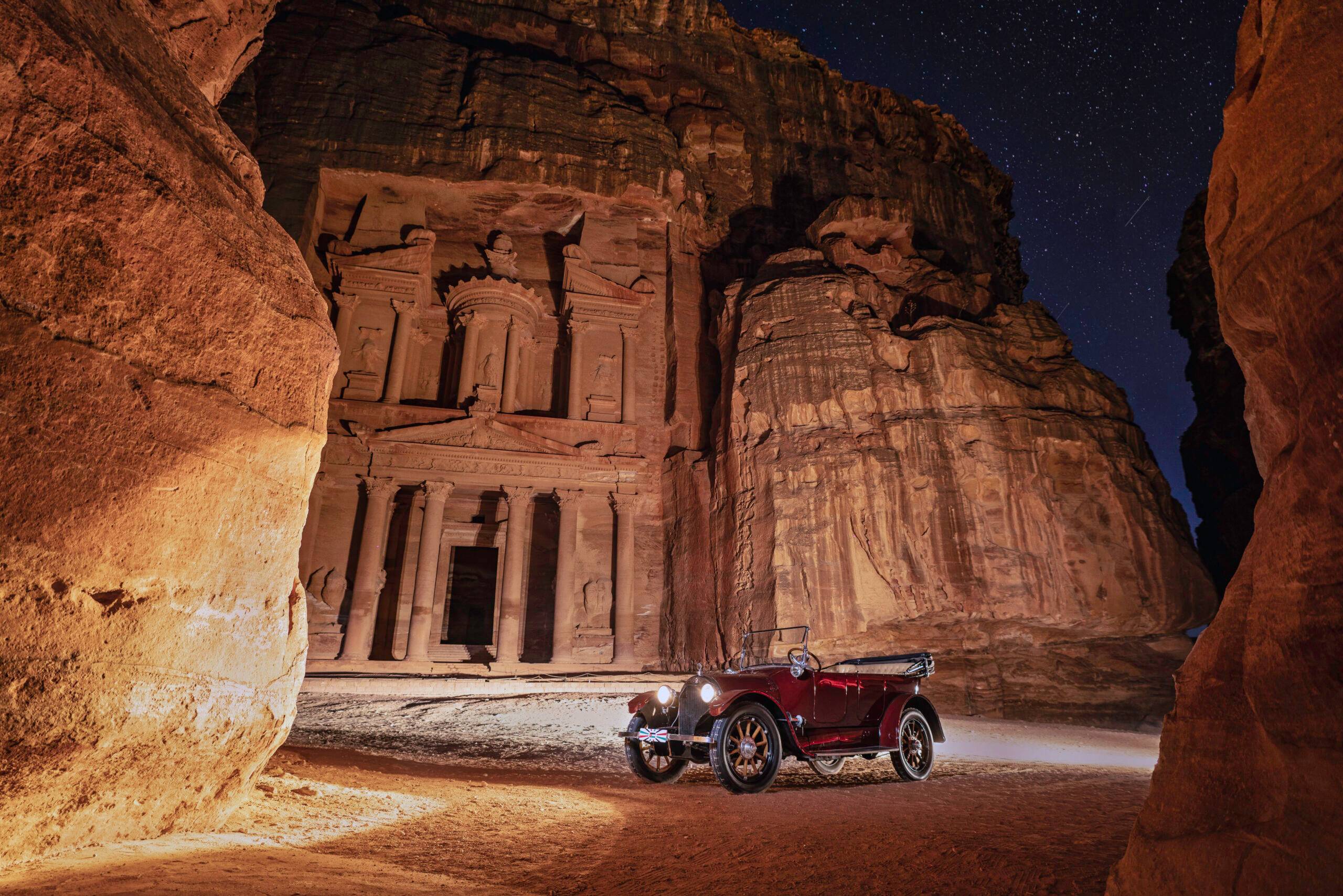
Johann Ludwig Burckhardt (1784–1817), the discoverer of Petra, was a Swiss traveler and orientalist who worked on behalf of the British African Association. He learned Arabic, wore Arab dress, and traveled under the assumed name Sheikh Ibrahim ibn Abdullah during his journeys in the East. In 1812, while traveling from Damascus to Egypt, he heard Bedouins speak of a city carved into the rock in Wadi Musa. He was granted entry by the local inhabitants after claiming that he wished to offer a sacrifice to the Prophet Aaron. Upon arrival, he beheld the monumental façade of the Treasury (Al-Khazneh). Thus, he became the first European to rediscover Petra and later described it in his writings.
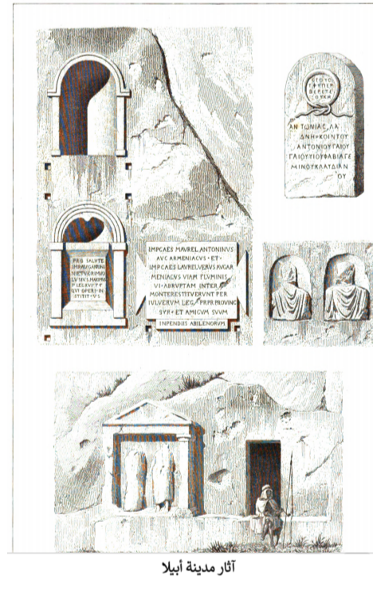
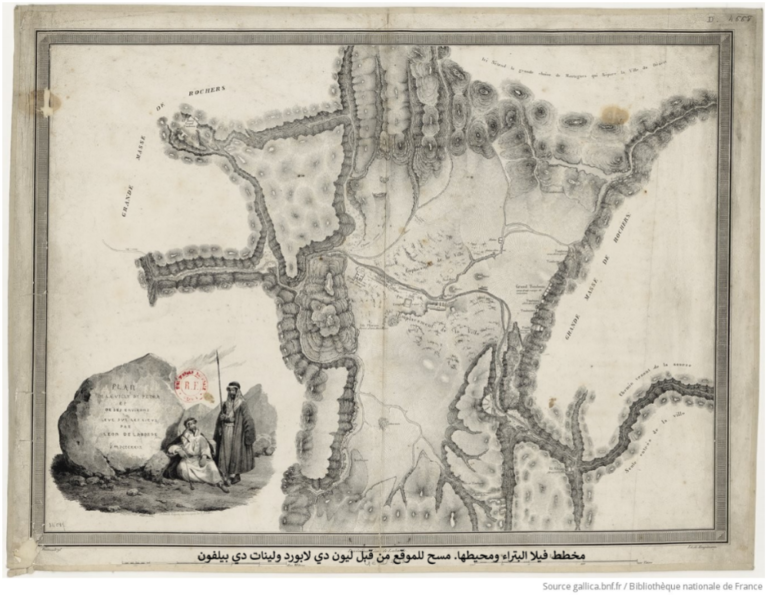
As for those who scientifically explored Petra and documented it with precision, they were the two young Frenchmen: the engineer Linant de Bellefonds (1798–1883) and Léon de Laborde (1807–1869). They reached Petra in 1828, traveling from Cairo through the Sinai Peninsula. After their arrival, they produced a detailed map of the site illustrating the rock-cut tombs. Laborde completed thirty drawings of Petra, and the account of their journey was published in Paris in 1830 in a large volume that remained a fundamental reference on Petra throughout the nineteenth century.

In 1826, Léon de Laborde and his father undertook a journey to Jerusalem, setting out from Antioch in Asia Minor and passing through Palmyra, Jerash, and Amman, where they published an illustrated description of the ruins of the latter two cities. In 1862, Melchior de Vogüé visited the Hellenistic Palace of Hyrcanus at Iraq al-Amir.
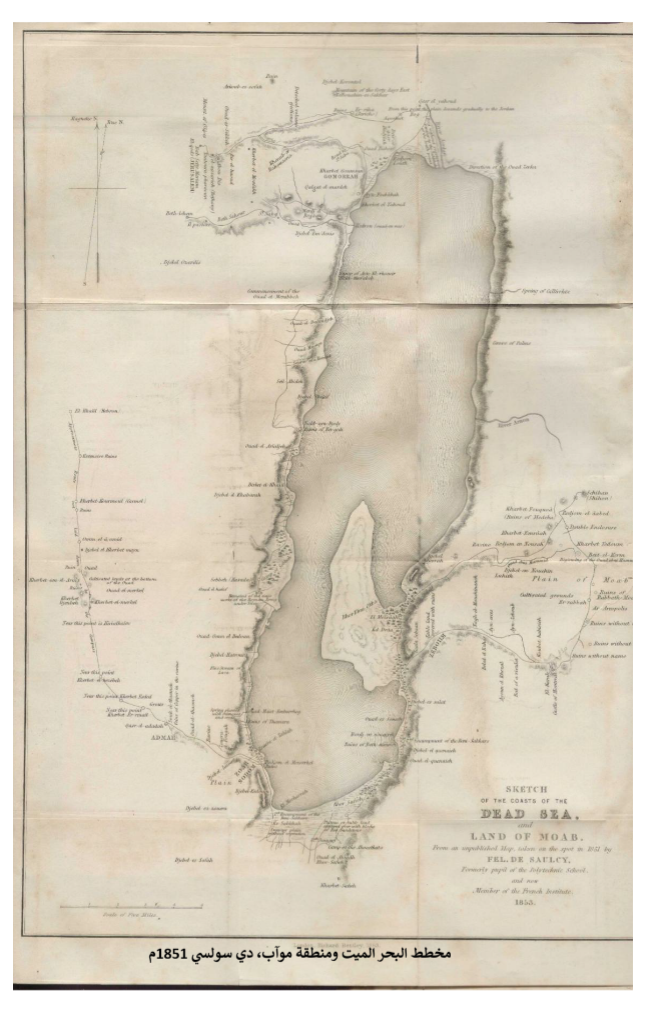
Félicien de Saulcy was a military officer and a French orientalist, as well as a scholar of epigraphy and archaeology. He was among the earliest Europeans to study Nabataean inscriptions and to attempt their decipherment. He made two visits to the Levant, the first in 1847, during which he visited the Dead Sea and eastern Jordan, passing through Madaba, Dhiban, Karak, Wadi Mujib, and Mount Nebo. During this journey, he recorded observations on Roman roads, Nabataean sites, as well as inscriptions and tombs.
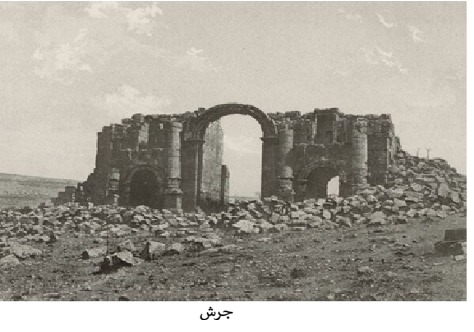
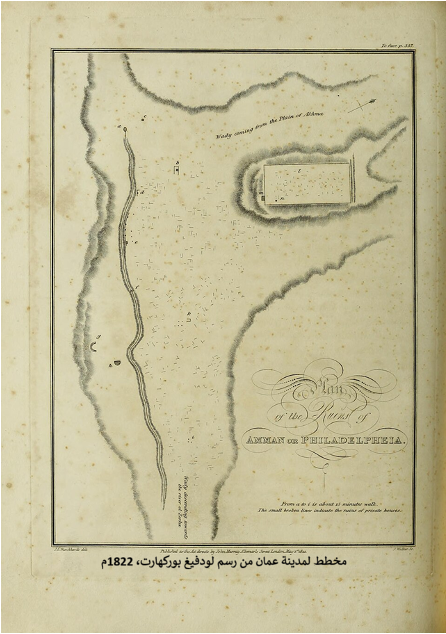
He undertook a second journey between 1850 and 1851, a trip of particular significance during which he visited Amman and Jerash. He described Amman as a great Roman city and produced plans of the city showing the Roman theatre, springs, and fortification walls, recording the Latin inscriptions he encountered. As for Jerash (Gerasa), he described it as the greatest preserved Roman site in eastern Jordan. Following his visit, he prepared drawings of the paved colonnaded street, the Oval Plaza, the Northern Theatre, and Hadrian’s Arch. His drawings are considered the most reliable visual documentation of Jerash prior to the commencement of restoration works at this archaeological city. He documented the events of his travels in two books.
In 1863, he visited Iraq al-Amir and prepared a preliminary plan of the site. He also visited the Byzantine remains in Madaba and Mount Nebo. During the same journey, he produced plans of the Amman Citadel and the site of Hisban.
In 1867, Ernest Renan founded the “Corpus of Semitic Inscriptions” in Paris under the patronage of the Académie des Inscriptions et Belles-Lettres. This corpus aimed to collect ancient Phoenician, Punic, Hebrew, Palmyrene, and Nabataean inscriptions, in addition to inscriptions from the Arabian Peninsula. This initiative marked the beginning of a series of orientalist research projects involving a number of scholars, such as John Euting and Charles Doughty, which in turn laid the foundations for the emergence of a French linguistic school that continues to exist to this day. This school preserves between 15,000 and 18,000 glass plates bearing photographs, most of which were produced by Antonin Jaussen (1962-1871) and Raphaël Savignac (1951-1874). These photographs and maps were later utilized by the Ottoman authorities during the construction of the Hejaz Railway.