
By Rula Samain
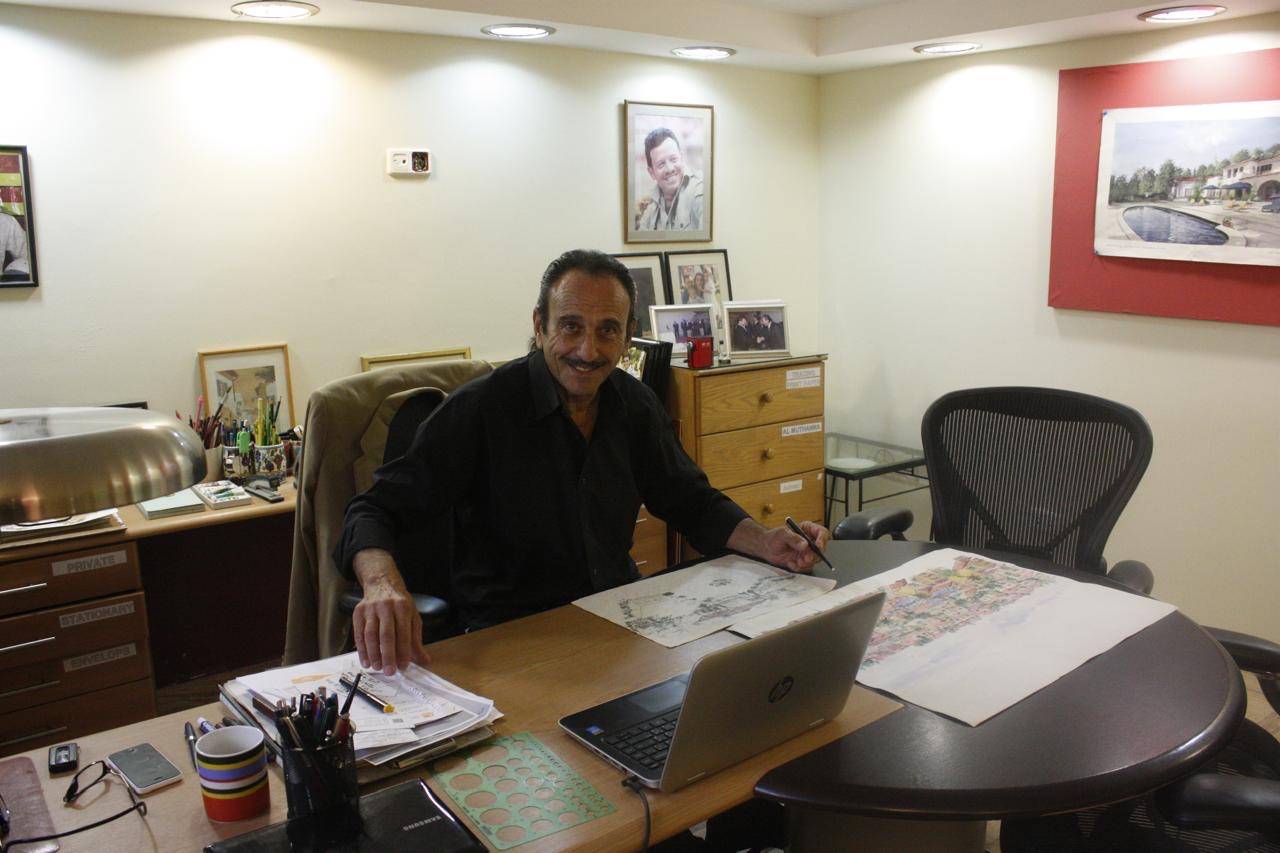
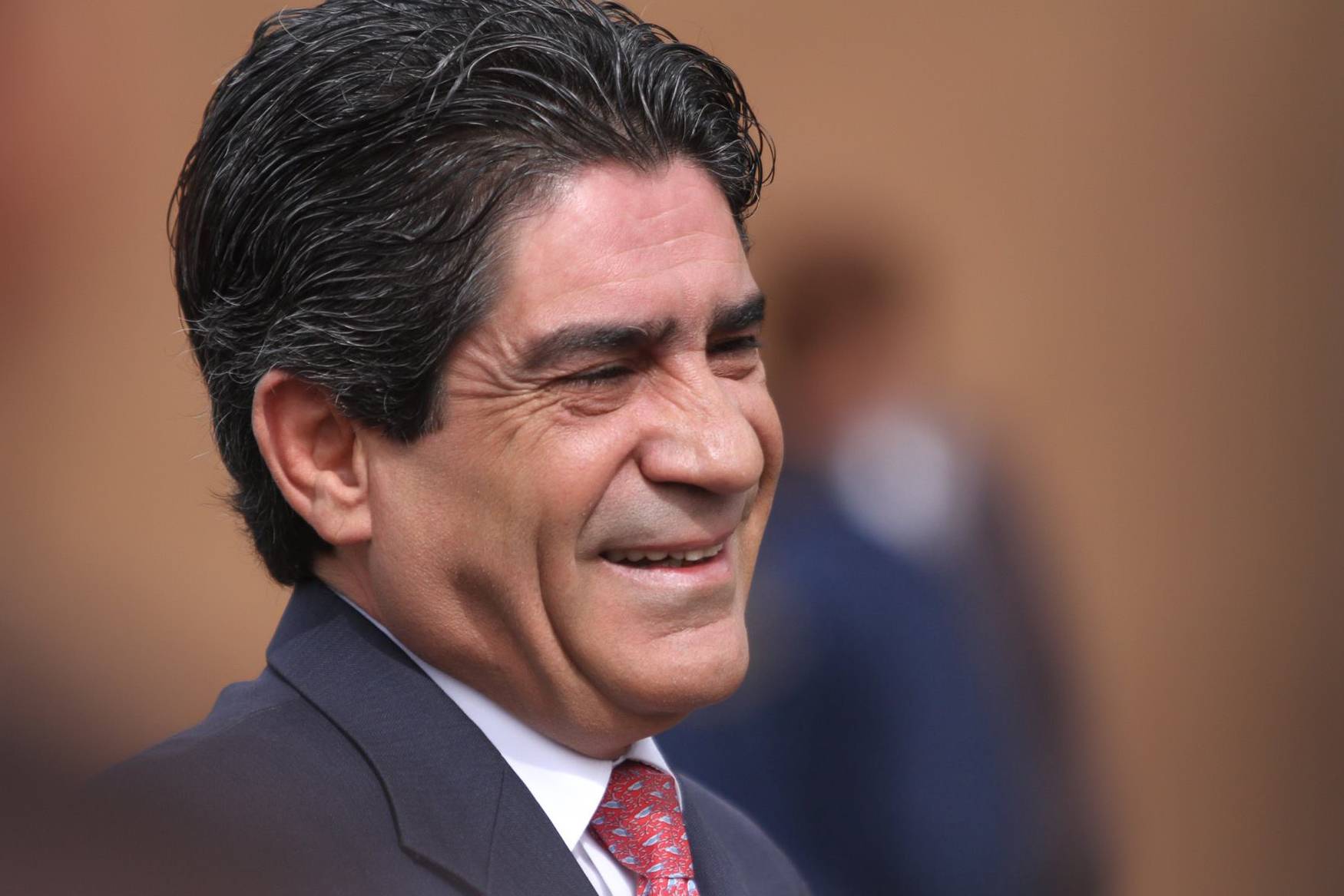
Anovia–Amman In an exclusive interview, Anovia met with Osama Dabbas, Chairman of the Executive Tourism Economy Association and former Minister of Tourism, in an in-depth dialogue addressing tourism as a strategic national product and the ongoing efforts to transform Jordan into a repeat-stay destination with a sustainable global tourism narrative.
The discussion was marked by depth of vision and a range of practical ideas that form a solid foundation for a serious national debate on the future of tourism in the Kingdom.
At the outset of the discussion, Al-Dabbas welcomed Anovia, “the only specialized tourism magazine in Jordan,” and referred to what His Majesty King Abdullah II announced in January, concerning the meeting with the European Economic Unity Council and the launch of a new phase of comprehensive and strategic partnership between Jordan and the European Union saying that “this constitutes a critically important element for the tourism sector, as it provides a solid foundation to rebuild European tourism, the primary market for Jordan.”
Dabbas added that “Europe represents a pivotal market for us (Jordan) due to geographical proximity, and because of the availability of more than ten direct flights to major European capitals, a factor that constitutes a core pillar in tourism marketing.”
He stressed the importance of directing marketing and sales efforts, as well as the work of Jordan Tourism Board, toward Europe, while maintaining a carefully considered openness to new markets without compromising the traditional ones built through decades of partnerships.
Dabbas noted that Jordan had previously been included within joint regional tourism programs, a reality that often translated into shorter tourist stays within the Kingdom.
He explained that “we are working to develop independent tourism programs extending from one week to ten days within Jordan; we have the full capacity to achieve this if we focus on clearly defined pillars.”
The three main pillars, as Dabbas said are religious tourism, whether linked to the Baptism Site of Jesus Christ (Al-Maghtas), or to the Islamic shrines and maqams spread across the Kingdom.
He emphasized that “Asian markets, particularly Indonesia and Malaysia, demonstrate strong and growing demand to visit sites of profound spiritual and historical significance,” underscoring that religious tourism “must be developed and managed as an independent sector in its own right.”
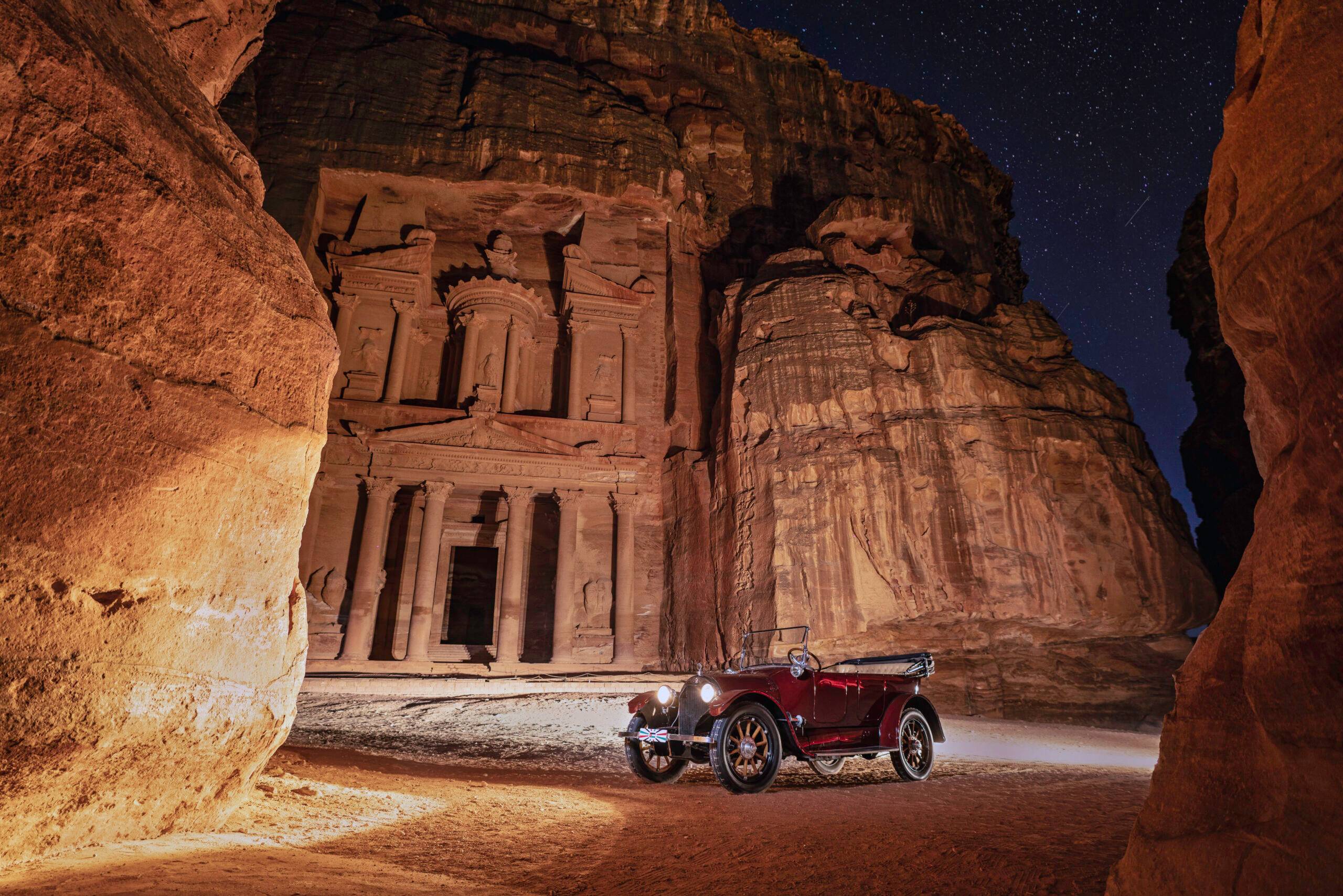
Dabbas also highlighted Petra, underscoring the importance of consistently positioning it as “one of the New Seven Wonders of the World,” and linking it with cultural tourism in Wadi Rum and Aqaba, collectively known as the “Golden Triangle” as a fully integrated pillar of Jordan’s tourism offering.
In addition, Dabbas underscored the importance of educational tourism, given the presence of approximately 50,000 Gulf students in Jordanian universities.
“These students and their families represent an important tourism resource. A student who studies in Jordan builds a long-term relationship with the country that often endures even after returning home.”
Addressing medical and wellness tourism, Dabbas acknowledged a relative decline in recent years but emphasized the potential for recovery.
“An Arab patient who comes to Jordan for treatment does not come alone; family members usually accompany them, transforming the medical visit into a comprehensive tourism experience.”
He added that the Dead Sea, as one of the world’s natural wonders, remains a cornerstone that combines therapeutic value with conventional tourism.
On regional developments, Dabbas noted that the region has faced difficult conditions over the past two years due to wars and tensions, from the war on Gaza to the tensions in Lebanon and Iran, emphasizing that “Jordan has remained safe and stable, and perhaps we have not capitalized on this advantage as effectively as we should have.”
He cited an American journalist who once said that “Amman, in times of war (the countries surrounding the Kingdom) is safer than New York in times of peace,” considering security and stability a blessing that must be intelligently marketed within Jordan’s tourism narrative.
Dabbas also highlighted Jordan’s climatic diversity and its year-round four-season appeal, alongside the strength of its cohesive social fabric, stressing that he does not favor the term “coexistence,” explaining that “in Jordan, we are family and brothers living together as a deeply rooted daily reality.”
He linked this context to the significance of Christian pilgrimage, particularly from African markets, to sites such as Al-Maghtas (the Baptism Site) and Madaba, alongside Islamic religious tourism connected to the shrines and holy sites spread across the Kingdom, which exceed one hundred locations, as documented in a specialized publication by the Ministry of Awqaf and Islamic Affairs.
On the institutional front, Dabbas explained that the Executive Tourism Economy Association, was officially licensed by the government at the end of 2025 and includes a distinguished group of journalists, tourism experts, business leaders, travel writers, and hotel owners, making it a comprehensive association representing the various stakeholders of the sector.
He stated that “we are a non-profit association with objectives range from supporting investment and marketing, to preserving archaeological sites and providing studies and expertise to the Ministry of Tourism and the Jordan Tourism Board. Ultimately, our goal is to serve the nation and its leadership.”
Dabbas concluded by emphasizing the need to set an ambitious national target, stating that the “current tourism revenues are modest. We must establish a clear goal of no less than ten billion dinars in tourism income for Jordan. This is an achievable objective if we treat tourism as a strategic national product, rather than a transient seasonal sector.”